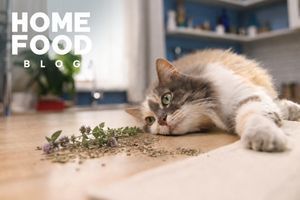
📌 HOME FOOD Blog: Why Do Cats Eat Grass?
Why Do Cats Eat Grass?
“Grass is Life”: What Do Famous People Say About Microgreens?
“Microgreens are not just food; they are the energy of life in its most concentrated form” — Joel Fuhrman, physician-nutritionist, author of Eat to Live
In recent years, microgreens have become not only a trend among people striving for healthy eating but also a focus of veterinary science. As it turns out, even domestic animals instinctively seek out young plants—and cats are no exception.
Why Do Cats Eat Grass?
Although the exact reason why cats eat grass has not yet been established, there are several plausible hypotheses. The most common is the physiological need for fiber. The fiber contained in grass is not digested by the body but serves as a “cleaner” for the gastrointestinal tract.
Scientific Observations:
In most cats, vomiting occurs after consuming grass. This is a physiological reaction that helps to expel:
- stomach hair remnants (trichobezoars),
- undigested food,
- foreign objects.
Studies [Hart et al., 2008, Journal of Veterinary Behavior] have shown that over 90% of domestic cats consume grass instinctively, without signs of illness.
This is a form of self-regulation inherent even in wild members of the cat family.
How Does Grass Affect Cats’ Digestion?
If grass does not cause vomiting, it can act as a prebiotic—meaning it positively affects the gut microbiota.
Fiber:
- Increases the volume of fecal matter → stimulates defecation.
- Binds toxins → aids in their removal from the body.
- Regulates metabolism, reducing levels of:
- blood glucose (relevant for diabetes),
- “bad” cholesterol.
According to studies [National Research Council, 2006], the need for dietary fiber in cats is 1.5–2 times higher than in humans, given their shorter and more specialized gastrointestinal tract.
When Is Fiber Beneficial, and When Is It Harmful?
The digestive system of cats is extremely sensitive to changes in diet composition. Fiber—non-digestible carbohydrates of plant origin that perform structural, regulatory, and prebiotic functions—plays a particularly important role in its functioning.
Although fiber is not a source of energy, it influences the microbiota, intestinal motor activity, blood metabolite levels, and even the state of the immune system. Its quantity and quality must match the age, physiological condition, activity, and health issues of the animal. Otherwise, instead of benefit, it can lead to significant disturbances.
Fiber Imbalance: Consequences of Deficiency and Excess
| Type of Imbalance | Physiological Consequences | Clinical Manifestations |
|---|---|---|
| Fiber Deficiency | Reduced motility of the large intestine Worsened conditions for the development of beneficial microbiota Impaired glucose regulation |
Constipation Intestinal dyskinesia Reduced immunity Hemorrhoids, anal fissures |
| Fiber Excess | Reduced absorption of proteins, fats, Ca, Fe Excessive fermentation in the large intestine Changes in osmotic pressure in the intestine |
Diarrhea, bloating, flatulence Weight loss >Hypovitaminosis (due to impaired absorption of fat-soluble vitamins) |
Cats with colitis, gastritis, IBS (irritable bowel syndrome) or motility issues (hyperperistalsis) should not receive fiber without consulting a veterinarian—even in the form of microgreens.
How Much Fiber Do Cats Need at Different Life Stages?
Recommendations are based on standards from AAFCO (Association of American Feed Control Officials) and data from NRC (National Research Council, 2006) studies.
| Cat Category | Optimal Fiber Content in Feed, % | Is Additional Greens Needed? | What Type of Grass Is Recommended? | Comment |
|---|---|---|---|---|
| Kitten (up to 6 months) | 1.5–2% | No | Not recommended | Microbiota is forming; excess may cause diarrhea |
| Junior (6–12 months) | 2–3% | In small amounts | Oat sprouts, fennel | Allowed once a week for gastrointestinal adaptation |
| Adult (1–7 years) | 3–5% | Yes, if needed | Oats, flax, chia, carrot, peas | 2–3 times a week, depending on individual activity |
| Breeding Cats | 3–4% | Yes, with caution | Fennel, beet, mint sprouts, peas | Supports digestion during periods of stress |
| Pregnant / Lactating | 2–4% | Yes, with limitations | Oats, carrot (no more than 1–2 times/week) | Excess may affect mineral metabolism |
| Senior Cats (7+ years) | 3–6% | Yes, in the form of soft fibers | Flax, chia, soft vegetable sprouts | Helps avoid constipation without overstimulating peristalsis |
Important to Know
- If fiber is present in the main feed (3–4%), there is usually no need to additionally feed microgreens—only if necessary.
- If you give your cat wet food, the fiber content in the diet can be slightly lower, as moisture partially compensates for the peristaltic function.
- The safest norm of additional green mass for a healthy adult cat is 0.5–1 g/kg of body weight per week, which is approximately 1–2 sprouts a few times a week.
What Grass Can Be Given to Cats and How to Grow It Safely?
Choosing grass for a cat is not just a matter of the animal’s taste but primarily involves knowledge of botany, veterinary toxicology, and microbiology. That’s why the best option is considered to be microgreens grown at home from certified seeds. This approach allows not only to control the quality of the substrate and growing environment but also to avoid dangerous contaminants—pesticides, heavy metals, nitrates, and mycotoxins.
Recommended crops for cats:
These plants have a neutral or beneficial effect on the digestive tract mucosa, do not cause irritation, and contain valuable bioactive compounds:
- Oat sprouts (Avena sativa) — rich in soluble fiber (beta-glucans), promote gentle stomach cleansing from hair.
- Catnip (Nepeta cataria) — contains nepetalactone, which has a sedative effect and improves digestion.
- Fennel (Foeniculum vulgare) — a natural antispasmodic, reduces gas formation.
- Flax (Linum usitatissimum) — a source of mucilaginous substances and omega-3 fatty acids.
- Chia sprouts (Salvia hispanica) — rich in antioxidants and prebiotic fibers.
- Young carrot and beet sprouts — contain carotenoids, vitamin K1, and soft insoluble fiber.
| Plant | Beneficial Properties |
|---|---|
| Oat sprouts (Avena sativa) | Beta-glucans, soft insoluble fiber; helps with hair removal |
| Catnip (Nepeta cataria) | Stimulates appetite, has a calming effect on the nervous system, regulates the GI tract |
| Fennel (Foeniculum vulgare) | Contains anethole; reduces bloating, stimulates bile secretion |
| Flax (Linum usitatissimum) | Omega-3 fatty acids, mucilaginous polysaccharides; coats the mucosa |
| Chia sprouts (Salvia hispanica) | Source of antioxidants and gel-forming fibers; improves transit in the large intestine |
| Young carrot and beet sprouts | Soft fiber, carotenoids, folic acid |
| Pea sprouts (Pisum sativum) | According to studies (Biogenic Nutrients in Legume Sprouts, 2020), sprouted peas have high bioavailability of iron, lysine, and flavonoids, which is especially important for cats with reduced appetite or microbiota issues. |
Studies conducted in 2021 (Veterinary Phytotherapy Journal) confirm that sprouted grains of oats, flax, and chia pose the lowest risk of causing gastrointestinal reactions in pets when fed in controlled amounts.

What Should Be Avoided?
Not all grass is safe for cats. Certain types of greenery can pose a real threat to the animal’s health.
| Dangerous Sources | Reasons |
|---|---|
| Grass from the street or flowerbeds | May contain residues of herbicides, pesticides, helminth eggs, fungal spores, viruses, protozoa, bacteria. |
| Plants with sharp edges (e.g., wheat or thin reed) | Can damage the mucosa of the oral cavity, esophagus, or stomach |
| Decorative houseplants | Many are toxic (e.g., dieffenbachia, aloe, sansevieria) |
It is critically important not to chop the grass before feeding it—chewing is essential for the cat, as it stimulates salivation, improves mechanical stomach peristalsis, and ensures natural portion control.
Prevention of Injuries and Diseases During “Hunting”
To ensure maximum benefit and eliminate risks, the following rules should be followed:
| Component | Recommendation |
|---|---|
| Seeds | Only certified, non-GMO, pesticide-free; preferably organic |
| Growing Medium | Natural linen or cotton mats (sterile); avoid soil, sand, vermiculite, and hydroponics, which may accumulate toxins |
| Container | Tray with drainage, preferably with a double bottom |
| Water | Filtered or boiled; avoid tap water with chlorine |
| Lighting | Natural sunlight or UV lamp; daylight for at least 10–12 hours |
| Temperature | Ideally +20…+24°C, without drafts |
| Hygiene | Regular tray cleaning, mat replacement after each sprouting cycle |
The optimal time for feeding is on the 5–10th day of vegetation, when the content of vitamin C, folates (B9), chlorophyll, and enzymes reaches its peak. At this stage, the plant is still soft, without a tough stem or sharp edges.
Tip:
Grow several different types of microgreens—so the cat can instinctively choose what it needs at the moment. Many cats show selectivity depending on their physiological state (nausea, appetite, hair growth phase, etc.).
Can Special Grass Protect Your Houseplants?
Yes, but it’s not just about distraction—it’s a matter of ethology, instinctive behavior, and sensory stimulation.
Cats are naturally curious predators with a developed sense of smell, taste receptors, and a need to explore their environment through their mouths. Houseplants become “victims” not out of hunger but due to boredom, stress, or a lack of alternative greenery. This is especially relevant for young, active, or overly isolated cats.
Behavioral veterinary studies (Journal of Feline Medicine and Surgery, 2020) confirm that the presence of safe microgreens in free access reduces attempts by animals to chew toxic decorative plants by up to 78%.
How to Implement Plant Protection in Practice?
- Place containers with microgreens at the cat’s eye level—in the area where it usually spends active time.
- Do not place microgreens next to decorative plants—this may create an association between them.
- Offer greens regularly but in limited amounts—this creates a “value” of access and disciplines the animal.
The presence of various types of green mass not only reduces the risk of poisoning but also helps prevent damage to furniture and decorative items (blinds, curtains, wallpaper) that cats may chew on in search of new textures.
Why Is This Especially Important?
Over 60% of the most common houseplants are potentially toxic to cats (ASPCA data). Among them:
- Aloe vera — causes vomiting, seizures, and heart rhythm disturbances.
- Monstera — contains insoluble calcium oxalate crystals.
- Ficus — irritates the oral cavity, causes hypersalivation.
- Dieffenbachia — can cause swelling of the tongue, throat, and even asphyxiation.
What to Do If the Feed Has Little Fiber, and Greens Are Unavailable?
There are situations when the owner cannot grow grass themselves or purchase ready-made microgreens. If the feed has a low content of dietary fiber (less than 2–3%), it’s worth compensating for the deficiency with specialized supplements.
Safe Sources of Fiber That Can Be Added to the Diet Independently or as Supplements
- Psyllium (plantain husk) — soft, soluble fiber, improves peristalsis, and acts as a prebiotic.
- Inulin or chicory root (in powder form) — a source of natural prebiotics, stimulates the growth of beneficial bacteria in the large intestine.
- Pectin (apple or citrus) — normalizes stool consistency, helps with a tendency to constipation.
- Beet pulp — a source of soft insoluble fiber, often included in premium feeds.
- Lactulose (in small doses) — has mild laxative and prebiotic effects, suitable for short-term use (only after consulting a veterinarian).
Pay attention to complex veterinary supplements, which combine fiber with probiotics—live cultures such as Enterococcus faecium, Lactobacillus acidophilus, Bifidobacterium animalis. For example:

Dry food for removing hair from the stomach for sterilized/neutered adult cats Turkey and Berries Hairball control For sterilised/neutered, 1.6 kg
Buy
Treats for cats Turkey meat straw + catnip, 40 g
Buy
Probiotic for cats, 100 ml
Buy
Synbiotic for digestion and immunity support HePawSyn HOME FOOD Expert, 250 g
Buy
GimCat Every Day Malt-Soft Paste Extra for cats to remove hair from the stomach, 50 g
Buy
ECO PASTE Vitomax for removing hair in cats, 100 g
Buy
Important:
- Always start with minimal doses—sudden introduction of fiber can cause bloating or diarrhea.
- Dietary changes should be introduced gradually, especially in cats prone to sensitive GI tracts or chronic colitis. Consult a veterinarian before long-term use of supplements.
The presence of microgreens in free access is not just about nutrition. It’s about care, prevention, and respect for your pet’s natural instincts. Such greens:
- support digestion and microbiota;
- help avoid stomach issues and behavioral disorders;
- reduce interest in potentially dangerous houseplants;
- form a healthy, safe habit.
This is a simple yet effective way to create a harmonious space where the animal and plants coexist peacefully under your supervision and care.