HOME FOOD Blog: Is It Harmful That Cats Eat Their Own Fur?
Is It Harmful That Cats Eat Their Own Fur?
Cats are extremely clean animals. Every day they spend a lot of time grooming themselves, carefully licking their fur. Along with saliva, a cat swallows some of the hair, which accumulates in the stomach and forms clumps — trichobezoars (hairballs).
Hair in the gastrointestinal tract causes considerable discomfort: nausea, vomiting, coughing, or frequent attempts to expel the hair. In some cases, large hairballs can interfere with normal digestive function.
What exactly is the harm caused by accumulated hair, and how can its impact on a cat’s body be minimized?
Reasons to Be Concerned
Though not visible at first glance, hair accumulating in a cat’s stomach manifests through several symptoms:
- Vomiting. An unpleasant way to get rid of a hairball — some of the hair does come out.
- Dry cough. Not all cats vomit, so they often just cough, trying to expel the excess.
- Changes in appetite. The cat approaches the bowl but cannot eat — the stomach or intestines are partially blocked by hair. This is often accompanied by pain.
- Constipation and bloating. Hair mixes with feces, disrupting its passage and causing intestinal discomfort.
- General condition. Lethargy, drowsiness, weakness, and increased salivation may indicate discomfort and mild intoxication.
This is a problem almost every cat owner faces. It’s impossible to eliminate it completely, but regular grooming, proper nutrition, and preventive measures can significantly reduce discomfort and support your pet’s health.
Why Do Cats Eat Their Fur?
Eating disorders aren’t exclusive to humans. Sometimes pets develop strange food preferences — for example, deliberately chewing on fur or wool items. This is not only odd but potentially harmful.
Reasons vary: stress or trauma, deficiency of certain vitamins, or early weaning from the mother. A young kitten may seek ways to self-soothe or compensate for stress.
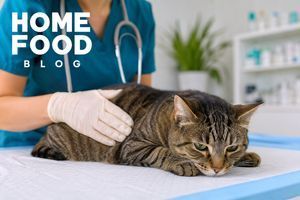
If you notice your cat trying to eat inedible objects, it’s best to consult a veterinarian. The vet can identify the cause and recommend solutions — adaptogens for behavior correction or vitamin complexes.

Probiotic & enzymes for gut microbiota restoration ImmunoBiotic Pro HOME FOOD Expert, 20 g
Buy
Dietary supplement CBD oil 2% for anxiety & pain relief Relax Pro HOME FOOD Expert, 10 ml
Buy

How to Help a Cat That Has Swallowed Too Much Fur?
Extra attention is needed in spring and autumn during heavy shedding — especially for long-haired cats. Here’s what prevention includes:
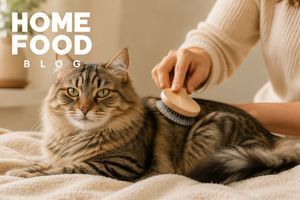
- Regular brushing. Undercoat can be removed with slicker brushes or furminators. Brush long-haired cats daily, short-haired every other day. This reduces the amount of hair swallowed.
Recommended products

Trixie Soft Brush — soft-bristle slicker brush with rubber handle, plastic/metal, 12×16 cm
Buy
Collapsible brush for long-haired cats
Buy - Special treats and supplements. There are products designed to help pass hair through the digestive tract. Always consult a vet before use to choose a safe and effective option for your cat.
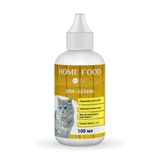
- Add Omega-3 and Omega-6 fatty acids to the diet — they strengthen the coat, reduce shedding, and support skin health.
Recommended products

Salmon oil for skin health & coat shine in dogs and cats, 100 ml
Buy
Which Hairball Remedies Should You Choose?
If basic prevention isn’t enough, consider stronger solutions:
- Hairball paste. Special pastes help prevent hairball formation and ease their passage through the digestive system.
Recommended products

AnimAll VetLine Malt phytopaste for hair removal from cat stomach, 100 g
Buy
ECO PASTE Vitomax for hair removal in cats, 100 g
Buy - Special hairball-control foods. Some brands offer fiber-enriched formulas that improve hair digestion and reduce hairball formation.
Recommended products

HOME FOOD Dry Food for hair removal from stomach for spayed/neutered adult cats — Turkey & Berries Hairball Control For sterilised/neutered, 10 kg
Buy - Hairball treats. Some treats contain fiber and other ingredients that support coat health and help eliminate hair from the intestines.
Following these simple rules improves your pet’s quality of life, reduces the unpleasant consequences of hair accumulation in the stomach, and saves you from the “scary sounds” of vomiting or coughing.