HOME FOOD Blog: What You Should Never Feed a Cat
What You Should Never Feed a Cat
Feeding cats is a serious responsibility that should be approached thoughtfully. Many owners choose food based only on price or because “the cat wants it,” without considering how balanced and beneficial it really is. However, skimping on nutrition can lead to a deficiency of essential nutrients, vitamins, and minerals needed for health, development, and longevity.
Even if a cat initially dislikes a certain food, it’s worth choosing high-quality products — they provide the body with everything it needs. Cheap commercial foods often contain flavorings, taste enhancers, and fillers that make a cat eat even less-than-healthy food. That’s why even in well-off families, cats sometimes prefer cheap kibble from a kiosk over a more balanced and healthier option.
The right approach to feeding includes paying attention to the ingredient list, nutrient balance, and regular feeding schedule. Only then can you be sure your pet is getting everything necessary for an active and long life.
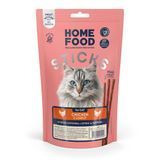
Some cats are extremely picky, and pleasing them can be really difficult. The solution is natural toppers or sauces that improve the taste and aroma of the food.

Meat Topping for Cats, 100 g
Buy
Why You Should Never Feed a Cat from the Table
Some owners believe that if a cat begs for food, it’s “natural” and it’s okay to give her scraps from the table — borscht, cutlets, pasta. However, this must never be done.
A cat is a predator; its body primarily needs animal protein. It requires very little fiber and only a moderate amount of fat. Human food, on the contrary, contains an excess of carbohydrates and fats that do not match the natural needs of the animal. So unless you eat only boiled chicken and carrots, you should not feed your cat your food. This approach harms her health and can lead to weight problems and digestive disorders.
Foods You Should Never Give a Cat
Cats should not be given a number of products due to their harmfulness or poor digestibility:
1. Canned and pickled foods
Pickled mushrooms, fish, vegetables, and other preserves contain too much salt, vinegar, and spices — harmful to a cat’s stomach.
2. Salty and sweet foods
Chocolate, candy, jam, and very salty products are toxic or disrupt metabolism.
3. Fried food
Greasy fried food is poorly digested and causes digestive upset.
4. Pork
Fatty meat; raw pork can also infect cats with parasites.
5. Milk and dairy products
Adult cats lack enzymes to digest lactose, which can cause diarrhea.
6. Liver
Raw liver causes stomach upset; cooked liver causes constipation due to high density and nutrient concentration.
7. Bones
Can get stuck in the throat, stomach, or intestines and injure internal organs.
8. Potatoes
Boiled potatoes are useless — starch is not digested in the stomach.
9. Legumes
Beans and other legumes are hard to digest and cause bloating.
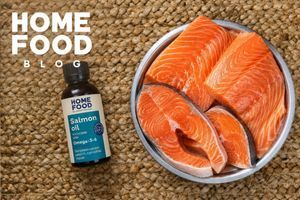
10. Fish
Excess fish leads to vitamin K deficiency and increases the risk of urolithiasis.
11. Coffee and tea
Caffeine causes hyperactivity and puts strain on the heart and nervous system. Don’t leave half-empty cups within reach.
12. Dangerous vegetables
Very harmful: avocado, broccoli, garlic, onion, tomatoes. Other vegetables are acceptable in moderation.
13. Raisins and grapes
Toxic to cats; poisoning can occur even from a small amount.
14. Nuts
Contain excess phosphorus — dangerous for the kidneys. If a cat plays with a nut, better remove it as a potentially dangerous “toy.”
15. Dog food
The composition of dog food does not meet feline needs. Regular feeding with it leads to nutrient deficiency and weight loss.
16. Mushrooms
Raw or cooked mushrooms are not digested and can be toxic.
If your cat has eaten a forbidden product and shows digestive problems — use sorbents and preparations to restore gastrointestinal function.

Detox Pro Enterosorbent for Body Detoxification HOME FOOD Expert, 30 ml
Buy
Probiotic & Enzymes for Gut Microbiota Restoration ImmunoBiotic Pro HOME FOOD Expert, 20 g
Buy
Symbiotic for Digestion and Immunity Support HePawSyn HOME FOOD Expert, 250 g
Buy
If neurological symptoms appear (tremor, lethargy, apathy, temperature changes) — contact a veterinarian immediately.

What else is not recommended for cats?
There’s a widespread myth that cats especially love fish and milk. In reality, these products are unnecessary and can be harmful.
Milk:
Adult cats often lose the ability to digest lactose. Even a small amount can cause nausea, vomiting, or diarrhea. Symptoms aren’t always obvious, and cats don’t complain about pain, so milk and full-fat sour cream are strictly forbidden. Instead, choose safe commercial cat treats specifically designed for their digestion.
Fish:
In the wild, cats do not catch or eat fish. Excess fish disrupts nutrient balance and increases the risk of urinary tract problems. River fish may also contain parasites.
Summary:
A proper diet is the key to a cat’s health and well-being. By avoiding harmful foods and table scraps, you help your pet get all the necessary nutrients, stay active, and prevent digestive and urinary system issues.

HOME FOOD Dry Food for Spayed/Neutered Adult Cats Rabbit & Cranberry For sterilised/neutered, 1.6 kg
Buy
HOME FOOD Dry Food for Picky Spayed/Neutered Adult Cats Chicken & Liver For sterilised/neutered Gourmet, 10 kg
Buy
HOME FOOD Dry Food Healthy Skin & Shiny Coat for Adult Cats Turkey & Salmon, 1.6 kg
Buy
Grain-Free Hypoallergenic Dry Food HOME FOOD for Adult Spayed/Neutered Cats Duck & Pear, 400 g
Buy
HOME FOOD Dry Food for Spayed/Neutered Adult Cats “Chicken & Fish” Sterilised Balanced Formula, 10 kg
Buy