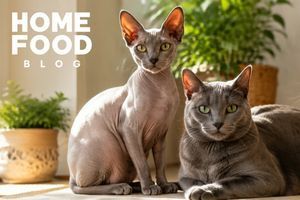
📌 HOME FOOD Blog: Care for Exotic Cat Breeds
Care for Exotic Cat Breeds
Cats are not only pets but also true aristocrats of the animal world. Among the many breeds, exotic cats deserve special attention — graceful, vibrant, sometimes unusually looking animals that captivate with their unique appearance and character. Caring for such cats requires not only love but also deep knowledge of their features, physiology, and needs. Therefore, it is important to understand which breeds are considered exotic.
Which Breeds Are Considered Exotic: Official Classification
The term "exotic breed" does not always imply rarity or decorativeness — it is often based on the standards of international feline organizations. In Ukraine, the classification recognized by FIFe (Fédération Internationale Féline) — one of the most influential feline federations in the world, of which the Ukrainian Feline Association (UFS) is a member — is officially in effect.
According to the FIFe classification, exotic cat breeds include those with an unusual appearance, origin, or rare population. Conventionally, the following breeds are considered exotic under this system:
- Exotic Shorthair — a breed developed as a shorthaired counterpart to the Persian, with a similar "doll-like" face and rounded body.
- Savannah — a result of crossing a domestic cat with an African serval, characterized by spotted coloring and tall stature.
- Bengal — a hybrid of a domestic cat and an Asian leopard cat, known for its wild coloring and active temperament.
- Singapura — one of the smallest breeds in the world, with large eyes and delicate, short fur.
- Korat — an ancient Thai breed with silver-blue coloring and an intelligent character.
- Ocicat — a domestic cat with the appearance of a wild cat, but fully developed in a domestic environment without wild genes.
This is only a part of the list, which varies depending on the classification. Next, we will explore the specifics of caring for these and other representatives of exotic cat breeds — from housing conditions to diet.
What Are Exotic Cat Breeds Like? Classification by Key Characteristics
Exotic cat breeds not only amaze with their appearance but also significantly differ from each other in physical parameters, character, and genetic features. To better understand the individual needs of each breed and provide proper care, it is important to have a systematic understanding of their key characteristics. In the following table, we have summarized the most common breeds, dividing them by five criteria: size, coat type, character, physiological features, and genetic risks. This classification will help owners choose not only a beautiful but also a healthy pet.
Classification of Exotic Cat Breeds
| Breed | Size | Coat Type | Character | Physiological Features | Genetic Features |
|---|---|---|---|---|---|
| Savannah | Very large | Short, dense | Active, independent, affectionate | Long legs, high energy level | Hybrid with wild serval |
| Bengal | Medium/large | Short, silky | Playful, intelligent, sociable | Muscular build, increased activity | Hybrid with Asian leopard cat |
| Exotic Shorthair | Medium | Short, dense, plush | Calm, affectionate, loyal | Flat face, like a Persian | Inherits Persian breed genetics |
| Singapura | Small | Short, fine | Quiet, gentle, curious | Very small size, large eyes | Genetically stable, small population |
| Korat | Medium | Short, glossy | Affectionate, loyal, balanced | Distinctive heart-shaped head | Ancient, natural breed |
| Ocicat | Medium/large | Short, spotted | Energetic, social, obedient | Athletic build, well-developed muscles | Artificially bred, no wild blood |
| Caracal-domestic hybrid (not recognized by FIFe) | Large | Short | Territorial, reserved | Ears with tufts, very strong hind legs | Hybrid of caracal and domestic cat |
This table demonstrates how diverse exotic breeds can be across all criteria.

Caring for Exotic Cats: How to Maintain the Health and Beauty of Unique Breeds?
Coat Care
The coat of exotic breeds can significantly vary in texture, density, and length — from short and plush, like that of the Exotic Shorthair, to dense with a wild pattern, like that of the Bengal or Savannah. Accordingly, coat care must be tailored to the specific breed.
Short-haired exotics require regular brushing (1–2 times a week) with a soft-bristled brush to remove dead hair and prevent dandruff.
Breeds with dense undercoats, such as Exotics and Ocicats, may require additional seasonal grooming, especially during shedding periods.
Hybrid breeds, like the Savannah or Bengal, typically have silky fur that does not mat but may need light wiping with damp wipes to maintain its shine.
Bathing is recommended no more than once every 1.5–2 months (or as needed), using professional sulfate-free shampoos designed specifically for cats. It’s worth remembering: improper coat care can cause skin irritation or even stress in the animal.

Shampoo "Perfect Care" for Dogs and Cats Total Care HOME FOOD Beauty, 200 ml
Buy
Conditioner "Silky Touch" for Dogs and Cats Silky Touch HOME FOOD Beauty, 200 ml
Buy
Set for Dogs and Cats HOME FOOD Beauty: Shampoo "Perfect Care" 200 ml + Conditioner "Silky Touch" 200 ml
Buy
Ear, Eye, and Dental Hygiene: Small Details That Shape Health
Exotic cats require regular monitoring of the condition of their ears, eyes, and teeth, as these areas are often the first to signal general health issues. Ears should be checked weekly: they must be clean, without unpleasant odors or dark buildup; if necessary, clean them with a special cat-safe lotion. Eyes, especially in brachycephalic breeds (Exotic Shorthair), are often prone to excessive tearing, so they should be gently wiped with a soft cloth soaked in saline solution or as recommended by a veterinarian. Teeth should be brushed at least once a month using veterinary toothpaste and a brush — this helps prevent gingivitis, tartar, and bad breath. Regular hygiene of these areas is not only key to a good appearance but also an important measure for preventing chronic diseases.

Oral Hygiene Set for Dogs and Cats Enzymatic Virbac
Buy
Ear Cleaning Lotion for Dogs and Cats Epi-Otic Virbac, 125 ml
Buy
Trixie Eye Care Wipes for Dogs and Cats, 30 pcs
Buy
Trixie Ear Care Lotion for Dogs and Cats, 50 ml
Buy
Physical Activity: The Key to Health and Stable Behavior
Regardless of size or origin, exotic cats need daily physical activity that matches their natural instincts and temperament. Active breeds, such as Bengals, Savannahs, or Ocicats, require more space, vertical surfaces (cat trees, shelves), and interactive toys that mimic hunting. Without regular exercise, such cats may exhibit destructive or anxious behavior. Less active breeds, like the Exotic Shorthair or Korat, also need playtime but with moderate intensity — 15–20 minutes twice a day is sufficient. Regular activity supports healthy weight, cardiovascular health, and reduces the risk of diabetes and behavioral disorders.
Breeding Exotic Breeds: Responsibility and Specifics
Breeding exotic cats is a complex and responsible process that requires deep knowledge of genetics, health, and breed standards. It is especially important to conduct genetic testing of parents to avoid hereditary diseases, such as polycystic kidney disease in Exotic Shorthairs or cardiomyopathy in Bengals. Pair selection should be based not only on appearance but also on health, temperament, and compatibility. Excessive inbreeding or uncontrolled crossing with wild ancestors can lead to health issues in offspring. For successful breeding, it is also important to maintain proper intervals between pregnancies, provide quality care for the pregnant female, and ensure appropriate conditions for raising kittens.
Psycho-Emotional Well-Being: The Foundation of a Harmonious Life for an Exotic Cat
Exotic cat breeds often have sensitive psyches and require special attention to their emotional state. Stress, lack of interaction, or monotony can cause anxiety, aggression, or apathy. To support psycho-emotional health, it is important to provide regular playtime, social interaction, and a comfortable, safe environment. This is especially relevant for hybrid breeds with wild origins, which require more stimulation and space. The use of pheromones, kazocepine, cat-specific CBD supplements, and establishing a routine schedule can help reduce stress and improve the pet’s quality of life.

CBD Oil 2% Dietary Supplement for Anxiety and Pain Relief Relax Pro HOME FOOD Expert, 10 ml
Buy
Hepatoprotector for Liver Function Support Liver Pro HOME FOOD Expert, 30 ml
Buy
Feeding Exotic Cats: Scientifically Backed Recommendations
Exotic cat breeds have specific nutritional and energy needs driven by their genetics and physiology. As hypercarnivores, cats require high-quality animal protein, as their bodies cannot effectively utilize plant-based proteins. The recommended energy requirement for adult cats ranges from 55 to 260 kcal per kg of metabolic body weight per day, depending on activity level and physiological condition.
Key Dietary Components:
- Highly Digestible and Dietary Protein — the foundation of the diet should be high-quality animal protein sources: duck, chicken, turkey, beef, fish. These ingredients provide the necessary balance of amino acids to support muscle mass and overall metabolism.
- Vegetables and Fruits — in small amounts, they can be added to increase fiber and antioxidant content, supporting digestion and the immune system. For example, apple, pear, pumpkin, carrot, blueberry.
- Prebiotic Complex — including prebiotics (fructooligosaccharides, psyllium, inulin) promotes healthy gut microbiota, improves digestion, and strengthens immunity.
- Omega-3 and Omega-6 Fatty Acids — essential for skin and coat health and reducing inflammation (salmon oil, krill oil, flaxseed).
- Taurine — an essential amino acid for cats, supporting heart function, vision, and reproductive health. Its deficiency can cause serious diseases.
- L-Carnitine — important for energy metabolism, helps maintain optimal body weight, and supports normal heart function.
- Grain-Free Diets — recommended to reduce the risk of food allergies and digestive issues.
- No Preservatives, Flavors, or Artificial Additives — the natural composition ensures no toxic load on the cat’s body and reduces the risk of allergic reactions.

Grain-Free Hypoallergenic Dry Food for Adult Spayed/Neutered Cats Duck and Pear Grain-free hypoallergenic. Suitable for exotic breeds, 1.6 kg
Buy
Dry Food for Healthy Skin and Shiny Coat for Adult Cats Turkey and Salmon Healthy skin and shiny coat, 1.6 kg
Buy
Dry Food for Musculoskeletal Support for Adult Spayed/Neutered Cats of Large Breeds Veal with Salmon and Sun-Dried Tomatoes For the support of the musculoskeletal system. For large breeds, 1.6 kg
BuyFeeding Recommendations:
- Feeding Frequency: 2–3 times a day, depending on the cat’s age, activity level, and health.
- Water: Constant access to fresh, clean water is critical to prevent urinary tract diseases.
- Food Selection: Choose foods that meet AAFCO or FEDIAF standards with clearly listed ingredients, a balanced nutrient profile, and manufactured in accordance with quality standards (ISO, HACCP, GMP+).
Caring for exotic cats is a delicate and responsible task that requires understanding their unique needs. It is important to provide not only quality hygiene and physical activity but also balanced nutrition with attention to essential nutrients. Only a comprehensive, caring approach will help maintain their health, vitality, and longevity, fostering a harmonious bond between the owner and their exotic companion.

Drinking Water for Cats for Urinary Tract Disease Prevention, 1 L
Buy
Phytomin for Cats Krill Oil for Recovery After Shedding, 100 ml
Buy