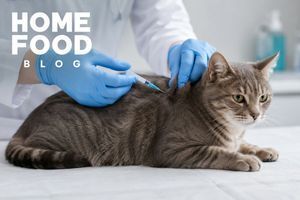
HOME FOOD Blog: False Pregnancy in Cats
False Pregnancy in Cats
False pregnancy in cats (also known as pseudopregnancy) is a phenomenon that can confuse even experienced owners. This condition occurs when a cat’s body exhibits all the signs of pregnancy even though no conception has taken place. The cat may change her behavior, gain weight, and even start producing milk — but all these symptoms are caused by hormonal changes, not an actual pregnancy.
False Pregnancy in Cats: What Is It?
False pregnancy is a condition triggered by hormonal imbalance in which the cat displays all the classic signs of pregnancy without any kittens on the way. Similar to humans, it can be provoked by psychological or nervous factors. Physiologically, the corpus luteum (formed in the ovary after ovulation) does not regress as it should and continues to produce pregnancy hormones. As a result, the cat may produce milk and behave like a nursing mother.
“False Start”: What Causes It?
The most common cause is an unsuccessful mating — intercourse occurred, but fertilization did not. Hormonal fluctuations, individual characteristics of the cat, and her psychological state can all contribute. Stressful situations (change of owner, moving, etc.) can also trigger hormonal shifts that lead to pseudopregnancy symptoms: abdominal enlargement, behavioral changes, or milk production.
Is It Dangerous?
False pregnancy puts considerable strain on the cat’s body. Repeated hormonal swings increase the risk of mastitis, pyometra, and other hormone-dependent diseases. Even short episodes affect the cat’s physical and emotional well-being.
Behavioral manifestations can be challenging too: the cat may frantically build a “nest,” rush around the house, show aggression, become nervous, hiss, scratch, or bite. This can lead to emotional exhaustion. Therefore, pseudopregnancy should never be ignored — recurring or severe cases require veterinary attention.
How to Recognize False Pregnancy in Cats?
- Physiological signs: the abdomen may enlarge, there can be discharge, swollen nipples, and sometimes milk production. Appetite and body temperature may also change.
- Psychological signs: behavior changes dramatically. Some cats become lethargic and sleep a lot; others become overly excited or aggressive. Most cats look for a cozy spot, dragging the owner’s belongings there to “build a nest.” The cat may carry soft toys, socks, or slippers in her mouth, treating them as kittens.
Can Spayed Cats Experience False Pregnancy?
It is rare in spayed cats, but possible if the surgery was incomplete and ovarian tissue remains. In such cases, the body can still produce hormones that trigger pregnancy-like symptoms. Even after spaying, monitor your cat’s behavior and consult a vet if pseudopregnancy is suspected.

What NOT to Do During False Pregnancy in Cats?
When dealing with false pregnancy, follow these precautions:
- Do not encourage behaviors that reinforce the illusion (building a nest, giving toys as “kittens”). Supporting such activity can prolong the condition.
- Use hormonal medications cautiously — always consult a vet for correct dosage and choice of drug.
- Do not leave the cat alone for long periods; minimize stress. Calming supplements may be helpful if needed.
- Do not restrict food or water. False pregnancy can affect appetite and thirst. Provide free access to fresh water and balanced nutrition to support overall health.

Probiotic & enzymes for gut microbiota restoration ImmunoBiotic Pro HOME FOOD Expert, 20 g
Buy
Dietary supplement CBD oil 2% for anxiety & pain relief Relax Pro HOME FOOD Expert, 10 ml
Buy
How to Respond to the Issue?
If you suspect false pregnancy, contact your veterinarian. If the cat never left the apartment, real pregnancy is unlikely, but an examination (often with ultrasound) will confirm the diagnosis and rule out other problems. The vet can prescribe appropriate treatment if needed.
If milk appears, production can be gradually reduced by limiting nipple stimulation and removing items the cat treats as kittens. In severe or prolonged cases, specific medications may be used to regulate hormones and stop lactation.

Halmolakt Brovapharma — Medication to stop lactation in cats and dogs, 3 ml
Buy
Once the episode is resolved and the cat feels normal again, consider spaying (if she is not intended for breeding). This prevents future episodes of pseudopregnancy and significantly reduces the risk of serious reproductive diseases.
In summary, false pregnancy in cats is a condition that requires attention and monitoring. Timely diagnosis and proper care help minimize stress, protect the cat’s health, and prevent recurrence when necessary.