📌 HOME FOOD Blog: Cat Sneezing: Causes and Treatment
Cat Sneezing: Causes and Treatment
Sneezing in cats is a fairly common occurrence that can worry owners and cause concern for the pet's health. It is not always a sign of a serious illness, but it can indicate the presence of allergies, respiratory infections, or irritation of the mucous membranes. Understanding possible causes of sneezing, monitoring accompanying symptoms, and timely consultation with a veterinarian help correctly select treatment and prevent complications. In this article, we will discuss the most common causes of sneezing in cats and ways to address them.
Main Causes of Sneezing in Kittens
In kittens, sneezing is a frequent symptom, and its appearance can indicate various causes, especially if the animal has not yet been vaccinated.
1. Viral Infections of the Upper Respiratory Tract
- The most common are feline herpesvirus and calicivirus. They cause inflammation of the nasal and eye mucosa, tearing, nasal discharge, and frequent sneezing.
2. Bacterial Infections
- Kittens can easily contract chlamydia or mycoplasma, which provoke prolonged coughing and sneezing, and sometimes purulent discharge.
3. Allergies and Irritants
- Dust, tobacco smoke, household chemicals, or strong odors can cause mucous membrane irritation and sneezing.
4. Foreign Bodies in the Nose
- Small particles of grass, fluff, or sand easily get into kittens' noses, causing episodic or repeated sneezing.
5. Low Immunity in Unvaccinated Kittens
- Without vaccination, kittens are particularly vulnerable to viruses and bacteria, and even mild infections can lead to frequent sneezing and complications.
Main Causes of Sneezing in Adult Cats
In adult cats, sneezing is also a common symptom, and its causes often differ from those in kittens, as they may be related to chronic or age-related changes.
1. Viral and Bacterial Infections
- Even adult animals can suffer from herpesvirus, calicivirus, coronavirus infections in cats, as well as bacterial infections (e.g., chlamydia, mycoplasma). Such diseases often occur under stress, weakened immunity, and in crowded animal environments.
2. Allergic Reactions
- Dust, pollen, household chemicals, smoke, or other irritants can cause sneezing, tearing, and itching in the nasal passages.
3. Chronic Respiratory Diseases
- Rhinitis, sinusitis, polyps, dental diseases can provoke recurring sneezing attacks.
4. Foreign Bodies
- Small particles, dust, or fur from other animals getting into the nasal passages can cause sudden sneezing.
5. Immune and Endocrine Disorders
- Weakened immunity due to chronic diseases (diabetes, thyroid problems) makes the cat more vulnerable to infections and irritants, manifesting as frequent sneezing.
6. Oncological Diseases
- In older cats, tumors of the nasal cavity or sinuses are more common, which can cause constant or progressive sneezing, sometimes accompanied by bloody or purulent discharge.
Which Nasal Discharges in Cats Are Considered Dangerous and What They Might Indicate?
An attentive owner will always notice when the pet's breathing or nose changes. Nasal discharge is not always a sign of illness, but its appearance, color, and consistency can tell a lot about the cat's health. Monitoring such signals helps recognize the problem in time and provide proper assistance. Below is a simple and clear table to help distinguish harmless symptoms from those requiring veterinary attention.
Table: Nasal Discharge in Cats – Danger Level and What to Do
| Character of Discharge | Danger Level | What the Owner Should Do |
|---|---|---|
| Clear, watery, episodic, without other symptoms | Low | Monitor for 24–48 hours. Ventilate the room, remove dust, avoid strong odors. If sneezing stops — it is a physiological reaction. |
| Clear but frequent, accompanied by tearing, mild sneezing | Medium | May indicate a virus (herpes/calicivirus) or allergy. Consult a veterinarian for examination. Maintain hydration and nasal cleanliness. |
| White or cloudy mucous, stringy | Medium – High | Often indicates bacterial infection. Veterinary examination needed, possible swab analysis, antibiotic treatment as prescribed. |
| Yellow, green, thick purulent discharge | High | Sign of purulent rhinitis, sinusitis, or complicated infection. Immediately consult a veterinarian, perform tests, X-ray/CT if necessary. Self-treatment is dangerous. |
| Brown or with blood admixture | High – Critical | May indicate trauma, mucosal ulcers, fungal infection, severe rhinitis, or tumor. Immediate veterinary visit. Do not rinse nose without doctor's recommendation. |
| Red, clearly bloody discharge | Critical | Possible trauma, tumor, clotting disorder, hypertension, or serious infections. Urgent veterinary clinic visit. |
| Unilateral thick discharge (any color) | Medium – High | Possible foreign body, polyp, tumor, unilateral sinusitis. Diagnostic needed (endoscopy/X-ray). |
| With strong odor | High | Odor indicates pus, necrosis, fungal processes, or dental issues. Immediate veterinary examination. |
| Alternating with sneezing attacks, shortness of breath, “wheezing” breathing | High | Possible viral infection, allergy, mucosal edema, or obstruction. Quickly consult a specialist, especially if the cat breathes heavily. |
Why Sneezing in a Cat Is an Important Symptom and When a Veterinary Examination Is Needed
Cats cannot say what hurts, and changes in behavior and physical signs become clues for the owner. If sneezing is frequent, accompanied by nasal discharge, appetite changes, tearing, or lethargy — it is a sign that the cat's body is trying to cope with irritation, infection, or another disorder.
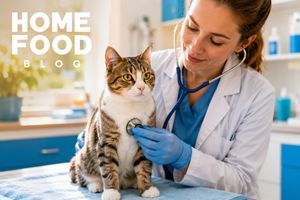
That is why a veterinary examination is a key step. The doctor does not just look at the nose — they assess the condition of mucous membranes, breathing, lymph nodes, eyes, oral cavity, and overall clinical state, helping to understand where the problem originated: in the nose, throat, respiratory tract, teeth, or systemic organs.

What Diagnostics Are Usually Applied?
Veterinarians use various methods depending on symptoms to find the true cause:
- General examination and auscultation — assessment of breathing, mucous membranes, edema, wheezing.
- Blood analysis — shows inflammation, infection, or allergic reaction.
- Nasal swab — helps detect bacteria, viruses, or fungal infection.
- X-ray or CT — used if polyps, tumors, sinusitis, or foreign body are suspected.
- Rhinoscopy — endoscopic examination of nasal passages to detect polyps or foreign particles.
- Dental check — as root diseases can cause sneezing and nasal discharge.
Such examination allows not just to “remove the symptom” but to find the true cause, which is especially important for chronic or progressive sneezing.
The main goal is to help the pet breathe freely and comfortably. Timely examination and proper diagnostics are the safest path to quick recovery.
How to Protect a Cat from Sneezing: Simple Steps for Strong Immunity and Healthy Respiratory Tract
To prevent sneezing and ensure strong immunity, create conditions where the cat's body is maximally protected. Most sneezing causes are viral infections, parasites, allergies, or immunity decline. Daily prevention at home works better than treatment.
Here are the main health components to focus on:
1. Proper Nutrition — the Foundation of Strong Immunity
Choose super-premium foods with high-quality protein, optimal amino acid composition, beneficial fatty acids, and minimal allergens. Such nutrition:
- supports mucous membrane and respiratory tract health;
- reduces risk of allergic reactions and nasal irritation;
- forms stable immunity that better resists viruses.

HOME FOOD Dry Food for Sterilized/Neutered Adult Cats Rabbit and Cranberry For sterilised/neutered, 1.6 kg
Buy
HOME FOOD Dry Food for Kittens Fresh Chicken For kittens 1-12 months, 10 kg
Buy
Hypoallergenic HOME FOOD Dry Food for Sterilized/Neutered Adult Cats Seafood Cocktail Hypoallergenic For sterilised/neutered, 1.6 kg
Buy
HOME FOOD Dry Food for Sterilized/Neutered Adult Cats with Sensitive Digestion Lamb and Salmon With sensitive digestion. For sterilised/neutered, 1.6 kg
Buy
2. Timely Parasite Treatment
Ectoparasites (fleas, ticks) and endoparasites (worms) can provoke not only allergies but secondary infections manifesting as sneezing.
Treatment:
- perform regularly, year-round;
- select based on veterinarian recommendation;

NexGard Combo - Antiparasitic Spot-On Drops Against Fleas, Ticks, and Helminths for Cats (up to 2.5 kg), 1 applicator
Buy
Advocate - Antiparasitic Spot-On Drops Against External and Internal Parasites for Cats and Ferrets up to 4 kg (1 pipette)
Buy
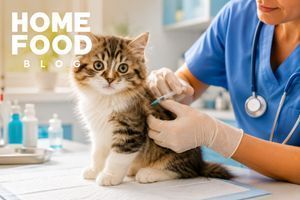
3. Vaccination — Protection Against Dangerous Viruses
Regular vaccination reliably protects against calicivirosis, herpesvirus, and panleukopenia — the most common causes of prolonged sneezing and rhinitis. Even indoor cats need vaccination, as viruses are easily brought in on shoes and clothing.
4. Daily Care and Safe Environment
It is very important to help the cat live in a comfortable and clean environment:
- create a cozy, warm, and safe place without drafts;
- minimize contacts with unfamiliar or unvaccinated cats;
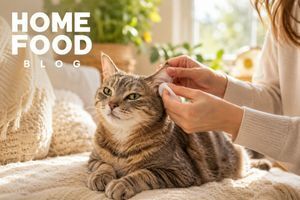
- provide proper grooming: brushing, hygienic shampoo, eye and nose cleaning as needed;
Recommended Products

Optivet by Candioli - Lotion for Eye Care in Cats and Dogs
Buy
HOME FOOD Beauty Set for Dogs and Cats: Shampoo “Perfect Care” 200 ml + Conditioner “Silky Touch” 200 ml + Pink Cosmetic Bag
Buy - maintain home cleanliness, regularly remove dust and fur, use hypoallergenic detergents for washing beds and cat toys.

AnimAll - Gel for Washing Pet Items
Buy
5. Immunity Support — Gentle Disease Prevention
Modern veterinary recommendations emphasize supporting the microbiome and barrier functions with safe supplements.
Add to the diet:
- probiotics and prebiotics — support gut health, directly linked to immunity;
- sorbents — help remove toxins and reduce body load during viral or allergic exacerbations;
- adaptogenic and calming complexes.

Enterosorbent for Body Detoxification Detox Pro HOME FOOD Expert, 30 ml
Buy
Probiotic and Enzymes for Gut Microbiota Restoration ImmunoBiotic Pro HOME FOOD Expert, 20 g
Buy
Dietary Supplement CBD Oil 2% for Anxiety and Pain Relief Relax Pro HOME FOOD Expert, 10 ml
Buy
Adaptogen for Nervous, Endocrine, and Immune System Support Harmony Pro HOME FOOD Expert, 20 g
Buy
Synbiotic for Digestion and Immunity Support HePawSyn HOME FOOD Expert, 250 g
Buy
Phytomins for Cats HOME FOOD Extract "Phytogama" for Cardiovascular System Strengthening, 100 ml
Buy
Such supplements do not replace treatment but significantly reduce the risk of the body “breaking down” under viruses, stress, or allergens and responding with frequent sneezing.
6. Regular Veterinary Check-Ups — the Most Accurate Way to Prevent Problems
Even if your cat appears completely healthy, regular preventive veterinary check-ups are an important part of preventing respiratory diseases and chronic conditions that may manifest as sneezing.
During a check-up, the veterinarian:
- assesses nasal passages, eyes, teeth, and oral cavity;
- checks lungs and heart, ruling out issues manifesting as “coughing or sneezing”;
- performs blood tests, discharge microscopy, X-ray, or ultrasound if needed;
- detects early signs of viral, allergic, or oncological processes the owner may miss.
A regular check-up is not a luxury but a way to preserve pet health — the earlier a problem is detected, the easier and faster it is treated. Scheduled visits 1–2 times a year are the best investment in a long life and a clean nose without sneezing.
Most sneezing causes in cats can be prevented with daily care: quality nutrition, proper grooming, vaccination, regular parasite treatment, and immunity support.