📌 HOME FOOD Blog: Cat After Neutering: What You Need to Know
Cat After Neutering: What You Need to Know
The question of neutering is an important stage that sooner or later confronts both experienced cat owners and those who have just gotten a pet for the first time. The decision requires weighing all the pros, cons, and potential consequences.
Indications for the surgery vary: sometimes it is necessary for medical reasons to preserve the animal’s health, and sometimes it is a matter of the owners’ comfort or the need to regulate the behavior of cats or tomcats living in the same household.
The surgical procedure itself is relatively straightforward. The gonads are removed using a minimally invasive method, and after recovery from anesthesia, the cat can usually return home for further recuperation.
Positive effects of neutering cats
Neutering significantly improves the shared life of cats and their owners in apartments or private homes. The main positive changes observed after the procedure include:
- Behavioral changes: Animals become calmer, more obedient, and affectionate. Aggressive behavior decreases — they are less likely to bite or scratch other household pets that an unneutered cat might perceive as rivals.
- Cessation of unwanted sexual behavior: Cats stop actively searching for females, trying to escape outdoors, and cease loud nighttime “concerts” associated with the reproductive instinct.
- Elimination of marking: Animals stop marking territory with a secretion that has a sharp, persistent, and difficult-to-remove odor.
- Improved health: The risk of developing a number of diseases decreases, including certain genital infections and urinary tract pathologies (e.g., some forms of cystitis).
- Increased lifespan: Neutered cats generally live several years longer than their unneutered counterparts.
If animals of both sexes live in the household, neutering is an effective way to avoid conflicts and unwanted offspring. Additionally, reduced stress and sexual drive make cats more focused and less prone to damaging furniture or owners’ belongings.
Possible negative consequences of neutering
Owners should be aware of potential risks and changes associated with the removal of the gonads:
- Risk of obesity: Due to hormonal changes after neutering, cats often develop increased appetite while their activity level decreases. This can lead to rapid weight gain. Therefore, it is extremely important to carefully control the diet and physical activity of the pet to prevent obesity.
- Retention of unwanted behavior: If neutering is performed after sexual maturity, the cat may continue to exhibit some sexual habits (e.g., “wandering” or vocalizing). Removal of the testicles effectively eliminates the odor of marking, but already established behavioral patterns not fully dependent on sex hormones may persist.
- Risks associated with anesthesia: Anesthesia used during surgery always carries a certain risk. It can affect the cardiovascular system, especially in adult and elderly animals or those with hidden health issues.
Recommendations and postoperative care
To minimize most risks, the surgery is recommended before sexual maturity, usually at 7–9 months of age (depending on the breed).
The procedure itself lasts no more than half an hour, but thorough preparation is required: a necessary examination to identify contraindications and rule out possible complications. Serious health consequences for the cat are rare. After surgery, the veterinarian monitors the heartbeat, ensures successful recovery from anesthesia, and only then releases the pet home.
At home, the cat needs a proper diet, rest, and attentive care. It is important to remember that coordination may be impaired during recovery from anesthesia. The owner should ensure the cat does not fall from heights or injure itself.
Cat behavior after neutering
Neutering, like any surgical intervention, is a significant stress for the animal. Each cat reacts to stress and anesthesia individually. Some pets may be lethargic and apathetic after emerging from anesthesia, while others may be alert or even aggressive. The surrounding environment and anxiety level during preparation for surgery can also affect behavior.
Due to fear and pain, even the most affectionate cats may scratch the owner or veterinarian. It is important to remember that this is temporary: the pet’s mood will gradually normalize, and the pain will pass. The key is not to scold the animal but to surround it with affection and care during this difficult period.
Cats recover from anesthesia fairly quickly and return to their usual lifestyle. Although the exact time of awakening is individual and depends on the overall condition of the body, the animal may take up to 24 hours to fully recover from general anesthesia. General anesthesia leaves the cat weak, disoriented, and may cause nausea or reduced appetite.
When the pet emerges from general anesthesia, it should not be left unsupervised, especially on elevated surfaces (sofa, chairs) from which it could fall and injure itself. Due to impaired coordination, the cat may misjudge jump trajectories or bump into furniture. Lethargy, dizziness, and drowsiness may persist for several more days, so the animal should receive increased attention.
Most cats, feeling pain and fear, tend to hide in quiet, cozy places. If the cat wants to be alone, do not disturb it — provide a comfortable resting spot. It will gradually calm down and return to its normal routine.

Branded blanket with embroidery, 140×200 cm
Buy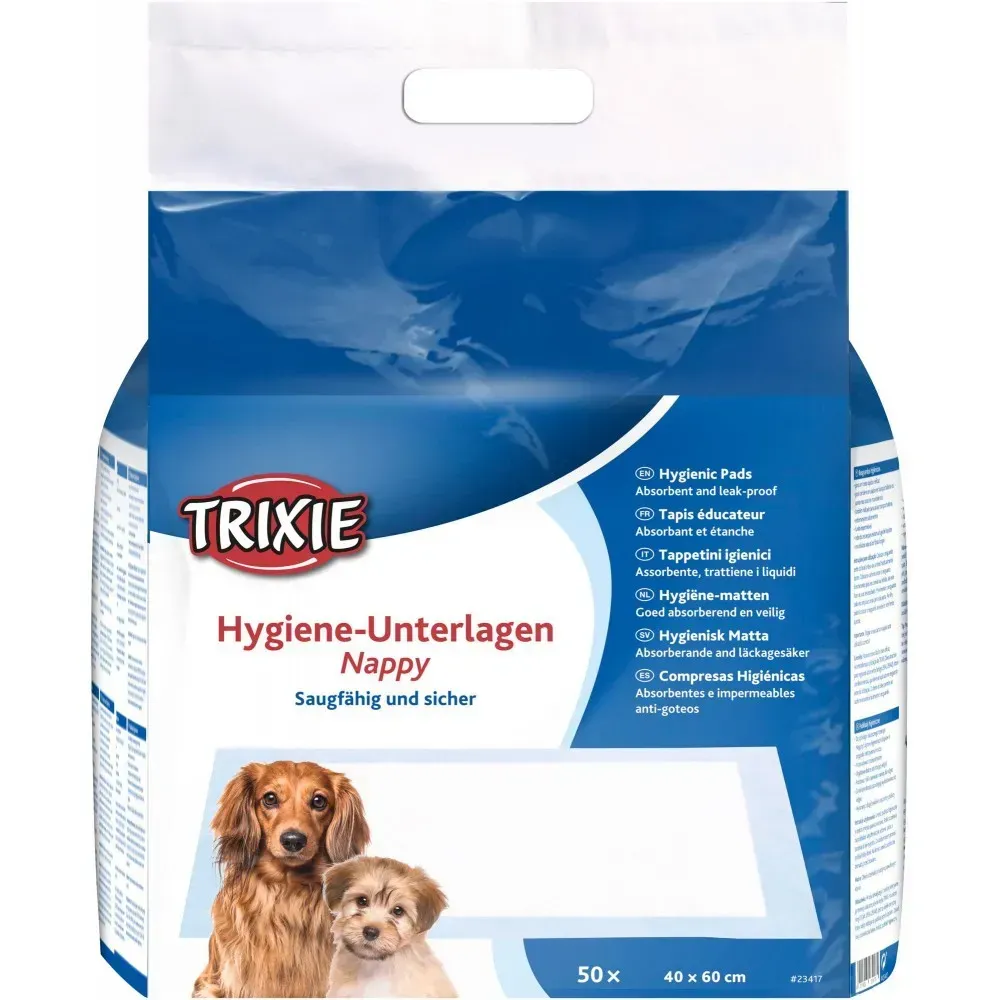
Trixie — absorbent pads for puppies and dogs 40×60 cm, 50 pcs
Buy
Some pets, on the contrary, may be active, meow loudly, or try to run. Such cats require especially close supervision, as impaired coordination can lead to injuries.
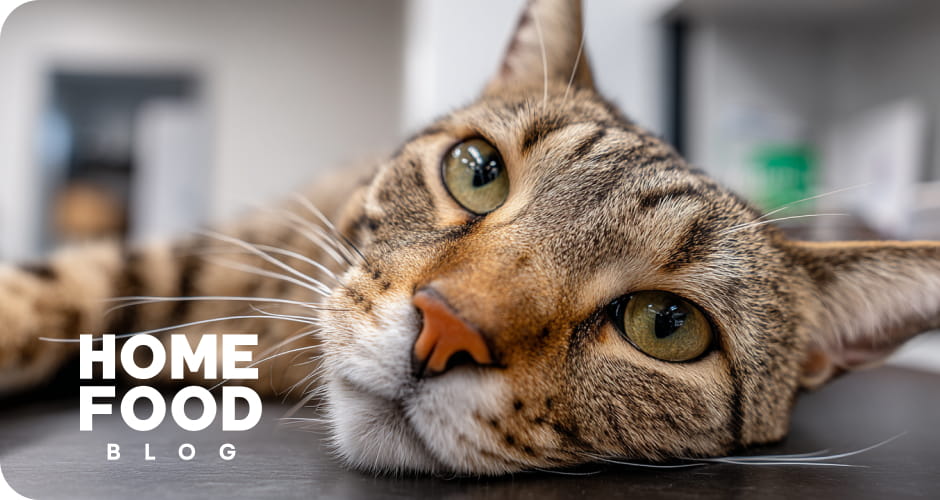
Rehabilitation of a cat after neutering
Rehabilitation after neutering generally does not require special medical procedures. The main thing is to provide the cat with peace and attention if needed. In the absence of complications, the pet returns to normal within a few days.
In the first days, the pet may sleep a lot and eat less. In rare cases, the incision site may bother the animal. Then, as prescribed by the veterinarian, damaged tissues may require treatment with an antiseptic or antibiotic ointment.
In case of severe pain, the doctor may prescribe painkillers. However, if the pet feels well and looks healthy, unnecessary medications should not be given. To reduce stress and anxiety levels, especially in the first days after surgery, a calming oil can be used additionally. Since neutering is considered a minor procedure, most cats fully recover on their own within a week.

Dietary supplement CBD oil 2% to reduce anxiety and pain Relax Pro HOME FOOD Expert, 10 ml
Buy
Adaptogen to support nervous, endocrine, and immune systems Harmony Pro HOME FOOD Expert, 20 g
Buy
Meloxivet suspension 10 ml
Buy
Antibacterial spray for dogs and cats with probiotics for wound healing DermaBona, 100 ml
Buy
What to pay attention to after neutering a cat?
After returning from the clinic, provide the cat with a safe recovery area: on the floor or in a playpen where falling from heights is impossible. It is also important to immediately put on a protective collar (cone) to prevent licking of the wound. Since anesthesia causes thirst, the animal must have access to water; if the cat cannot drink on its own, carefully give water using a syringe without a needle.
For 6–7 days until complete healing, use an empty litter box without filler to prevent particles from entering the wound. Do not scold the pet if it misses the litter box, as this may result from stress and disorientation. Bathing the animal is prohibited for the next month.
Pay special attention to alarming signs: fever, refusal to drink water for more than 24 hours, prolonged weakness or apathy. Immediately contact a veterinarian if you notice pus at the incision site, bleeding more than a day after surgery, as well as shortness of breath, rapid heartbeat, or abdominal pain. Although neutering is a minor procedure, the owner receives full information from the doctor about individual postoperative care, which promotes the pet’s quick return to normal life without hormonal “outbursts.”
What to feed a cat after neutering
You can feed the pet 8–10 hours after neutering, once it has fully recovered from anesthesia and is ready to eat. Fresh water should be available to the cat immediately upon returning home, as anesthesia causes thirst.
The first meal should be light, liquid, and small in volume. It is recommended to offer easily digestible, dietary food, such as a specialized recovery pate (Recovery) or wet food diluted with a small amount of water.
Ongoing diet
The transition to new food should be gradual. Introduce the regular diet carefully, mixing it with the previous food and strictly monitoring portions to avoid overloading the stomach.
After full recovery (in a few days), it is critically important to control food amounts and avoid overfeeding, as neutered cats are prone to weight gain. For ongoing nutrition, choose a specialized commercial food formulated for neutered/spayed cats. These foods are designed with reduced calorie needs and a special mineral balance to support urinary tract health.

Dry food HOME FOOD for neutered/spayed adult cats Rabbit and Cranberry For sterilised/neutered, 400 g
Buy
Grain-free hypoallergenic dry food HOME FOOD for adult neutered/spayed cats Duck and Pear Grain-free hypoallergenic. Suitable for exotic breeds, 400 g
Buy
Hypoallergenic dry food HOME FOOD for neutered/spayed adult cats Seafood Cocktail Hypoallergenic For sterilised/neutered, 1.6 kg
Buy
Dry food HOME FOOD for neutered/spayed adult cats with sensitive digestion Lamb and Salmon With sensitive digestion. For sterilised/neutered, 400 g
Buy
Summary:
Neutering is an important, though responsible, decision that most veterinarians consider necessary to improve the quality and extend the lifespan of a pet. Although the procedure carries certain risks, the benefits — such as reduced aggression, elimination of sexual behavior, and disease prevention — significantly outweigh them. The key to success lies in thorough preparation for the surgery, strict adherence to postoperative diet and care instructions, and attentive monitoring of the animal.