HOME FOOD Blog: Most Common Eye Diseases in Cats
Most Common Eye Diseases in Cats
Eye diseases are a fairly common problem in cats. Even minor changes such as redness or excessive tearing can be signs of serious disorders. In this article, we’ll cover the most common eye diseases in cats and tell you when it’s time to see a veterinarian.
Features of Ophthalmic Diseases in Cats
Eye conditions in cats can be inflammatory or non-inflammatory. Inflammatory processes usually occur due to bacteria, viruses, fungi, or allergens reaching the mucous membrane. Non-inflammatory disorders are more often associated with injuries, anatomical features, or age-related changes.
Most eye problems can be acute or become chronic. Veterinarians identify the following main causes of eye diseases in cats:
- Weakened immunity. Reduced immune defense makes the body more vulnerable to infections.
- Infections. Bacterial, viral, and fungal agents are among the most common causes of eye inflammation.
- Allergies. Can trigger conjunctivitis, itching, and redness.
- Injuries. Scratches, blows, or foreign bodies often initiate inflammation or pain.
- Genetic predisposition. Some breeds are more prone to eye problems.
- Age-related changes. Older cats may develop cataracts, glaucoma, and degenerative processes.
- Parasites. Certain parasitic diseases (e.g., toxoplasmosis) can affect eye tissues.
- Poor nutrition. Deficiency of vitamins and minerals affects the health of the cornea and mucous membranes — which is why high-quality balanced food is essential.
- Chronic stress. Weakens the immune system, increasing the likelihood of infections.
Recommended products

Probiotic & enzymes for gut microbiota restoration ImmunoBiotic Pro HOME FOOD Expert, 20 g
Buy
Dietary supplement CBD oil 2% for anxiety & pain relief Relax Pro HOME FOOD Expert, 10 ml
Buy - Concurrent diseases. Chronic infections, endocrine disorders, and other systemic illnesses can affect the visual system.
Symptoms That Require Your Attention
To avoid missing the onset of eye disease, regularly check your cat’s eyes. Normally, only occasional clear or slightly whitish morning discharge is acceptable. Increased discharge or a change in color is already a warning sign.
Redness or swelling of the conjunctiva, excessive tearing, squinting, or frequent blinking may indicate a problem. Sometimes the cornea becomes cloudy, pupils react abnormally to light, or photophobia appears. Swollen or stuck-together eyelids, pain on touch, hemorrhages, or visible injuries should also raise concern.
If the cat struggles to open an eye, avoids light, becomes irritable, or appears depressed — these can be signs of discomfort or pain. In viral infections, eye symptoms are often accompanied by sneezing or general malaise.
Early recognition of symptoms makes treatment easier, so let’s now look at the most common eye diseases in cats and their features.
Corneal Diseases
The cornea can be damaged by trauma, infection, or autoimmune issues. The most common condition is keratitis — inflammation of the cornea. It manifests as corneal shine and swelling, tearing, and difficulty opening the eye. Certain breeds (Persians, British Shorthairs, Siamese) may have congenital corneal abnormalities and require special attention.
Another serious condition is uveitis — inflammation of the uveal tract (iris, ciliary body, and choroid). It is most often caused by viral or bacterial infections, trauma, autoimmune, or systemic diseases.
In cats with uveitis, you may notice red eyes, discharge, tearing, difficulty opening the eye, and changes in pupil size or shape. The cat may appear anxious, irritable, or avoid light due to pain.
Uveitis requires urgent veterinary care — without treatment, it can lead to vision loss or even loss of the eye. The veterinarian will examine the eye, determine the cause, and prescribe appropriate treatment.

Conjunctivitis in Cats
Conjunctivitis is inflammation of the conjunctiva — the mucous membrane covering the inside of the eyelids and the visible white part of the eye. Causes include infection, allergic reaction, or irritation from dust, chemicals, or foreign bodies.
Cats with conjunctivitis typically have red eyes, discharge, and increased blinking. Sometimes it is accompanied by respiratory symptoms like sneezing, especially in viral cases.
Eyelid Diseases in Cats
A cat’s eyes include not only the eyeballs but also the eyelids and surrounding structures that provide protection. Therefore, any eyelid issues — from inflammation to shape abnormalities — fall under ophthalmology and require owner attention.
Blepharitis is inflammation of the eyelids caused by bacterial/fungal infections, allergies, parasites, autoimmune processes, or irritants (smoke, dust, chemicals). Affected eyelids become red and swollen, with itching, scaling, and sometimes ulcers. The cat may paw at the eyes, blink frequently, or appear distressed.
Entropion is when the eyelid rolls inward, causing eyelashes to irritate the eye surface. It is usually congenital, sometimes acquired. Symptoms include eye irritation, tearing, redness, and difficulty opening the eye. The cat may rub its eyes trying to relieve discomfort.
Prolapse of the third eyelid (ptosis) occurs when the third eyelid membrane weakens or is damaged. This can be congenital or acquired, often linked to age or general health decline. The membrane may partially cover the eye, causing excessive tearing and visual discomfort. The cat may blink more or tilt its head to compensate.
Lens and Fundus Issues: Possible Pathologies
Some eye diseases common in humans also occur in cats — the most frequent being cataracts and glaucoma.
Cataract is clouding of the lens behind the iris, responsible for focusing light on the retina. When clouded, light doesn’t reach the retina properly, leading to partial vision loss or disorientation. Symptoms include cloudy appearance, white/gray film over the pupil, and noticeable vision impairment (bumping into objects, poor reaction to movement).
Glaucoma is increased intraocular pressure due to impaired fluid drainage. Elevated pressure can damage the optic nerve and cause partial or complete blindness. Cats with glaucoma often have red, swollen eyes, show pain, and may have difficulty navigating. The pupil may remain dilated even in bright light.
How to Treat Eye Diseases in Cats: Recommendations
Treatment always starts with an accurate diagnosis. Never self-medicate with drops or ointments — incorrect treatment can worsen the condition and even cause blindness.
First step: veterinary examination. The vet will assess the eyes, perform additional tests if needed (e.g., intraocular pressure measurement, corneal or retinal exam), and identify the cause.
Treatment depends on the diagnosis:
- Bacterial/viral infections → antibiotic or antiviral eye drops/ointments.
- Inflammatory conditions → anti-inflammatory therapy (topical or systemic) to reduce swelling and redness.
- Allergies/irritants → remove the trigger + antihistamines or anti-inflammatories.
- Surgical intervention may be needed for entropion, corneal ulcers, cataracts, or glaucoma.

AnimAll VetLine eye drops for dogs and cats, 30 ml
Buy
Ciflodex drops for treatment of ear and eye diseases in dogs and cats, 10 ml
Buy
Prevention of Eye Diseases
To keep your cat’s eyes healthy, follow a few simple rules. Regularly inspect the eyes, paying attention to the color of the mucous membrane, corneal clarity, and discharge.
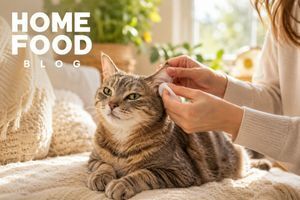
Keep eyelids clean — gently wipe away minor discharge and dust with a clean tissue and special eye hygiene lotions that moisturize the mucosa and relieve irritation.

ProbioDay probiotic eye hygiene lotion for dogs and cats, 50 ml
Buy
Trixie eye care wipes for dogs and cats, 30 pcs
Buy
Timely vaccinations and parasite prevention help avoid infections that can affect the eyes.
Balanced nutrition and immune/eye health supplements also play a major role in preventing many diseases.

HePawSyn symbiotic for digestion & immunity support HOME FOOD Expert, 250 g
Buy
Summary:
Your cat’s eye health depends on early problem detection and professional care. Regular check-ups and attention to changes in behavior and eye appearance help prevent complications and preserve vision. Even minor signs of discomfort are a reason to consult a veterinarian. A comprehensive approach — proper treatment and ongoing support — provides maximum protection and fast recovery from any eye disorders.