📌 HOME FOOD Blog: tips on care, health, and nutrition for cats and dogs. 🩺 Up-to-date articles for caring pet owners ❤️
Heat in dogs and cats – everything you need to know about the cycle, duration, behavioral changes, and care tips during heat

Heat is a physiological process that occurs when a dog or cat reaches sexual maturity. During this period, the levels of sex hormones change significantly, eggs are released, and the body prepares for fertilization. As in humans, female dogs and cats undergo natural physiological changes during this time, accompanied by bloody discharge — this is the heat cycle.
Physiology of Heat
At the beginning of heat, the hypothalamus and pituitary gland stimulate the secretion of gonadotropic hormones, which activate ovarian function. In turn, the ovaries release estrogens and progesterone, which are responsible for follicle maturation and preparing the body for fertilization. In cats, this process is triggered by mating — ovulation is induced, whereas in dogs it occurs spontaneously.
Before heat, the animal’s body accumulates strategic reserves — vitamins, minerals, and amino acids involved in hormone synthesis, cellular metabolism, energy exchange, and the development of the endometrium and placenta. A deficiency in any of these elements can negatively affect fertility and the overall well-being of the animal.

The reproductive cycle in dogs and cats consists of several sequential phases, each characterized by specific physiological signs:
- Proestrus (preparatory phase) — lasts on average 7–10 days. During this period, under the influence of estrogens, vulvar swelling begins, bloody discharge appears, and the animal becomes more excitable, but is not yet ready to mate.
- Estrus (heat phase) — the period when fertilization is possible. It usually lasts 5–9 days. The female accepts the male. Estrogen levels are high and ovulation occurs.
- Metestrus (or diestrus) — the phase after heat, when the body returns to its normal state or pregnancy begins. In dogs, it lasts 60–90 days regardless of whether fertilization occurred.
- Anestrus (resting phase) — a phase of hormonal stability between cycles. It lasts from a few weeks to several months, depending on the breed and individual characteristics.
Understanding the phases of the reproductive cycle is essential for proper mating planning, prevention of pathologies, and timely health support for the animal.
Factors influencing the course of heat
The condition of the endocrine system, particularly thyroid function, plays a crucial role. Hypothyroidism often leads to anovulation or irregular heat cycles. The condition of the blood vessels and connective tissue is also important: poor microcirculation causes hypoxia of the mucous membranes of the reproductive tract, which can hinder embryo implantation.


The cycle is also influenced by stress, obesity, chronic inflammatory processes, parasitic infestations, and unbalanced nutrition.
Hormonal regulation options
Modern veterinary medicine offers a wide range of hormonal medications capable of regulating heat. However, using them without clinical supervision can lead to serious consequences, including endometritis, ovarian cysts, or hormone-dependent tumors. Therefore, such methods should only be used on the recommendation of a veterinarian.
Alternative methods for supporting reproductive health
Recent studies in veterinary endocrinology demonstrate the positive effects of biologically active supplements (dietary supplements) on the normalization of the reproductive cycle in female dogs and cats. Scientific publications confirm that regular use of nutraceuticals containing B-group vitamins, antioxidants, trace elements (zinc, selenium, manganese), and phytonutrients can help regulate the duration of heat, reduce symptoms of false pregnancy, and improve overall reproductive function.
:strip_icc()/male-ginger-and-white-cat-and-tortoiseshell-and-white-cat-face-to-face--83652566-5c3cd36d46e0fb0001f5cdee.jpg)
Unlike hormonal medications, such supplements do not disrupt the natural mechanisms of cycle regulation.
Importantly, these supplements support not only hormonal balance but also strengthen the immune system, which is critical in the post-estrus period. The use of dietary supplements as part of a preventive program is recommended by modern veterinary associations and is recognized as an effective alternative to pharmaceutical intervention in the reproductive system.
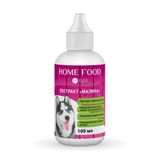
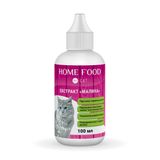
HOME FOOD Raspberry Extract
HOME FOOD Raspberry Extract, derived from raspberry leaves and enriched with iodine and selenium, has shown promising results.
First, Raspberry Extract enhances the tone of the reproductive tract and improves the elasticity of its walls, gently softening the cervix. Second, its biologically active compounds provide multiple benefits:
- antioxidants have analgesic and bactericidal properties;
- R-active compounds protect the capillaries;
- vitamin K promotes blood clotting;
- magnesium supports the cardiovascular system;
- vitamin C strengthens bones and ligaments — this is especially important during pregnancy and lactation.
Raspberry leaves are low in carbohydrates, which helps regulate blood sugar levels and, consequently, hormonal balance. This contributes to the normalization of the endocrine system and an increase in progesterone levels.
Iodine and selenium play a key role in fertility — they support the production of viable eggs and improve their resistance to adverse factors. These nutrients are also critical for the development of a healthy embryo. That’s why it is important that the animal has sufficient reserves of these nutrients during heat.
It is important to consider the effects of raspberry extract on the uterus at different stages. During heat, the phytocomplex is essential for successful fertilization, whereas in the early stages of pregnancy, its use should be discontinued. Closer to delivery, it is reintroduced into the diet to enhance uterine tone, ease labor, and improve milk quality.
Thus, Raspberry Extract provides not only support during heat but also promotes hormonal, immune, and reproductive health throughout the animal’s life.


Phytomin for cats Raspberry extract for preparation for childbirth, 100 ml
Buy
Phytomin for dogs Raspberry extract for preparation for childbirth, 100 ml
Buy
Other recommended feeds and supplements
Among the products that support the body during estrus, pregnancy and lactation:
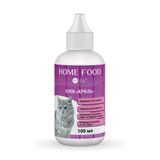
- HOME FOOD Krill and Salmon Oil — sources of Omega-3 that, due to their immunomodulatory and anti-inflammatory properties, help reduce the risk of gynecological complications.
- HOME FOOD Pumpkin Seed Oil — a natural antiparasitic remedy recommended for pregnant and lactating animals (during periods when most chemical anthelmintics are contraindicated).
- HOME FOOD Dog Water with succinic acid and silver nanoparticles — helps strengthen immunity and prevent inflammation in animals that are not intended for breeding.
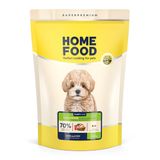
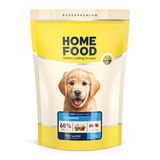
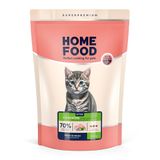
If your pet eats commercial food and you are planning breeding, it is important to ensure the diet is rich in all essential nutrients in advance. It is recommended to feed HOME FOOD for puppies and kittens — from the moment of conception until the end of lactation.

Phytomin for cats oil “Krill” for recovery after molting, 100 ml
Buy
Phytomin for dogs oil “Salmon” for healthy skin and shiny coat, 100 ml
Buy
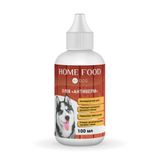
Phytomin for dogs oil "Antiverm" Antiparasitic Remedy, 100 мл
Buy
Drinking water for dogs to support the immune system, 1 L
Buy
If it is necessary to stop heat
In cases where heat must be stopped immediately, a veterinarian may prescribe specific pharmaceutical treatments. These are hormonal medications used strictly under veterinary supervision. For example, Sexanet is used to suppress sexual drive in dogs.