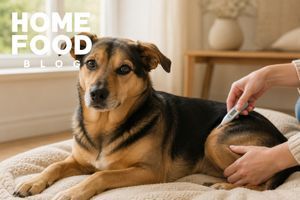
Poisoning in dogs is one of the most dangerous situations an owner can face. Intoxication often develops rapidly: it may be caused by spoiled food, household chemicals, plants, medications, rodent poison, environmental toxins or intentionally placed bait outdoors.
In these cases, it is important not to panic, but to quickly recognize the symptoms, remove the source of danger and contact a veterinarian. Home first aid does not replace treatment at a clinic, but the right first steps can buy valuable time.
Signs of poisoning in a dog
Symptoms depend on the toxin, the amount of substance, the dog’s age, weight and general condition. Often everything starts subtly, so the owner should respond even to mild changes in behavior.
- Early symptoms: lethargy, reduced activity, anxiety or apathy, refusal to eat, increased thirst or reluctance to drink.
- Moderate symptoms: vomiting, diarrhea, excessive drooling, muscle trembling, twitching, unusual breath odor, changes in pupils or eye redness.
- Dangerous symptoms: loss of coordination, difficulty breathing, seizures, a sudden change in body temperature, loss of consciousness, collapse.
If you notice several symptoms from the moderate or severe group, do not wait “until morning.” Call your veterinarian and prepare to go to the clinic.
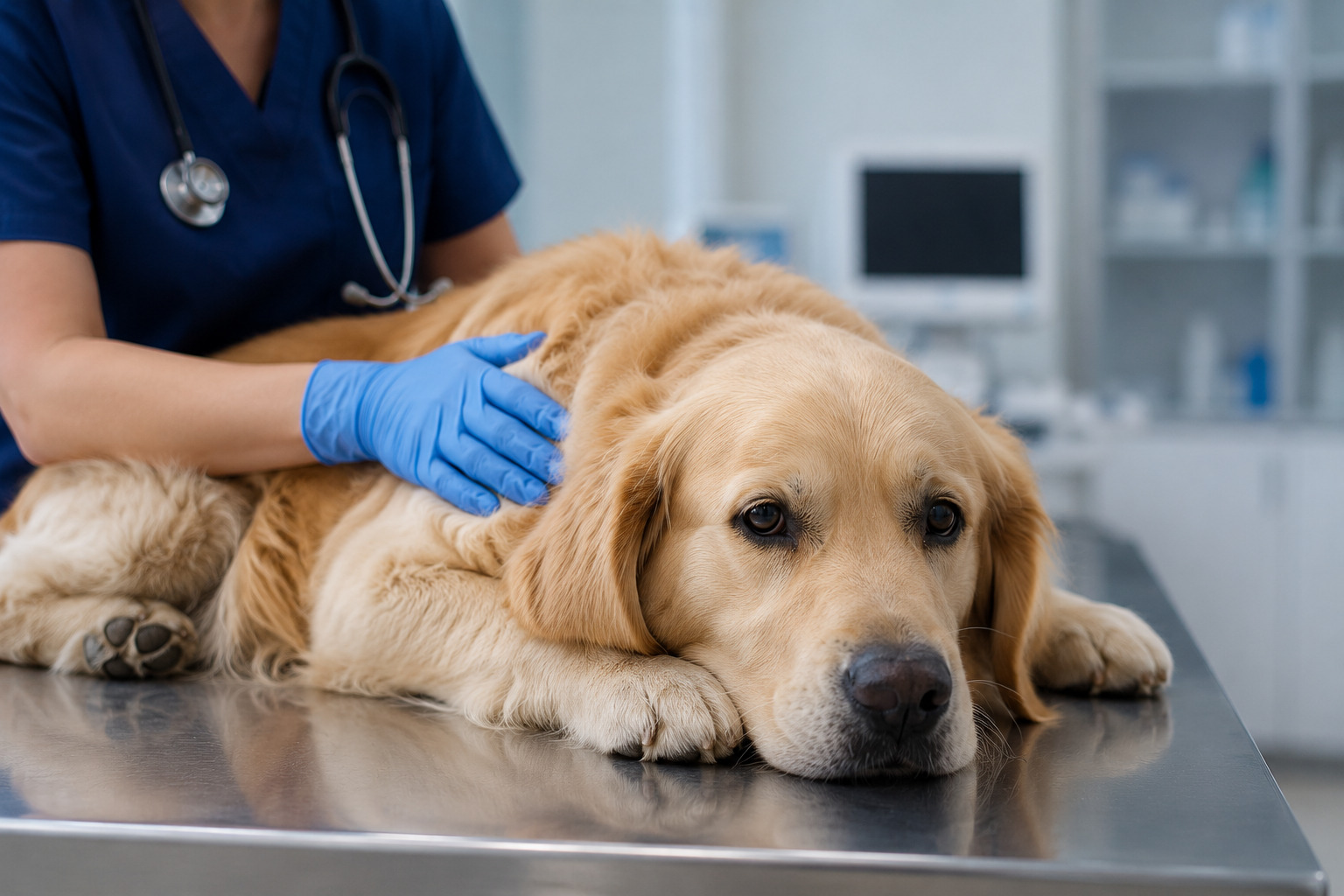

If poisoning is suspected, the main rule is simple: do not experiment with “home antidotes”; contact a veterinarian as soon as possible
The most common sources of poisoning
Poisoning can happen at home, in the yard or during an ordinary walk. The greatest risk comes from substances a dog can swallow, lick from paws or fur, or inhale as fumes.
- Spoiled food: meat, fish, minced meat, moldy products, fatty or expired dishes. Symptoms often appear within 1–12 hours.
- Household chemicals: chlorine products, acids, alkalis, solvents and paints. Mucosal burns, drooling, vomiting, pain and breathing problems are possible.
- Poisonous plants: yew, thuja, dieffenbachia, aloe vera, monstera, lilies and bulbs of ornamental plants.
- Rodents, birds and animal carcasses: risk of parasites, bacterial toxins and secondary poisoning if the dog eats a poisoned rodent.
- Rodenticides: rodent poisons can cause bleeding, weakness, shortness of breath, seizures or nervous system damage.
- Antifreeze, petroleum products, fertilizers: ethylene glycol is especially dangerous because it has a sweet taste and can quickly damage the kidneys.
- Human medications: paracetamol, ibuprofen, diclofenac, antidepressants, sedatives and other drugs not prescribed by a veterinarian.
It is very important for the veterinarian to know what the dog contacted. If you have packaging, a label, a photo of the substance or plant remains, take them with you to the clinic.
First aid: what the owner can do
The first steps depend on the type of toxin, but there is a universal safe algorithm. It helps you avoid losing time and prevents harm before the dog is examined by a veterinarian.
- Stay calm and quickly assess the dog’s condition: consciousness, breathing, coordination, vomiting or seizures.
- Move the dog away from the source of danger and do not allow it to eat or lick the suspicious substance.
- If chemicals got on the fur or paws, gently rinse them off with water without using other products unless advised by a veterinarian.
- Offer water in small portions if the dog is conscious and able to swallow.
- Call the veterinary clinic and clearly name the substance, approximate amount and time of contact.
- Prepare the packaging, a photo of the product, plant or food remains for the veterinarian.
In cases of poisoning with acids, alkalis, petroleum products, antifreeze, medications or rodenticides, do not try to treat the dog yourself. Many toxins require specific antidotes, infusion therapy and monitoring of vital signs.
What not to do
The biggest mistake in poisoning is trying to quickly “neutralize” the toxin with home methods. Some actions can worsen burns, speed up absorption of the substance or complicate the condition.
- Do not induce vomiting unless directly instructed by a veterinarian.
- Do not give milk, oil, alcohol, baking soda or “folk antidotes.”
- Do not give activated charcoal or other medications on your own: in some poisonings this will not help or may interfere with treatment.
- Do not try to stop vomiting without consultation, especially if the cause is unknown.
- Do not wait if there are seizures, blood in vomit or stool, weakness, shortness of breath or loss of consciousness.
Treatment of intoxication always depends on the type of toxin, the amount of substance and the time that has passed since contact. That is why there is no universal home treatment plan.

The best protection from poisoning is not a first-aid kit on the shelf, but daily habits: supervision on walks, a safe home and command training
Preventing poisoning in dogs
Prevention begins long before danger appears: with order at home, training, a high-quality diet and attentiveness during walks.
- Teach from puppyhood commands such as “Leave it!”, “No!”, “Drop it!” and reward the dog for refusing found items.
- Supervise walks: in risky areas, use a leash and avoid suspicious objects, food, puddles with chemicals and trash.
- Make the home safe: store household chemicals, medications, fertilizers and cosmetics in closed cabinets.
- Close trash bins: use bins with lids and do not leave food waste within reach.
- Check plants: toxic indoor or garden species are best kept out of the dog’s reach.
- Use regular parasite treatments and monitor hunting behavior, especially contact with rodents and birds.
If your dog lives in an area with a higher risk of poisoned bait, discuss preventive support with your veterinarian. Enterosorbents may be part of an individual strategy, but they do not protect against strong poisons and do not replace clinical care.
Diet, behavior and stress
Balanced nutrition helps reduce food frustration: a well-fed dog that receives all necessary nutrients is less likely to search for “extra food” outdoors or chew random objects. Treats can be used as a distraction and reward during command training.
A separate risk group includes dogs that chew inedible objects because of anxiety, boredom or compulsive behavior. In such cases, it is worth working on the daily routine, activity level, behavior support and veterinary guidance. Anxiety-reducing products, including CBD or 5-HTP products, are used only as part of a thoughtful support plan.

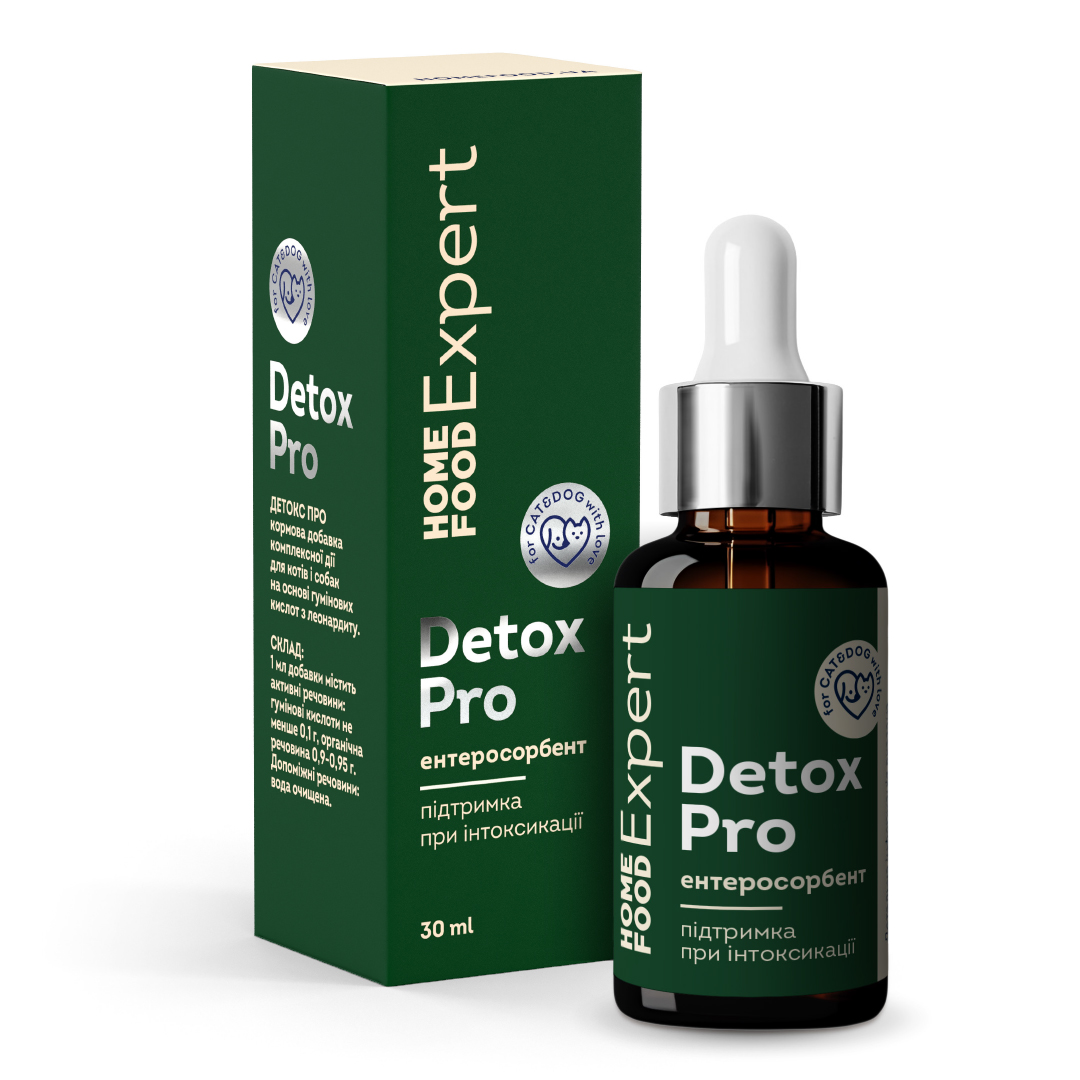
Feed supplement with humic acids Detox Pro HOME FOOD Expert, 30 ml
Buy
Anti-stress feed supplement Harmony Pro HOME FOOD Expert, 20 g
Buy
Dietary supplement CBD oil 2% Relax Pro HOME FOOD Expert, 10 ml
Buy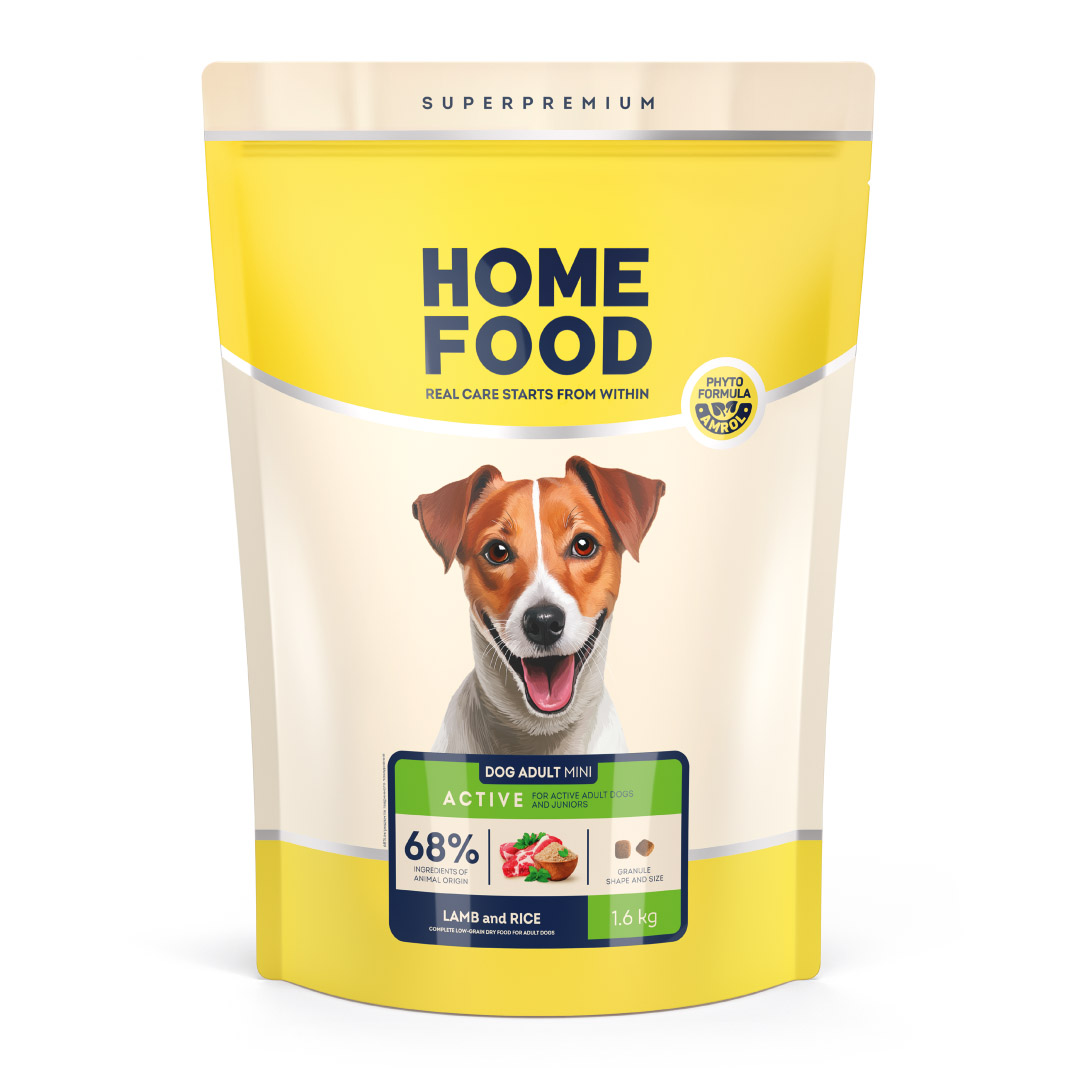
Low-grain dry food for active adult dogs and junior small breeds Lamb and rice, 1.6 kg
Buy
Conclusion
Poisoning in dogs is a situation where every minute matters. But the best way to protect your pet is not to treat the consequences, but to reduce risks every day: teach the dog not to pick things up outdoors, supervise walks, remove dangerous substances at home, maintain a healthy diet and know the first signs of intoxication.
Even an attentive owner cannot foresee everything. So at the slightest suspicion of poisoning, act calmly, do not experiment with home treatment and contact a veterinarian.