📌 HOME FOOD Blog: Scottish Fold Cat: Care and Feeding
Scottish Fold Cat: Care and Feeding
The Scottish Fold cat is not just a breed; it is an exquisite blend of harmony, calmness, and charming appearance. Its large eyes with a soft, trusting gaze, rounded face, and, of course, the legendary ears that gently fold forward and downward, create the impression of the perfect household pet. However, behind this endearing look lies a breed with special needs.
Scottish Folds (especially the folded-ear variety — Scottish Fold) possess not only a unique appearance but also a genetic trait that affects their musculoskeletal system. This requires a careful approach to choosing their diet, care, physical activity, and even living conditions.
In this material, we will explore how to properly care for a Scottish Fold cat, what to feed it, how to avoid health problems, and how to provide the comfort this noble feline deserves.
Where Did the Scottish Fold Come From, and What Lies Behind Its Ears?
The history of the Scottish Fold cat did not begin in Scotland itself but with a single white kitten named Susie, born in 1961 on a farm in the Scottish county of Perthshire. She had unusual ears that did not stand upright but folded forward like a soft cap. This feature immediately caught the attention of local farmer William Ross, who later initiated a breeding program to create a new breed.
The first generations of kittens, born from Susie and crossed with British Shorthair cats, inherited the characteristic ear shape. Thus, the breed emerged, officially recognized in the 1970s. However, the path to popularity was not as straightforward as it might seem.
The genetics of the folded ears turned out to be not just interesting but potentially problematic. It was later discovered that the ear fold results from a mutation in the gene responsible for cartilage tissue. Unfortunately, this same gene also affects the formation of bones in the limbs and spine, which can lead to painful conditions—particularly osteochondrodysplasia (a disorder of cartilage and bone development).
Therefore:
- Breeding two folded-ear cats is strictly prohibited, as the offspring almost always suffer from severe musculoskeletal disorders;
- Only pairs of folded-ear and straight-ear (Scottish Straight) cats are permitted—this combination reduces health risks.
This knowledge has shaped a responsible approach to breeding the breed in Europe and worldwide. Thanks to proper selection and veterinary oversight, Scottish Folds have become not only beloved by many families but also a breed that can live long and happily—provided they receive proper care and nutrition.
Another Silent Threat: Heart Diseases in Scottish Cats
Besides musculoskeletal issues, Scottish Fold cats may be prone to another serious problem—hypertrophic cardiomyopathy (HCM). This is the most common heart disease in cats, which, unfortunately, can develop without obvious symptoms and affect even outwardly healthy animals.
Hypertrophic cardiomyopathy is the thickening of the heart muscle walls, which disrupts the normal contraction and relaxation of the heart. In Scottish Folds, this can be an inherited condition, especially if there are British Shorthair ancestors in the lineage, which also have a genetic predisposition to HCM.
What makes this condition dangerous?
- Reduction in the heart chamber volume → less blood reaches the organs → weakness, lethargy, shortness of breath.
- Possible sudden fatal incidents in young age, especially without diagnosis.
Can it be detected in time?
Yes. Responsible breeders conduct echocardiography (heart ultrasound) on parent pairs before breeding. Owners are also recommended to have an annual cardiac examination for their cat starting at 1.5–2 years old, even in the absence of complaints.
What’s the Difference Between British and Scottish Cats—and Who Is at Risk?
At first glance, British Shorthair and Scottish Fold (or straight-ear) cats are very similar: rounded faces, soft plush fur, sturdy builds, and calm temperaments. However, despite their outward resemblance, these are distinct breeds with separate standards and genetic traits.
Key differences:
| Trait | British Shorthair | Scottish Cat |
|---|---|---|
| Origin | Great Britain, developed in the 19th century | Scotland, beginning in the 1960s |
| Ear Shape | Straight, large, widely set | Folded (Fold) or straight (Straight) |
| Temperament | Independent, reserved, less interactive | Social, affectionate, loves company |
| Skeleton and Legs | Strong, robust, without abnormalities | Possible cartilage mutation (osteochondrodysplasia) |
| Predisposition to HCM | High! | Also possible, especially in lines with British ancestry |
| Who is more prone to hypertrophic cardiomyopathy? | British Shorthairs have a higher predisposition, but the risk also exists for Scottish cats, especially those with British genetics. | |
Who is more prone to hypertrophic cardiomyopathy?
- British Shorthair cats have a high genetic predisposition to HCM. This is one of the most common heart conditions among representatives of this breed.
- Scottish cats (both Fold and Straight) may also carry HCM, especially if there are British cats in their lineage that were actively used in early breeding stages of the breed.
Conclusion: Regardless of whether it’s a British or Scottish cat, a cardiac examination at least once a year after 1.5–2 years of age is an important part of responsible care.

Are Scottish Cats Vulnerable to Kidney Diseases?
After heart issues, the kidneys are the second risk area for Scottish cats. Particularly from the age of 5, the likelihood of developing chronic kidney disease (CKD), which remains asymptomatic for a long time, increases.
The predisposition to CKD in Scottish cats is linked to:
- reduced activity,
- excess weight,
- protein-rich diets without adequate hydration.
Polycystic kidney disease (PKD), a genetic condition where multiple cysts form in the kidneys, deserves special attention.
How common is PKD in Scottish cats?
PKD is caused by a mutation in the PKD1 gene, which is inherited in an autosomal dominant manner. A single mutated gene is sufficient for the disease to develop.
Studies show:
- The mutation was detected in 6–54% of Scottish cats, depending on the lineage and country.
- In Persians, the frequency is 10–46%, but Scottish cats, especially those with Persian or British ancestry, are also at risk.
Genetic tests for PKD1 are available in Ukraine, recommended before breeding or when purchasing a kitten.
What should an owner do?
- Periodically conduct kidney ultrasounds after 1 year of age.
- Maintain hydration and proper nutrition.
- Timely submit urine and blood tests.
- If possible, test for PKD1, especially if breeding is planned.
By caring for their kidneys and heart, we give Scottish cats a chance for a longer and more comfortable life.
What Should Be in a Scottish Cat’s Bowl? How Diet Affects the Breed’s Health
Perhaps we cannot influence which gene a kitten inherits at birth,
but the diet is a daily resource that allows us to:
- delay the onset of genetic diseases,
- alleviate the course of existing conditions,
- strengthen the heart, joints, and immune system.
And most importantly—extend the active and comfortable life of our pet.
How does proper nutrition help us?
- Ready-made diets adapted for British and Scottish breeds
- Functional feed supplements that support joints, heart, coat, and gastrointestinal tract function,
- Hydration regimen—especially important for Scottish cats, who are genetically prone to kidney issues,
- As well as—feeding schedule, cat weight, and activity level. After all, a sedentary “plush teddy bear” easily gains excess weight, which further burdens both the heart and joints.

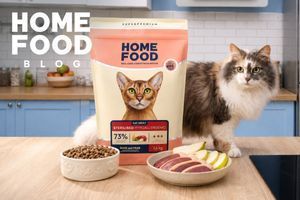
Dry Food for Adult Cats of British and Scottish Breeds Turkey and Duck For British and Scottish breeds. Suitable for large breeds, 1.6 kg
Buy
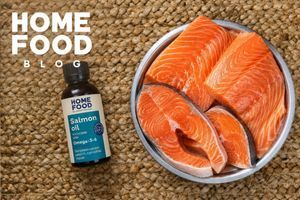
Phytomin for Cats Salmon Oil for Skin Health and Coat Shine, 100 ml
Buy
Drinking Water for Cats for Prevention of Urinary Stones, 1 L
Buy
Hepatoprotector for Liver Function Support Liver Pro HOME FOOD Expert, 30 ml
Buy
What Are the Key Components of Foods and Supplements Important for Scottish Cats?
Proper nutrition for Scottish cats is based on the use of high-quality dietary protein, which supports muscle mass and overall metabolism. Additionally, foods and supplements should contain specialized nutrients that prevent genetically determined diseases and maintain the musculoskeletal system.
Key ingredients include:
- Chondroprotectors—glucosamine, chondroitin, collagen, and methylsulfonylmethane (MSM). They promote joint health, improve cartilage structure, and reduce inflammatory processes.
- Omega-3 fatty acids—effectively reduce inflammation, support the cardiovascular system, and improve skin and coat condition.
- Taurine—an essential amino acid for cats, necessary for the normal functioning of the heart, retina, and reproductive system.
- Carnitine—enhances energy metabolism in mitochondria, supports heart health, and aids in weight control.
- Vitamin B group—plays a key role in energy metabolism, the nervous system, and immune support.
These components, combined with high-quality protein (in foods), determine the super-premium quality of feeds and supplements for Scottish cats.
It’s important to note that foods for Scottish cats have a specially adapted kibble shape, taking into account the unique jaw structure. This kibble facilitates the chewing process, promotes better food breakdown, and reduces strain on teeth and jaw joints, which is particularly relevant for this breed.
In conclusion, the Scottish Fold cat is a true treasure for those who value not only its charming appearance but also a responsible approach to health and care. The breed’s genetic traits pose certain challenges related to the musculoskeletal system, heart, and kidneys. However, proper veterinary oversight, regular preventive check-ups, and a balanced diet with high-quality protein and specialized supplements significantly improve the quality of life for these cats.

Vitamins for Joint Strengthening in Cats Canvit Chondro for cats, 100 g
Buy
Vitamins for Joint and Ligament Health in Cats Dolfos ArthroFos Cat, 90 tablets
Buy
Syrup for Heart Support in Dogs and Cats Dolfos CardioDol, 250 ml
Buy
Vitamins Provet Profiline for Cats Taurine Complex
Buy
Owners of Scottish cats should remember that caring for their health begins with understanding the breed’s unique needs, timely diagnostics, and a responsible choice of diet. Only the combination of all these elements will allow your pets to delight you with activity, beauty, and harmony for many years—because true tenderness lies not only in the curves of their ears but also in the caring attitude toward their lives.