📌 HOME FOOD Blog: Stress in Dogs and Cats
Stress in Dogs and Cats
Stress in pets is not only an emotional challenge but also a significant physiological strain on their bodies. Understanding the mechanisms of stress helps owners better care for their pets, prevent chronic diseases, and ensure a comfortable life.
What Happens in an Animal’s Body During Stress?
When a dog or cat encounters a stressful situation, the hypothalamic-pituitary-adrenal (HPA) axis is activated, leading to the release of stress hormones: adrenaline, noradrenaline, and cortisol. These hormones prepare the body for a "fight or flight" response, increasing heart rate, dilating bronchi and pupils, and mobilizing energy resources. Short-term stress can be beneficial, enhancing cognitive functions and immune response. However, prolonged or repeated stress depletes the body, weakens the immune system, and increases the risk of various diseases.
What Are the Consequences of Chronic Stress for an Animal’s Health?
Chronic stress negatively affects multiple body systems:
- Immune system: Suppressed, increasing the risk of infections and slowing wound healing.
- Skin and coat: Eczema, ulcers, inflammation, and increased hair loss may occur.
- Digestive system: Loss of appetite, vomiting, or diarrhea may develop.
- Cardiovascular system: Increased risk of heart failure, even in young animals.
- Nervous system: Anxiety, aggression, or depression may develop.
These consequences highlight the importance of timely identification and management of stress in pets. For example, studies have shown that chronic stress in cats can lead to gastroenteritis and other gastrointestinal disorders.
What Situations Cause Stress in Dogs and Cats?
Pets may experience stress in various situations:
- Change in environment: Moving, renovations, conflict zones, or the arrival of new family members or animals.
- Loud noises: Fireworks, explosions, thunderstorms, or noisy celebrations.
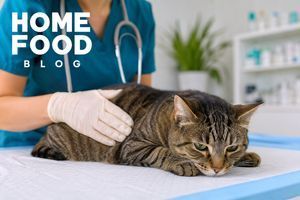
- Veterinary or grooming visits: Unfamiliar environments and procedures can be frightening.
- Transportation: Car, train, or plane travel.
- Social situations: Exhibitions or large gatherings of people or animals.
Understanding these triggers helps owners anticipate and minimize stressful situations for their pets. Studies have shown that during veterinary visits, dogs experience an 11% increase in heart rate and a 16% increase in blood pressure, indicating a stress response.
Is Sedation Safe for Animals in Stressful Situations?
In cases where an animal is overly excited or aggressive, a veterinarian may recommend sedation to reduce stress during procedures or transportation. Modern sedative drugs, when prescribed by a veterinarian, are safe when used correctly and can significantly improve an animal’s well-being. It is crucial to follow the specialist’s recommendations and avoid using medications without consultation. Studies confirm that the presence of the owner during a veterinary visit can significantly reduce stress in dogs, lowering heart rate and cortisol levels.

How to Prevent Stress in Pets?
How to Prevent Stress in Pets?
Stress prevention includes:
- Creating a safe environment: Provide a cozy resting place, especially during loud events.
- Gradual introduction to new situations: Adaptation to new people, animals, or environments should be gradual.
- Regular physical activity and play: Help reduce anxiety and improve mood.
- Use of calming aids: Specialized pheromones, omega oils, treats, music, or natural supplements can help reduce stress.
- Veterinary consultation: A specialist can recommend additional stress management methods if needed.
Providing a stable and supportive environment is key to maintaining your pet’s mental and physical health. Studies have shown that positive interactions with the owner, such as play and affection, can reduce cortisol levels in dogs, improving their well-being.
After reviewing the physiological aspects of stress in dogs and cats, it’s important to focus on available stress-relief solutions. Among them, products based on cannabidiol (CBD) and medicinal herbs deserve special attention.
Classification of Stress-Relief Products for Animals
Stress-relief products for pets can be broadly divided into several categories:
- Pharmacological drugs: Used for severe stress or anxiety disorders.
- Natural supplements: Include products based on medicinal herbs, amino acids, and other natural components.
- Cannabidiol (CBD) products: A new direction in veterinary medicine, gaining popularity due to their potent calming properties.
Medicinal Herbs: Proven Natural Anti-Stress Solutions
Medicinal herbs have long been used to reduce anxiety, improve sleep, and alleviate agitation in pets. Veterinary phytotherapy is based on both traditional knowledge and modern scientific research.
Particularly effective are complex supplements containing:
- Valerian root extract: Has a sedative effect, reduces heart rate, and lowers overall anxiety levels.
- Hawthorn berries: Support heart function, improve blood circulation, and provide a mild cardiotonic effect.
- Calendula flowers: Offer anti-inflammatory and calming effects.
- Nettle: A source of vitamins and trace elements, strengthens overall health.
- Mint: Reduces muscle tension and helps with nervous agitation.
These products may also include iodine and selenium, which support thyroid function, indirectly aiding stress adaptation.
Studies have shown that herbal preparations based on these components demonstrate moderate and “gentle” effectiveness in reducing behavioral signs of stress in dogs and cats (Ramey et al., 2021, Veterinary Therapeutics).

Phytomin for Cats Extract "Fitogama" for Cardiovascular System Support, 100 ml
Buy
Cannabidiol (CBD): A Promising Modern Solution
Cannabidiol is a non-psychoactive compound that interacts with the body’s endocannabinoid system, affecting stress, pain, and emotion regulation centers. Experimental results show:
- CBD helped reduce signs of anxiety in dogs experiencing isolation or car travel (Kogan et al., 2020).
- Several studies identified statistically significant effects on behavior or cortisol levels (Vincenzi et al., 2024).

Dietary Supplement CBD Oil 2% for Reducing Anxiety and Pain Relax Pro HOME FOOD Expert, 10 ml
Buy
When to Expect Results? On Patience, Consistency, and Safety
Natural remedies act gently and gradually but effectively. The maximum therapeutic effect of herbal blends is not immediate—your pet’s body needs time to adjust to a new rhythm. Typically, a consistent calming effect is observed after 7–10 days of regular use. This is due to the cumulative mechanism of action of bioactive compounds that influence the brain’s neurotransmitter systems. Scientific studies confirm that many herbal components, including valerian and hawthorn, show the greatest effectiveness with prolonged use rather than single doses (Bourin et al., 2001, Phytomedicine).
Important note: Certain physiological conditions—such as pregnancy, lactation, or young age (1 to 6 months)—are not absolute contraindications for using herbal remedies. However, they require mandatory consultation with a veterinarian, as even natural substances may interact differently with the body during these periods. Remember: every animal is unique. The primary goal in managing stress is not to suppress symptoms but to create an environment where the animal feels safe and calm. Natural remedies can be a reliable ally in this process if used thoughtfully, with care and love.
A Holistic Approach: The Key to Your Pet’s Mental Health
The best results are achieved by combining comprehensive care, avoiding stressful situations, and supporting the nervous system with natural remedies. Complex herbal supplements are gentle, safe, and proven effective, especially in mild to moderate cases. CBD products are also valuable as an additional tool.