If a dog suddenly stops showing interest in food, it almost always causes concern. And rightly so: loss of appetite in a pet can be linked both to simple changes in routine or stress and to serious diseases that should not be ignored.
The main thing in such a situation is not to panic, but to understand the cause. Appetite is often a good indicator of a dog’s overall well-being, so any persistent changes require careful observation.
In this article, we will look at the main causes of appetite loss in dogs and practical solutions that help restore interest in food and avoid missing dangerous conditions.
Why a dog has stopped eating: main causes
When a dog refuses food, it can be a signal of various problems, from changes in the usual routine to serious diseases. It is helpful to separate behavioral and physiological causes in order to assess the situation more accurately.
- Stress and changes in the environment: new people, animals, moving, or loud events can temporarily reduce appetite.
- Disrupted feeding routine: irregular meals, frequent snacks, or a sudden schedule change can disrupt normal eating behavior.
- Picky eating: refusal of food may be related to its taste, smell, or a sudden change of diet.
Behavioral problems can sometimes be solved quite simply: restore a clear routine, reduce stress, or choose food that suits the dog better. But if appetite does not return, physiological causes should also be considered.
| Group of causes | What may be behind food refusal | What to pay attention to |
|---|---|---|
| Behavioral | Stress, disrupted routine, new food, noise, changes at home | The general condition often remains relatively normal, but the dog eats reluctantly or selectively |
| Food-related issues | Stale food, a sudden switch to a new diet, low taste appeal | The dog may smell the food and walk away, but willingly react to other products |
| Parasites and gastrointestinal tract | Helminths, digestive disorders, intoxication, abdominal pain | Vomiting, diarrhea, weight loss, lethargy, and worsening coat condition are common |
| Systemic diseases | Infections, liver or kidney diseases, allergies, tumors | Weakness, fever, behavior changes, or other warning symptoms appear along with food refusal |


HOME FOOD dry food for adult medium-breed dogs with sensitive digestion "Fish and Rabbit" Sensitive Balanced Formula, 10 kg
Buy


HOME FOOD wet food for adult dogs with beef, salmon, and vegetables in jelly, 360 g
Buy
Relax Pro HOME FOOD Expert — dietary supplement CBD oil 2%, 10 ml
Buy

When a dog does not eat, it is important to evaluate not only the bowl, but also overall condition, mood, stool, activity, and any other changes in behavior
Loss of appetite as a symptom of disease
Sometimes appetite loss is only the tip of the problem. If vomiting, diarrhea, fever, weakness, or weight loss appear along with it, diagnosis should not be delayed.
- Helminth infestation: parasites can cause general weakness, worsening coat condition, vomiting, and diarrhea in a dog. Without treatment, this can sometimes lead to more serious consequences.
- Digestive system diseases: infectious and inflammatory problems of the gastrointestinal tract are often accompanied by abdominal pain, constipation, or diarrhea.
- Intoxication: poisoning from poor-quality food, chemicals, or toxic substances is usually combined with vomiting, diarrhea, and a risk of dehydration.
- Allergies and infections: bacterial, viral, or allergic conditions can reduce appetite along with itching, discharge from the eyes or nose, lethargy, and fever.
- Oral cavity diseases: pain in the teeth, gums, or oral mucosa often leads to a dog wanting to eat but refusing once it reaches the bowl.
- Malignant tumors: prolonged appetite loss, weakness, and rapid weight loss can be signs of tumors and always require examination.
Loss of appetite is not a diagnosis by itself. The more accompanying symptoms there are, the higher the risk that the cause is medical rather than everyday. It is especially dangerous to wait too long with puppies, senior dogs, and animals with chronic diseases.

Zoetis Simparica Trio — tablet against worms, fleas, and ticks for dogs
Buy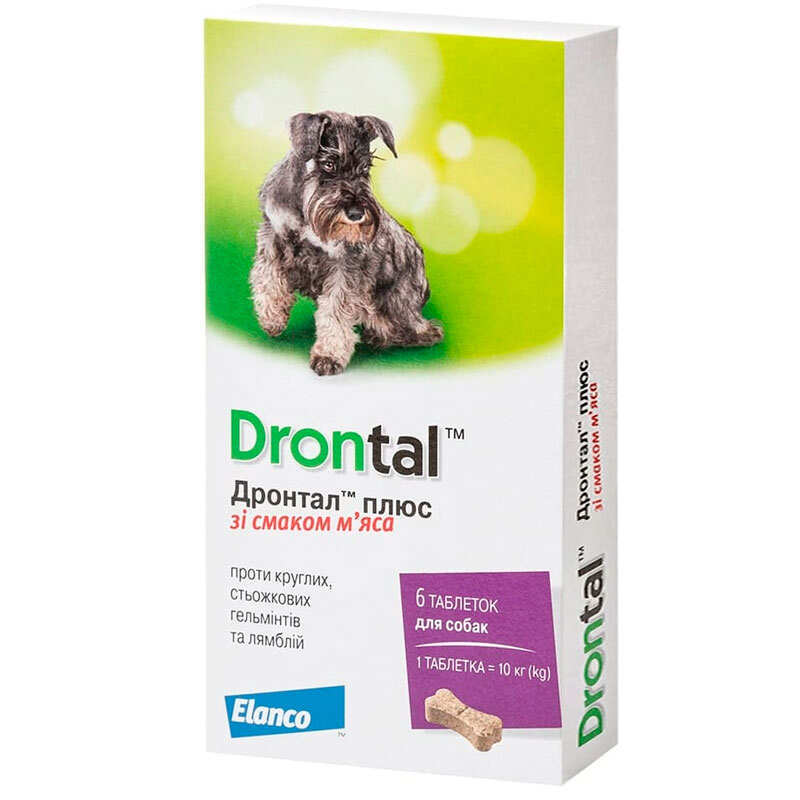
Elanco Drontal — anthelmintic tablet for treatment and prevention of helminth infections in dogs
Buy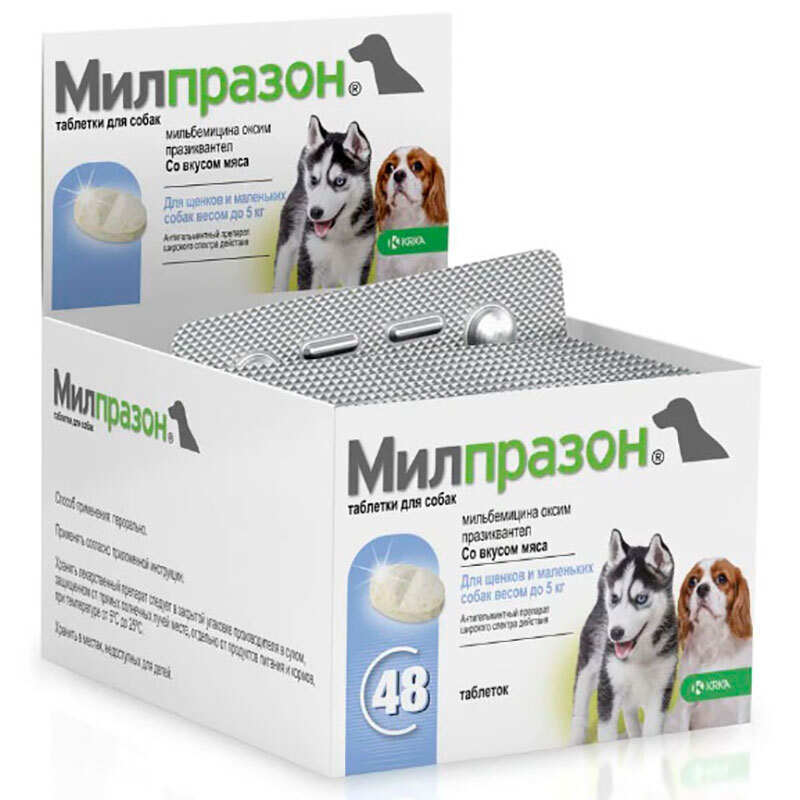
KRKA Milprazon — anthelmintic tablet for dogs
Buy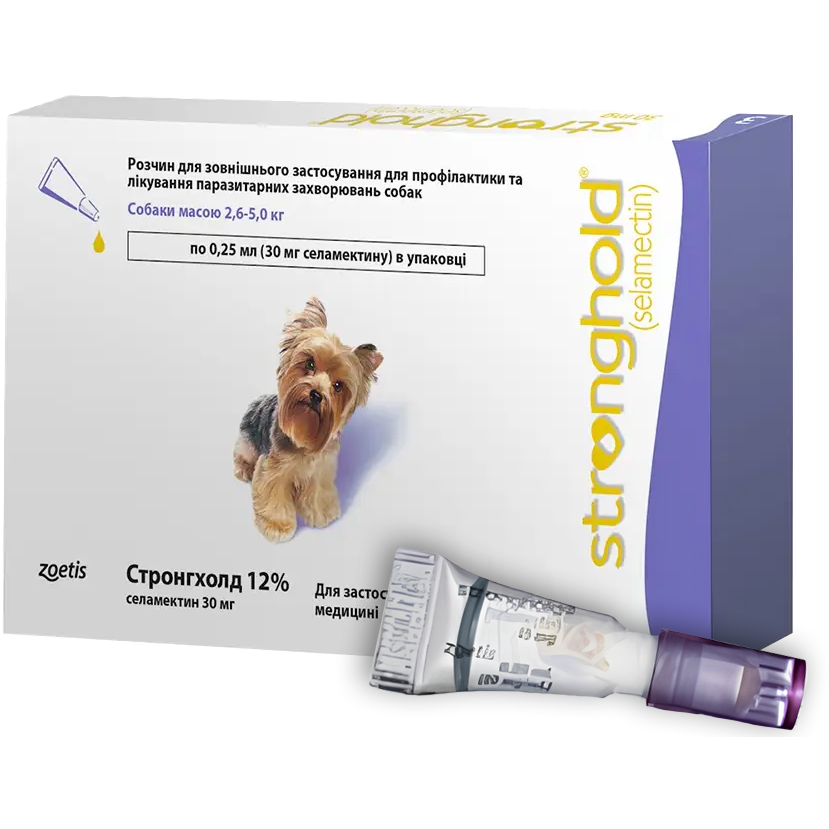
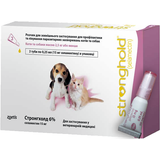
Zoetis Stronghold — Stronghold antiparasitic spot-on drops for dogs
Buy

If food refusal is combined with vomiting, diarrhea, lethargy, or weight loss, this is no longer a situation for prolonged observation at home
How to improve a dog’s appetite
If you have ruled out all serious diseases, but the dog still refuses food, there are several practical steps that help restore appetite and normalize the feeding routine.
Choose high-quality food
A dog should receive fresh, balanced food that matches its age, activity level, and health condition. For picky animals, food with a more pronounced aroma or a combination of dry and wet diets sometimes works better.
Create comfortable feeding conditions
Place the bowl in a quiet spot where the dog will feel calm. During meals, there should be no unnecessary noise, competition with other animals, or constant distractions.
Add variety carefully
A combination of dry and wet food, a small amount of topping, or a gradual switch to another flavor can bring interest back to the bowl. But new products should be introduced gradually.
Maintain a routine
Feed the dog at the same time every day and do not overuse snacks between main meals. This helps restore normal eating behavior.
Do not forget physical activity
Regular walks and movement help stimulate appetite naturally. The higher the energy expenditure, the more likely the dog is to eat willingly.
- A sudden diet change may worsen the situation instead of improving it.
- If a dog eats only treats, this does not mean the problem is only “pickiness.”
- Appetite is easier to restore once it is clear that pain or illness is not behind it.
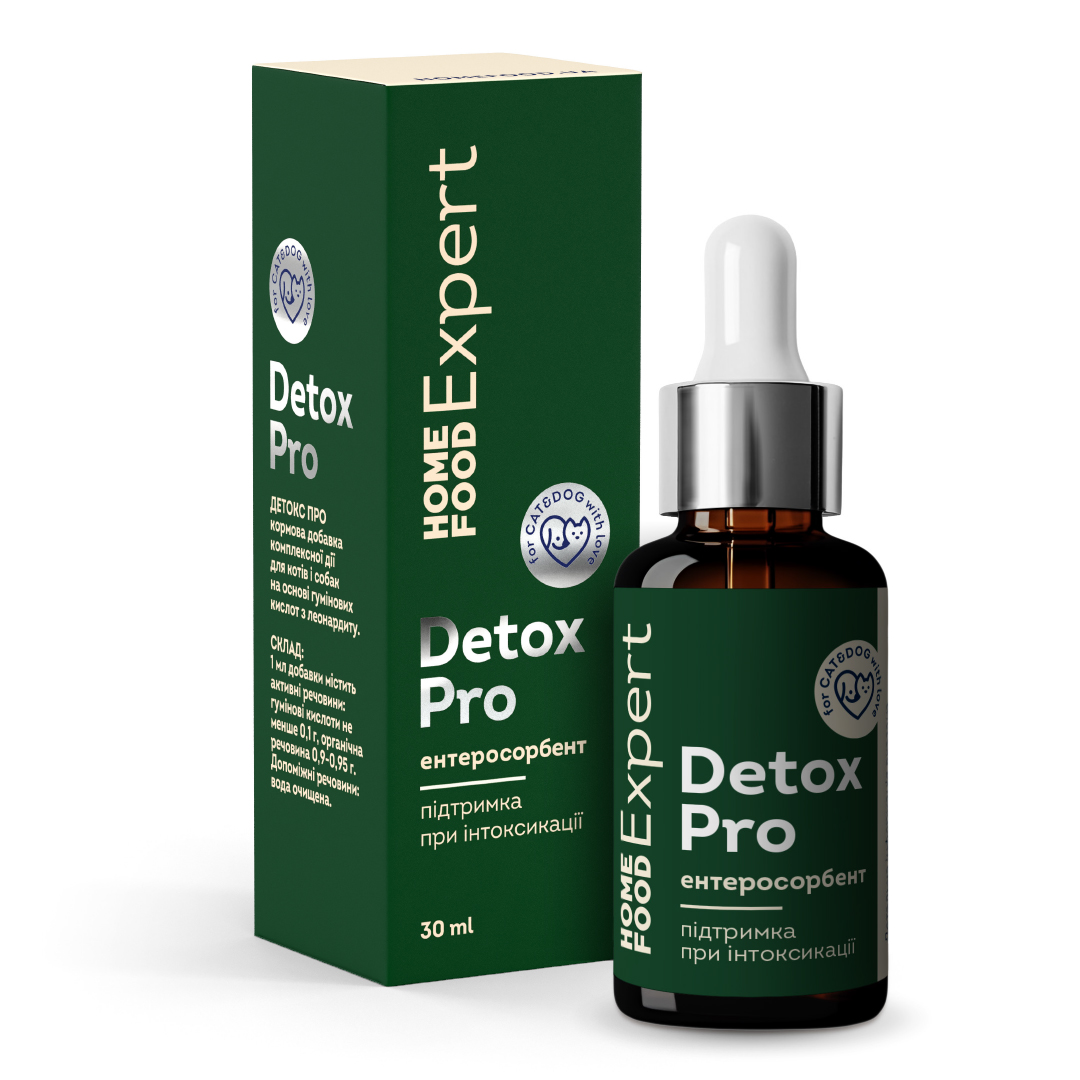
Detox Pro HOME FOOD Expert — feed supplement with humic acids, 30 ml
Buy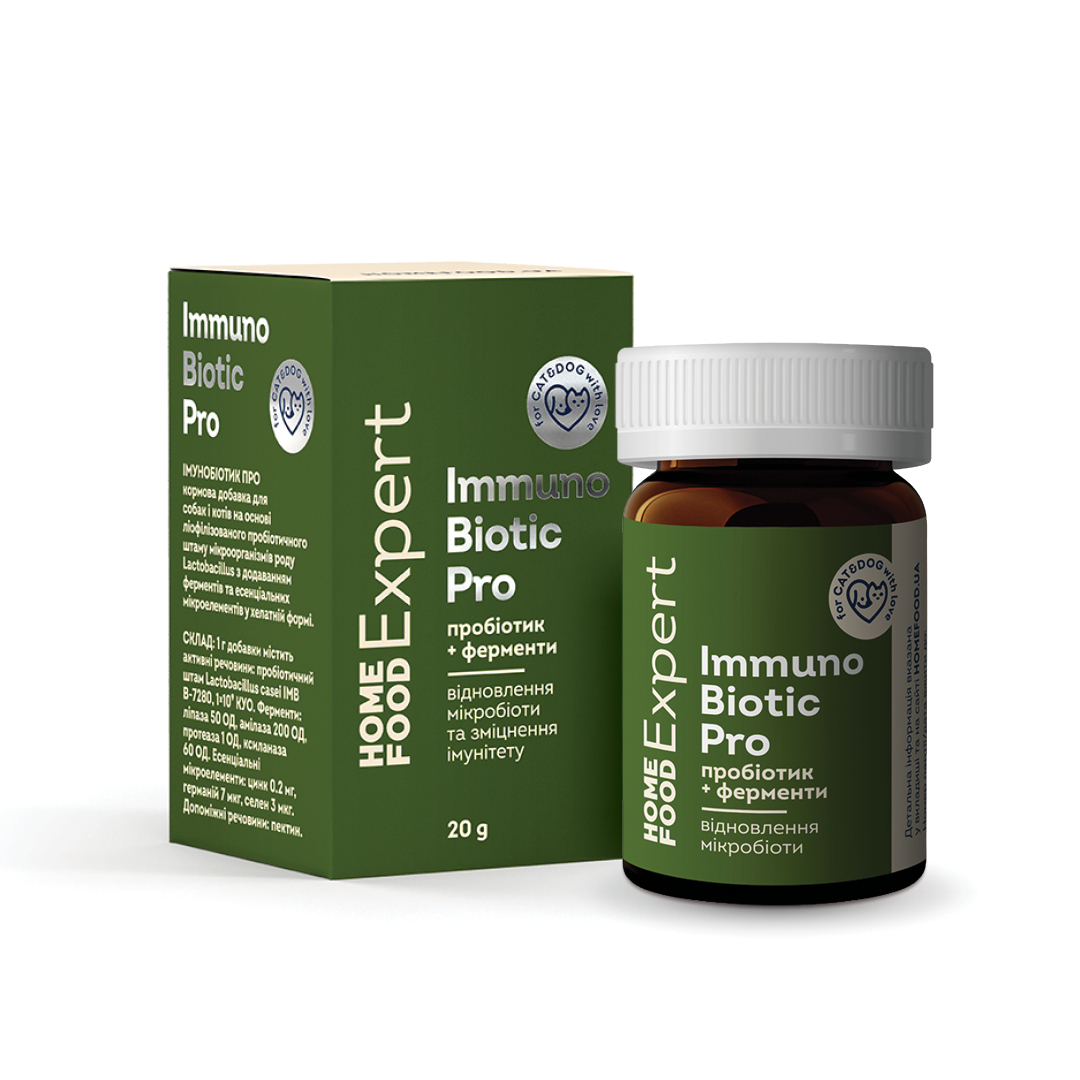
ImmunoBiotic Pro HOME FOOD Expert — probiotic and enzyme feed supplement, 20 g
Buy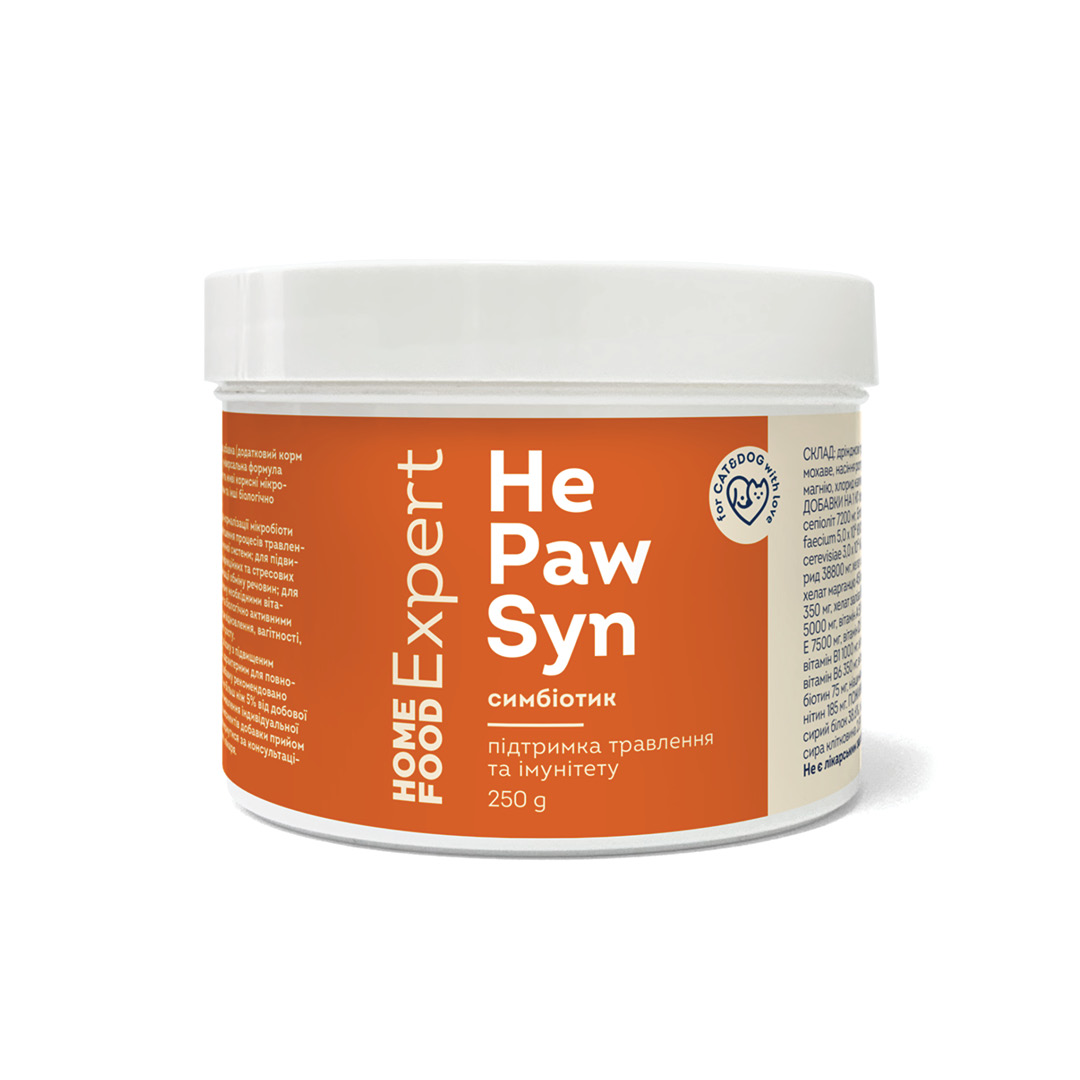
HePawSyn HOME FOOD Expert — symbiotic for digestive and immune support, 250 g
Buy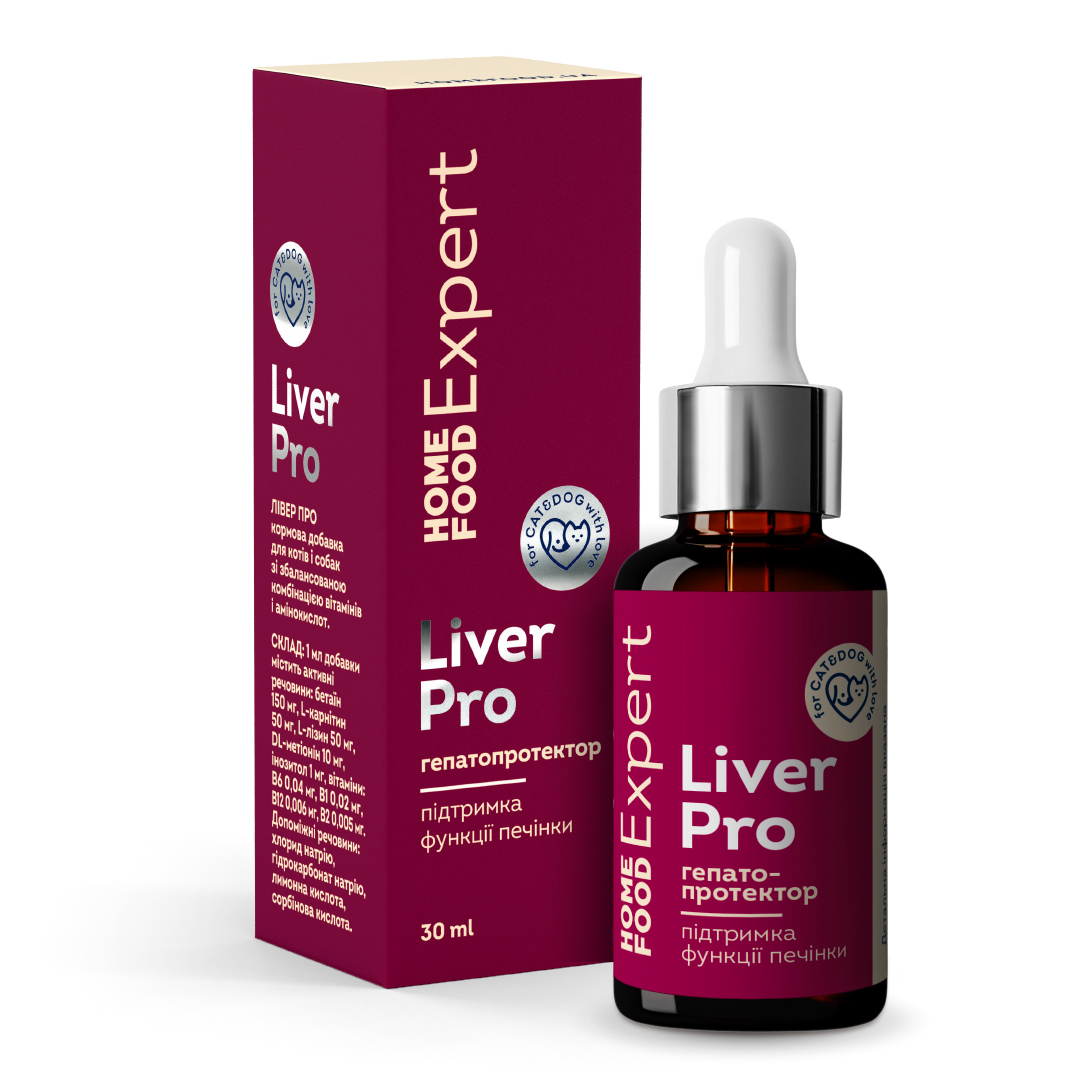
Liver Pro HOME FOOD Expert — feed supplement with vitamins and amino acids, 30 ml
Buy
When to contact a veterinarian
If a pet refuses food despite all attempts to restore appetite and its condition does not improve, it is time to contact a veterinarian. Appetite loss can be caused by many reasons, from simple stress to infections, digestive system disorders, liver or kidney diseases.
Be especially attentive if you notice the following symptoms along with loss of appetite:
- vomiting, diarrhea, or signs of dehydration;
- lethargy, weakness, reduced activity;
- weight loss or prolonged refusal of food;
- pain, a tense abdomen, or changed behavior;
- suspicion of infection, poisoning, or chronic disease.
In some cases, even behavioral causes can quickly worsen the condition if the animal does not eat for a long time. A timely visit to the doctor helps identify the problem faster and reduce the risk of complications. Only a specialist can properly assess the dog’s condition, perform tests, and choose treatment.
Conclusion
It is not worth delaying the solution to appetite loss in a dog. Sometimes it may be the result of stress, habit, or feeding changes, and sometimes it is a signal of serious disease. In any case, the pet deserves attention and timely help.
If all your efforts bring no result and the dog’s condition does not improve, the best step is to contact a veterinarian. This is how the cause can be identified in time, serious consequences can be avoided, and the pet’s appetite and usual activity can be restored.