📌 HOME FOOD Blog: tips on care, health, and nutrition for cats and dogs. 🩺 Up-to-date articles for caring pet owners ❤️
Dog vaccination: which shots to give, when to vaccinate a puppy and an adult dog, and how to care for your pet after vaccination

Dog vaccination is one of the core elements of modern veterinary prevention that helps protect an animal from dangerous and sometimes fatal infections. Contrary to a common belief, vaccinations are important not only for puppies.
Adult dogs also need regular vaccination, because immunity weakens over time and the risk of contact with disease-causing agents remains throughout life.
In this article, we will look at which vaccinations are considered essential for dogs, when to vaccinate puppies and adult animals, how to prepare your pet for a shot, and how to care for it after vaccination.
Historical background: how dog vaccination appeared and how the vaccination schedule evolved
Modern dog vaccination protocols are the result of decades of scientific research, clinical observation, and practical veterinary experience. They emerged from a real need — the high mortality of dogs from infectious diseases for which there was no effective treatment for a long time.
By the middle of the 20th century, canine distemper, parvoviral enteritis, infectious canine hepatitis, and rabies were among the main causes of dog deaths, especially in puppies. Outbreaks occurred regularly in kennels, shelters, hunting facilities, and even in urban living conditions.
- High contagiousness of viruses and bacteria.
- Long survival of pathogens in the environment.
- Lack of specific treatment for some infections.
- Frequent movement of dogs with people and contact with other animals.
The first dog vaccines began to be used in the 1940s and 1950s, primarily against canine distemper and rabies. Later, vaccines appeared against parvoviral infection, adenoviral diseases, parainfluenza, and leptospirosis, and veterinary medicine moved to staged vaccination with consideration of maternal antibodies.
Vaccination schedule for puppies and adult dogs
Modern international dog vaccination protocols are based on understanding how the immune system works, how long protection lasts, and the window when maternal antibodies are already weakening while the puppy's own immunity is still forming.
- Core vaccine set usually includes protection against canine distemper, parvoviral enteritis, infectious hepatitis, adenoviral infection, parainfluenza, and, depending on the vaccine, leptospirosis.
- Rabies vaccination is mandatory according to legislation and veterinary practice.
- additional vaccines, including kennel cough vaccines, are used when indicated depending on the dog's lifestyle.
| Dog's age | Vaccination | Note |
|---|---|---|
| 6–8 weeks | First shot with a combination vaccine | Beginning of core immunity formation in the puppy |
| 8–10 weeks | Kennel cough vaccination if indicated | Relevant for puppies that will be in contact with other dogs |
| 9–12 weeks | Booster vaccination with the same combination | Strengthening the immune response |
| 12–16 weeks | Final dose of the combination vaccine + rabies vaccination | Formation of completed primary protection |
| Every year | Revaccination with a combination vaccine + rabies shot | Maintaining immune memory and complying with current legal requirements |
This approach helps cover the period when maternal antibodies decline and allows a puppy to develop full immunity of its own, while in adulthood it helps maintain a stable protective antibody level.
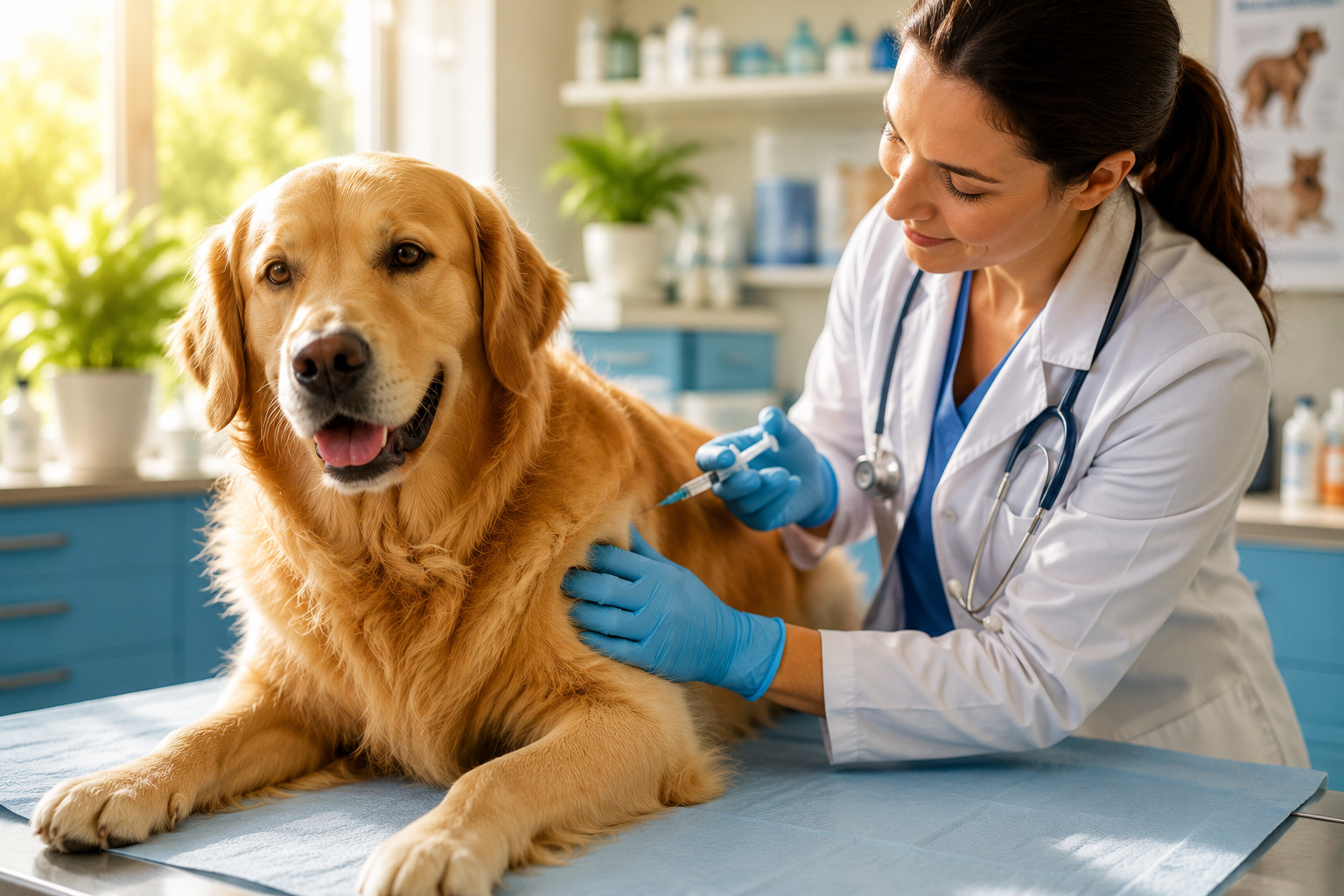

A modern vaccination schedule is not a random set of dates but the result of many years of research aimed at protecting a dog at every stage of life
How to prepare a dog for vaccination
Vaccination is performed only in clinically healthy animals, so preparation for the shot is no less important than the vaccine itself. It helps the dog's body form the right immune response and reduces the risk of unwanted reactions.
Examination and assessment of well-being
Before vaccination, the veterinarian must make sure the dog feels well and has no signs of infection, marked stress, or worsening of chronic conditions.
Deworming
Deworming is usually carried out 7–10 days before vaccination, choosing the product according to the dog's age, weight, and lifestyle.
Protection against external parasites
Fleas, ticks, and other ectoparasites create an additional burden on the body, so it is important to carry out preventive treatment before vaccination.
Calm routine and no extra strain
On the day of vaccination, it is better to avoid long trips, excessive physical exertion, and other stress factors, especially in puppies.

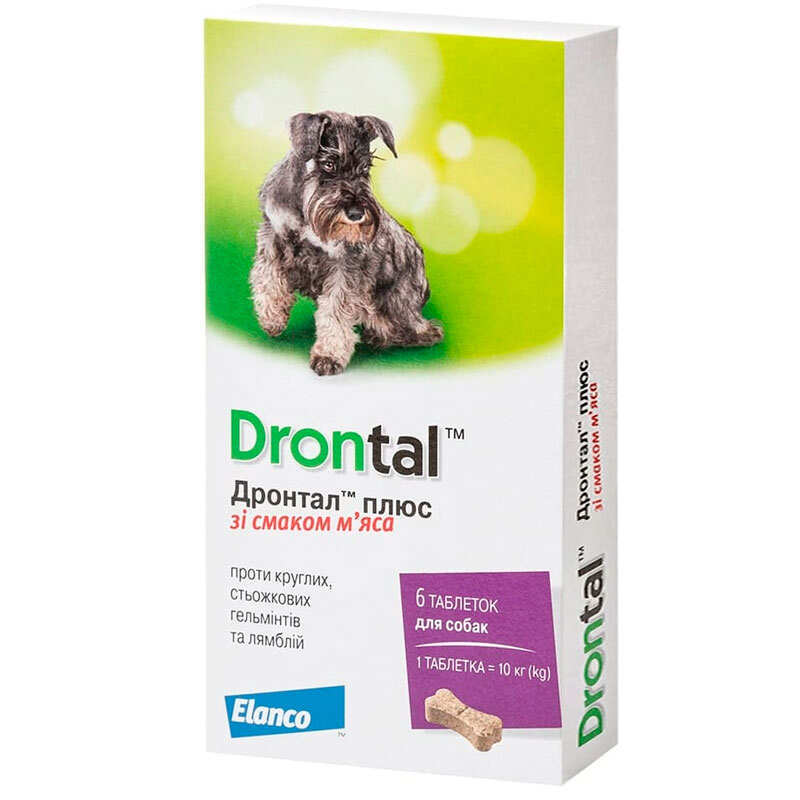
Elanco Drontal — an antiparasitic tablet for the treatment and prevention of helminth infections in dogs
Buy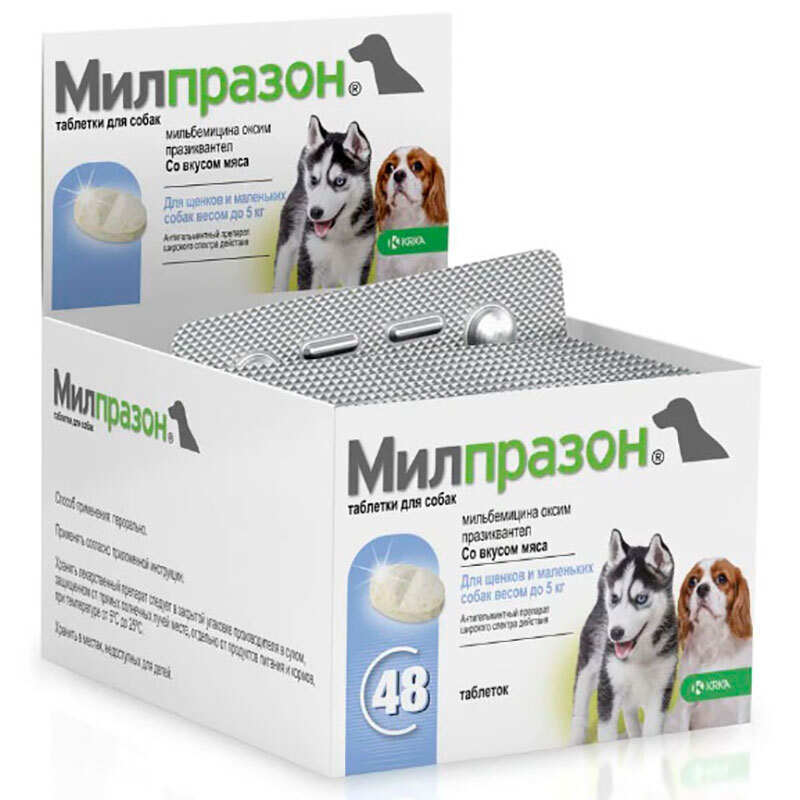
KRKA Milprazon — antiparasitic tablets for dogs weighing under 5 kg, 1 tablet
Buy
Kennel cough vaccination and practical care details
Vaccination against kennel cough protects dogs from pathogens that cause acute respiratory disease, especially in group housing, shelters, grooming salons, at shows, and during training. This vaccine is more often given intranasally, which provides rapid local protection for the airways.
- Puppies usually receive the vaccine after 8–10 weeks, and it may be repeated after 2–4 weeks if needed.
- Adult dogs are revaccinated once a year or more often if they regularly contact other animals.
- During the vaccination period, it is important to keep a gentle routine, avoid bathing the dog on the day of the shot, and monitor its well-being for 1–3 days.
It is also worth remembering basic hygiene. No complicated procedures are needed after a shot, but gentle care for the coat, skin, and ears helps maintain the animal's comfort, especially if it is prone to sensitivity or stress.
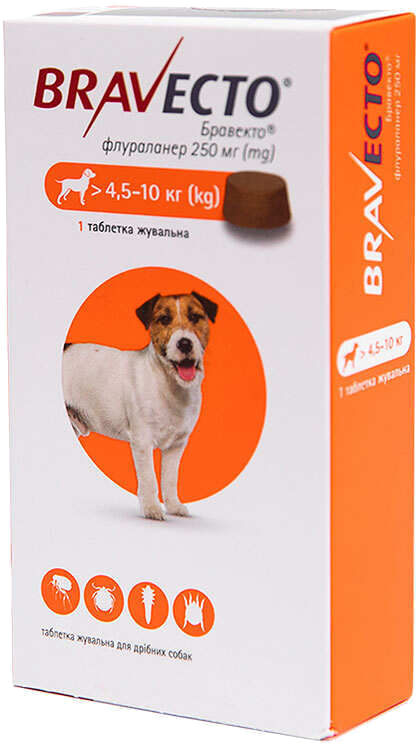
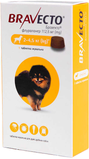
MSD Animal Health Bravecto — a flea and tick tablet for dogs 4.5–10 kg, 250 mg
Buy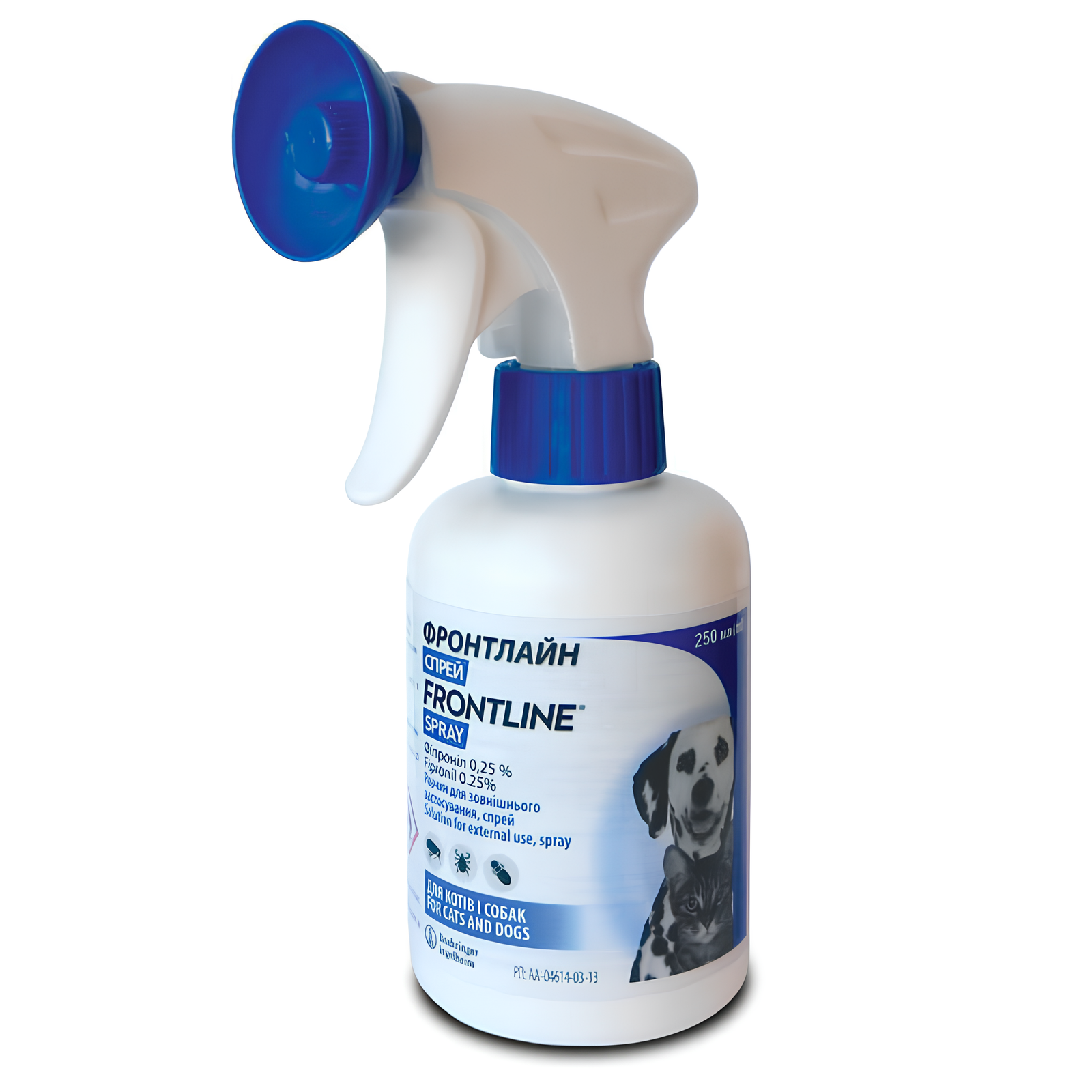
Boehringer Ingelheim Frontline — flea and tick spray for dogs and cats, 100 ml
Buy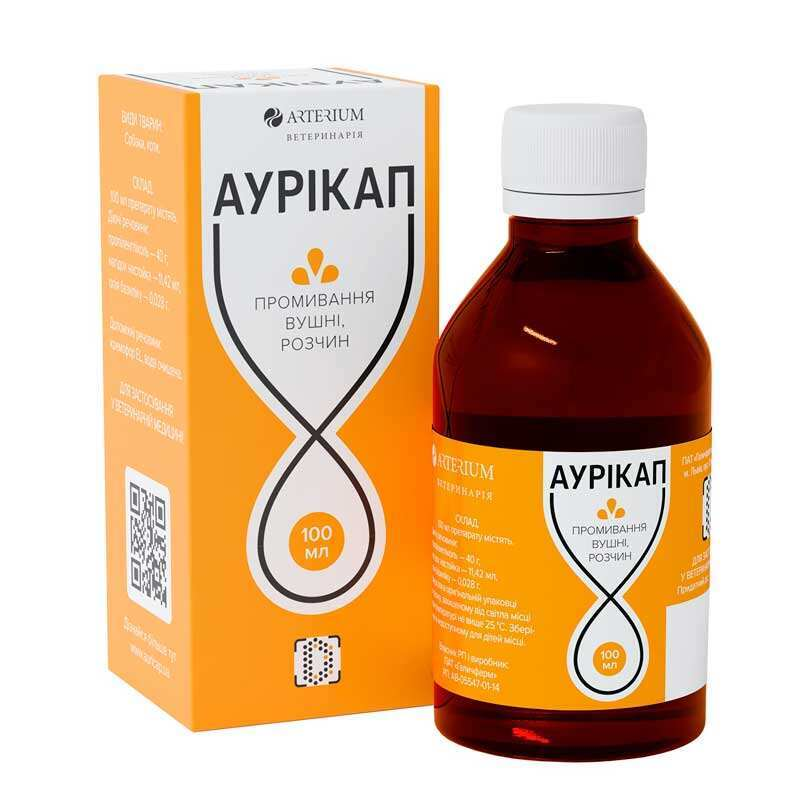
Aurikap — ear cleansing solution for dogs and cats, 100 ml
Buy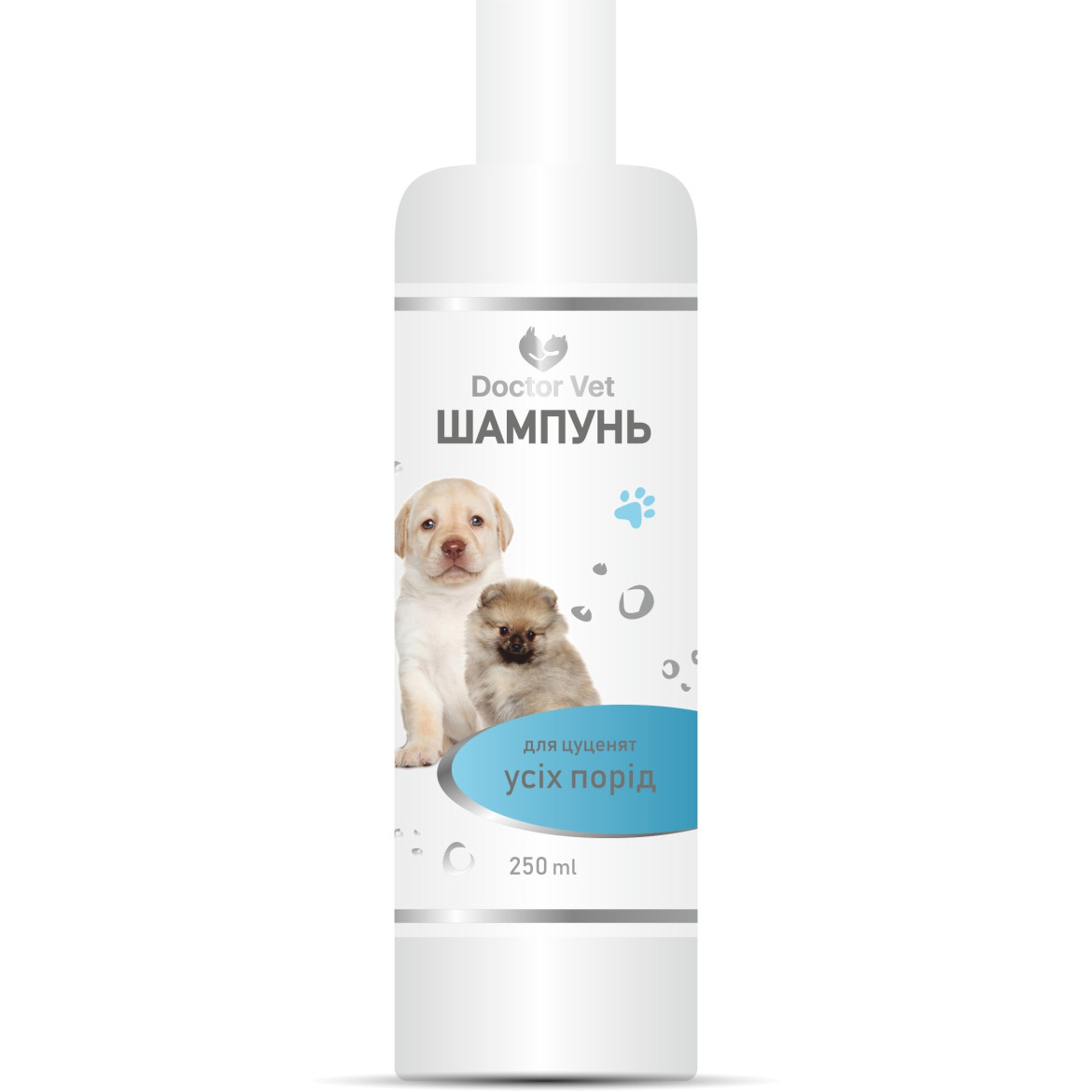
Doctor Vet — shampoo for puppies of all breeds, 250 ml
Buy
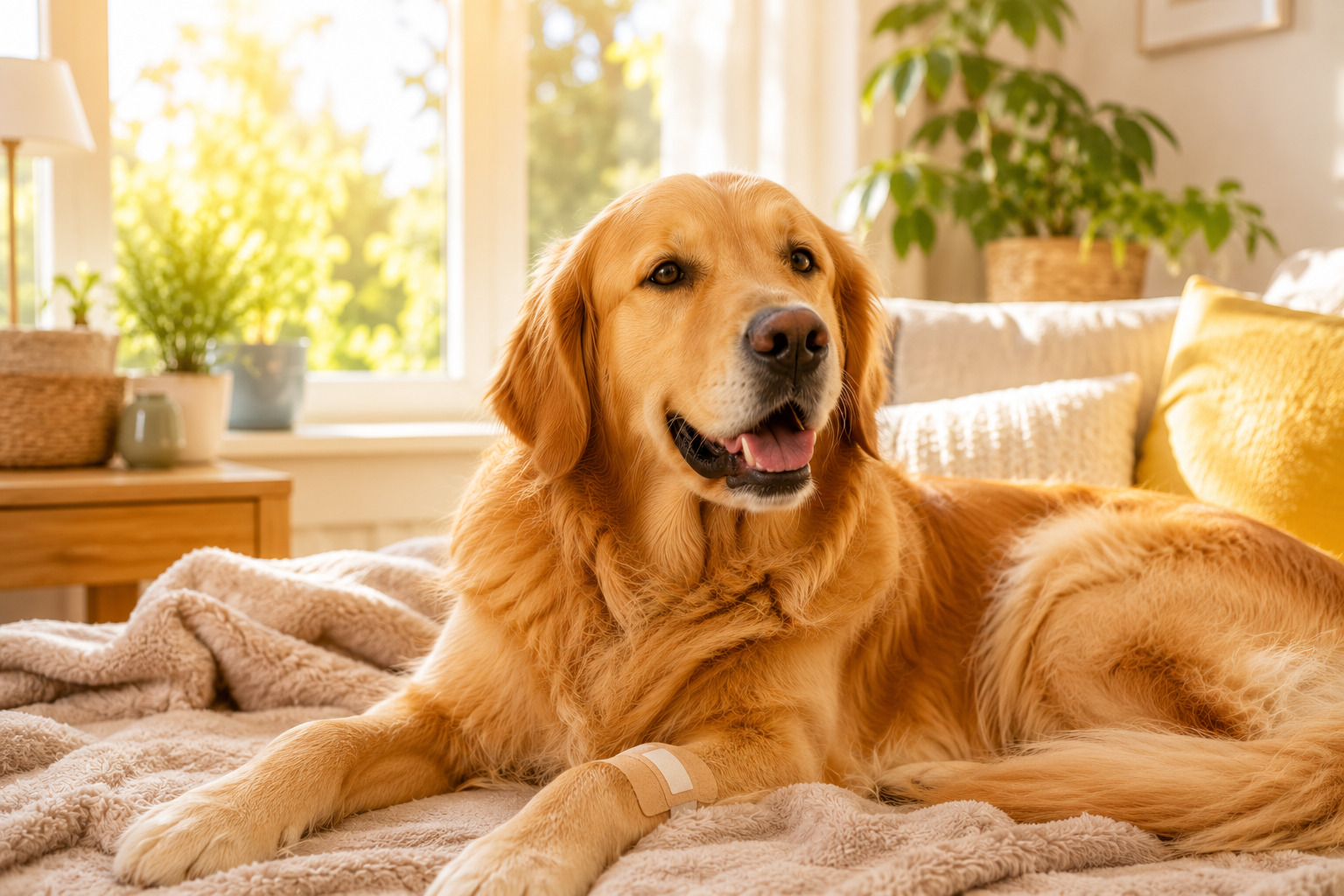
Vaccination works best when it is combined with preparation, parasite protection, a calm routine, and consistent high-quality nutrition
Caring for a dog after vaccination
Proper care before and after vaccination helps the dog's body develop immunity effectively and minimizes the risk of unpleasant reactions. It is important to consider the animal's age: puppies and adult dogs need a slightly different approach.
Rest in the first days
On the day of vaccination and during the following day, it is better to avoid excessive exercise, long trips, and stressful situations.
Monitoring the reaction
Short-term lethargy, sleepiness, a slight fever, or mild swelling at the injection site can be normal, but pronounced swelling, vomiting, or diarrhea require veterinary advice.
Water and the usual diet
The dog needs constant access to fresh water and an easily digestible, nutrient-rich food without abrupt dietary changes.
No rush with bathing
It is better to postpone bathing for 1–2 weeks if the dog has just been vaccinated or has sensitivity at the injection site. Other light hygiene procedures are acceptable if the animal feels well.
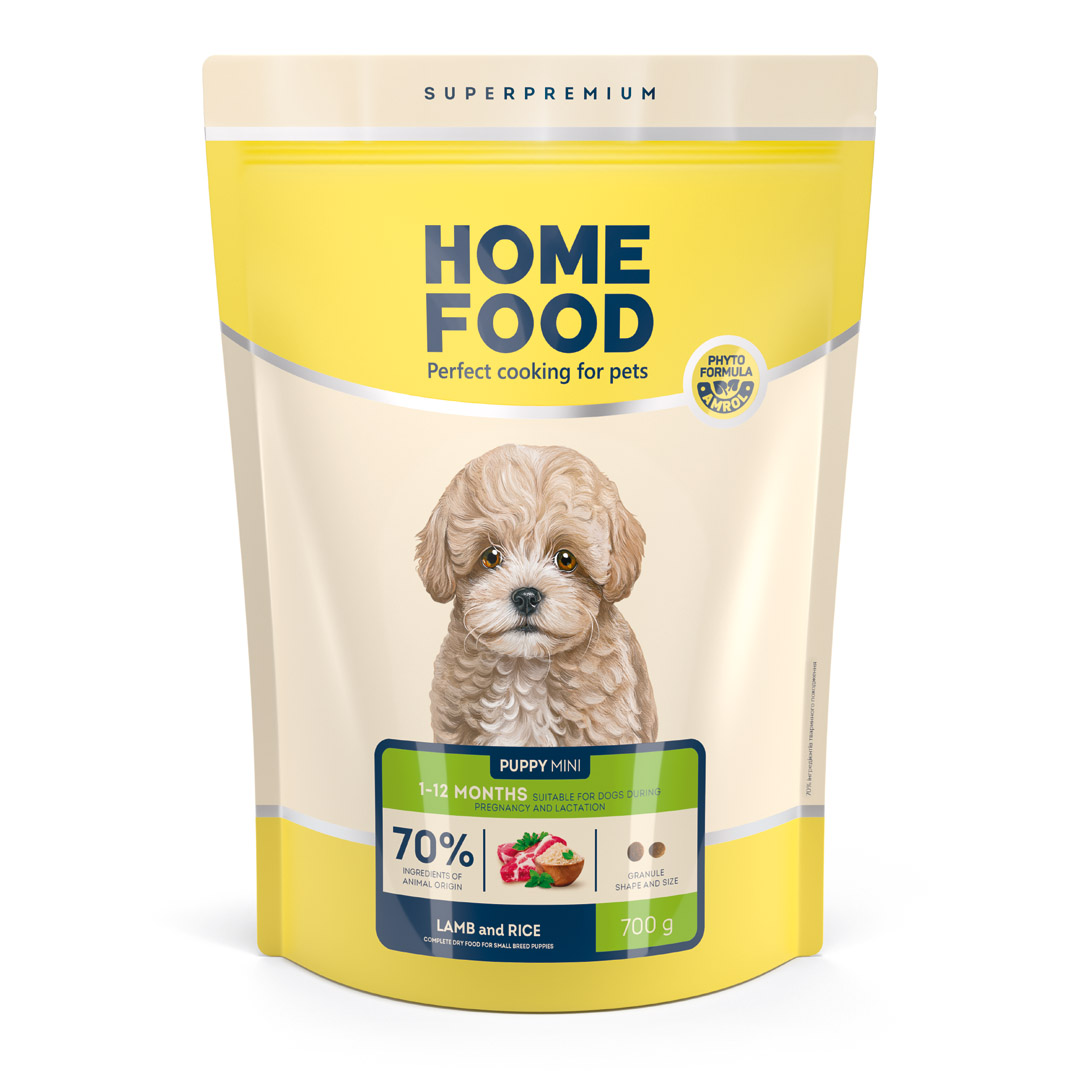
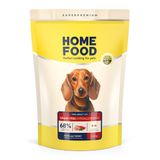
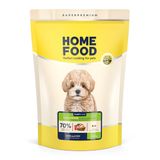
HOME FOOD dry food for puppies of small breeds «Lamb and Rice» For puppies 1-12 months, 700 g
Buy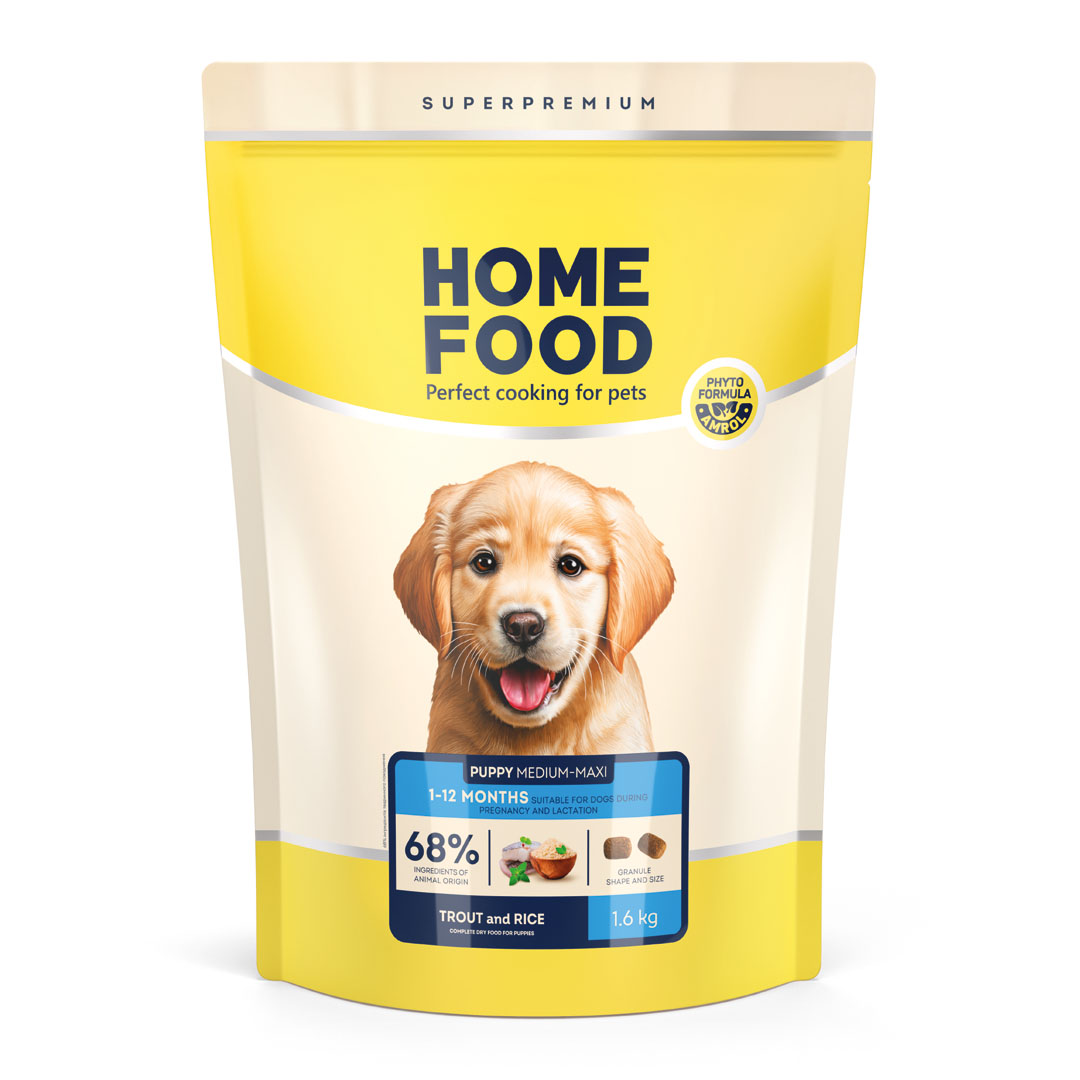
Hypoallergenic HOME FOOD dry food for puppies of medium and large breeds «Trout and Rice», 1.6 kg
Buy
In conclusion: vaccination as long-term protection
Modern vaccines for dogs and puppies are comprehensive, safe, and scientifically validated. They protect against the most dangerous infections by building immunity at every stage of the animal's life — from an early age to adulthood.
- Regular vaccination reduces the risk of severe disease and complications.
- Annual revaccination helps maintain immune memory and official veterinary records.
- The best result comes from combining vaccinations, care, parasite control, and a complete diet.
A caring owner who follows the recommended vaccination schedule and closely monitors the dog's condition gives their pet reliable protection for many years.