📌 HOME FOOD Blog: How to remove hair from a cat's stomach?
How to remove hair from a cat's stomach?
Cats are incredibly clean animals, spending up to 50% of their time grooming their fur. However, this natural process has a downside: while grooming, a cat swallows a significant amount of hair, which accumulates in the stomach and forms hairballs. If not removed in time, this can lead to digestive issues, vomiting, loss of appetite, and in some cases, even intestinal obstruction.
In a scientific article from the Journal of Feline Medicine and Surgery (2009), veterinarian Elizabeth Wills notes that a cat's tongue is covered with hundreds of tiny, backward-facing papillae — hard keratin growths, the same protein that makes up claws. These papillae not only aid in grooming but also contribute to hair entering the stomach — this is how the famous "trichobezoars," or hairballs, are formed.
In this blog, we will explore why these problems occur, how to recognize the symptoms, and what effective and safe methods can help your pet get rid of hair in the stomach.
Which cats are more prone to hairball formation?
Not all cats are equally susceptible to hair accumulation in the stomach. Several factors increase the risk of trichobezoar formation in cats, and knowing these factors will help you better care for your pet.
- Long-haired cats
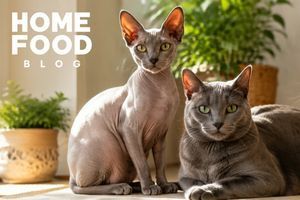
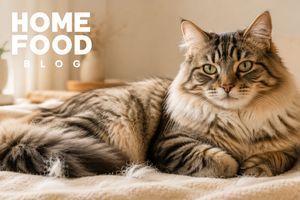
Breeds such as Persians, Maine Coons, Siberians, or Ragdolls have long and thick fur. While grooming, they swallow significantly more hair than short-haired cats, making them the most vulnerable to hairball formation.
- Older cats
As cats age, they become less active, and their digestive system may process swallowed hair more slowly. Additionally, they may groom more frequently due to reduced comfort levels or changes in habits.
- Indoor cats
Indoor cats, which lack the opportunity to clean their fur by rubbing against branches or grass, rely more on their tongues. Their grooming becomes the primary method of cleaning, increasing the risk of hair accumulation in the gastrointestinal tract.
- Cats with excessive grooming habits
Some cats have an excessive grooming habit — this may be part of their temperament or a result of stress. Such animals swallow more hair, even if they have short fur.
- During shedding seasons
During seasonal shedding periods (spring and fall), the risk increases for all cats — both long-haired and short-haired.
How to recognize the problem: Symptoms and actions
Although cats occasionally vomit hair — which may seem normal — in some cases, this behavior signals more serious health issues. Understanding the symptoms, their sequence, and their severity allows you to act promptly and avoid complications.
The table below lists the most common signs of hair accumulation in the stomach — from mild to critical. We also provide possible alternative causes (differential diagnosis) and effective actions: from home remedies to veterinary intervention.
Symptoms of hair in the stomach: From mild to dangerous
| Symptom | Possible other causes (differential diagnosis) | What to do |
|---|---|---|
| Periodic coughing or vomiting of hair (trichobezoars) | Normal cleaning process, rare food reactions | Give special hairball remedy paste, add fiber to the diet, brush more frequently |
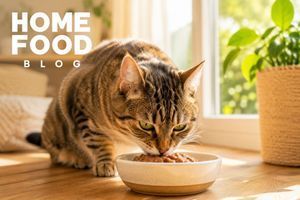
| Decreased appetite or picky eating | Stress, dental pain, gastritis | Encourage more water intake, provide light dietary food, consult a veterinarian |
| Constipation or feces with hair particles | Dehydration, dietary changes, worms | Add fiber (pumpkin, beet), increase activity, mild laxative (on vet’s recommendation) |
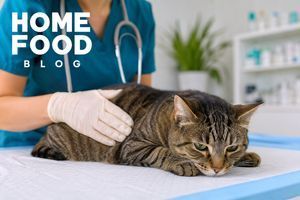
| Regular vomiting without hair expulsion | Food allergy, foreign body, gastritis | Stomach ultrasound, vet visit, temporary fasting with gradual refeeding |
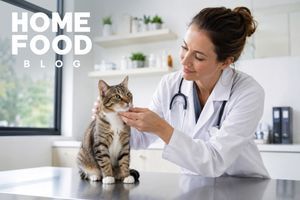
| Lethargy, apathy, complete refusal to eat | Infections, poisoning, kidney failure | Urgent vet visit, infusion therapy, blood tests |
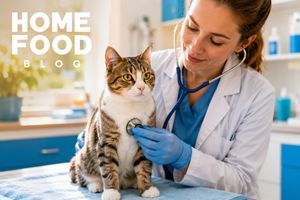
| Signs of intestinal obstruction (pain, bloating, no defecation) | Toxoplasmosis, tumors, intestinal torsion | Urgent ultrasound, possible surgical intervention |
Important: Never self-treat if symptoms persist for 24–48 hours. Hair in the stomach is a normal phenomenon, but it can escalate into a serious problem.
Preventing hair accumulation: Grooming, diet, and veterinary products
Preventing trichobezoar formation is much easier than treating its consequences. Prevention focuses on three main areas: regular grooming, specialized nutrition, and the use of veterinary pastes and supplements that help gently and safely remove hair from the gastrointestinal tract.
1. Grooming: Daily care that reduces risk
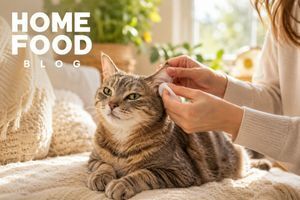
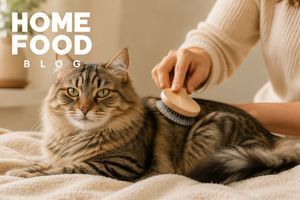
Regular brushing — especially for long-haired breeds — significantly reduces the amount of hair a cat can swallow. Tools used include:
- Furminators — effectively remove undercoat;
- Rubber brushes — ideal for short-haired breeds;
- Wet wipes or combs — help remove shedding residue in sensitive animals.
Daily or at least several times a week grooming reduces the need for medicinal prevention.

Trixie Soft Brush - slicker brush with soft bristles and rubber handle, plastic/metal, 7x16 cm
Buy
Foldable brush for long-haired cats
Buy
2. Hairball control food
Specialized foods labeled Hairball Control or Anti-Hairball are one of the gentlest and most natural forms of prevention.
The mechanism of these foods is based on several principles:
- Special granule structure: dense and textured granules act as a "brush," capturing hair from the stomach and stimulating gastrointestinal peristalsis.
- High plant fiber content (cellulose, beet pulp, sometimes flax): fiber promotes gentle movement of hair through the intestines, preventing accumulation.
- Grains that support intestinal tone: such as rice or oats, which are easily digestible and support natural gastrointestinal activity.
- No added laxatives or emetics: this is important, as the action of these foods should not be confused with medicinal intervention — they work naturally without irritating the body.
Such foods can be found in veterinary pharmacies, specialized pet stores, or online shops. Importantly, hairball control food, if it meets the above criteria, can be given regularly.

Dry food for hairball control for sterilized/neutered adult cats, Turkey & Berries Hairball Control For Sterilized/Neutered, 1.6 kg
Buy
3. Hairball remedy pastes
If food alone is insufficient or your cat is particularly prone to hair accumulation, it is advisable to use veterinary hairball remedy pastes. Their action is based on:
- Non-metabolized oils (paraffin, petroleum, plant-based) and mild laxative extracts (malt) — these components coat the hair in the intestines, reducing friction and facilitating its passage.
- Soft fibers and prebiotics: support healthy gut flora, positively affecting peristalsis.
- Flavor additives: make the paste appealing to cats, easing its inclusion in their diet.
Important: Pastes are not laxatives — they do not irritate the intestines or induce vomiting. They provide gentle "lubrication" for hairballs, allowing them to pass naturally.

GimCat Every Day Malt-Soft Paste Extra for cats, for hairball removal, 50 g
Buy
ECO PASTE Vitomax for hairball removal in cats, 100 g
Buy

What should you absolutely not do?
- Do not use oils or fats without consulting a veterinarian. Oils (olive, mineral, corn) can be dangerous if administered without control. Olive oil can cause diarrhea or dehydration if overused.
- Do not use home remedies without veterinary supervision. Oils, butter, petroleum jelly, malt, senna, magnesium sulfate, or Glauber's salt — though sometimes recommended as home remedies — can be dangerous without oversight. For example, petroleum jelly can cause aspiration pneumonia if it enters the lungs.
- Do not administer drugs without veterinary supervision. Drugs that induce vomiting (hydrogen peroxide, apomorphine, xylazine) should only be used in a veterinary clinic under a specialist’s recommendation. Incorrect dosage or frequency can lead to side effects.
What do pet cosmetics and accessory developers offer to combat hair in a cat’s stomach?
The issue of hairballs in a cat’s stomach is not only a medical concern but also a daily one. Therefore, the pet industry actively offers innovative solutions to prevent hair accumulation in the gastrointestinal tract. These solutions combine ethology (animal behavior science), dermatology, and engineering approaches.
1. Specialized cosmetics: shampoos, conditioners, sprays
How they work:
- Reduce hair shedding (molting).
- Moisturize skin and fur, reducing brittleness.
- Eliminate static electricity, preventing hair from sticking to the tongue.
Examples:
- Shampoos with biotin, zinc, omega-3/6 — nourish the skin and strengthen hair follicles.
- Anti-static sprays — reduce fur electrification, especially beneficial for long-haired breeds.
- Waterless shampoos (dry) — an alternative for cats afraid of water.
Studies show that regular use of quality pet cosmetics can reduce shedding by up to 30% (PetDerm Study, 2020).

Shampoo "Perfect Care" for dogs and cats, Total Care HOME FOOD Beauty, 200 ml
Buy
Conditioner "Silky Touch" for dogs and cats, Silky Touch HOME FOOD Beauty, 200 ml
Buy
2. Specialized brushes and grooming gloves
How they work:
- Remove dead hair before the cat licks it off.
- Stimulate skin blood circulation, supporting skin health.
- Provide tactile satisfaction, reducing anxiety — one of the triggers of excessive grooming.
Regular brushing (at least 3 times a week) reduces the risk of trichobezoar formation by more than half (VetDerm Journal, 2021).
3. Anti-hairball treats
How they work:
- Contain fiber (psyllium, beet pulp, cellulose) to stimulate peristalsis.
- Include fats (flaxseed oil, coconut oil) that help hair pass through the gastrointestinal tract more easily.
- Sometimes contain enzymes, probiotics, or malt paste — for normalizing digestion.
Examples:
- Treats with special fibers.
- Functional kibbles with hairball removal effects.

Treats for cats, Turkey Meat Strips + Olives, 40 g
Buy
Treats for cats, Turkey Meat Strips + Sun-Dried Tomatoes, 40 g
Buy
Treats for cats, Poultry Meat Strips + Carrot, 40 g
Buy
Treats for cats, Turkey Meat Strips + Catnip, 40 g
Buy
It is known that high-fiber treats are effective in 70–80% of cases of mild hair accumulation (Feline GI Review, 2019).
4. Toys and interactive solutions to reduce self-grooming
How they work:
- Grooming is partly a behavioral response to boredom or stress.
- Active games and intellectual challenges reduce the need for self-soothing.
- Some toys release essential oils (catnip, valerian) to reduce anxiety.
Examples:
- Interactive balls, laser pointers with timers, auto-spinners.
- Treat puzzle toys — stimulate mental activity.
- Tunnels, hideouts, scratching posts with cat-attracting scents for engagement.


According to a study in the Journal of Feline Behavior (2020), the use of smart toys in cats with behavioral alopecia (excessive grooming) reduced symptoms by 60% in 4 weeks.
Living with a cat is not just about soft purring in the evenings but also a daily responsibility for its health and comfort. The issue of hair in the stomach may seem trivial until it causes vomiting, constipation, or even dangerous intestinal obstruction. But the good news is that you can prevent this — gently, safely, and effectively.
A combination of proper fur care, a balanced preventive diet, engaging toys, and affection is the true package of love for your cat. It’s not just about fighting hairballs — it’s about caring for the daily well-being of the little predator who has entrusted you with its entire life.
Regular brushing, tasty treats, and toys that keep boredom at bay are not just "another item on the list." Remember: a healthy cat is not just a clean stomach but also happy ears, an attentive gaze, and a grateful "purr" when you’re near. Let’s help them be happy — every day, not just when something hurts.