📌 HOME FOOD Blog: How to Properly Feed a Pregnant Dog
How to Properly Feed a Pregnant Dog
Pregnancy in a dog is not only a period of waiting for little miracles, but also a special stage in her life when the body works under double load. Nutrition during this time affects not only the health of future puppies, but also the well-being of your beloved pet, the ease of labor, and the quality of lactation.
“A pregnant dog should be fed not ‘more’, but ‘better’.”
A proper diet is a balance of nutrients, trace elements, vitamins, and calorie content that changes depending on the stage of pregnancy. It determines the formation of healthy offspring and the quick recovery of the mother after giving birth.
In this article we will cover:
- how a dog’s needs change throughout pregnancy,
- why “regular” food is not always suitable during this period,
- how to choose the ideal diet for the mom and her future puppies.
Stages of Dog Pregnancy and Feeding Specifics
Pregnancy and lactation are periods of intense metabolic changes in a dog’s body. From the very first days after mating, the body begins working under increased load, and closer to birth and during nursing, the need for energy, protein, calcium, phosphorus, and fats increases several times.
Especially important:
- Dogs do not have a large calcium reserve, so a drop without dietary correction can lead to postpartum eclampsia.
- The need for high-biological-value proteins (of animal origin) sharply increases from the 5th week of pregnancy.
- Proper energy support helps avoid weak labor and hypoglycemia in the bitch.
| Stage | Physiological changes | Nutrient requirements | Feeding specifics |
|---|---|---|---|
| Preparation for pregnancy (2–4 weeks before mating) | Building nutrient reserves, hormonal balance stabilization, body detoxification. | Balanced diet with full vitamin and mineral complex. Normal protein, calcium, and phosphorus levels. | Switch to breeding food or high-quality diet; weight control, obesity prevention. |
| 1st month of pregnancy (weeks 1–4) | Embryo implantation, start of placenta development. Moderate increase in energy needs. | Energy needs +10–15%. Protein at maintenance level. Calcium and phosphorus within physiological norm. | Frequent but not excessive meals. Do not overfeed! Pay attention to protein quality. |
| 2nd month of pregnancy (weeks 5–9) | Active fetal growth (80% of mass forms now), increased blood volume, load on heart and kidneys. | Energy needs ↑ 30–50%. Protein ↑, fats ↑. Increased need for calcium, phosphorus, iron, vitamin D. | 3–4 meals per day. Switch to food for pregnant/nursing bitches or carefully balanced homemade diet. |
| Labor | Maximum energy expenditure, hormonal fluctuations, loss of fluids, calcium, glucose. | High level of digestible energy, easily digestible protein, electrolyte control. | Easily digestible food in small portions after birth. Constant access to water. |
| Lactation (first 4 weeks) | Highest energy requirements – milk production. Sharp increase in calcium and phosphorus consumption, risk of eclampsia. | Energy needs ↑ 2–4 times. High-quality protein ↑. Calcium & phosphorus ↑. Fats ↑. | Free access to food. Special puppy formulas. Always water. Supplements if needed. |
- In the second half of pregnancy, the stomach shrinks due to fetal pressure – feed more often but in smaller portions.
- During lactation, calcium deficiency can appear very quickly (1–3 weeks postpartum) – calcium monitoring is critical.
- Excess weight before birth complicates labor and recovery.
Concrete Steps for Owners During Dog Pregnancy
Most complications can be prevented by starting support at the planning stage or from the first days of heat. Proper nutrition, supplements, and care help:
- maintain fertility,
- ensure healthy embryo development,
- ease labor,
- stimulate milk let-down and reduce postpartum problems.
| Stage | Action | Supplement / Product | Why it’s needed | Recommendations |
|---|---|---|---|---|
| Onset of heat (pre-mating prep) | Add Omega-3 | Fish oil / veterinary Omega-3 capsules | Supports fertility and egg quality, reduces uterine inflammation, improves semen quality in males. | Give daily from the start of heat until birth. Dose by weight (per instructions). |
| Weeks 4–5 of pregnancy | Switch to puppy or pregnant/nursing bitch food | High-calorie food with increased protein, fat, calcium, phosphorus | Energy needs and fetal organ formation increase sharply. | Gradual transition over 7–10 days, mixing with current food. |
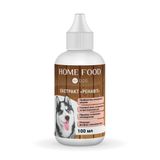
| From week 7 | Raspberry leaf extract | Natural supplement | Relaxes uterine smooth muscle, eases labor, reduces risk of weak contractions, stimulates milk let-down. | Once daily until birth and during lactation. Individual dose by weight. |
| Deworming period before mating or early pregnancy | Natural support | Pumpkin seed oil | Mild antiparasitic effect, safe for embryos, supports GI tract. | Use instead of harsh dewormers in first half of pregnancy (vet recommendation). |
| GI disturbances in pregnant bitches | Detox & microflora support | Detox Pro – gentle body cleansing; ImunoBiotik – restores microflora & immunity |
Pregnant bitches are sensitive to microflora imbalance, which reduces nutrient absorption. | Courses of 7–14 days as prescribed by vet. Safe during pregnancy. |
Important Vet Notes:
- Puppy food is better for pregnant bitches than regular adult food – it is more energy-dense.
- Raspberry leaf extract does not cause premature labor but helps the uterus work more efficiently.
- Chemical dewormers only after vet consultation and not in the first half of pregnancy.
- If vomiting, diarrhea, or loss of appetite occurs – do not experiment with supplements, contact the vet immediately.

Hypoallergenic Dry Food HOME FOOD for Medium & Large Breed Puppies – Trout & Rice, 1.6 kg
Buy
Dry Food HOME FOOD for Small Breed Puppies – Lamb & Rice, 1.6 kg
Buy
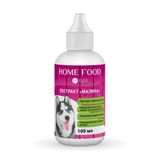
Phytomin for Dogs HOME FOOD “Raspberry” Extract for Labor Preparation, 100 ml
Buy
If your dog is used to a homemade (home-cooked) diet
Not all pregnant dogs willingly switch to commercial food – especially if they have eaten homemade food all their life. In such cases, the owner’s main task is to keep the natural feeding type but make it complete, high-calorie, and balanced according to the needs of a pregnant bitch.
Basic principles of a homemade diet during pregnancy:
- High calorie content – to support mom’s energy needs and puppy development.
- Easy digestibility – to avoid overloading the digestive system already under pressure from the growing uterus.
- Biological completeness – providing all vitamins, minerals, and amino acids often lacking in a “regular homemade menu.”
| Component | What to use | Why it’s important | How to give |
|---|---|---|---|
| Meat & fish | Chicken, turkey, rabbit, beef, low-fat sea fish (boiled/stewed) | Source of high-biological-value protein, iron, essential amino acids. | 50–60% of diet. No bones, no salt. Fish 1–2 times/week. |
| Fermented dairy | Kefir, sugar-free yogurt, fermented baked milk, cottage cheese | Source of calcium, phosphorus, probiotics. | Daily in small amounts. |
| Grains | Oatmeal, buckwheat, rice | Source of complex carbs and energy, stable blood glucose. | 20–30% of diet. Well-cooked or soaked. |
| Vegetables | Zucchini, carrot, pumpkin, broccoli (stewed/boiled) | Source of fiber, vitamins, minerals. | 10–15% of diet. Grated or puréed. |
| Plant fiber | Fiber from pumpkin, beet, or vet supplements | Supports GI function, prevents constipation. | Add a little to every meal. |
| Fats | Omega-3 (fish oil), flaxseed oil, coconut or butter (small amount) | Supports fertility, puppy nervous system development, skin & coat health. | Daily, dose by dog’s weight. |
Mandatory Supplements for Homemade Feeding
Even very high-quality homemade food does not cover all needs of a pregnant bitch, especially in trace elements, fat-soluble vitamins, and amino acids. Therefore, balanced veterinary premixes or complexes are essential, for example:
- Probiotics & prebiotics – for stable digestion and dysbiosis prevention.
- Betaine – supports liver and energy metabolism.
- Amino acids – especially essential ones (lysine, methionine) needed for fetal growth.
- Sepiolite – natural enterosorbent, aids detoxification and digestion.
- Vitamins A, D, E, B-group – for fetal development, immunity, metabolism.
- Chelated minerals – calcium, phosphorus, magnesium, zinc, selenium, etc. – highly absorbable.
- HePAwSyn complex – balanced source of all the above, specially for homemade diets.

Phytomin for Dogs HOME FOOD “Omega Balance” Oil – Omega-3, -6, -9 Balance, 100 ml
Buy
Phytomin for Dogs HOME FOOD “AntiWorm” Oil – Antiparasitic Agent, 100 ml
Buy
Symbiotic for Digestion & Immunity Support HePawSyn HOME FOOD Expert, 250 g
Buy
Enterosorbent for Body Detoxification Detox Pro HOME FOOD Expert, 30 ml
BuyAdditional tips:
- Feed frequently but in small portions (3–4 times/day in the second month).
- Avoid salt, spices, fried and overly fatty foods.
- Always provide fresh water.
- Be especially attentive in the first half of lactation – energy needs rise sharply.
- Any signs of digestive upset (diarrhea, bloating, vomiting) – immediate vet visit.
Feeding Before Planned C-Section
If a cesarean section is planned, feeding must be particularly careful. It should provide sufficient energy without overloading the GI tract and minimizing anesthesia risks.
3–5 days before surgery
- Switch to easily digestible, balanced diet (homemade or commercial).
- For commercial food: choose pregnant/nursing or puppy formulas high in protein/fat but low in fiber; avoid sudden food changes.
- For homemade: prefer boiled lean meat/fish, well-cooked grains (rice, buckwheat), stewed vegetables.
- Continue Omega-3, probiotics/prebiotics, vitamin-mineral support (per vet).
8–12 hours before surgery
- Stop all food completely.
- Water allowed up to 2 hours before surgery unless vet says otherwise.
- This prevents regurgitation and aspiration under anesthesia – a key safety factor.
After C-section
- First meal 4–6 hours after waking, small amount.
- Wet food or soaked dry food to soft consistency.
- Homemade: light broth, minced boiled meat, soft meat-vegetable mix.
- First 2–3 days – gentle but energy-dense food, then gradually return to full nursing diet.
- Omega-3, prebiotics, fiber, vitamins, and soft fats speed recovery and support lactation.
With Love to Mom and Her Puppies
A dog’s pregnancy is not just a physiological process. It is a special time of trust between you and your beloved pet, when she looks into your eyes with hope, and you answer with care and calm. Every warm bowl of food, every gentle touch on her belly, every quiet night without stress – this is your shared journey to new life.
Proper nutrition is not only about calories, vitamins, or protocols. It’s about the mother’s strength, a healthy start for the puppies, and your quiet daily care that isn’t always visible but is always priceless.
And when that day comes and the first tiny “peep” sounds in the nest, you will understand: every bit of your care, every attentive step was worth this moment.
May your mom-dog be healthy, her labor easy, and her puppies strong and joyful.
And may you be the warm home where their story begins.