📌 HOME FOOD Blog: How to Transition Your Pet to a New Food
How to Transition Your Pet to a New Food
When Changing Food is a Necessity
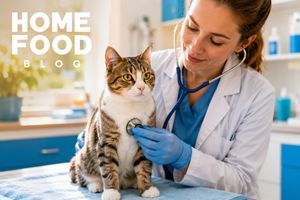
From time to time, a dog or cat owner has to face the need to transition to a new food. Why is this done? The first and main reason is illness. For example, we have a 7-year-old middle-aged cat. It has been diagnosed with urinary stones. During the anamnesis, the veterinarian found that the pet had been receiving low-quality food for a long time. Along with elevated levels of protein, phosphorus, and sodium, the product contained an excessive amount of calcium and magnesium. An excess of magnesium and an increased urine pH contribute to the formation of stones and crystals in the urinary system. The high content of these substances and the higher caloric content of the food are necessary only during growth, pregnancy, and lactation. Some foods have lower digestibility and an elevated fiber level. This leads to water being expelled with feces and reduced water excretion in urine. Urine concentration increases, raising the risk of urinary stones. In addition to therapeutic agents, the doctor prescribes dietary therapy—using super-premium class foods or directly dietary rations for an extended period with constant monitoring of urine parameters (22).
Scientific Fact: Studies show that excessive consumption of minerals such as magnesium and phosphorus can contribute to the formation of urinary stones in cats. Balanced nutrition and dietary supplements are key factors in the prevention and treatment of urolithiasis.

Drinking Water for Cats for Urinary Stone Prevention, 1 L
Buy
Drinking Water for Dogs for Immune System Support, 1 L
Buy
Hepatoprotector for Liver Function Support Liver Pro HOME FOOD Expert, 30 ml
Buy
How to Properly Transition Your Pet to a New Food?
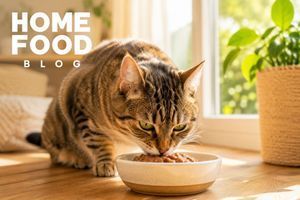
So, the owner's task is to transition to the newly prescribed food. How to do this correctly without causing significant stress to the pet? It is established that cats find it harder to switch from one food to another than dogs. On average, this period should last 7 days. On days 1-2, the previous and new food should be mixed so that 25% of the daily ration consists of the new food. On days 3-4, the amount of the previous and new product should be equal. On days 5-6, the new food should make up 75%. On the 7th day, we completely abandon the previous diet. High-quality foods do not contain flavor enhancers, taste amplifiers, or harmful preservatives (1-10). Their shelf life is significantly shorter than that of economy-class products. Therefore, dogs and cats are reluctant to eat the new product. This is one of the reasons why the transition should be gradual.
Scientific Fact: The American Association of Veterinary Medicine (AAHA) recommends a gradual transition to a new food over 7-10 days to avoid digestive disorders and ensure gastrointestinal tract adaptation.
What to Do If Your Pet Refuses the New Food?
It may even happen that after the 7th day, when the diet is fully replaced, the pet completely refuses to eat. What to do in this case? If it’s not about metabolic disorders, such as diabetes, or adrenal gland hormonal dysfunction, it is permissible to maintain a "hunger diet" for 1-2 days. Typically, once hungry, the animal is forced to eat something, making the new food the main one. Another method is to soften the food. This can be done with hot drinking water or meat/fish broth (11, 13). Adding liquid increases the food's attractiveness (12). Usually, no more than 40-45 ml of water is added to 100 g of food. It should be remembered that soaking dry food negates its preventive effect on dental diseases (tartar). Moreover, if such a product remains in the bowl for a long time, it may spoil. Therefore, soaking is used for 3-4 days, gradually reducing the amount of liquid.


Important! Fasting is Strictly Prohibited for Cats!
To make the new diet more appealing to the pet, manufacturers of high-quality foods often use special meat toppings—aromatic additives based on natural meat, liver, or broth (11, 13). These toppings not only enrich the dish's flavor but also contain additional nutrients: proteins, B vitamins, iron, and other micronutrients that support the animal's health. They are especially useful during the adaptation period to a new food when the appetite may be reduced. Moreover, meat toppings do not contain artificial flavor enhancers, making them safe even for sensitive animals.
Scientific Fact: Sudden fasting in cats can lead to hepatic lipidosis—a serious condition requiring immediate treatment. Therefore, it is important to ensure a gradual transition to a new food without prolonged fasting periods (20, 21).

Changing Food Due to a Change in Physiological State
Changing Food Due to a Change in Physiological State
The second reason for changing food is the transition to a different physiological state, such as pregnancy and lactation, maturing, aging, excessive physical exertion, etc. In such cases, a veterinary nutritionist will calculate the pet's needs for energy, amino acids, fats, carbohydrates, vitamin-mineral supplements, and recommend a specific diet (18, 19).
Scientific Fact: As dogs and cats age, the composition of their gut microbiome changes, affecting digestion and nutrient absorption. Therefore, adapting the diet to age-related changes is important for maintaining the animal's health.
Possible Problems When Changing the Diet
What problems might arise when changing the usual diet? The first and most common is digestive disorders: diarrhea or constipation. And here we’re not talking about poisoning. The gastrointestinal tract of both humans and animals adjusts to a specific food. When new unusual ingredients appear in the diet, it may require a greater or lesser amount of gastric juice or pancreatic enzymes. The body needs time to readjust. Of course, if diarrhea or constipation lasts more than a week, you should consider changing the diet. Sometimes it happens that economy-class food contains low-quality ingredients that firm up the stool. Premium and super-premium line foods do not and should not contain such substances. Digestion is achieved through the fermentation of the food's fiber, with the help of prebiotics and the animal's own digestive enzymes. This is how the physiological process of breaking down and digesting the product should look. Therefore, after discontinuing low-quality foods, the body needs time to start producing its own enzymes again and restore the gut to physiological tone.
Scientific Fact: Studies show that a gradual transition to a new food promotes the adaptation of the gut microbiome and reduces the risk of digestive disorders in dogs.

Synbiotic for Digestive and Immune Support HePawSyn HOME FOOD Expert, 250 g
Buy
Phytomin for Cats Sesame Oil for Normalizing Gastrointestinal Function, 100 ml
Buy
Phytomin for Dogs Sesame Oil for Normalizing Gastrointestinal Function, 100 ml
Buy
Individual Sensitivity to Food Components
It should be remembered that there is always a risk of individual sensitivity to certain food components. This can occur not only with ready-made foods but also with a natural diet. Therefore, what is a cure for one animal may be an allergen or irritant for another. Consult your veterinarian about the state of the immune system and predisposition to allergies.
Scientific Fact: The use of hydrolyzed proteins in foods for dogs with food allergies can reduce the immune response, as these proteins are broken down into peptides that are less likely to cause allergies (1-10).
With love and care for your furry friends

Hypoallergenic Dry Food for Adult Small Breed Dogs Trout and Rice Hypoallergenic, 1.6 kg
Buy
Dry Food for Picky Sterilized/Neutered Adult Cats Chicken & Liver For sterilised/neutered Gourmet, 1.6 kg
Buy
Hypoallergenic Dry Food for Adult Medium Breed Dogs Trout and Rice Hypoallergenic, 1.6 kg
Buy
Dry Food for Sterilized/Neutered Adult Cats Rabbit and Cranberry For sterilised/neutered, 1.6 kg
Buy
Hypoallergenic Dry Food for Adult Large Breed Dogs Trout and Rice Hypoallergenic, 3 kg
Buy
Grain-Free Hypoallergenic Dry Food for Adult Sterilized/Neutered Cats Duck and Pear Grain-free hypoallergenic. Suitable for exotic breeds, 1.6 kg
Buy
Grain-Free Hypoallergenic Dry Food for Adult Medium and Large Breed Dogs Duck and Chickpea Grain-free hypoallergenic, 1.6 kg
Buy
Dry Food for Sterilized/Neutered Adult Cats with Sensitive Digestion Lamb and Salmon With sensitive digestion. For sterilised/neutered, 400 g
Buy