📌 HOME FOOD Blog: tips on care, health, and nutrition for cats and dogs. 🩺 Up-to-date articles for caring pet owners ❤️
What colors dogs see and whether they distinguish them at all: how a dog's vision works, which shades are more noticeable to it, and what this means for play, training, and care

Many dog owners notice that their pets react to toys, objects, or obstacles differently than a person expects. This naturally raises the question: do dogs see colors at all, and if so, which ones exactly?
Understanding how dogs perceive the world visually is not only interesting in itself, but also helps us choose toys and accessories more effectively and organize an environment where the animal feels comfortable and safe.
Modern research in neuroscience and eye physiology shows that dogs' vision differs significantly from human vision. This does not make their world less vivid; it simply has a different palette, different accents, and relies more heavily on contrast, movement, and overall brightness.
Scientific approaches to studying dogs' color vision
To understand exactly which colors dogs see, scientists combined eye physiology with behavioral experiments. Research has shown that a dog's retina has only two types of cones, unlike the three found in humans. That is why dogs have dichromatic vision.
- Dogs distinguish blue and yellow shades best.
- Colors that people perceive as red and green are often seen by a dog as darker, grayer, or less distinct.
- In many situations, a dog relies not so much on color as on contrast, brightness, and the movement of an object.
So a dog's vision is not black and white. It simply works differently: in evolutionary terms, it was more important for the animal to notice movement well, orient itself in space, and react quickly to environmental signals than to distinguish the full spectrum of shades as humans do.

How dogs see colors at different ages
Below is a summary table that brings together current data on dogs' color perception at different stages of life. It is based on studies of retinal physiology and behavioral observations.
| Dog's age | Main colors | Perception notes |
|---|---|---|
| Puppies up to 6 months | Blue, yellow | Vision is dichromatic; contrasting colors attract attention well. Red shades are often perceived as dark or gray. |
| Adults 6 months – 7 years | Blue, yellow | Color perception is stable; a dog recognizes contrasts and movement better, and brightness is often more important than shades of the red or green spectrum. |
| Aging 7+ years | Blue, yellow, weaker contrast perception | Because of age-related changes in the retina and lens, overall visual clarity may decrease, so rich and easily visible objects become even more important. |
In all age groups, dogs remain dichromats: blue and yellow spectra are perceived best, while red and green colors in most cases appear less distinct.
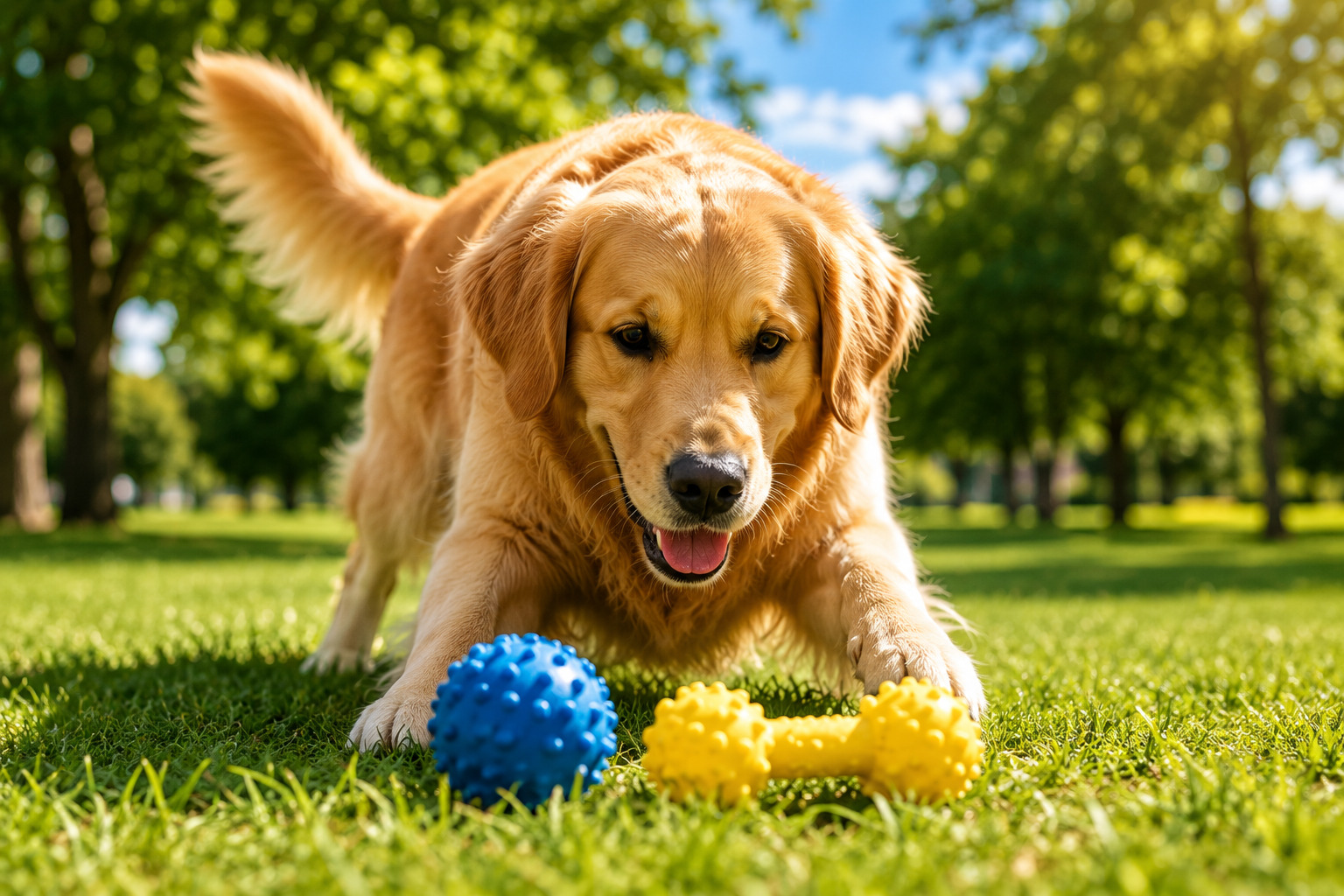

For a dog, it matters not only what color an object is, but also how well it stands out from the background, moves, and contrasts with its surroundings
Is dogs' color perception considered in training
Yes, and increasingly often. Understanding which colors a dog sees best helps organize training more effectively, choose toys for retrieving, and stimulate the animal's attention during practice.
- For most dogs, blue and yellow objects are the most noticeable, so they are often used during play and training.
- Red and green toys may look less distinct, especially on grass or in low light.
- When it comes to treats, color matters very little because the dog relies primarily on smell and taste.
For an owner, this means something simple: if you want to make play or learning more noticeable and engaging, it is worth paying attention not only to an object's shape, but also to its color and contrast.


PitchDog — a flying disc for dog retrieving games, 24 cm, blue
Buy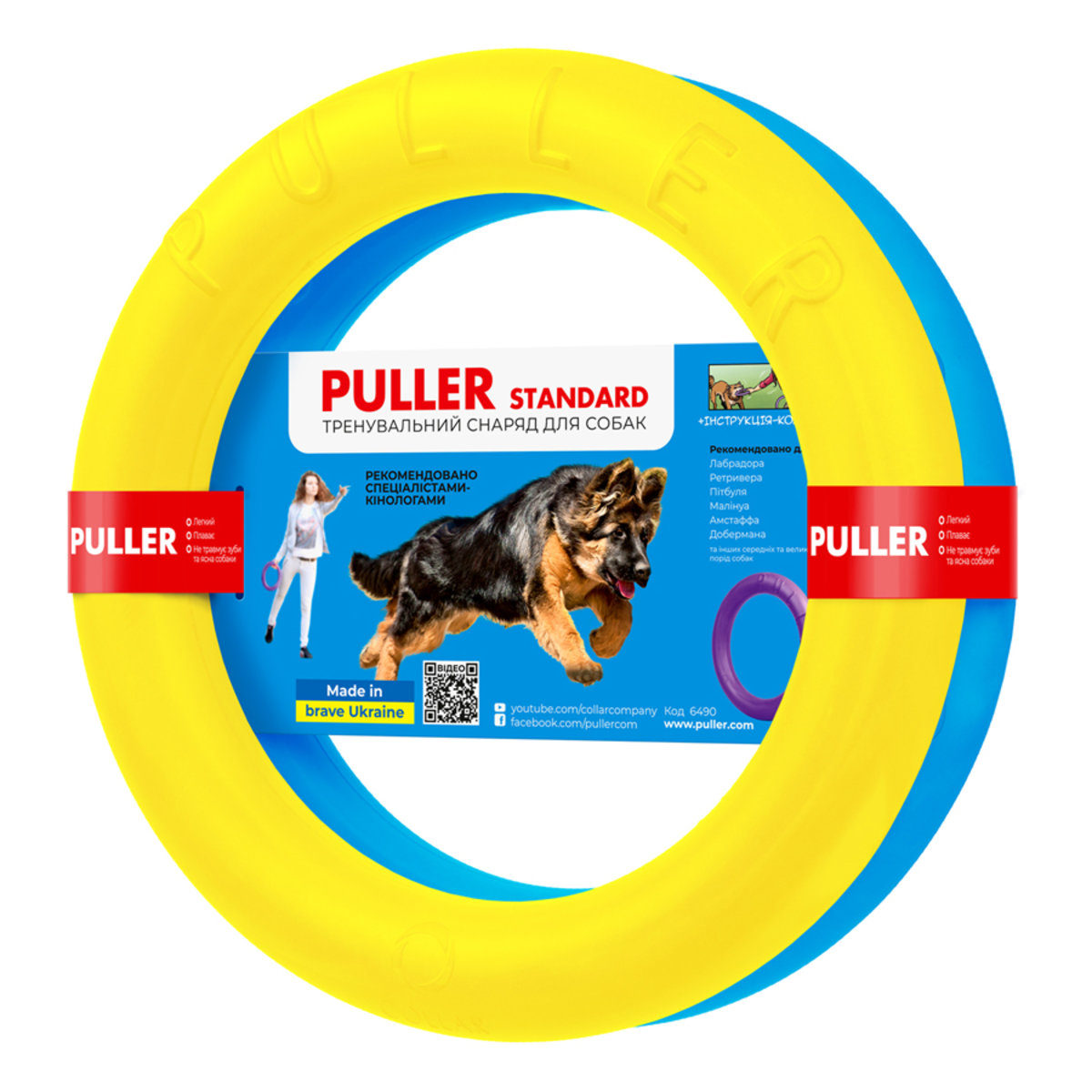
COLLAR Puller Colors of Freedom — training equipment for dogs, 28 cm
Buy
Why not only color but overall vision matters more for an owner
Although knowledge about dogs' color perception is useful for training and choosing toys, for an owner the dog's overall vision, visual sharpness, and eye health are much more important. Even if a dog does not see certain colors, well-functioning vision allows it to navigate space, avoid injuries, and react quickly to the environment.
Regular preventive checkups
A full eye examination should be carried out during routine visits to the veterinarian, especially if the breed is prone to ophthalmic problems.
Gentle eye hygiene
If needed, the eyes can be gently cleaned with special wipes or lotion without using harsh products or random solutions.
Attention to warning signs
Redness, tearing, cloudiness, frequent rubbing of the eyes with the paws, or worsening orientation in space are reasons not to postpone consulting a veterinarian.
Comfortable environment
Cleanliness, the absence of dust and irritants, and a safe space for movement help preserve a dog's vision for many years.
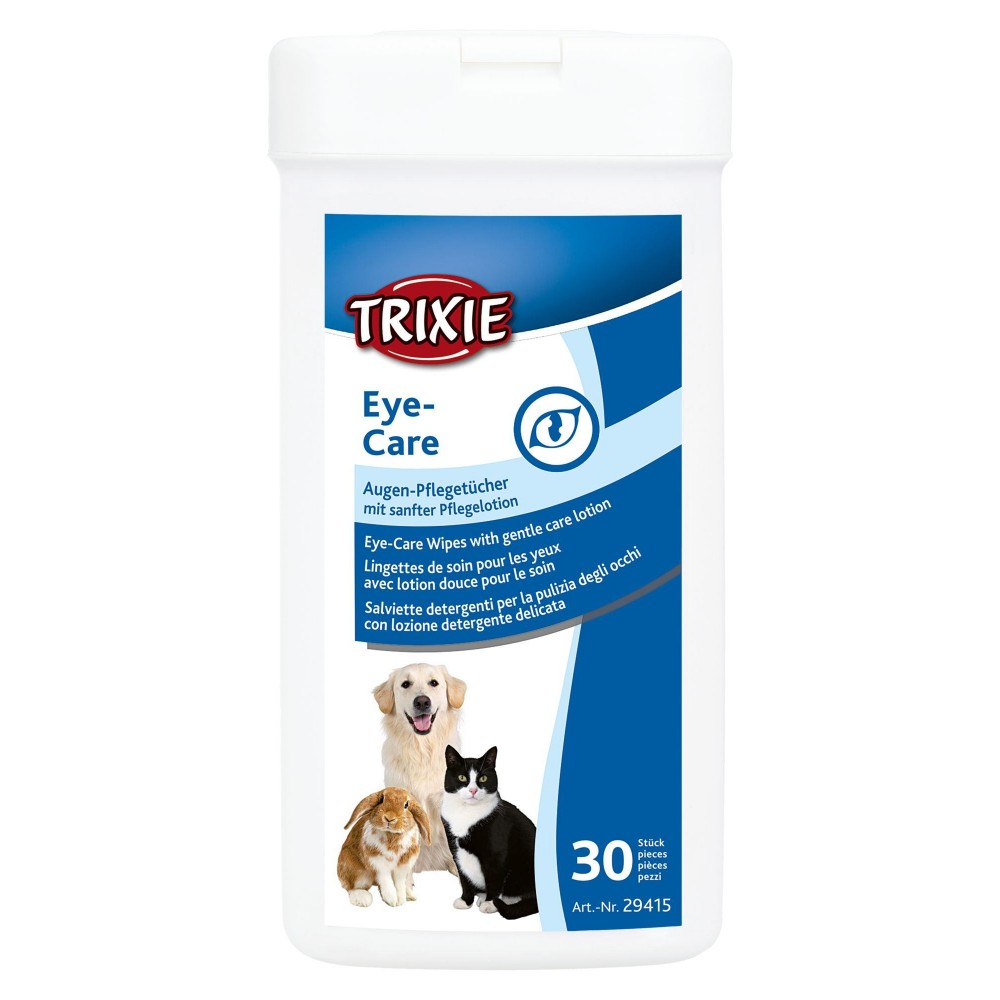
Trixie eye care wipes for dogs and cats, 30 pcs
Buy
ProVET SOFTVET eye hygiene lotion for cats and dogs, 15 ml
Buy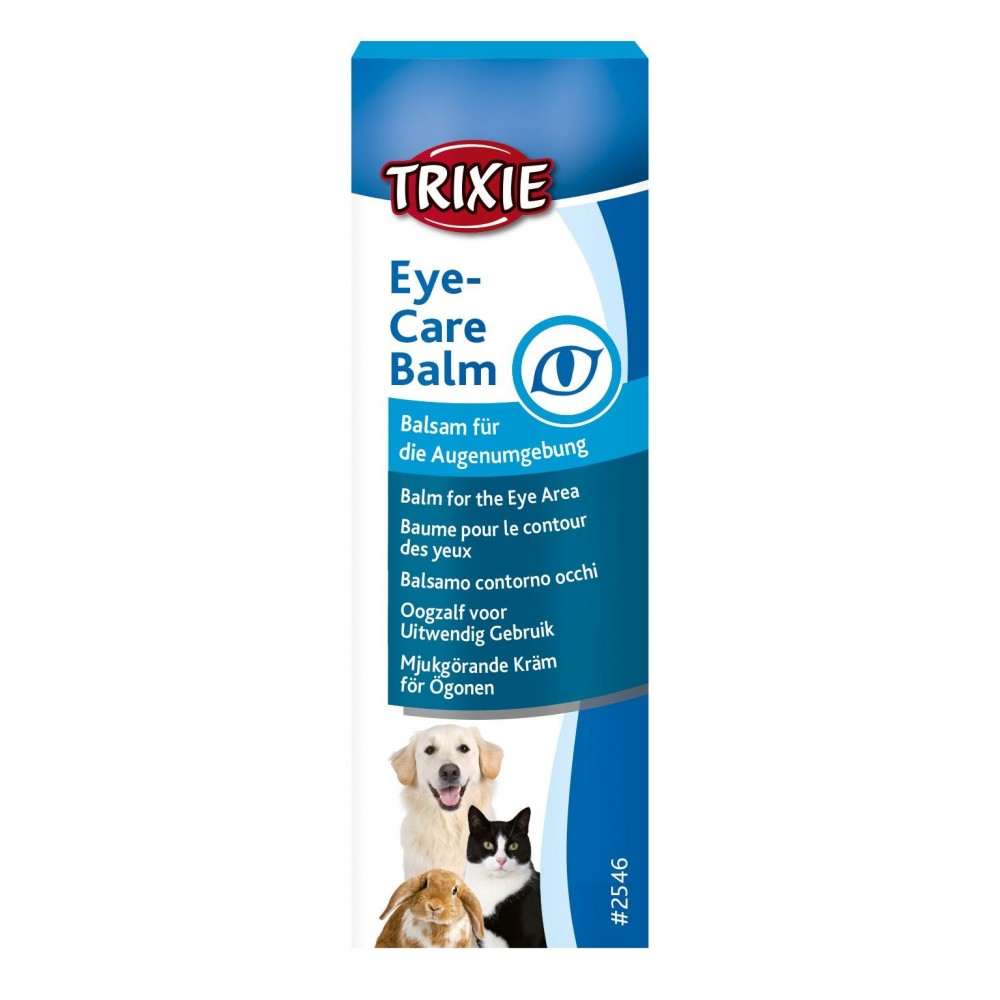
Trixie eye care lotion for dogs and cats, 50 ml
Buy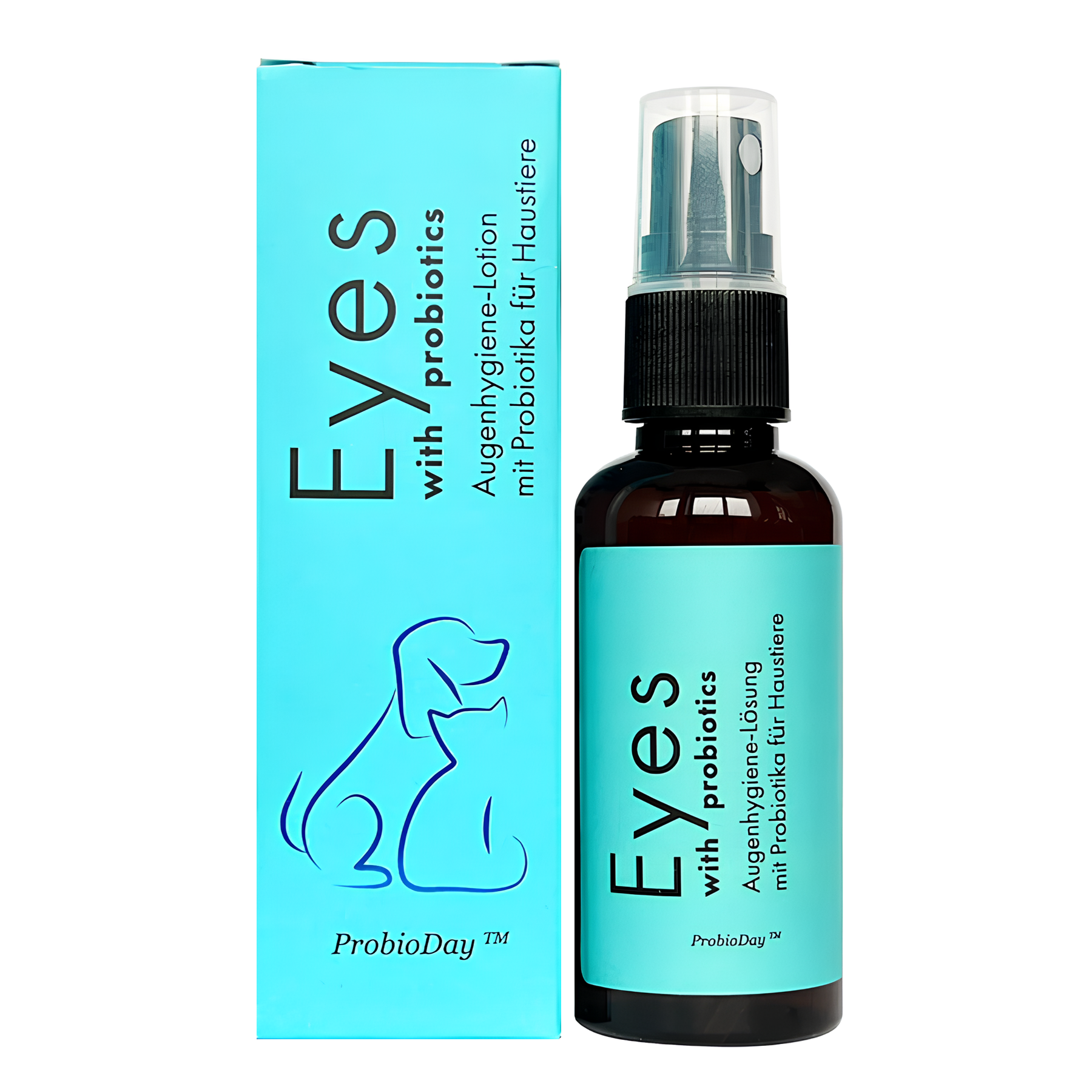
ProbioDay eye hygiene lotion with probiotics, 50 ml
Buy
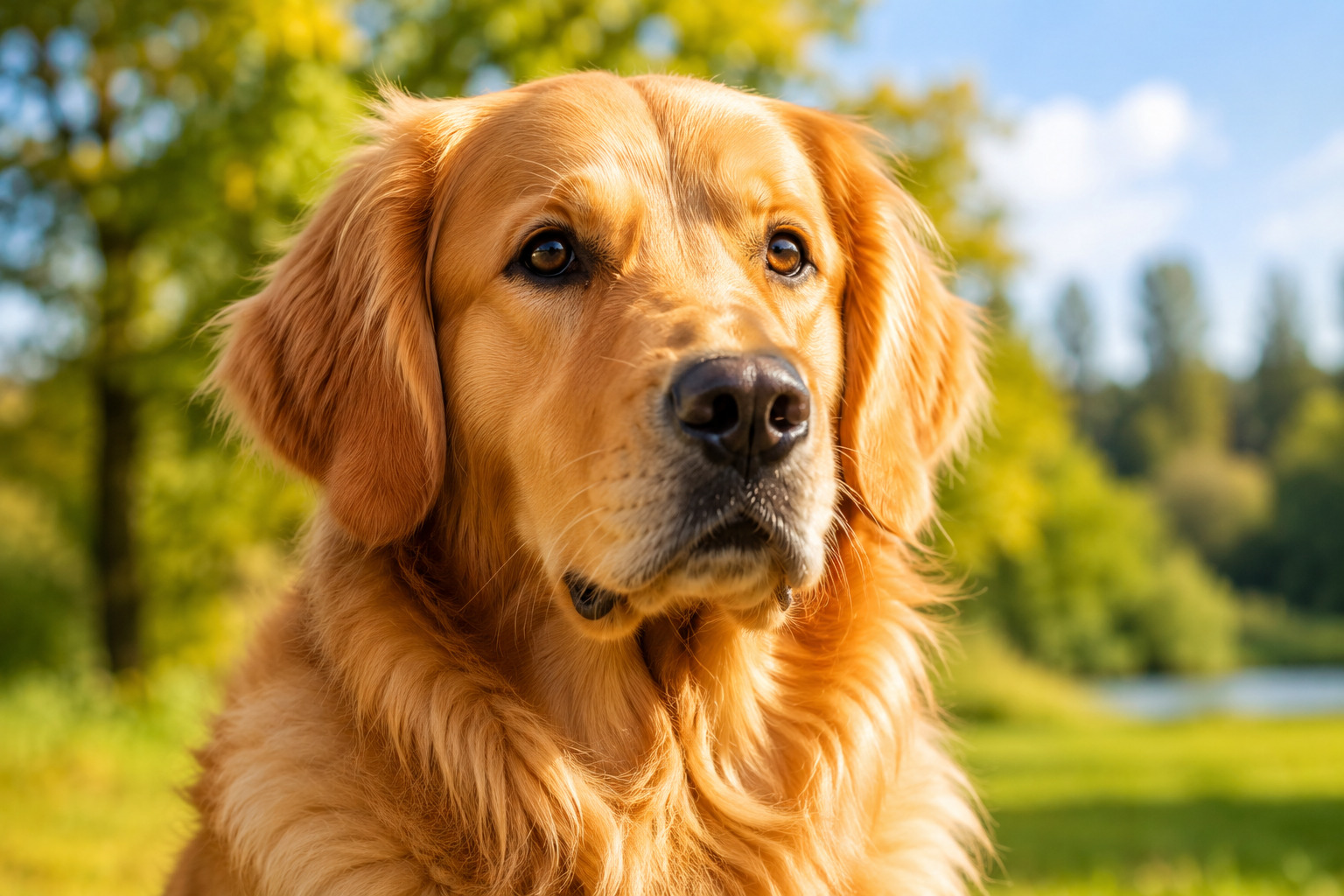
Caring for a dog's vision is not only about colors, but also about comfort, orientation in space, safety, and the quality of everyday life
Nutritional support and overall body condition
A dog's vision is closely linked to the body's overall condition. A complete diet, enough fatty acids, and stable digestive function help support not only the coat and skin, but also the animal's general sensory comfort.
- A high-quality complete food helps provide the body with essential nutrients.
- Fatty acids are important for the skin, coat, and overall physiological support.
- Good well-being, stable digestion, and the absence of chronic discomfort directly affect activity, behavior, and a dog's ability to interact confidently with the world.

HOME FOOD dry food for adult small-breed dogs «Turkey and Salmon» Healthy skin and shiny coat, 1.6 kg
Buy
HOME FOOD phytomin oil for dogs «Omega Balance» Omega-3, -6, -9 balance, 100 ml
Buy
HOME FOOD phytomin oil for dogs «Krill» for recovery after shedding, 100 ml
Buy
HePawSyn HOME FOOD Expert symbiotic for digestive and immune support, 250 g
Buy
Conclusion
The world a dog sees is different from ours: it is not as colorful in the human sense, but it is no less rich in sensations, smells, movement, and spatial signals. Understanding how a dog perceives colors helps us communicate with a pet better, make play and learning more convenient, and everyday life safer and more comfortable.
Ultimately, what matters more for a dog is not how we imagine its vision, but how attentively we care for its health, environment, and well-being every day.