HOME FOOD Blog: What Should a Healthy Dog's Nose Be Like?
What Should a Healthy Dog's Nose Be Like?
Many people have heard the rule: to check how a dog is feeling, just touch its nose. If it’s cold and wet — everything is fine; if it’s hot and dry — the dog is sick. But where did this rule come from, and how true is it?
Even responsible owners today often start worrying the moment they notice their pet’s nose has become warmer or drier. In reality, this is not always a sign of illness. The condition of the nose can change for completely harmless reasons — just as a cold and wet nose doesn’t always mean perfect health.
That’s why every dog owner should know what a healthy dog’s nose should be like and when changes really need to be taken seriously.
Why a dog’s nose is wet
A dog’s nose is an extremely important sensory organ. Smells help the animal navigate the world, find food, sense danger, and recognize other animals. This incredible sensitivity is due to the special structure of the nasal cavity: dogs have over 100 million olfactory receptors, while humans have only about 5 million.
The nasal turbinates and the outer part of the nose are covered with a mucous membrane that secretes a moisturizing fluid. That’s why a healthy dog’s nose is usually moist and cool. This condition helps better detect odors and maintains natural protection of the mucous membrane.
To keep the nose and the body healthy overall, it’s important to provide the dog with a complete diet and beneficial supplements, such as phytomins.
Moisture on the nose, combined with numerous receptors, allows the dog to pick up even the faintest scents from a great distance. Additionally, a wet nose performs several important functions:
- helps more accurately determine the direction of a smell or wind;
- reacts to the thermal radiation of living beings — thanks to this, puppies find their mother, and adult dogs can sense the warmth of potential prey or an opponent;
- contributes to light cooling of the body through moisture evaporation;
- protects the respiratory tract by trapping dust and small particles with the mucous secretion.
Answering the question “What should a healthy dog’s nose be like?” — usually it is moist and cool. However, there are exceptions to every rule.
Sometimes, even during illness, the nose can remain cold and wet — for example, if the dog has no fever but has other health issues. And if the tips of the ears become cold along with the nose, it may indicate hypothermia.
In a healthy animal, changes in the moisture or temperature of the nose are possible, but they are short-lived. Therefore, you should never judge a pet’s condition solely by its nose. Pay attention to other signs as well: coat condition, eyes (no redness or discharge), gums and tongue (no spots, plaque, or paleness), and the dog’s overall behavior.
If an owner wants to know the dog’s body temperature accurately, relying only on the nose is not enough. The most reliable method is to measure it with a thermometer. In dogs, temperature is taken rectally. The procedure takes about a minute and gives an accurate result. Normal temperature in an adult dog is usually between 37.5 and 39 °C.

A dry and hot nose in a dog as a sign of illness
We already know what a healthy dog’s nose should be like. Now let’s figure out when changes in its temperature or texture can indicate illness.
When a dog feels unwell, it’s rare for only the nose to change. Usually, dryness or increased temperature is accompanied by other symptoms: lethargy, loss of appetite, discharge from the eyes or nose, coughing, sneezing, or fever.
An unusual nose condition can be a symptom of the following diseases:
- Blocked tear ducts. Chronic dryness of the nose along with redness and wetness in the corners of the eyes.
- Allergy. The nose may be dry, warm, or even cool. Often accompanied by watery eyes, rashes, seborrhea, and itchy skin.
- Cold or inflammatory respiratory diseases (bronchitis, pneumonia). The dog sneezes, coughs, may have eye discharge, reduced activity, and loss of appetite.
- Canine distemper. The nose becomes hot and dry, body temperature rises, vomiting, diarrhea, and depression occur.
- Parasite infestation. Severe infestation can cause general weakness, affecting the nose as well.
- Rabies. Dryness and increased nose temperature can be one of the symptoms, especially combined with aggression, excessive salivation, and impaired coordination.
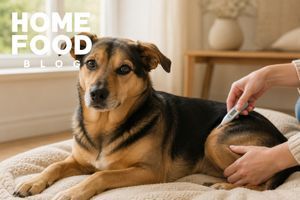
An owner should know how to react if their dog’s nose condition changes. First and foremost — don’t panic. Calmly assess the pet’s overall condition. If dryness appeared after sleep, long walks, or stress, just observe — usually everything returns to normal quickly.
Such changes can result from overly dry indoor air. In this case, to maintain comfort and prevent cracking, you can use a dog-specific balm or wax. It moisturizes the surface, creates a protective film, and helps restore natural moisture faster. Use such products in moderation and only those designed for animals — avoid human creams and ointments.
If there are signs of allergy, try eliminating possible irritants: change bowls or food, choose toys made from different materials, switch household chemicals, or change walking locations.
If dryness is accompanied by other symptoms — lethargy, refusal to eat, discharge from eyes or nose, fever — contact a veterinarian immediately.

Symbiotic for digestion and immunity support HePawSyn HOME FOOD Expert, 250 g
Buy
Salmon oil for skin health and shiny coat in dogs and cats, 100 ml
Buy
Paw wax for dogs and cats ProbioDay against cracks and dryness, 50 ml
Buy
Summary
A responsible owner should know what a healthy dog’s nose should be like, as it can give the first signals about the pet’s condition. However, remember that the nose alone is not always a reliable indicator of health, so the dog’s overall condition should always be evaluated comprehensively.