📌 HOME FOOD Blog: Why Does a Dog Eat Grass?
Why Does a Dog Eat Grass?
Many dog owners notice that their pets start showing interest in grass and eat it with appetite. This raises the question: why do dogs behave this way? In this article, we will look at the main reasons why dogs eat grass.
Harmless Reason: Instinctive Need for Fiber
Sometimes dogs eat grass because it is an instinctive need for vegetation. In the wild, wolves and other ancestors of domestic dogs enjoyed grass, which helped them improve digestion and obtain necessary vitamins and minerals. However, our domestic pets are not in the wild—feed your dog a balanced high-quality food, and they will not have the need to chew grass like their ancestors.

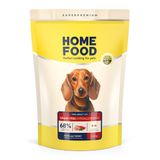
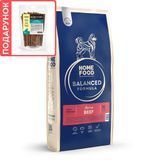
Hypoallergenic Dry Food HOME FOOD for Adult Small and Medium Breed Dogs Veal with Vegetables and Fragrant Herbs Hypoallergenic, 1.6 kg
Buy
Grain-Free Hypoallergenic Dry Food HOME FOOD for Adult Medium and Large Breed Dogs Duck and Chickpeas Grain-free hypoallergenic, 1.6 kg
Buy
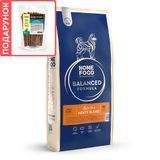
Hypoallergenic Dry Food HOME FOOD for Adult Large Breed Dogs Trout and Rice Hypoallergenic, 3 kg
Buy
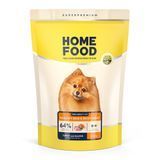
Grain-Free Hypoallergenic Dry Food HOME FOOD for Adult Small Breed Dogs Duck and Turkey Grain-free hypoallergenic, 1.6 kg
Buy
Protein Cookies with Turkey for Dogs HOME FOOD, 80 g
Buy
Treats for Dogs HOME FOOD Rabbit Meat Straws, 80 g
Buy
The Most Common Reason: Digestive Problems
Some dogs eat grass to relieve stomach discomfort. Grass can induce vomiting, which helps get rid of stomach upset or undigested food remnants. This is more common in dogs with sensitive stomachs. It is worth visiting a veterinary clinic and undergoing an examination.

Rare Reason: Nutrient Deficiency in the Diet
Four-legged friends may eat grass due to a lack of certain vitamins and minerals in their diet. This behavior can be an attempt to compensate for the deficiency of necessary nutrients. For the same reason, dogs may also consume various inedible items — feces, leaves, and the like. Such animals need careful diet balancing and adding vitamins and microelements in the required amounts.

Synbiotic for Digestion and Immunity Support HePawSyn HOME FOOD Expert, 250 g
Buy
Enterosorbent for Body Detoxification Detox Pro HOME FOOD Expert, 30 ml
Buy
Probiotic and Enzymes for Gut Microbiota Restoration ImmunoBiotic Pro HOME FOOD Expert, 20 g
Buy
Dolfos Multical - Vitamin-Mineral Complex for Dogs 90 pcs
Buy
Another Possible Reason: Interest in Tastes and Smells
Pets may consume grass simply because they are interested in its taste or smell. This behavior is questionable from a medical point of view, but it does sometimes occur.
Is It Okay for a Dog to Eat Grass?
Although many dogs occasionally nibble on grass, it should not be seen as completely harmless entertainment. Eating grass usually provides no significant benefit and can cause stomach irritation or vomiting, which is not a healthy process—especially dangerous if the grass has been treated with chemicals. Owners should closely monitor this behavior and try to limit it, offering safe alternatives or adjusting the diet.
What Grass Can a Dog Eat?
Dogs can be given small portions of certain types of grass, but this should be done cautiously. The safest options are ordinary lawn grass (without pesticides and fertilizers), oats, barley, and wheat sprouts. They are rich in fiber and vitamins and can somewhat aid digestion, but even these grasses should be given in moderation and ensured to be clean and untreated with chemicals.
Where Can and Cannot a Dog Eat Grass?
On a home lawn, a dog can occasionally nibble grass if no chemical fertilizers or pesticides have been used. During walks in natural areas such as forests, fields, or uncontaminated meadows, grass is usually safe and poses little health risk.
At the same time, be cautious with treated areas, agricultural fields, and public zones where plants may have been chemically treated or contaminated with bacteria, viruses, or worm eggs. Grass along roads is particularly undesirable, as it may contain toxins from vehicle exhaust. Even in relatively safe places, the owner should control the amount of grass the dog consumes to minimize health risks.
In conclusion, such “vegetarian” behavior in dogs can have various causes: from instinctive to physiological. It is important to closely monitor the pet's health and consult a veterinarian in case of any issues.