📌 HOME FOOD Blog: Food Intolerance in Dogs and Cats
Food Intolerance in Dogs and Cats
In today’s world, food intolerance in dogs and cats is quite common. This condition can arise not only from commercial pet foods but also from natural food components. The main causes are individual physiological differences, particularly variations in the production of digestive enzymes, bile, and pancreatic enzymes. These differences affect the ability to digest certain food components, which can lead to their incomplete breakdown and absorption in the gastrointestinal tract.
Undigested components may enter the bloodstream, triggering immune system reactions such as itching, dermatitis, or partial hair loss. Other manifestations of intolerance include functional digestive disorders—diarrhea, constipation, periodic vomiting, nausea, and bloating. It’s worth noting that these symptoms do not always indicate a pathology, especially if there are no concurrent diseases.
There are cases where animals have parasitic infestations (worms, dirofilaria), intracellular infections (toxoplasmosis, cryptosporidiosis, giardiasis, chlamydia), bacterial infections (E. coli), or viral diseases (herpes, parvovirus, leptospirosis). In such cases, symptoms may only appear under certain conditions, complicating diagnosis.
Algorithm for Identifying Individual Food Intolerance:
- Observation of symptoms (dyspeptic issues, skin rashes, redness, itching, excessive agitation or lethargy, tearing, inflammation of the external ear canal) in the animal’s parents or other relatives.
- Reaction to food (commercial or homemade) occurring after a certain period following consumption.
- The animal is fully vaccinated, kept in satisfactory sanitary-hygienic conditions, and does not come into contact with potentially sick animals.
- The dog or cat is spayed/neutered, does not receive hormone replacement therapy, and is not used uncontrollably for breeding.
- General blood tests show no significant changes, though a slight increase in eosinophils may be present.
- Urinalysis shows no leukocytosis, protein, sugar, crystals, or bacteria.
- Biochemical blood serum tests show no significant elevation in liver or kidney markers, glucose, or protein; slight increases/decreases in pancreatic enzymes or bile pigments are acceptable.
- The animal has an intestinal lactase deficiency (lactose intolerance).
Food intolerance can also be interpreted as an immune system reaction to a food component. The ideal diagnostic method is identifying the allergen through tests for specific immunoglobulins, widely used in modern veterinary practice.
Next Steps for Owners Upon Identifying Food Intolerance:
Choosing a Hypoallergenic Diet: Quality Over Quantity
In cases of food intolerance in dogs and cats, the key is not reducing the amount of proteins, fats, or calories but ensuring their high quality and bioavailability. Special attention should be given to protein sources—preference should be given to easily digestible ingredients, such as white sea fish or hydrolyzed proteins, which reduce the risk of immune reactions. Additionally, it’s important to avoid components that commonly cause allergies, including:
- Plant-based: soy, wheat, corn;
- Animal-based: beef, chicken, dairy products, eggs.
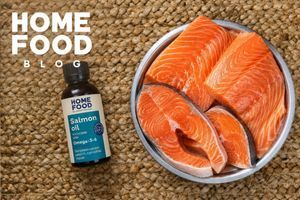
Adding Omega-3 fatty acids (e.g., from fish oil) helps reduce inflammation and supports skin health. It’s also advisable to include plant-based prebiotics to normalize gut function.

Phytomin for Dogs Salmon Oil for Skin Health and Coat Shine, 100 ml
Buy
Phytomin for Cats Salmon Oil for Skin Health and Coat Shine, 100 ml
Buy
Phytomin for Cats Krill Oil for Recovery After Shedding, 100 ml
Buy
Phytomin for Dogs Krill Oil for Recovery After Shedding, 100 ml
BuyIt’s important to remember that selecting a hypoallergenic diet may take months, and this is a normal process. No living organism is immune to hypersensitivity to any product. If no signs of intolerance are observed within 2–3 months of consuming a specific diet (without additional table scraps), the issue can be considered resolved.
Scientific Evidence:
Food intolerance in dogs and cats can manifest through various symptoms, including skin and gastrointestinal disorders. Diagnosis often relies on ruling out other causes and conducting dietary trials. According to studies, the most common allergens in dogs are beef, dairy products, chicken, and wheat, while in cats, they are beef, fish, and chicken (PMID: 26753610, PMCID: PMC4710035, DOI: 10.1186/s12917-016-0633-8).
Dietary trials with limited antigen sets and subsequent provocation tests are the optimal method for confirming a diagnosis of food allergy in dogs and cats (PMID: 38956779, DOI: 10.1111/vde.13274). However, conducting an effective dietary trial can be challenging, as it requires a high level of owner compliance and proper diet selection.
It’s also important to consider that food allergies can coexist with other allergic conditions, such as atopic dermatitis in dogs or feline atopic skin syndrome in cats (PMID: 36917613, DOI: 10.2460/javam.22.12.0548).

Additional Risk Factors: Quality of Meat Raw Materials
It’s important to understand that potential food allergens can be transmitted through the meat of livestock animals if they themselves had immune reactions or were treated with medications not properly cleared from their system. For example, blood plasma proteins or residual drug fragments may remain in animal tissues, particularly in the liver, muscles, or kidneys, causing sensitization in the consumer—dog or cat. This is especially relevant when raw materials come from animals treated with antibiotics, hormones, or growth stimulants without adhering to the required withdrawal period.
Therefore, for pet food manufacturers, adhering to high standards of quality and safety, particularly the HACCP (Hazard Analysis and Critical Control Points) system, is critical.
At Homefood, this system is implemented at all production stages—from raw material selection to storage of finished products. This ensures control over toxic residues, microbiological contaminants, and traceability of meat, fish, grain, and other ingredients. Only this approach guarantees that safe, non-allergenic products reach the pet’s system, which is especially important for animals with sensitive immune systems or a predisposition to food intolerance.
Treatment and Prevention
In cases of acute food intolerance in dogs or cats—such as sudden vomiting, diarrhea, itching, facial swelling, or difficulty breathing—immediate veterinary attention is necessary, as these symptoms may indicate a severe immune reaction. Emergency treatment typically includes antihistamines, corticosteroids, infusion therapy, and sorbents, and in severe cases, hospitalization.
However, preventing food intolerance is significantly more effective and safer than treatment. Prevention involves eliminating potential allergens from the diet and switching to specialized hypoallergenic foods designed with sensitivity to protein and carbohydrate sources in mind. Homefood offers a range of such foods—containing only high-quality, easily digestible ingredients, free from gluten, artificial flavors, or dyes. Regular use of these products helps reduce the risk of allergic reactions and supports the pet’s overall immune balance.

Hypoallergenic Dry Food for Adult Small Breed Dogs Trout and Rice Hypoallergenic, 1.6 kg
Buy
Hypoallergenic Dry Food for Adult Medium Breed Dogs Trout and Rice Hypoallergenic, 1.6 kg
Buy
Hypoallergenic Dry Food for Adult Large Breed Dogs Trout and Rice Hypoallergenic, 3 kg
Buy
Grain-Free Hypoallergenic Dry Food for Adult Small Breed Dogs Duck and Turkey Grain-free Hypoallergenic, 1.6 kg
Buy
Grain-Free Hypoallergenic Dry Food for Adult Medium and Large Breed Dogs Duck and Chickpea Grain-free Hypoallergenic, 1.6 kg
Buy
Hypoallergenic Dry Food for Adult Small and Medium Breed Dogs Veal with Vegetables and Aromatic Herbs Hypoallergenic, 1.6 kg
Buy
Grain-Free Hypoallergenic Dry Food for Adult Spayed/Neutered Cats Duck and Pear Grain-free Hypoallergenic, Suitable for Exotic Breeds, 1.6 kg
Buy
Hypoallergenic Dry Food for Adult Spayed/Neutered Cats Seafood Cocktail Hypoallergenic, 1.6 kg
Buy
For animals with food intolerance, it’s especially important to choose functional supplements and treats that are not only safe but also have preventive or supportive effects. Such products are made from hypoallergenic ingredients, free from gluten, artificial colors, flavors, or enhancers, and often exclude proteins that are common allergens. This category includes phyto-treats with mint, chamomile, nettle, or flax, as well as natural sorbents (zeolite, pectin, clinoptilolite) and prebiotic complexes, which support digestion, eliminate toxins, and reduce mucous membrane irritation.

Phytopaste AnimAll VetLine Gastrointestinal for Normalizing Gastrointestinal Function in Cats, 100 g
Buy
ECO PASTE Vitomax for Gastrointestinal Health in Cats, 100 g
Buy
Symbiotic for Digestion and Immunity Support HePawSyn HOME FOOD Expert, 250 g
BuyParticularly valuable are supplements with Omega-3, enzymes, or immunomodulators (e.g., beta-glucans), which help reduce inflammatory reactions and normalize metabolism. All these products can be used as supplements to a hypoallergenic diet or during flare-ups to alleviate symptoms and support the pet’s overall condition.