📌 HOME FOOD Blog: tips on care, health, and nutrition for cats and dogs. 🩺 Relevant articles for caring pet owners ❤️
When and how dogs change their teeth: puppy milk teeth, permanent bite, signs of the norm, risks, and help during teething

A puppy's first teeth are not just small white "needles" with which they learn to hold a toy or gently pull your finger. This is one of the first signs that the baby is growing, transitioning from a helpless infant into a real dog with its own character, strength, and future health.
The period of teething in dogs is short, but extremely important. It is during this time that the bite, correct teeth alignment, and gum health for many years ahead are formed. What happens at the age of a few months subsequently determines whether the dog will be able to eat, play, hold objects comfortably, and live without pain.
For a puppy, this is a stage of discomfort and discoveries: gums itch, there is a desire to chew on everything, and the world seems to change along with them. For the owner, this is the first real test of attentiveness and care.
Anatomy and physiology of dog teeth
To understand the process of teething, it is important to know the normal anatomy and physiology of a dog's dental system. This is not a chaotic process, but a strictly programmed stage of growth, which has its own timing, sequence, and clinical signs.
The emergence of milk teeth
Puppies are born toothless. The first teeth begin to erupt at a very early age.
- 2–3 weeks — incisors.
- 3–4 weeks — canines.
- 4–6 weeks — premolars.
- Molars are absent in the primary (milk) dentition.
In total, a dog has 28 milk teeth: 12 incisors, 4 canines, and 12 premolars. By 6–8 weeks of age, a puppy develops a full set of milk teeth.
When and how milk teeth fall out
- 3–4 months — incisors fall out.
- 4–5 months — canines change.
- 5–6 months — premolars fall out.
All 28 milk teeth must be replaced by permanent ones. If a milk tooth has not fallen out, this is already a deviation from the norm. Physiologically, the root of a milk tooth gradually resorbs, the tooth becomes loose and falls out on its own, often unnoticed by the owner. Puppies swallow most of their milk teeth with food, and this is normal.
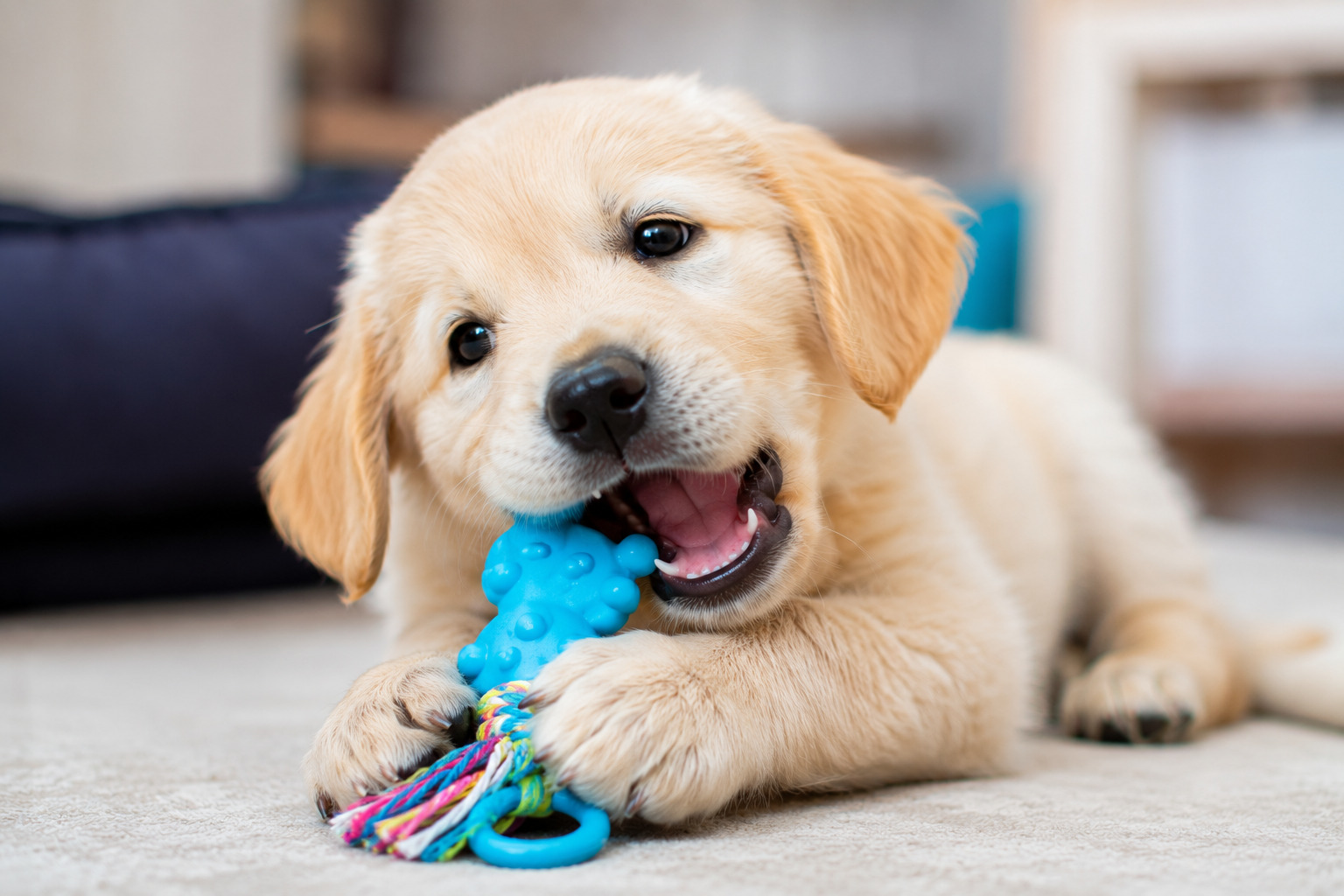

Teething in dogs is a controlled physiological process, not a matter of "luck"
The growth of permanent teeth
Permanent teeth begin to erupt around 3–4 months. The formation of the permanent bite is usually completed by 6–7 months.
An adult dog has 42 permanent teeth: 12 incisors, 4 canines, 16 premolars, and 10 molars. Molars appear only in the permanent dentition, which is why the number of teeth increases from 28 to 42.
What happens to the gums and jaw
During teething, the gums become more sensitive, slight redness is possible, and a physiological itch appears. The jaws are actively growing, and the teeth may look a bit crooked at first or change position as they grow. This is normal only until the teething process is completed.
How it manifests in behavior
- the puppy chews on everything;
- an interest in solid objects appears;
- a possible decrease in appetite;
- there is cautious chewing or refusal of dry food;
- increased salivation, mild irritability, or a need for contact are possible.
These are normal manifestations if they are short-lived and there is no sharp pain, pus, or severe swelling. After 6–7 months, normally, there should be no milk teeth left, and the bite should be formed. If this hasn't happened, an examination by a veterinary dentist is needed.
How to help a puppy during teething
The teething period is a time when the owner can actually influence the proper development of the dental system. The goal is not to speed up the shedding of milk teeth, but to create conditions under which permanent teeth grow physiologically, and discomfort for the puppy is minimized.
Regular examination of the oral cavity
Examine the teeth 1–2 times a week. Pay attention to "double" teeth, asymmetry, redness, and swelling of the gums. Retained teeth are not a cosmetic problem, but a risk of malocclusion and inflammation.
Proper nutrition
When choosing food, pay attention to the kibble size appropriate for the jaw, and the balance of nutrients: calcium, phosphorus, and vitamin D. An excess of calcium is just as harmful as its deficiency.
Safe chewing
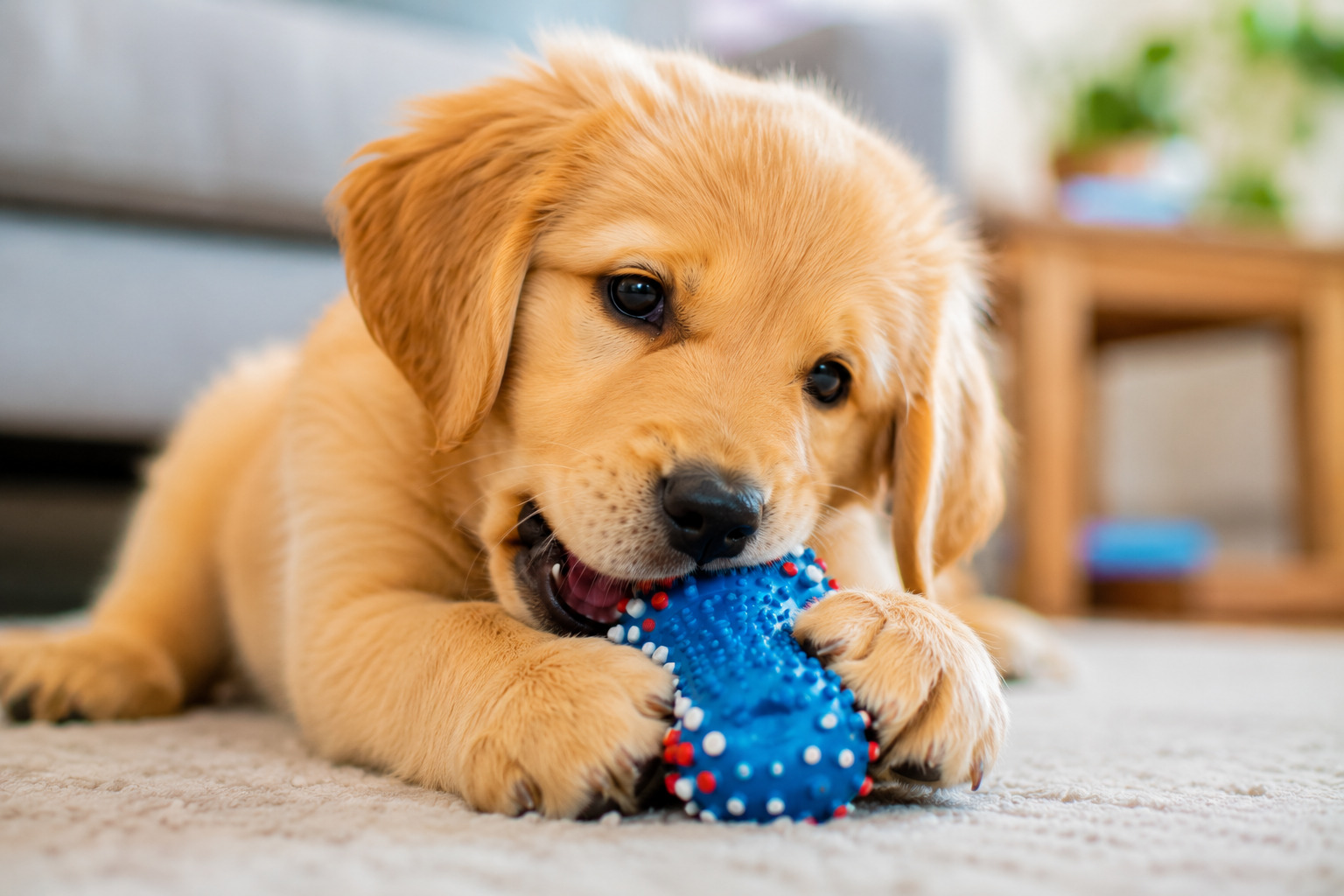
A puppy chews not out of "spite", but because of the physiological itching of the gums. Channel this desire in a safe direction: choose treats and toys according to the size of the jaw.
Gum massage without pressure
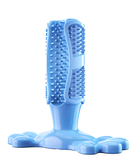
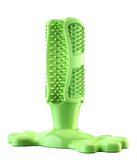
You can gently massage the gums with a clean finger or a silicone brush. Do this briefly, without pressure, in a calm atmosphere. If the puppy protests, do not insist.

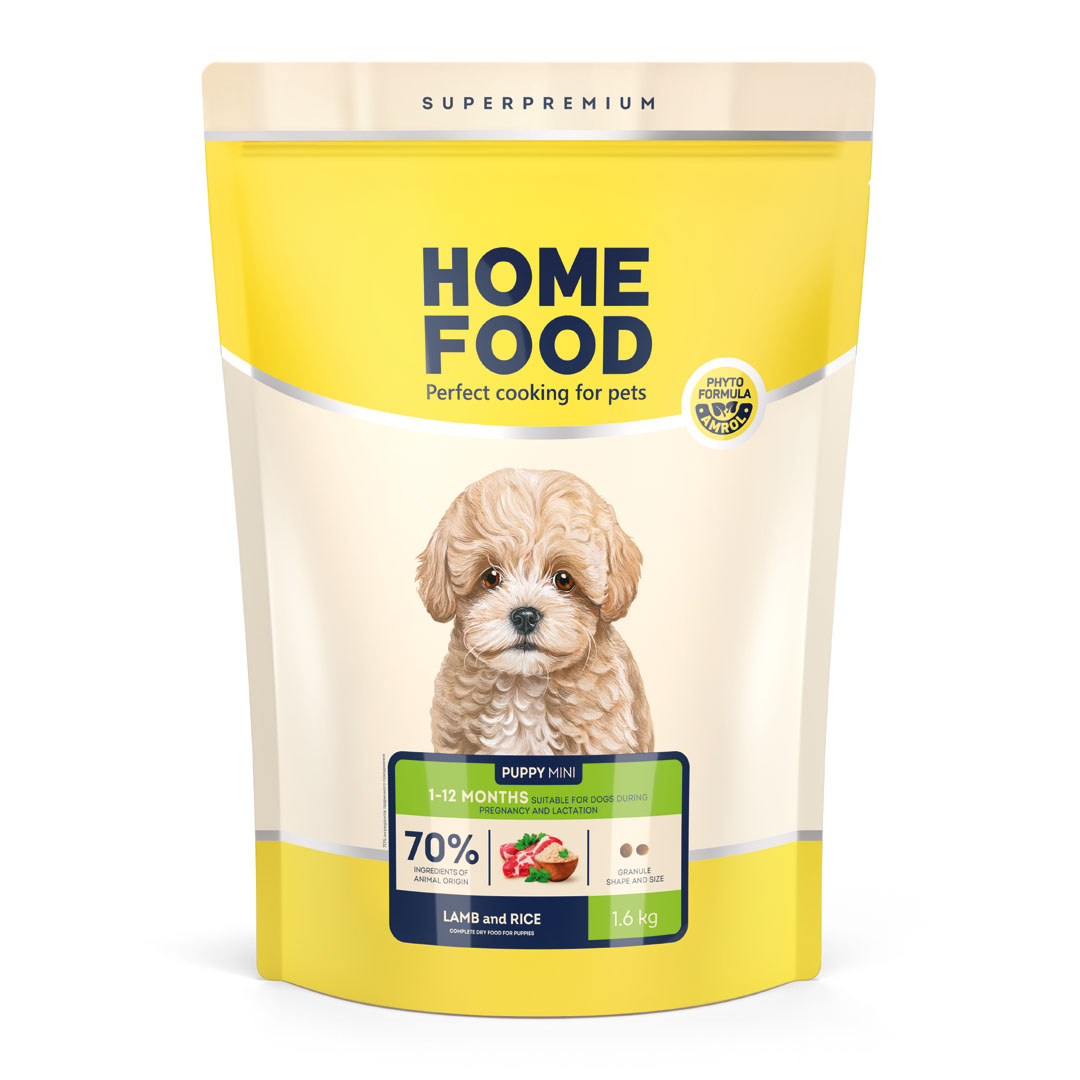
HOME FOOD dry food for small breed puppies Lamb and rice, 1.6 kg
Buy
HOME FOOD hypoallergenic dry food for medium and large breed puppies Trout and rice, 1.6 kg
Buy
Easing the chewing period
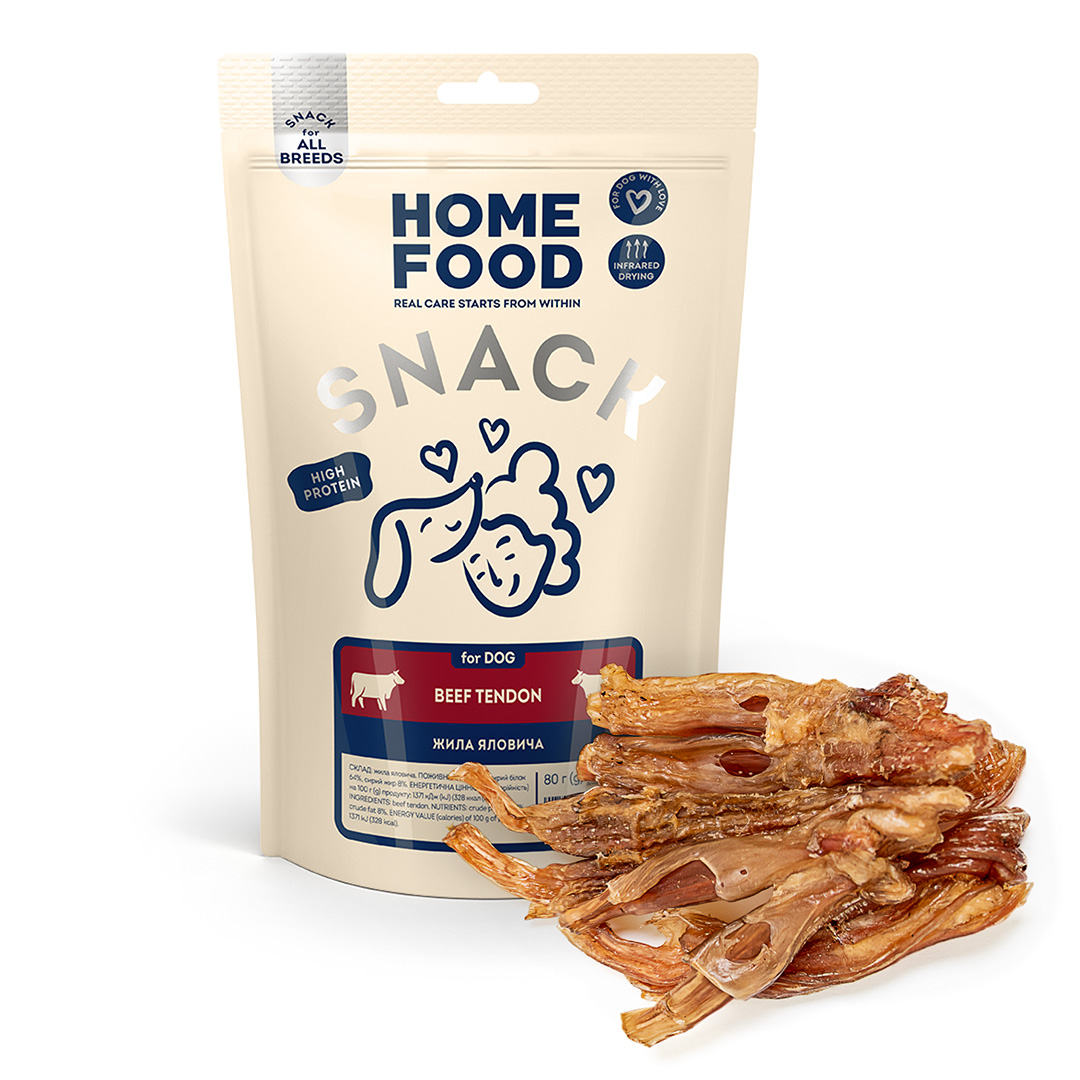
For small and miniature breeds, dried lungs, salmon skins, meat snacks, beef heart, or chicken fillet are suitable. For medium and large breeds, you can choose nuchal ligaments, beef tendons, aorta, or tripe. Chewy treats should be firm enough, but not stone-hard, and should not crumble into sharp fragments.
The total amount of treats should be no more than 15% of the daily diet.
Chew toys: benefit, not harm
- Suitable: toys made of safe, non-toxic materials, elastic, appropriate for the size of the jaw, and those that do not wear down enamel.
- Not suitable: excessively hard objects, stones, antlers, or bones that are not intended for puppies.

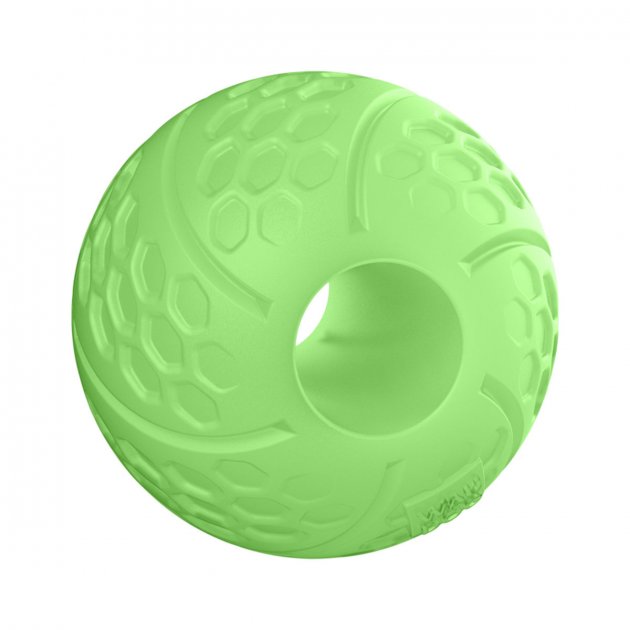
WAUDOG Fun — a glow-in-the-dark dog ball with a treat hole, 7 cm
Buy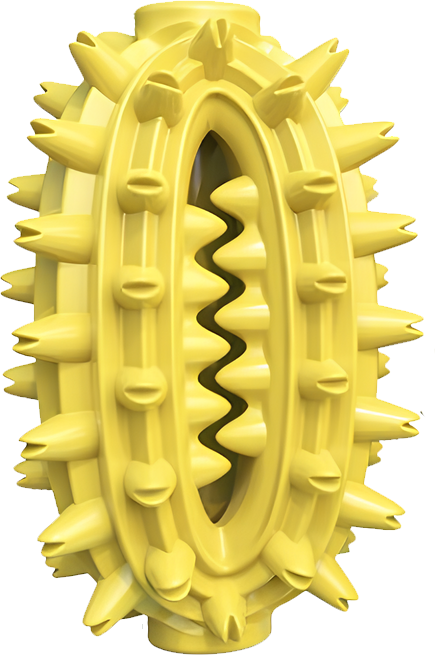
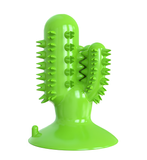
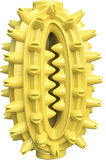
Cactus Tooth Ball Yellow — a toothbrush for dogs
Buy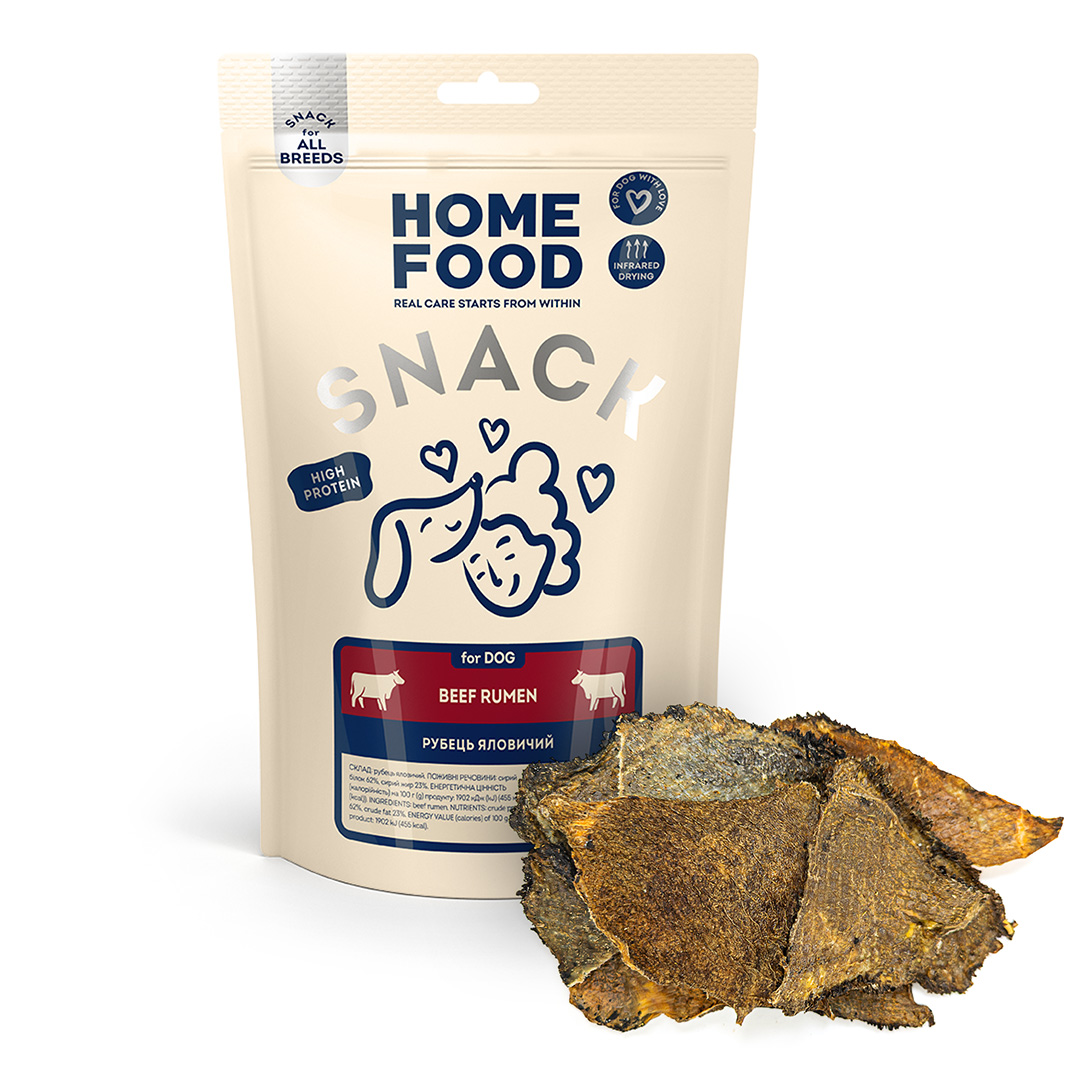
HOME FOOD dog treats Beef tripe, 80 g
Buy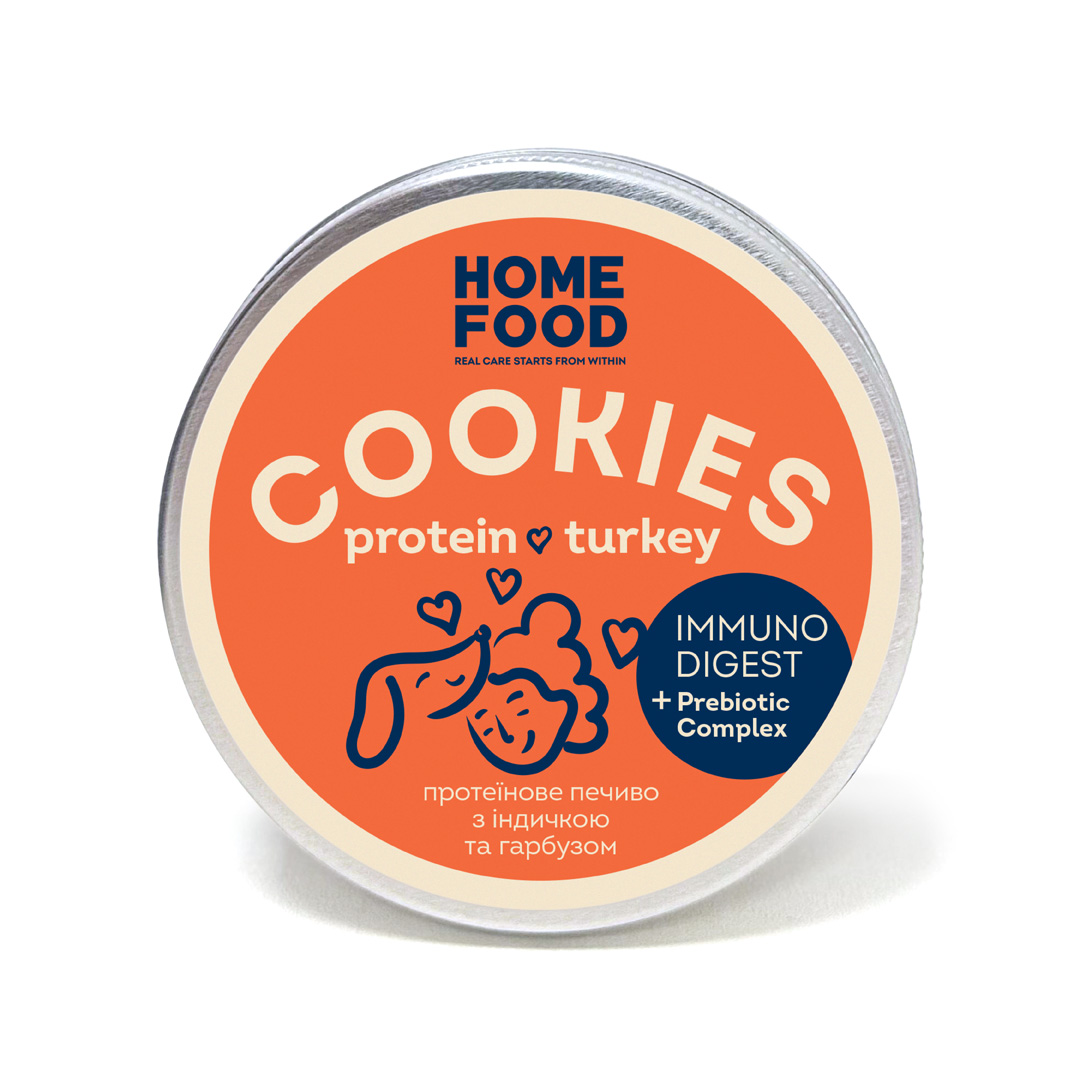
HOME FOOD Protein cookies with turkey and pumpkin for dogs, 80 g
Buy
The puppy doesn't need you to do more. It needs you not to interfere with nature and to help where it truly matters
Typical mistakes made by owners
- Pulling the toy towards yourself when the puppy holds it with its teeth. This risks injuring the primordium of the permanent tooth and altering the bite.
- Pulling out milk teeth on your own. This involves pain, potential infection, and the risk of damaging the permanent tooth.
- Giving objects that are too hard "to make teeth fall out faster". This can cause enamel cracks, fractures, and chronic pain.
- Ignoring retained teeth. Such problems often have to be solved under anesthesia.
Conclusion
Teething is not a time for rush or experiments. It is a time for gentle support, attentiveness, and correct decisions. Healthy teeth do not grow by chance: they are simply allowed to grow properly.
This is how dogs grow up with strong teeth, a proper bite, and trust in the hands of their owner.