📌 HOME FOOD Blog: Features of Nutrition for Junior Dogs
Features of Nutrition for Junior Dogs
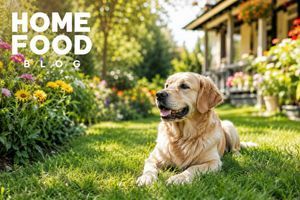
The period from 9 to 18 months in dogs is characterized by the completion of sexual maturation and the active stabilization of the body's physiological functions. It is during this time that a dog transitions from the puppy category to the group known as "juniors"—animals that already have a formed skeleton, replaced permanent teeth, a clearly defined muscular structure, and a mature coat, yet have not yet achieved the full metabolic and hormonal stability of an adult organism.
The junior age is a critically important stage in a dog's development, when needs for energy, proteins, micro- and macronutrients remain elevated but are significantly different from the early puppy period. Therefore, optimally balanced nutrition during this time plays a key role in shaping a healthy, resilient, and physically active adult dog.
Key Nutrients for Junior Dogs: Official Recommendations from FEDIAF and AAFCO
The diet of dogs in the transitional age from puppy to adult must be not only nutritious but also physiologically balanced according to scientific standards. To support harmonious growth, skeletal development, muscle tissue, immune and nervous systems, juniors require precisely defined amounts of key macro- and micronutrients.
Below is a generalized table presenting recommended levels of key nutrients based on breed size—according to data from AAFCO (USA) and FEDIAF (Europe), two authoritative international organizations in veterinary nutrition.
Table: Recommended Nutrient Norms for Junior Dogs
| Nutrient | Small Breeds (up to 10 kg) |
Medium Breeds (10–25 kg) |
Large Breeds (>25 kg) |
Source |
|---|---|---|---|---|
| Protein | ≥ 22% | ≥ 22% | ≥ 22% | AAFCO |
| Fats | ≥ 8% | ≥ 8% | ≥ 8% | AAFCO |
| Calcium | 1.2–1.8% | 1.2–1.8% | 0.8–1.2% | FEDIAF |
| Phosphorus | 1.0–1.6% | 1.0–1.6% | 0.6–1.0% | FEDIAF |
| Ca:P | 1:1 – 1.5:1 | 1:1 – 1.5:1 | 1:1 – 1.5:1 | FEDIAF |
| Omega-3 (DHA + EPA) | ≥ 0.05% | ≥ 0.05% | ≥ 0.05% | AAFCO |
| Vitamin D₃ | 500 IU/kg | 500 IU/kg | 500 IU/kg | AAFCO |
| Vitamin E | ≥ 50 IU/kg | ≥ 50 IU/kg | ≥ 50 IU/kg | AAFCO |
| Iodine | 0.35–1.5 mg/kg | 0.35–1.5 mg/kg | 0.35–1.5 mg/kg | FEDIAF |
| Fiber | ≤ 5% | ≤ 5% | ≤ 5% | AAFCO |
Why These Nutrients?
The selected nutrients are critically important for dogs during their growth period:
- Protein and fats — the foundation for tissue building and energy source.
- Calcium, phosphorus, and Ca:P ratio — key for skeletal development, especially in large breeds.
- DHA/EPA (Omega-3) — support the development of the nervous system and cognitive functions.
- Vitamins D₃ and E — regulate mineral metabolism and strengthen antioxidant protection.
- Iodine — essential for the stable functioning of the thyroid gland.
- Fiber — important for forming a stable gut microbiome.
Junior Diet: Balance of Nutrients and Caloric Content
Proper nutrition in the junior age lays the foundation for a dog's health throughout its life. Here are the key components of the diet that should be present in food for young small-breed dogs:
Recommended Protein Sources
- Animal origin — the basis of the diet: chicken, turkey, lamb, beef, salmon, eggs. Highly digestible proteins support muscle growth and immune health.
Recommended Fat Sources
- Animal fat (poultry, fish).
- Omega-3 and Omega-6 fatty acids — important for brain, skin, and coat development (fish oil, salmon oil, flaxseed oil).
Recommended Carbohydrate Sources
- Grains (in moderation): brown rice, oats, barley.
- For small breeds: less than 20% grains in the composition.
- For large breeds: up to 30% grains permitted.
- Alternatives to grains:
- Sweet potato, pumpkin, green peas, chickpeas — easily digestible and reduce glycemic load.
While grains are a source of carbohydrates and some nutrients, excessive amounts in food can lead to:
- Reduced macronutrient absorption: Studies show that diets high in grains reduce the absorption of proteins and fats in dogs.
- Increased risk of allergic reactions: Although grain allergies in dogs are rare, some animals may have sensitivities to certain grain components.
- Potential impact on heart health: Some research points to a link between grain-free diets and dilated cardiomyopathy in dogs, which is particularly relevant for large breeds.
Thus, for junior small breeds, it is recommended to use feeds with moderate or low grain content to ensure optimal nutrient absorption and minimize potential health risks.

Grain-Free Hypoallergenic Dry Food for Adult Small Breed Dogs Duck and Turkey, 1.6 kg
Buy
Grain-Free Hypoallergenic Dry Food for Adult Medium and Large Breed Dogs Duck and Chickpeas, 1.6 kg
Buy
Fiber
- Supports gut health, forms the microbiome, and regulates bowel movements.
- Recommended sources:
- Beet pulp, apple pomace, flax, inulin, FOS/MOS
Caloric Content of Food
- The high metabolism of junior dogs requires more energy per kg of body weight.
- Recommended caloric content:
- 370–420 kcal/100 g of food.
- Ensures stable growth, activity, and resilience to stress.

Dry Food for Active Adult and Junior Dogs of Medium and Large Breeds Lamb and Rice, 1.6 kg
Buy
Low-Grain Dry Food for Active Adult and Junior Small Breed Dogs Lamb and Rice, 1.6 kg
Buy

Feeding Schedule and Frequency: When, How Much, and Why?
9–12 Months
Recommended: 2 times a day.
During this period, the body is still actively growing, and metabolism remains high. Frequent meals help prevent hypoglycemia, especially in small breeds, and ensure a steady energy supply.
12–15 Months
Recommended: 2 times a day.
By this time, the stomach volume is typically sufficient for twice-daily feeding. This suits most medium and large breeds without gastrointestinal issues.
15–18 Months
Recommended: 1–2 times a day (individually).
For large and giant breeds, this period may still involve growth, so a twice-daily regimen is maintained. For small breeds, with stable appetite and normal weight, a transition to one full feeding with snacks/treats throughout the day is possible.
Important to consider individual dog characteristics:
- activity level;
- breed and size;
- appetite;
- presence of training or work-related stress.
Regularity and consistency in the feeding schedule are key to healthy digestion, obesity prevention, and emotional comfort.
Feeding Juniors with an Active Lifestyle
Dogs with high physical activity (walks, play, training) require a coordinated feeding schedule based on their workload:
- Before activity: no later than 1–1.5 hours before exertion.
- After activity: not earlier than 30–60 minutes, allowing the body to cool down and stabilize metabolism.
Service, Sporting, and Working Juniors: Specific Regimens
Dogs undergoing active training, serving, or participating in competitions have increased energy needs and require an individualized schedule:
Core principles:
- Twice-daily feeding:
- Morning — a light energy portion (to maintain tone).
- Evening — main feeding after all physical exertion.
- Specialized feeds:
- Higher protein and fat content.
- Reduced fiber for better absorption.
- Energy regulation:
- On active workdays — higher caloric content.
- On rest days — portion control or switch to lighter food.
A properly calculated feeding regimen for a junior is the foundation for long-term health, stable development, and prevention of metabolic complications.

Dry Food for Active Adult Medium Breed Dogs "Beef" Active Balanced Formula, 10 kg
Buy
Dry Food for Active Adult Large Breed Dogs "Beef" Active Balanced Formula, 10 kg
Buy
Drinking Regimen for Juniors: How Much and How Properly?
Water balance for dogs in their junior age is as important as nutrition. During this period, the body grows actively, muscle tissue forms, kidneys adapt to adult filtration, and physical activity is often increased—all of which create a higher need for fluids.
How Much Water Does a Junior Need?
The daily water requirement averages:
- 40–60 ml per 1 kg of body weight — for dogs with moderate activity levels;
- 60–100 ml per 1 kg of body weight — for active, sporting, or working dogs.
Compared to adult animals, juniors consume more water due to their higher metabolic rate and thermoregulation needs. Small breeds are particularly sensitive to dehydration due to a smaller volume of circulating fluid.
Water After Physical Exertion
After intense activity or training:
- The first portion of water is best given 10–15 minutes after the end of exertion, in small doses.
- This reduces the risk of stomach discomfort and maintains optimal electrolyte balance.
Specialized Solutions: Water with Succinic Acid
For active, service, or sporting dogs during their growth period, the use of specialized functional water enriched with succinic acid can be beneficial. Such water:
- Supports energy metabolism.
- Improves cellular respiration.
- Promotes recovery after exertion.

Drinking Water for Dogs to Boost Immunity, 1 L
Buy
Remember that constant access to fresh, clean water is the foundation of health, vitality, and harmonious development for a young dog.
The junior age of a dog is not just a "transitional period" but a crucial foundation for its entire future life. Properly selected, balanced nutrition tailored to energy expenditure, activity, and breed ensures a strong immune system, healthy growth, and harmonious development. However, maintaining a stable drinking regimen is equally important, as water is a vital component during rapid metabolism.
At the same time, it’s worth remembering that juniors are not just "eaters and athletes" but also emotionally sensitive, curious creatures. They need not only quality food but also attention, communication, warmth, and love from their owner. Boredom is the enemy of their development. Therefore, daily walks, training, play, and even simply being close to you are just as significant as the grams of well-chosen protein.
And don’t forget about healthy treats. They not only delight your furry friend but also support their psycho-emotional balance, especially during moments of loneliness or training. However, treats should be functional: free of excess sugar, beneficial for health—as an additional incentive, not a substitute for love.

Treats for Dogs Beef Trachea, 80 g
Buy
Treats for Dogs Beef Tendon, 80 g
Buy
Treats for Dogs Beef Aorta, 80 g
Buy
Protein Cookies with Turkey for Dogs, 80 g
Buy
By caring for your junior's nutrition, activity, water intake, and emotional well-being, you are laying the foundation for a happy, healthy, and long life for your dog. And your care, understanding, and attention are the best investment in its future.