📌 HOME FOOD Blog: Signs of Sensitive Digestion in Cats
Signs of Sensitive Digestion in Cats
«Cats are more than just pets. They are souls walking beside us, teaching us tenderness»
— Pam Brown, poetess and author of aphorisms about animals
Purring, independent, sometimes mysterious — our cats surprise us daily with their habits and behavior. But even for the pickiest gourmet, a good appetite is a sign of health. That’s why any changes in digestion or behavior after eating may be the first signal that your pet’s body needs attention.
Sensitive digestion is one of the most common issues in domestic cats. Often, it hides behind familiar symptoms: reduced appetite, lethargy, vomiting, or altered stool consistency. But how can you distinguish a one-time upset from a systemic problem? In this article, we’ll explain the signs that may indicate sensitive digestion in cats, why it occurs, and how to choose the right path to improve their well-being.
What Does the Term "Sensitive Digestion" Mean?
The term "sensitive digestion" in veterinary medicine is typically used to describe a condition where a cat’s digestive system reacts sharply to certain factors—such as the composition of food, a change in diet, stress, or even infections. This is not always a diagnosis but rather a functional characteristic of the body, indicating an increased sensitivity of the gastrointestinal tract to external or internal irritants.
Cats with sensitive digestion may periodically experience symptoms such as:
- stomach upset (soft or unstable stools),
- vomiting after eating,
- excessive gas or stomach rumbling,
- decreased appetite,
- tendency to lose weight.
Causes can vary: intolerance to certain proteins or grains, low-quality food, too rapid a diet change, parasites, disrupted gut flora, or even food allergies.
However, it’s important to understand: sensitive digestion is not a death sentence but a signal from the body that it needs a more attentive approach to nutrition and care. With a properly selected diet and observation of the animal’s behavior, most such conditions can be successfully managed, keeping the cat in excellent shape.
Why Does Sensitive Digestion Occur in Cats and How to Recognize It?
When a cat’s body reacts to food differently than usual, it’s crucial for the owner not only to comfort their pet but also to understand why it happened. After all, sensitive digestion could be a temporary reaction or a sign of deeper changes in the digestive system’s function.
To help you navigate the situation better, we’ve prepared a convenient table with the main causes, manifestations, possible diagnoses, and advice for owners on what to do.
| Cause | Manifestations | Possible Diagnoses | What the Owner Should Do |
|---|---|---|---|
| Sudden change in food or feeding regimen | Vomiting, diarrhea, refusal to eat | Functional gastrointestinal disorders, stress-induced gastritis | Return to the new food gradually (over 7–10 days), ensure calmness |
| Intolerance or allergy to certain ingredients (e.g., chicken, gluten) | Itching, diarrhea, bloating, frequent grooming, inflammation around the face | Food allergy, non-specific food intolerance | Switch to hypoallergenic food, consult a veterinarian for allergy testing |
| Parasites (worms, protozoa) | Loose stools, abdominal bloating, weight loss, apathy | Helminthiasis, lambliasis | Conduct deworming, submit a stool sample, consult a doctor |
| Gut flora imbalance (dysbiosis) | Bloating, stomach rumbling, change in stool odor | Disruption of gut flora after antibiotics or stress | Select food with probiotics or add veterinary probiotics, maintain hydration |
| Chronic gastrointestinal diseases (pancreatitis, gastritis, enteritis) | Persistent or periodic digestive issues, poor appetite, weight loss | Chronic pancreatitis, gastroenteritis, inflammatory bowel diseases | Consult a veterinarian, undergo examination (ultrasound, tests), follow a diet |
| Stress or environmental changes (moving, new pet) | Refusal to eat, vomiting, frequent stools, apathy | Stress-induced colitis, hyperesthesia | Provide a stable, calm environment, support with adaptogenic supplements (CBD, 5-HTP, pheromones) |
As we can see, sensitive digestion in a cat is not just about food but also about the complex interaction of physiology, environment, and emotional state.
How to Properly Feed a Cat with Sensitive Digestion?
When we learn that our cat has sensitive digestion, it’s important to remember: it’s not just about what they eat but also how, when, and under what conditions. A diet tailored to the body’s needs, a feeding schedule, and supportive supplements can significantly improve the animal’s quality of life, reduce symptoms, and even prevent relapses.
1. Types of Food for Cats with Sensitive Digestion
For animals with heightened reactions from the gastrointestinal tract, veterinary dietology offers specialized types of food:
- Hypoallergenic diets — made with dietary protein sources and/or without grain groups, reducing the risk of immune response.
- Easily digestible foods — with reduced fiber and fat content but higher levels of digestible proteins. Suitable for animals with digestive disorders.
- Diets for chronic gastrointestinal diseases — containing prebiotics, omega-3 fatty acids, and antioxidants.
- Foods supporting the microbiome — formulas with live probiotics (saccharomyces boulardii) and prebiotics (fructooligosaccharides, psyllium, inulin) that normalize gut flora.
Studies show that diets rich in probiotics and hypoallergenic proteins have a positive impact on the gut health of cats with functional disorders (Zentek J. et al., Journal of Animal Physiology and Animal Nutrition, 2020).

Dry food for sterilized/neutered adult cats with sensitive digestion Lamb and Salmon With sensitive digestion. For sterilised/neutered, 1.6 kg
Buy
Grain-free hypoallergenic dry food for adult sterilized/neutered cats Duck and Pear Grain-free hypoallergenic. Suitable for exotic breeds, 1.6 kg
Buy
Hypoallergenic dry food for sterilized/neutered adult cats Seafood Cocktail Hypoallergenic For sterilised/neutered, 1.6 kg
Buy
2. Feeding Schedule and Beneficial Supplements
Proper feeding organization is just as important as the diet itself.
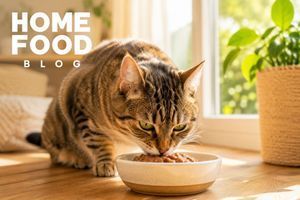
- Frequency: It’s better to feed a cat with sensitive digestion small portions frequently—3–4 times a day—to reduce the load on the gastrointestinal tract.
- Amount: Follow the recommended portion based on the animal’s weight and activity level. Overeating is a common cause of flare-ups.
- Food Temperature: Serve food at room temperature, avoiding cold or hot.
Beneficial Supplements:
- Complex with probiotic, prebiotic, sorbent, and betaine
Supports gut microbiome, removes toxins, reduces mucosal inflammation.
Suitable for long-term use during adaptation periods or after a course of antibiotics. - Supplements with enzymes and live probiotics
Recommended for chronic pancreatitis, enzyme deficiency, or digestion issues.
Help normalize the digestion of proteins and fats. - Functional liver supplements (hepatoprotectors)
Usually contain betaine, carnitine, methionine, inositol, B vitamins.
Suitable for steatosis, lipidosis, inflammatory processes, or toxic liver damage. - Calming supplements with cannabidiol (CBD)
Indicated for stress-induced colitis, emotional stress (moving, new pets), or adaptation periods.
CBD in therapeutic doses has anti-inflammatory and calming effects (Silver R. J., Frontiers in Veterinary Science, 2022).
Feeding a cat with sensitive digestion is more than just a diet. It’s a delicate adjustment of lifestyle, diet, and attention to detail.

Synbiotic for digestion and immunity support HePawSyn HOME FOOD Expert, 250 g
Buy
Enterosorbent for body detox Detox Pro HOME FOOD Expert, 30 ml
Buy
Hepatoprotector for liver function support Liver Pro HOME FOOD Expert, 30 ml
Buy
Dietary supplement CBD oil 2% for reducing anxiety and pain Relax Pro HOME FOOD Expert, 10 ml
Buy

How to Prevent Sensitive Digestion in Cats?
Digestive issues are always easier to prevent than to treat. Although sensitive digestion may sometimes have a hereditary or individual nature, most cases can be successfully prevented—thanks to attention to daily care and regular veterinary check-ups.
Daily Habits — The Foundation of a Healthy Stomach:
- Stable, high-quality diet: It’s better to choose one type of complete food suitable for your cat and avoid frequent changes.
- Constant clean water: Dehydration can exacerbate any gastrointestinal issues.
- Minimal stress: Even minor household changes can trigger a physiological reaction in a cat, including digestive problems.
- Weight and activity control: Excess weight often accompanies dysfunction of the pancreas and intestines.
Veterinary Prevention: Check-ups That Save Health
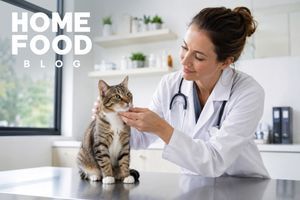
One of the most effective ways to avoid serious problems is regular preventive veterinary check-ups, even if your pet appears healthy on the outside.
Here’s a basic check-up for a cat for preventive purposes:
| Examination | Why Is It Needed? |
|---|---|
| Complete Blood Count (CBC) | Detects inflammatory processes, anemia, changes related to chronic diseases |
| Biochemical Blood Test | Assesses the function of the liver, kidneys, pancreas, protein levels, glucose, and electrolytes |
| Stool Analysis (coprology, parasitology) | Allows detection of worms, protozoa, and signs of digestive issues |
| Abdominal Ultrasound | Diagnosis of changes in the liver, intestines, stomach, pancreas before clinical symptoms appear |
| Abdominal X-ray | Helps rule out foreign bodies, gastrointestinal motility issues, or bloating |
| Pancreatic Lipase Test (fPL) | Specific test for pancreatitis—a key source of chronic digestive problems |
Recommended frequency of preventive check-ups: once a year for healthy young cats, twice a year for animals over 7 years old or with a history of gastrointestinal issues.
An equally important part of prevention is timely deworming—at least once every 3 months, even for indoor cats. Many parasites can be transmitted through shoes, water, or other animals, and their presence often causes digestive disorders and exhaustion.
Annual vaccinations are also essential, as some viral diseases (e.g., panleukopenia) can start with gastroenteritis symptoms and have a severe course. Protection against infections is another crucial step toward healthy digestion and overall well-being for your cat.
Our cats are delicate creatures with a sensitive nature and physiology. When something disrupts their internal balance, especially in the realm of digestion, it often requires not only treatment but also deep understanding, patience, and care.
In this blog, we’ve discussed what sensitive digestion in cats is, how to recognize it, what it might be related to, and what to do to support your pet’s health. The key is to not ignore even mild symptoms and act proactively: a balanced diet, regular veterinary check-ups, parasite prevention, and loving care work wonders.
Remember: love for your cat is shown not only through petting but also through choosing the right food, schedule, and annual tests. After all, the best care is the one that protects in advance.