📌 HOME FOOD Blog: Care and Nutrition Rules for Small Breed Dogs
Care and Nutrition Rules for Small Breed Dogs
Small Dogs — Big Needs: How to Properly Care for Small Breed Pets
They are compact, charming, and seem completely carefree — small breed dogs capture your heart at first glance. But despite their size, these animals have special needs in care, nutrition, and training. What works for a large Labrador may be completely unsuitable for a Chihuahua or Yorkie.
In this blog, we will explore:
- the nutritional specifics of small breeds;
- how to properly care for their coat, teeth, and paws;
- what to pay attention to in daily life to keep your little dog healthy, active, and happy.
In reality, caring for a small dog is not just about affection but also about attention to detail. Let’s start with the essentials.
Classification of Small Breeds by International Kennel Associations
International kennel organizations, such as the FCI (Fédération Cynologique Internationale), UKC, AKC, and others, identify groups of “companion” or “toy/small” breeds, sometimes with additional subgroups based on height or weight. Below is an overview of these standards.
FCI (Fédération Cynologique Internationale)
- Group 9 “Companion & Toy Dogs” — includes small breeds that are primarily decorative or companion animals.
- Within Group 9 — 11 sections, including:
1. Bichon and related breeds (Maltese, Bichon Frise, Coton de Tulear, Lowchen, etc.)
2. Poodle (miniature)
3. Small Belgian dogs (Belgian Griffon, Petit Brabançon, etc.)
4. Hairless dogs (e.g., Chinese Crested)
5. Tibetan breeds (Shih Tzu, Lhasa Apso, Tibetan Spaniel, Tibetan Terrier)
6. Chihuahua (own section “Chihuahueño”)
7. Small Molossers, Toy Spaniels, and others.
- Besides “groups,” FCI standards often use other classifications based on parameters: “dwarf,” “toy,” “small” — considering height at the withers and weight. For example, “dwarf” sizes are often less than ~30 cm in height and very light weight.
Approximate Size Ranges for Small Breeds
Although official standards may vary between associations, small/toy breeds generally have the following parameters:
| Category | Height at Withers (cm) | Weight (kg) | Example Breeds |
|---|---|---|---|
| Toy | ≦ 25-30 cm | ≦ 2-5 kg | Chihuahua, Chinese Crested, Toy Poodle |
| Mini/Small | ~ 25-35-40 cm | 3-7-10 kg | Bichon, Shih Tzu, Maltese, Boston Terrier |
| Companion/Decorative Small | up to ~ 40-45 cm | ≦ 10-12 kg | Cavalier King Charles Spaniel, Lhasa Apso |
What and How to Feed Your Little Happiness? Nutrition Specifics for Small Breed Dogs
After reviewing the classification of small breeds, it’s easy to conclude: despite their general “tininess,” each breed has unique needs, including nutrition.
Small dogs have a faster metabolism, a more delicate gastrointestinal tract, and some are prone to pickiness in food. Therefore, their diet must be not only tasty but also properly selected and adapted to their physiological characteristics.
Size and Texture: Not Just a Kibble, but Comfort and Safety
Small breeds often struggle to chew large, hard pieces, which can cause discomfort or even injure their oral cavity. Therefore:
- Dry foods for small breeds have small, specially adapted kibbles — they are convenient for small jaws and help stimulate chewing, which is also important for preventing dental plaque.
- The most recommended are extruded foods — they undergo high-pressure heat treatment, making them easily digestible, aromatic, and safe.
- Wet foods (pastes, pouches, pieces in sauce) are ideal for dogs with sensitive oral cavities, elderly animals, or as part of a mixed diet.
How Often to Feed?
Small dogs have small stomachs but very active metabolism, so long gaps between meals are undesirable.
Recommended feeding frequency:
- Puppies up to 6 months — 3–4 times a day,
- Adult dogs — 2–3 times a day,
- Elderly or sick animals — according to an individual schedule, after consulting a veterinarian.
Regular feeding not only reduces the risk of digestive issues but also supports the dog’s emotional comfort.
How to Choose the Right Diet?
Diet selection depends on:
- Breed and age,
- Activity level (home pet or active traveler),
- Health condition (allergies, tendency to obesity, gastrointestinal, dental, or liver issues, etc.).
Super-premium ready-made diets are usually already tailored for small breeds — simply choose based on age: puppy/adult.
If there are special needs, a veterinarian may recommend therapeutic or functional food, such as hypoallergenic, for oral health, or for sensitive digestion.

Dry Food for Small Breed Puppies Lamb and Rice For puppies 1-12 months, 1.6 kg
Buy
Hypoallergenic Dry Food for Adult Small Breed Dogs Trout and Rice Hypoallergenic, 1.6 kg
Buy
Dry Food for Healthy Skin and Shiny Coat for Adult Small Breed Dogs Turkey and Salmon Healthy skin and shiny coat, 1.6 kg
Buy
Grain-Free Hypoallergenic Dry Food for Adult Small Breed Dogs Duck and Turkey Grain-free hypoallergenic, 1.6 kg
Buy
Low-Grain Dry Food for Active Adult and Junior Small Breed Dogs Lamb and Rice Low-grain For active adult and junior, 1.6 kg
Buy
Dry Food for Adult Small Breed Dogs "Meat Mix" Nutritive Balanced Formula, 10 kg
Buy
How to Monitor Proper Feeding?
To know if your dog is getting everything it needs, pay attention to:
- Coat condition — shiny, soft, without dandruff.
- Stool consistency and frequency — stable, without diarrhea or constipation.
- Activity level — the animal should not be lethargic or overly excited after eating.
- Weight — monitor with regular weighing, especially for breeds prone to obesity (e.g., Pugs or Shih Tzus).
- Appetite — good, without refusals or pickiness, if the food is chosen correctly.
Consult a veterinarian every few months to assess the dog’s physiological condition and adjust the diet if necessary.

Natural Treats — Small Pleasure with Big Benefits
For small breed dogs, natural treats are not only a source of joy but also an important tool in training, stimulating interest in food, and even maintaining oral hygiene.
- The best options are dried animal products: chicken or turkey strips, lungs, heart, freeze-dried meat.
- Pay attention to the treat’s size — it should be small or easily divisible to avoid choking risks.
- It’s advisable to give treats under supervision, especially if they are hard or the dog tends to “greedy” chewing.
- Mandatory rule: treats should not exceed 10–15% of the daily caloric intake — otherwise, it may lead to nutrient imbalance or overeating.
Natural treats are a bonus, not the basis of the diet. They should be free of spices, colorants, or flavor enhancers — only pure, dried products from a reliable source.

Dog Treats Braid from Fillet and Lungs, 80 g
Buy
Dog Treats Rabbit Lungs, 80 g
Buy
Dog Treats Strips with Turkey Meat + Olives, 80 g
Buy
Dog Treats Strips with Poultry Meat + Carrot, 80 g
Buy
Functional Supplements — Care Through Details
For small breeds, not only basic nutrition is important but also small adjustments that support health in specific conditions. Functional supplements — natural or technologically created complexes — can improve the pet’s quality of life.
- CBD and 5-HTP (5-hydroxytryptophan) — gentle natural sedatives that can be useful for anxiety, hyperactivity, poor appetite, or during stressful periods (trips, visits to the groomer or vet).
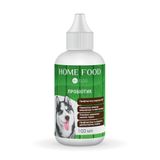
- Probiotics and prebiotics — support gut microbiota balance, especially in dogs prone to digestive disorders, diarrhea, sensitive stomachs, or after antibiotic courses. They help absorb food and strengthen overall immunity.
- Sorbents and hepatoprotectors — relevant after deworming, poisoning, or illnesses that may affect the liver. They help remove toxins and support digestive system function.
- Omega-3 oils (salmon, flaxseed) — essential fatty acids that help with dry skin, dandruff, allergic reactions, and support joints, heart, and brain activity, especially important for breeds predisposed to these issues (e.g., Pomeranian, Yorkshire Terrier, Toy Terriers).
- Toppings (natural flavor enhancers) — natural food additives (broths, meat sauces, liver or fish powders) that boost appetite. Especially useful for picky eaters, elderly dogs, or animals recovering from illness.

Dietary Supplement CBD Oil 2% for Anxiety and Pain Reduction Relax Pro HOME FOOD Expert, 10 ml
Buy
Salmon Oil for Healthy Skin and Shiny Coat for Dogs and Cats, 100 ml
Buy
Enterosorbent for Body Detoxification Detox Pro HOME FOOD Expert, 30 ml
Buy
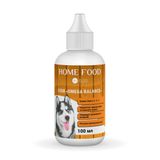
Phytomin for Dogs Oil "Omega Balance" Omega-3, -6, -9 Balance, 100 ml
Buy
Important: Supplements should be selected individually based on the dog’s condition and on the advice of a veterinarian. A small body reacts quickly to both benefits and overload.
How to Care for the Coat, Paws, and Teeth of a Small Dog?
Small size doesn’t mean less hassle — sometimes it’s even more. Small breed dogs often have thin, delicate coats, sensitive skin, fragile paws, and a tendency to develop dental tartar. Regular, proper care is not just about aesthetics but also about daily disease prevention and ensuring the animal’s comfort.
Coat: Wash Wisely and Care Properly
- For small breeds with long or silky coats (Yorkies, Maltese, Shih Tzus), shampoos and conditioners without harsh surfactants and with natural moisturizing ingredients are essential. They help maintain coat structure without disrupting skin pH.
- Bathing frequency — once every 3–4 weeks (or as needed), but not more often than advised by a veterinarian or groomer.
- Conditioner or balm after shampoo is especially important for breeds with long or easily tangled coats. It reduces brittleness, eases brushing, and lowers the risk of irritation.

Shampoo "Perfect Care" for Dogs and Cats Total Care HOME FOOD Beauty, 200 ml
Buy
Conditioner "Silky Touch" for Dogs and Cats Silky Touch HOME FOOD Beauty, 200 ml
Buy
Paws: Daily Care After Walks
- After each walk, clean the paws with a special foam or spray for paw washing — it gently cleans without needing to rinse and doesn’t dry out the skin.
- In cold or hot weather, paws are particularly vulnerable. Use wax balms to protect paw pads — they create a natural barrier film against salt, ice, or hot asphalt.
- Don’t forget to regularly trim nails, especially if the dog walks little on hard surfaces — this prevents paw deformation and pain while walking.
Conditioner "Silky Touch" for Dogs and Cats Silky Touch HOME FOOD Beauty, 200 ml
Buy
Foam for Cleaning Paws and Coat of Dogs and Cats with Probiotics ProbioDay, 80 ml
Buy
Ears: Sensitive to Moisture and Dirt
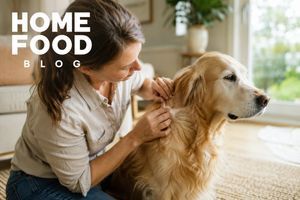
- The ears of small breeds (especially those with floppy ears) need periodic cleaning with special ear hygiene lotions.
- These products dissolve earwax, prevent inflammation, and have anti-inflammatory properties.
- Important: Do not use cotton swabs deep in the ear canal — this can cause damage. Use only a damp cotton pad, special soft tampon, or wipes.
Foam for Cleaning Paws and Coat of Dogs and Cats with Probiotics ProbioDay, 80 ml
Buy
ProbioDay Ear Drops for Dogs and Cats with Probiotics and Antibacterial Effect, 30 ml
Buy
Eye Area Care: A Small Detail That Matters Every Day
Small breed dogs, especially those with light coats (e.g., Maltese, Bichons, Yorkies), often develop tear stains — darkening or matting of the fur under the eyes. To avoid irritation and bacterial contamination, clean the eyes daily with special wet wipes or eye area lotion. The product should be gentle, free of alcohol or fragrances. Wipe carefully from the inner corner to the nose, using a separate cotton pad for each eye.
Regular care not only maintains aesthetics but also helps detect potential eye health issues early.

Trixie Lotion for Eye Care for Dogs and Cats, 50 ml
Buy
Teeth: Small Dogs — Big Responsibility
- Small breeds are more prone to dental tartar, gum inflammation, and bad breath.
- Care includes home teeth brushing (with a brush or finger attachment using fluoride-free dog toothpaste).
- Once a year, consider professional scaling at a clinic — tartar removal using ultrasound or mechanically, under light anesthesia or sedation (depending on the dog).

Trixie Toothpaste for Dogs with Brushes, 100 g
Buy
Enzymatic Oral Hygiene Kit for Dogs and Cats Virbac
Buy
TropiClean Water Additive "Oral Care" for Dogs, 473 ml
Buy
TropiClean Gel for Oral Care for Dogs "Peanut Butter", 59 ml
Buy
How to Make a Small Dog’s Daily Life Happy and Healthy?
Even if your little pet seems completely carefree, it’s important to remember that behind the outward ease lies delicate physiology and a sensitive psyche. Small breeds are highly sensitive to environmental changes, lack of attention, and disruptions in routine. Therefore, a small dog’s health is not only about food and grooming but also about emotional comfort and a proper rhythm of life.
1. Psychological Comfort — Not a Whim, but a Need
Small breeds often have a strong emotional attachment to their owner. They can suffer from loneliness, noise, or family stress.
- Create a sense of rhythm and safety: feeding, walks, and playtime at the same time each day.
- Avoid shouting, sudden movements, or frequent changes in the household.
- For dogs prone to anxiety, use calming rituals, anti-stress toys, or pheromone diffusers.
2. Walks — Even if It’s a "House Dog"
Even if you have a “couch dog,” walks are necessary for everyone — it’s not just about physical needs but also about sensory enrichment and socialization.
- Walk twice a day, at least 15–30 minutes, depending on age and breed.
- In rain or snow, protect paws with wax or booties and use a lightweight jumpsuit.
- For very anxious dogs or those afraid of the outdoors — gradual adaptation, walks in arms or a carrier, then short outings with positive reinforcement.

Raincoat for Dogs WAUDOG Clothes Rick and Morty, XS30
Buy
COLLAR Liker Cord — Ball on a Cord for Dogs, 5 cm diameter
Buy
3. Cozy Place at Home
Every dog — even the smallest — should have its own personal corner where it can rest and recharge peacefully.
- Choose a warm, quiet place without drafts or excessive noise.
- Use beds with sides, soft blankets, or toys with your scent.
- Do not disturb the animal when it’s there — this is its “safe zone.”
4. Annual Vet Visits — Even if Everything Seems Fine
Small dogs, like large ones, need an annual veterinary checkup, even if everything appears normal.
- Routine checkups, vaccination updates, blood tests, and abdominal ultrasounds help detect issues early.
- In older age — after 7–8 years — preventive checkups are recommended twice a year.
5. Small Joys — Big Investments in Emotional Balance
- Playtime: Even the calmest dog should play daily for at least 15–20 minutes. Games stimulate the brain, reduce anxiety, and strengthen the bond with the owner.
- Small treats as motivation and reward.
- Time “in your arms” or close to you: physical contact is crucial for a small dog’s emotional health.
Attention to detail in daily life shapes not only health but also trust, calm, and harmony in your relationship with the dog. A small dog is not a toy but a full-fledged personality that needs your love and involvement every day.