📌 HOME FOOD Blog: Causes of Excess Weight in Dogs
Causes of Excess Weight in Dogs
Excess weight is a disease of the century for both humans and dogs. In the commonly accepted sense, obesity is the excessive accumulation of fat that occurs as a result of consuming calories that exceed the energy expended.
Obesity in Dogs: How to Recognize It and Who Is Most Affected?
According to veterinary standards, obesity in dogs is diagnosed when body weight exceeds the ideal by 15–30% or more. The primary criterion for assessment is the Body Condition Score (BCS) — a system of visual and palpatory evaluation of body condition based on a 5- or 9-point scale. In most clinical practices, a 9-point scale is used, where 4–5 points are considered normal, 6–7 indicate overweight, and 8–9 indicate clinical obesity. Signs of the problem include the absence of a clearly defined waist, inability to feel the ribs without pressing, and fat deposits in the chest, neck, and base of the tail. According to WSAVA (World Small Animal Veterinary Association), breeds with a genetic predisposition to obesity include Labrador Retrievers, Cocker Spaniels, Bassets, Bulldogs, Beagles, Shelties, and Dachshunds. This is partly linked to a mutation in the POMC gene, which affects appetite control, especially in Labradors. The risk also increases in neutered animals, those over 6–7 years old, and those with low activity levels.
Is the Food Always to Blame for Excess Weight?
The most common causes of excess weight in dogs are low physical activity, overeating, and lack of portion control, especially in pets that spend most of their time indoors. Obesity often develops after neutering or spaying, when the level of sex hormones decreases while appetite increases. It’s important to emphasize that in these cases, we are dealing not with a medical but with a behavioral and management issue that can be resolved by adjusting the feeding schedule, activity, and interaction with the animal. However, there are situations where obesity is a symptom of a disease or a result of hormonal imbalances. In such cases, we are talking about medical or secondary obesity, which requires diagnosis and treatment under the supervision of a veterinarian. Below is a classification of the main medical causes of obesity in dogs, taking into account breed predisposition and accompanying symptoms:
Medical Causes of Obesity in Dogs
| Cause | Type of Obesity | Predisposed Breeds | Accompanying Symptoms |
|---|---|---|---|
| Hypothyroidism (reduced thyroid function) | Secondary hormonal | Golden Retriever, Labrador, Doberman | Fatigue, dry skin, hair loss, lowered body temperature |
| Cushing's Syndrome (hypercortisolism) | Secondary hormonal | Poodle, Dachshund, Boxer, Bichon Frise | Excessive thirst, frequent urination, muscle atrophy, hair loss |
| Insulinoma (pancreatic tumor) | Metabolic | No breed predisposition | Sudden weakness attacks, trembling, seizures, obesity with normal appetite |
| Hypothalamic-pituitary regulation disorder | Neuroendocrine | English Bulldog, Pug | Uncontrollable appetite, apathy, obesity from an early age |
| Hypolipoproteinemia / fat metabolism disorder | Metabolic | Labradors, Beagles | High cholesterol levels, obesity, sometimes pancreatitis |
Important: If a dog shows a persistent weight gain without changes in feeding or activity routines, it’s necessary to consult a veterinarian for diagnosis!
How to Help a Dog Lose Weight Without Medication? Diet and Exercise — the Foundation of Health
If a veterinary examination reveals no medical causes of obesity, the issue likely lies in daily habits: excessive food intake, frequent treats, lack of exercise, or psychological compensation—when an owner "feeds instead of giving attention." In such cases, combating excess weight comes down to adjusting lifestyle, primarily through diet and physical activity.
1. Choosing the Right Food for Weight Loss
Specialized foods for overweight or obese dogs differ in several parameters that allow for safe weight loss:
- Reduced energy density — 270–320 kcal/100 g.
- Increased fiber content (up to 10%) — for satiety without excess calories.
- Optimal protein level (at least 25–30%) — to preserve muscle mass during weight loss.
- L-carnitine, taurine, omega-3 fatty acids — support metabolism and heart function.
- Reduced fat content (5–10%) — to avoid overloading the liver and pancreas.
It’s important to choose veterinary diet foods or special "weight management" lines rather than just "light" options.

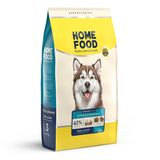
Hypoallergenic Dry Food for Adult Small Breed Dogs Trout and Rice Hypoallergenic, 1.6 kg
Buy
Hypoallergenic Dry Food for Adult Medium Breed Dogs Trout and Rice Hypoallergenic, 1.6 kg
Buy
Hypoallergenic Dry Food for Adult Large Breed Dogs Trout and Rice Hypoallergenic, 3 kg
Buy
Hypoallergenic Dry Food for Adult Small and Medium Breed Dogs Veal with Vegetables and Herbs Hypoallergenic, 1.6 kg
Buy
2. Physical Activity: Movement is Life
Even the perfect food won’t work if the dog doesn’t burn energy. Activity is not only a way to burn calories but also a key factor in mental health.
How to Gradually Introduce Activity:
- Start with regular daily walks, even if they’re short 10–15-minute outings.
- Gradually increase duration by 5–10 minutes each week.
- Avoid overexertion—especially in overweight dogs, those with breathing issues, or joint problems.
What Activity to Choose Based on Breed:
- Active breeds (Border Collie, Labradors, Shepherds): running, frisbee, trekking, swimming.
- Compact energizers (Jack Russell, Miniature Schnauzer): ball games, agility, quick short walks.
- Flat-faced breeds (Pugs, Bulldogs): short interval walks, indoor games, limited intensity in heat.
- Senior or large breeds (Labradors, Great Danes): slow long walks, water exercises, avoiding jumps.

Collar Puller Standard Colors of Freedom - Training Gear for Dogs, 28 cm
Buy
Collar Liker Cord - Ball on a Rope for Dogs (9 cm diameter)
Buy
PitchDog - Fetch Ring for Dogs, 17 cm diameter, Blue
Buy
Interactive Puzzle Toy - Licking Puzzle for Dogs and Cats
Buy
How to Monitor the Weight Loss Process?
Effective weight loss should be gradual, without stress on the body. Too rapid weight loss can lead to muscle loss, metabolic disruptions, or liver problems.
How Often to Weigh?
Once every 7–10 days — at the same time of day, on an empty stomach, preferably on the same scale.
How Much Should a Dog Lose in a Week?
0.75–2% of body weight per week — this is the optimal pace.
For example, a 20 kg dog should lose approximately 200–400 g per week.
Scientific Evidence:
Research conducted at Cornell University indicates that a safe weight loss rate for dogs is 1–2% of initial body weight per week.
A study published in the Indian Journal of Animal Research states that the average weight loss rate in dogs is 0.75% per week, aligning with recommended norms. arccjournals.com Analysis of data from 926 dogs, conducted in 2021, showed an average weight loss rate of 0.9% per week, with a gradual decrease throughout the weight loss program. PMC

How to Tell If the Pace Is Normal?
The body volume decreases, ribs become easier to feel upon palpation, a waist appears, and overall tone and activity improve.
✓ Appetite:
Dogs on a proper diet should maintain a stable, healthy appetite.
If appetite suddenly increases or disappears, consult a veterinarian.
✓ Digestive Health:
Stool should be formed, regular, and free of mucus or impurities. Changes in defecation frequency or stool consistency may indicate issues with food absorption or an imbalanced diet.
✓ Urination:
Should be regular, with no changes in frequency, color, or volume. Excessive urination may be a sign of stress, endocrine disorders, or dehydration.
✓ Psych-emotional State:
Weight loss should not be accompanied by apathy, aggression, or excessive anxiety.
It’s important to maintain the usual level of play, interest, and social interaction.
If a dog becomes withdrawn or overly excited, this could be a reaction to a sudden calorie reduction or lack of attention.
When to Stop Weight Loss?
Base it on the breed standard and Body Condition Score (BCS) — the ideal score is 4–5 out of 9. Once this score is reached, transition to a weight maintenance program.
Tip: Keep a weight loss journal, recording:
- weight;
- feeding schedule;
- activity level;
- behavioral and bowel movement details.
This will help you spot deviations early and adjust the program—either with a vet or on your own.
Better to Prevent Than to Treat: How to Choose Preventive Nutrition If a Dog Is Prone to Weight Gain?
Obesity in dogs often has a slow and unnoticed onset, so the right strategy is to prevent the problem by switching to preventive nutrition in time, especially if there’s a genetic predisposition, low activity, or a post-neutering period.
What should the food be like for preventing weight gain in an adult dog? When choosing food for a dog that may be prone to weight gain, pay attention to its functional properties that support metabolism and maintain optimal body condition:
- Highly digestible protein sources—e.g., turkey, chicken, veal, rabbit, white fish, salmon. → They support muscle mass without overloading the body.
- Powerful prebiotic complex (FOS, MOS, inulin, beet pulp, brewer’s yeast, inulin, psyllium): → Promotes healthy gut flora, improves metabolism, and reduces the risk of metabolic disorders.
- Quality grain or alternative group—brown rice, buckwheat, oats, barley, or sweet potato, peas, chickpeas → Ensures even energy release and avoids glucose spikes.
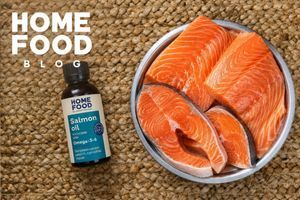
- High omega-3 fatty acid content (EPA, DHA)—reduces inflammation, improves insulin sensitivity, and supports joint and skin health. → Sources: salmon oil, flaxseed oil.
Not Just Package Guidelines: The Importance of Individual Diet Selection
While food manufacturers provide average daily intake recommendations, these norms don’t account for individual factors:
- level of physical activity;
- age and breed;
- metabolic rate;
- health status (including neutering/spaying).
Solution: Consult a veterinary dietitian for an individual calculation of energy needs to avoid even hidden overeating.
Feeding Frequency: Depends on Activity Level
The feeding schedule should be tailored to the level of physical activity:
| Dog's Activity Level | Recommended Feeding Frequency |
|---|---|
| Low (indoor lifestyle, neutering, age 7+) | 2 times a day in small portions |
| Medium (2–3 walks per day) | 2 full meals |
| High (training, sports, work) | 2–3 times a day + control before/after activity |
Important: It’s better to feed more often but in smaller portions—this stabilizes blood sugar levels, doesn’t overtax the digestive system, and helps avoid overeating in one sitting.
Water — An Invisible Ally in the Fight Against Excess Weight
During weight loss in dogs, most owners focus solely on food and exercise, but water intake is an equally important component of an effective and safe weight loss program. Water performs key physiological functions that directly affect metabolism, appetite, thermoregulation, and even muscle condition. Adequate hydration supports normal lipolysis (fat breakdown)—the primary process of fat burning. Even mild dehydration slows metabolism by 2–3%.
Special attention deserves functional water with succinic acid, which may be recommended for overweight dogs or those with low activity. Succinic acid is known for improving cellular respiration, supporting energy metabolism, and helping the body adapt to increased metabolic demands during weight loss. Such water can be used in courses with a veterinarian’s approval.

Drinking Water for Dogs to Boost Immunity, 1 L
Buy
Automatic WAUDOG Fountain Waterer for Dogs and Cats with Lighting, 2.5 L
Buy
“Maintaining a healthy weight in a dog is not just a matter of aesthetics but a guarantee of its long and healthy life” — Dr. Joe Bartges, Professor of Medicine and Nutrition at the University of Georgia.