📌 HOME FOOD Blog: Prevention of Urolithiasis in Cats: A Modern Scientific Approach
Prevention of Urolithiasis in Cats: A Modern Scientific Approach
Urolithiasis (UCD) in cats is one of the most common diseases of the urinary system, leading to serious complications, including urinary tract obstruction and kidney failure. Understanding the mechanisms of stone formation and risk factors is key to effective prevention.
Mechanism of Urolith Formation
The formation of urinary stones begins with the supersaturation of urine with minerals such as calcium, phosphates, oxalates, or ammonium. This supersaturation can be caused by metabolic disorders, dehydration, or changes in urine pH. The crystals that form may combine with an organic matrix (mucus, cellular debris), forming stones. The most common types of uroliths in cats are struvites (magnesium-ammonium-phosphate) and calcium oxalates. Struvites typically form in an alkaline environment, while calcium oxalates form in an acidic one.
Known fact: the influence of diet and environment on the risk of stone formation
A study published in the Journal of the American Veterinary Medical Association found that cats fed only one brand of food without additional products or treats had an increased risk of developing calcium oxalate uroliths. Additionally, keeping cats exclusively indoors was also associated with a higher risk of forming these stones (PubMed. doi: 10.1016/j.cvsm.2008.09.011).
Characteristics of Phosphoric-Ammonium (Struvite) Stones in Cats
Struvite stones, composed of magnesium, ammonium, and phosphates, are among the most common types of uroliths in cats. Factors contributing to struvite formation include:
- Alkaline urine environment: Elevated urine pH promotes struvite crystallization.
- High magnesium, phosphorus, and protein content in the diet: Excessive consumption of these elements can lead to mineral supersaturation in urine.
- Low urine volume: Reduced water intake results in concentrated urine, promoting stone formation.
Studies have shown that specialized diets low in magnesium and phosphorus, with urine-acidifying properties, can effectively dissolve struvite stones within 14–70 days. These diets also help reduce symptoms such as dysuria, hematuria, and pyuria. (PubMed. PMID: 32705911. PMCID: PMC8008402. DOI: 10.1177/1098612X20942382)
Risk Factors
Research indicates several factors that increase the risk of UCD in cats:
- Age and breed: Middle-aged cats and certain breeds, such as Persians and Himalayans, have an increased predisposition to urolith formation.
- Neutering status: Neutered cats have a higher risk of developing uroliths compared to non-neutered cats.
- Obesity and sedentary lifestyle: These factors contribute to reduced urination frequency, which can lead to urine stasis and stone formation.
- Diet: Diets high in magnesium, phosphorus, calcium, and low-quality protein promote struvite formation.
Preventive Measures
1. Diet Optimization
Diet plays a crucial role in UCD prevention. Diets with controlled mineral and protein content, as well as additives that maintain optimal urine pH, help reduce the risk of stone formation. For example, diets that promote urine acidification can aid in dissolving struvites.
2. Ensuring Adequate Hydration
Increasing water intake is a key factor in preventing urolithiasis, as higher urine volume reduces the concentration of minerals that can crystallize into uroliths. According to a study published in the Journal of Feline Medicine and Surgery (2011), maintaining a urine specific gravity below 1.030 significantly reduces the risk of both struvite and calcium oxalate formation in cats. This is achieved through increased hydration.
Cats naturally have a low thirst drive, an evolutionary adaptation to their desert-dwelling ancestors. Therefore, using water fountains, which stimulate the instinctive desire to drink, is recommended as an effective behavioral strategy to increase hydration. Clinical observations indicate that cats drink more when they have access to running water.

Automatic Fountain Waterer WAUDOG with Lighting, 2.5 L
Buy
Water quality also matters. Excess minerals, such as calcium or phosphates in tap water, can contribute to urine supersaturation with salts. Therefore, it is recommended to use filtered or bottled water for cats with controlled mineral content.
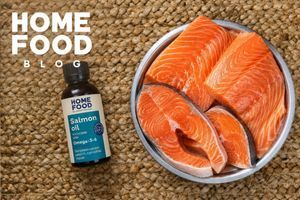
Additionally, polyunsaturated Omega-3 fatty acids, found, for example, in HOME FOOD salmon oil, can indirectly contribute to UCD prevention through their anti-inflammatory effects. It is known that chronic subclinical inflammation of the bladder mucosa (as in idiopathic cystitis) can trigger crystal aggregation. Omega-3 reduces the synthesis of prostaglandins and leukotrienes, thereby stabilizing the urothelium.

Phytomin for Cats Oil "Salmon" for Skin Health and Shiny Coat, 100 ml
Buy
Phytomin for Cats Oil "Omega Balance" Omega-3, -6, -9 Balance, 100 ml
Buy
Thus, a comprehensive approach to water management, including source, quality, stimulation of water intake, and systemic anti-inflammatory support, is a scientifically grounded strategy for preventing urolithiasis in cats.
3. Regular Veterinary Checkups
Regular examinations, including urinalysis and ultrasound, allow for the early detection of stone formation and the implementation of preventive measures.

Comprehensive Approach to Urolith Detection
Comprehensive Approach to Urolith Detection
Unfortunately, most pet owners seek veterinary care only at the stage of clinically evident disease, when a stone has already formed in the bladder or urethra. In such cases, the primary task is to remove the urolith or sand: through catheterization (bladder flushing), surgical removal (e.g., cystotomy), or urethroplasty. However, stone removal is only the first step.
To prevent recurrence, a thorough diagnostic evaluation is necessary, which should include:
- Biochemical analysis of urine and blood (to assess electrolyte balance, urea, creatinine, phosphorus, and calcium levels),
- Hormonal panels (evaluation of thyroid, parathyroid, and adrenal function), microbiological urine analysis (cultures, antibiotic sensitivity testing),
- PCR or ELISA diagnostics for intracellular pathogens (mycoplasma, chlamydia), ultrasound examination of the bladder and kidneys,
- Analysis of diet, water, and living conditions. Recurrent obstruction episodes may occur even after successful treatment, indicating chronic metabolic disorders or systemic inflammation. Restoring normal urodynamics and metabolic homeostasis often requires months or years. If chronic kidney failure develops concurrently, the prognosis, unfortunately, becomes unfavorable.
Therefore, the most effective strategy is prevention from a young age:
-
Balanced diet with controlled protein, calcium, and phosphorus content, and the addition of Omega-3 fatty acids (for anti-inflammatory effects). Among the HOME FOOD dry cat food line, 7 diets are designed for neutered cats and include: reduced phosphorus, magnesium, and calcium levels; natural urine acidifiers; medicinal plants with urological effects; highly nutritious and dietary protein sources; Omega-3 fatty acids from wild deep-sea fish. If your pet is not neutered but is prone to UCD or has a confirmed UCD diagnosis, we recommend choosing Homefood diets specifically for neutered cats.

Dry Food for Neutered Adult Cats Rabbit and Cranberry For sterilised/neutered, 1.6 kg
Buy
Dry Food for Picky Neutered Adult Cats Chicken & Liver For sterilised/neutered Gourmet, 1.6 kg
Buy
Grain-Free Hypoallergenic Dry Food for Adult Neutered Cats Duck and Pear Grain-free hypoallergenic. Suitable for exotic breeds, 1.6 kg
Buy
Dry Food for Neutered Adult Cats with Sensitive Digestion Lamb and Salmon With sensitive digestion. For sterilised/neutered, 1.6 kg
Buy
Hypoallergenic Dry Food for Neutered Adult Cats Seafood Cocktail Hypoallergenic For sterilised/neutered, 1.6 kg
Buy
Dry Food for Hairball Control for Neutered Adult Cats Turkey and Berries Hairball control For sterilised/neutered, 1.6 kg
Buy
Dry Food for Musculoskeletal Support for Neutered Adult Cats of Large Breeds Veal with Salmon and Sun-Dried Tomatoes For the support of the musculoskeletal system. For large breeds, 1.6 kg
Buy
Dry Food for Neutered Adult Cats "Chicken and Fish" Sterilised Balanced Formula, 10 kg
Buy
-
Regular water intake—specialized water for cats, filtered water; use of drinking fountains. HOME FOOD functional water for cats with added ascorbic acid (vitamin C) and silver nanoparticles is an effective auxiliary tool in the prevention and comprehensive treatment of UCD in cats. Ascorbic acid, as a mild urine acidifier, creates unfavorable conditions for phosphate (struvite) crystallization, maintaining pH within physiologically acceptable limits (6.0–6.5). Additionally, it has antioxidant properties, reducing oxidative stress associated with chronic inflammatory conditions in the urinary system.

Drinking Water for Cats for Urolithiasis Prevention, 1 L
Buy
Silver nanoparticles are known for their potent antimicrobial properties, ability to suppress the growth of opportunistic flora, and prevention of secondary bacterial cystitis—a common UCD complication. At low therapeutic concentrations, silver is effective against bacteria, fungi, and viruses.
Using such specialized water is advisable as a course-based application under veterinary supervision, particularly during high-risk periods (stress, diet changes, cystitis recurrence), as an auxiliary component to primary therapy and prevention.
- Periodic inclusion of natural oils and phytocomplexes, such as HOME FOOD’s «Renavit» extract, HOME FOOD salmon oil, and HOME FOOD krill oil in the diet as functional support for the urinary system.
- The components of «Renavit» are scientifically selected: licorice (immunostimulation), strawberry and currant (diuresis), linden and birch (anti-inflammatory effects), nettle and horsetail (antioxidant and diuretic effects), iodine and selenium (hormonal regulation and thyroid support). Their use allows for gentle influence on metabolic processes without disrupting the body’s overall balance.
- Krill oil (Euphausia superba) is enriched not only with Omega-3 but also with phospholipids and astaxanthin—a powerful natural antioxidant. As a result, it:
- is better absorbed than fish oil in triglyceride form;
- protects cells from oxidative stress, preserving membrane integrity.