HOME FOOD Blog: What Does Holistic Pet Food Mean?
What Does Holistic Pet Food Mean?
Today, the pet food market offers four main classes: economy, premium, super-premium, and holistic. Every responsible owner wants to provide their pet with high-quality, balanced nutrition. In this case, it’s worth paying attention to holistic-class foods — the highest-tier products created with the natural needs of the animal’s body in mind. In this article, we’ll explain what sets them apart, their advantages and features, and how to properly transition your pet to a new diet.
What is holistic pet food?
Holistic pet food is a complete, balanced diet designed to meet the natural nutritional needs of an animal. Such formulas provide dogs or cats with all the nutrients they would get in the wild.
Holistic foods contain no artificial colors, flavors, or synthetic preservatives — only natural, safe ingredients. You also won’t find wheat, corn, or other “heavy” grains. While some formulas may include grains, they only use beneficial, easily digestible carbohydrate sources such as rice, oats, or quinoa.
With so many options on the market, choosing the right food can be challenging. Many owners wonder whether to go for products with artificial additives or opt for a natural-ingredient diet. The answer seems obvious, yet there are still many myths surrounding “holistic” foods. Let’s break down their real benefits and any potential downsides.
Advantages of holistic pet food
Holistic food offers several key benefits that make it the optimal choice for pets:
- Natural meat as the foundation of the diet.
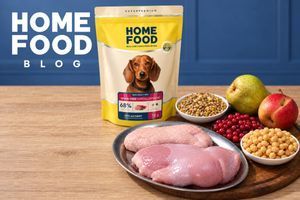
These formulas are built around high-quality meat and fish (chicken, turkey, duck, lamb, beef, etc.). The meat content in holistic foods can reach 70% or more, with protein levels around 30%. Unlike lower-class foods that replace valuable protein with by-products or meat-and-bone meal, holistic food provides complete, highly digestible protein that supports muscle development, energy levels, and healthy digestion. - Fruits, vegetables, and berries — natural sources of vitamins.
Dogs and cats need vitamins just like humans. Natural additives in holistic foods boost immunity, improve skin and coat condition, strengthen claws, bones, and teeth, and support sharp vision. The packaging always specifies the exact sources of vitamins, whereas lower-class foods simply list vitamins without disclosing their origin. - No synthetic additives.
Holistic foods contain no artificial colors, flavors, or glutamates. Only natural preservatives (e.g., herbal oils or products rich in vitamins E and C) are used for shelf life. If a pet previously ate economy or premium food, a “clean” holistic diet may seem less appealing at first, but over time the animal adjusts, digestion improves, and allergy risk decreases.
Drawbacks of holistic pet food
Despite their many advantages, holistic foods have a few aspects to consider:
- Higher price.
Top-tier products cannot be cheap — instead of inexpensive fillers like corn, they contain high-quality natural meat and fish. - Shorter shelf life.
Due to natural preservatives, the maximum shelf life is usually no more than one year. - Limited availability.
These foods are not as heavily advertised as cheaper alternatives, so they are rarely found in regular supermarkets and are mainly sold in specialized pet stores or online.
Is it worth switching your pet to holistic food?
Absolutely — yes. Even if your pet was previously on super-premium food, switching to holistic will bring noticeable benefits.
Will it be much more expensive? No! Thanks to the high-quality ingredients, smaller portions are needed, and the health benefits are clear: a natural composition provides all essential nutrients while maintaining an appealing taste.
How to choose the right holistic food?
Every animal has its own taste preferences: some love turkey, others prefer beef or fish. Sometimes even a favorite food can get boring — in that case, you can simply switch flavors without changing the food type.
Age is also important. Puppies and kittens need growth-specific formulas, adults require balanced all-life-stage diets, and senior pets benefit from lower-calorie options enriched with vitamins.
Don’t forget about individual needs: pregnancy, allergies, gluten intolerance, etc. The holistic segment offers highly customizable options to perfectly match your pet’s requirements.

How to tell if the food is right for your pet
Choosing food isn’t just about taste — it’s about how the animal’s body responds to the diet.
The first signs of a good choice are appetite and interest in the food: if your pet eats with pleasure, doesn’t refuse meals, and shows no signs of stress, that’s a great indicator.
Monitor digestion: stool should remain normal (no diarrhea or constipation), and activity levels should stay consistent. Coat and skin condition are also telling — shiny, smooth fur and no irritations mean the body is getting the nutrients it needs.
Pay attention to overall mood and behavior: energy, playfulness, and daily activity are all signs that the food meets physiological needs. Regular monitoring during the first few weeks after switching to holistic food will confirm that the new diet is both beneficial and comfortable for your pet.
How to properly transition your pet to holistic food?
The switch to a new food should be gradual to avoid stress and digestive issues. Abrupt changes can cause gastrointestinal upset, diarrhea, or loss of appetite, so a slow transition is essential.
Start by mixing a small amount of the new food with the current one. Each day, increase the proportion of new food and decrease the old. A full transition usually takes 7–10 days, though the exact time may vary depending on the individual animal.
Transition schedule recommendation:
| Days 1–2 | Days 3–4 | Days 5–6 | Days 7–10 | |
|---|---|---|---|---|
| Previous food | 75% | 50% | 25% | 0% |
| New food | 25% | 50% | 75% | 100% |
How to check food quality
To ensure high quality, don’t rely solely on breeder reviews or vet opinions — carefully study the packaging and ingredient list:
- Meat should be first and most abundant. If you see something like “corn — 55%”, you can stop reading: meat content is less than half, and it’s not a true holistic food.
- Clear, specific wording. Avoid vague terms like “meat” or “poultry”. Look for precise descriptions: “fresh chicken meat”, “dehydrated rabbit meat”, etc.
- Fat source. Cats and dogs are carnivores, so animal fats should predominate. Plant-based fats are less complete and even valuable oils are absorbed much worse.
- Minimal carbohydrates. Carnivores need almost no carbs, but a small amount of fiber helps maintain intestinal motility.

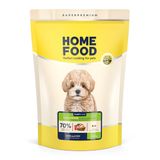
Grain-Free Hypoallergenic Dry Food HOME FOOD for Adult Small Breed Dogs – Duck & Turkey, 1.6 kg
Buy
Grain-Free Hypoallergenic Dry Food HOME FOOD for Adult Medium & Large Breed Dogs – Duck & Chickpeas, 1.6 kg
Buy
Grain-Free Hypoallergenic Dry Food HOME FOOD for Adult Spayed/Neutered Cats – Duck & Pear (Suitable for Exotic Breeds), 1.6 kg
Buy
Summary
Choosing holistic food means taking care of your pet’s health and comfort. A gradual transition, consideration of taste preferences, age, and individual needs make feeding not only beneficial but also enjoyable for your furry friend. With the right approach, holistic food becomes part of daily care that supports energy, health, and a great mood. In short — holistic pet food is a true investment in your pet’s well-being.