📌 HOME FOOD Blog: How to Properly Care for Senior Pets?
How to Properly Care for Senior Pets?
«I can’t be with you your whole life… but I’ll be with you my whole life.»
— on behalf of a dog (quote without an author)
Aging in dogs typically begins around 7-8 years, and in cats, 1-2 years earlier. Professor Mechnikov described a dog’s old age as follows: «At 12 years, old age sets in for a dog. This final stage of its life is evident in its overall appearance and all organs. The coat loses its shine, grays on the muzzle and forehead, teeth wear down and fall out. The dog becomes less active, often losing vision and hearing. Dogs sometimes reach 26-30 years, but this is an exception.» «Preventing premature aging in our furry friends should start long before old age.»
What Physiological Changes Are Observed in Aging Dogs and Cats?
As animals age, their bodies, like humans, undergo a series of natural changes that affect health, behavior, and care needs. Understanding these changes helps better adapt care to maintain our pet’s quality of life for as long as possible.
1. Slowing Metabolism
In senior pets, the basal metabolic rate decreases, leading to:
- reduced energy needs,
- tendency to gain weight with an unchanged diet,
- lethargy and reduced physical activity.
Therefore, it’s important to review the calorie content of food and maintain sufficient protein to support muscle mass.
2. Changes in the Musculoskeletal System
With age, dogs and cats experience a decrease in:
- bone density (osteopenia),
- ligament elasticity,
- muscle mass and tone,
- often developing arthritis or arthrosis.
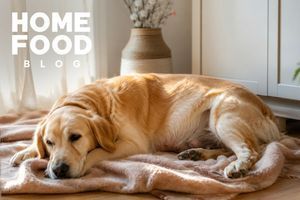
This manifests in slower gait, reluctance to jump, and painful movements. Joint support (chondroprotectors, omega-3) and a soft bed are essential.
3. Cognitive Decline
The so-called cognitive dysfunction syndrome (similar to senile dementia in humans) is more common in dogs but can also affect cats:
- spatial disorientation,
- sleep disturbances (nighttime activity),
- loss of hygiene skills,
- reduced social activity.
Regular brain exercises, affection, and support help maintain clarity and calmness.
4. Reduced Organ Function
- The liver and kidneys lose some filtration capacity, necessitating regular biochemical monitoring.
- The heart often suffers from age-related degenerative changes, such as mitral insufficiency or cardiomyopathies.
- A need for a soft diet, reduced sodium, and limited phosphorus (especially in cats with chronic kidney disease).
5. Sensory Impairment
- Vision and hearing deteriorate with age. Cataracts, glaucoma, and age-related deafness are possible.
- Pets may respond poorly to sounds or become startled in the dark. A calm environment, nighttime lighting, and avoiding sudden changes are important.
6. Changes in Skin and Coat
- The skin becomes thinner and loses elasticity.
- Gray patches appear, and the coat becomes drier or thins.
- Increased risk of skin tumors. Regular coat care, gentle bathing, and dermatologist visits are part of caring for a senior pet.

Hypoallergenic Dry Food for Adult Small Breed Dogs Trout and Rice Hypoallergenic, 1.6 kg
Buy
Hypoallergenic Dry Food for Adult Small and Medium Breed Dogs Veal with Vegetables and Herbs Hypoallergenic, 700 g
Buy
Dry Food for Sterilized/Neutered Adult Cats Rabbit and Cranberry For Sterilized/Neutered, 1.6 kg
Buy
Dry Food for Sterilized/Neutered Adult Cats "Chicken and Fish" Sterilized Balanced Formula, 10 kg
Buy
How Does the Diet of Pets Change in Old Age?
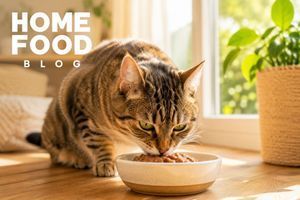
As dogs and cats age, their metabolism slows, activity levels decrease, nutrient absorption worsens, gut microbiota changes, and the risk of chronic diseases (kidney, heart, joint) increases. Therefore, the diet of senior pets should be less caloric but rich in high-quality, easily digestible protein, enriched with omega fatty acids, antioxidants, probiotics, and joint supplements. Such nutrition helps support organs, preserve muscles, slow aging, and provide more active, happy days.
Table. Nutrition Considering Content
| Age-Related Changes | Changes in Main Diet/Food | Dietary Supplements |
|---|---|---|
| Reduced metabolism, lower activity | Fewer calories, reduced fat content in food | Water for dogs with succinic acid. Fitomina Stimul, Fitomina Amaranth. |
| Loss of muscle mass (sarcopenia) | High content of quality protein (digestibility >85%) | HePawSyn |
| Worsening kidney function | Limited phosphorus, magnesium, controlled protein, reduced sodium. | Salmon oil, Fitomina Renavit, water for cats to prevent urolithiasis |
| Osteoarthritis, joint wear | Moderate protein, easy digestion, presence of chondroprotectors. | Salmon oil, glucosamine, chondroitin, MSM. |
| Reduced absorption of vitamins and minerals | Increased levels of B vitamins, zinc, selenium | HePawSyn, Immunobiotic, LiverPro. |
| Disrupted gut microbiota | Probiotics in food, dietary fiber | HePawSyn, Immunobiotic. |
| Reduced appetite, sense of smell, and taste | Food for picky pets, airy granules, moderately warm food. | Natural broths, enzyme complexes, Immunobiotic, appetizers, toppers. |
| Cognitive dysfunction | Foods with antioxidants, omega-3, and astaxanthin. | Salmon oil, krill oil, omega balance, RelaxPro, HarmonyPro. |

Fitomina for Dogs Extract "Renavit" for Urolithiasis Prevention, 100 ml
Buy
Fitomina for Dogs Oil "Salmon" for Skin Health and Coat Shine, 100 ml
Buy
Dietary Supplement CBD Oil 2% for Reducing Anxiety and Pain Relax Pro HOME FOOD Expert, 10 ml
Buy
Symbiotic for Digestive and Immune Support HePawSyn HOME FOOD Expert, 250 g
Buy
Hepatoprotector for Liver Function Support Liver Pro HOME FOOD Expert, 30 ml
Buy
Fitomina for Dogs Oil "Omega Balance" Balance of Omega-3, -6, -9, 100 ml
Buy

Physical Activity for Senior Pets: How Much, How, and Why?
As pets age, their need for activity decreases, but its importance increases. Regular movement supports muscle mass, joint flexibility, metabolism, and even brain activity. Below are specific recommendations for dogs and cats, considering age, season, and physical condition.
Dogs
For senior dogs, 3–4 short walks are recommended instead of 1-2 long ones.
Types of Activities
- Slow leash walks (15–30 minutes)
- Navigating obstacles, stairs, inclined surfaces
- Intellectual games: sniffing mats, treat searches
- Physiotherapy, swimming (on vet’s recommendation)
Seasonal Considerations
- Winter: Shorter but more frequent walks. Warm clothing, avoid icy surfaces.
- Summer: Morning or evening walks, not on hot asphalt. Monitor breathing and signs of overheating.
- Spring/Autumn: Ideal for active routines—duration can be gradually increased.
Cats
Activity Duration
- For senior cats: 3–4 short sessions of 5–10 minutes.
Types of Activities
- Motivating toys: mice, laser pointers, feather wands
- Interactive feeders, treat-hunting mats
- Shelves, ladders, climbing complexes (stimulate muscles and joints)
- Window or balcony setup for observation—mental stimulation
Condition Monitoring
- Summer: Cats may become less active—monitor hydration and avoid heatstroke.
- Winter: Cats seek warmth, move less—encourage indoor play.
- Spring/Autumn: Time to restore activity, a good moment for new games.
Always observe behavior: if lameness, lethargy, or labored breathing appears after activity, adjust the activity level.
Daily movement is not only disease prevention but also a way to bond with your pet.
Why Are Regular Veterinary Checkups Critical for Senior Pets?
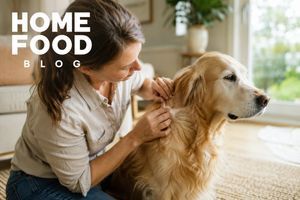
As dogs or cats reach old age, bodily changes occur gradually but often go unnoticed without careful monitoring. Even minor symptoms can be early signs of chronic conditions like kidney failure, arthritis, hyperthyroidism, or tumors. That’s why regular checkups—both at home and veterinary—are key to extending your pet’s quality and comfortable life. The table below shows how examination needs change with the pet’s age.
Table. Regular Veterinary Checkups for Senior Dogs and Cats
| Pet Age | Owner’s Home Checkup | Veterinary Checkup | Diagnostic Procedures | Prevention and Vaccination |
|---|---|---|---|---|
| 7–9 years | Monitor changes in appetite, weight, activity, behavior, coat and skin condition, and any new growths or soreness. | Annual checkup. | Complete blood count, biochemistry, urinalysis, thyroid function test (T4) for cats, abdominal ultrasound. | Annual vaccination, parasite prevention, dental care (annual ultrasonic scaling). |
| 9–11 years | Monitor changes in appetite, weight, activity, behavior, coat and skin condition, ears, eyes (corneal opacity), and any new growths or soreness. | Checkup every six months | Complete blood count, biochemistry, urinalysis, thyroid function test (T4) for cats and cortisol for dogs, abdominal ultrasound/CT. | Annual vaccination, parasite prevention, dental care (ultrasonic scaling once a year). |
| 11–13 years | Monitor changes in appetite, weight, activity, behavior, coat and skin condition, vision, hearing, and any new growths or soreness. | Checkup every six months | Complete blood count, biochemistry, urinalysis, blood pressure measurement, thyroid function test (T4) for cats and cortisol for dogs, abdominal ultrasound, and echocardiogram. | Annual vaccination (if needed), parasite prevention, dental care—manual or ultrasonic cleaning. |
| 13–15 years | Monitor changes in appetite, weight, activity, behavior, coat and skin condition, vision, hearing, and any new growths or soreness. | Checkup every three months. | Complete blood count, biochemistry, urinalysis, blood pressure measurement, thyroid function test (T4) for cats and cortisol for dogs, abdominal ultrasound, and echocardiogram. | Annual vaccination (if needed), parasite prevention, dental care (as needed after blood tests and echocardiogram). |
| 15+ years | Monitor changes in appetite, weight, activity, behavior, coat and skin condition, and any new growths or soreness. | Monthly checkup | Complete blood count, biochemistry, urinalysis. | Parasite prevention. |
Dogs and cats are not just pets. They are our companions, our silent friends, our hearts with tails. Just as we cared for them in their youth, in their mature years, we must be their voice, protection, and care.
Aging is not a disease but a natural process. However, it’s our attention, regular care, and veterinary prevention that determine what this period will be like: filled with calm, comfort, and trusting affection—or overshadowed by pain and anxiety. Timely checkups, dietary adjustments, a soft bed, leisurely walks, and warm hugs are simple yet powerful things that can make old age dignified. Remember: they give us their entire lives unconditionally. In their senior years, when they need it most, we can repay them with the same—attention, affection, and boundless devotion. Because true love has no age. It simply stays—nearby, purring or wagging its tail.

Drinking Water for Dogs to Strengthen the Immune System, 1 L
Buy
Drinking Water for Cats to Prevent Urolithiasis, 1 L
Buy
Fitomina for Cats Oil "Stimul" Effective Immunomodulator, 100 ml
Buy
Fitomina for Dogs Oil "Krill" for Recovery After Molting, 100 ml
Buy