📌 HOME FOOD Blog: tips on caring for, keeping healthy, and feeding cats and dogs. 🩺 Timely articles for attentive pet parents ❤️
Immune support in autumn and winter — how weather changes affect your pet’s health and what you can do about it

The transition from warm to cold seasons is a stressor for any living being. In animals, as in humans, the change in climate and reduction of daylight trigger hormonal shifts. Thyroid activity decreases, and the synthesis of vitamin D — which forms under UV light — slows down. This vitamin plays a vital role in T-cell function, a key part of cellular immunity.
At the same time, conditionally pathogenic microorganisms become more active in the environment — bacteria, viruses, fungi — all of which thrive in moist and unstable surroundings. Hypothermia, wet paws after walks, and drafts open the door to infections.
Who is at risk?
The autumn and winter period is critical for:
- young animals with underdeveloped immune systems;
- breeds with reduced thermoregulation (miniature, short-haired);
- elderly animals with slower tissue regeneration;
- those weakened after illness or surgery;
- females post-lactation with depleted nutrient reserves;
- pets that travel frequently or live in stressful conditions.
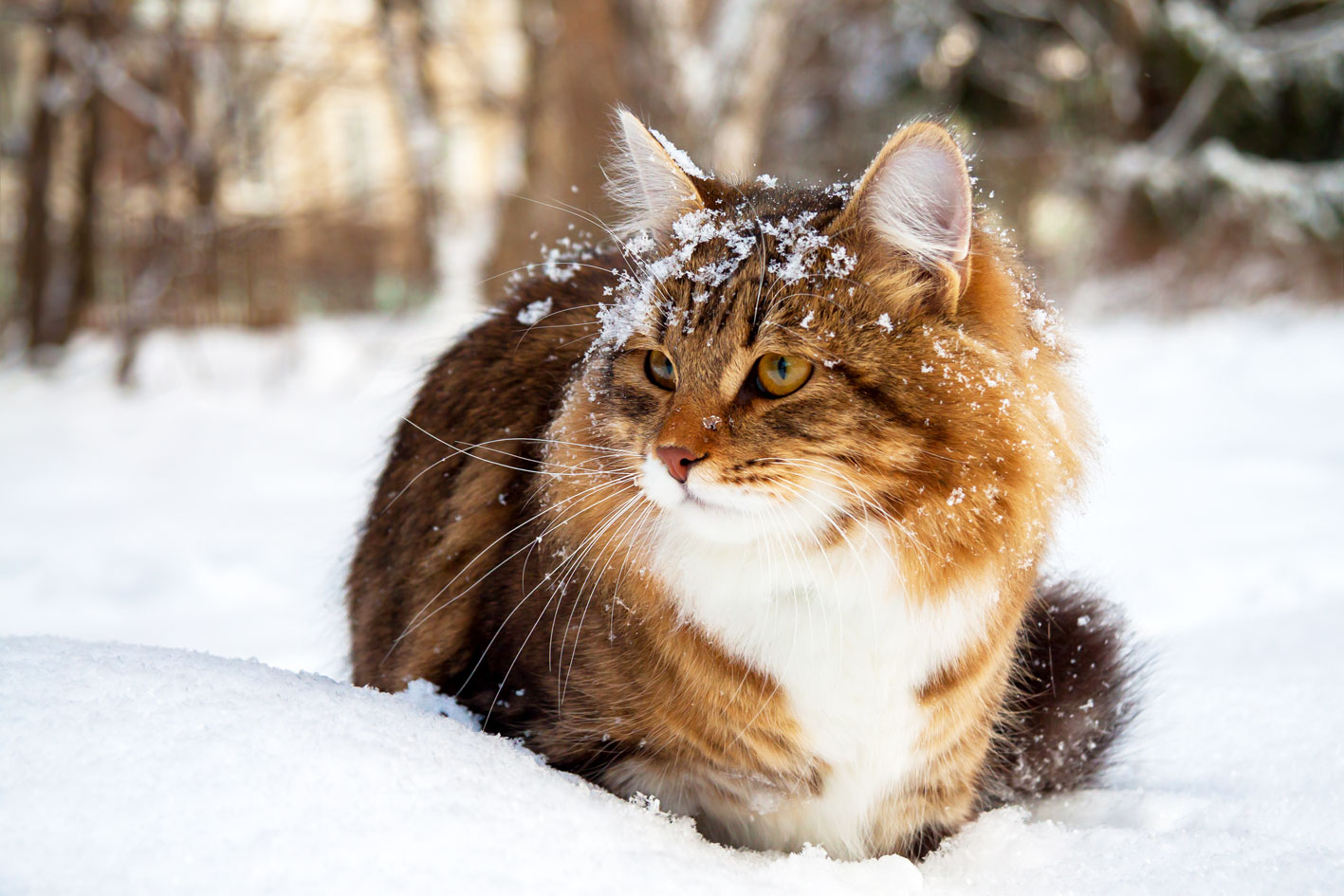

Even mild discomfort may signal the need for immune support
How does lowered immunity manifest?
Symptoms are not always specific. They are often masked as mild discomfort:
- lethargy, apathy;
- changes in appetite or refusal to eat;
- digestive issues (nausea, diarrhea);
- prolonged respiratory infections;
- frequent cystitis, especially in cats;
- dull, brittle coat and excessive shedding;
- in females — irregular heat cycles (delays, shorter intervals, false pregnancies).
What is immunity?
It’s a complex system involving the spleen, thymus, bone marrow, lymph nodes, and intestines — with up to 70% of immune cells concentrated in the gut. All parts work in harmony: neutrophils, macrophages, lymphocytes, interleukins, and interferons recognize, attack, and neutralize pathogens. Even minor disruptions in this chain weaken the body’s defenses.
In winter, the risk increases due to a lack of antioxidants, altered circadian rhythm, and vitamin deficiencies.
How to support your pet’s immunity: a science-based approach
1. Balanced nutrition — the foundation of immune resilience
A lack of protein, fatty acids, micronutrients, and vitamins directly affects immunity. Key components include:
- zinc and selenium — activate enzymes involved in immune response;
- vitamins A, D, E, and C — protect mucous membranes and skin;
- biotin and squalene — improve oxygenation of tissues;
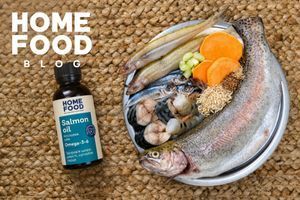
- Omega-3 (EPA, DHA) — reduce inflammation and improve microcirculation.

DHA intake increases macrophage activity in dogs by nearly 40 %
These findings, published in the Journal of Animal Science, show that docosahexaenoic acid (DHA), one of the key Omega-3 fatty acids, can enhance the body’s immune response by stimulating cellular immunity.
2. Antioxidant support
In autumn and winter, the body is attacked by free radicals. Astaxanthin (from krill oil), vitamin E, polyphenols, and enzymes help support the liver, heart, and spleen. That’s why HOME FOOD developed a range of phyto-supplements with formulas adapted to the season and your pet’s physiological condition.
These products contain:
- antioxidants;
- natural immunomodulators;
- adaptogens;
- nutrients for microcirculation, cellular regeneration, and overall vitality.
Most effective combinations
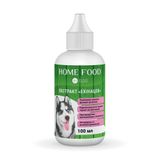
“Krill” oil + “Echinacea” extract — a powerful and comprehensive combination.
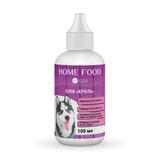
Krill is a source of Omega-3 in a form that’s more bioavailable than regular fish oil. Astaxanthin in its composition enhances the conversion of EPA and DHA, improves the condition of skin, mucous membranes, and blood vessels, and also provides anti-inflammatory benefits to the urinary, digestive, and musculoskeletal systems.
Echinacea extract is a source of antioxidant vitamins, betaine, and rutin. It stimulates the production of interferons — natural antiviral proteins.


Phytomin for dogs “Krill” oil for post-shedding recovery, 100 ml
Buy
Phytomin for dogs “Echinacea” extract for immune support, 100 ml
Buy
Other remedies for seasonal support
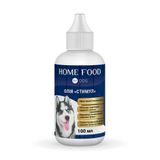
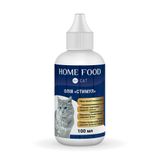
- HOME FOOD “Stimulus” Oil (black cumin, flaxseed, sesame) — antibacterial and immunomodulatory action.
- HOME FOOD Probiotic — supports the microbiome and stimulates immunoglobulin production.
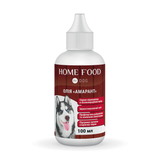
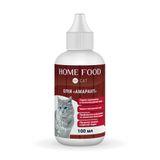
- Amaranth oil — a source of squalene for cellular respiration.
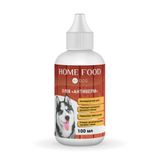
- AntiWerm oil — gentle prevention of helminths, which weaken immunity.
- HOME FOOD Drinking Water for Dogs — with succinic acid and silver to support cellular metabolism.
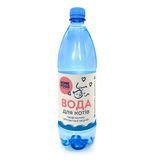
- HOME FOOD Drinking Water for Cats — with vitamin C and silver to prevent inflammation, including cystitis.

Phytomin for dogs “Stimulus” oil Effective immunomodulator, 100 ml
Buy
Phytomin for dogs “Amaranth” oil for post-surgical recovery, 100 ml
Buy
Drinking water for dogs for immune system support, 1 L
Buy
Drinking water for cats for prevention of urinary stone disease, 1 L
Buy
Don't forget about parasites
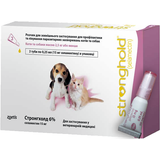
Parasitic diseases greatly undermine immunity. That’s why deworming is important during autumn and winter. For this, veterinarians recommend Drontal, Advocate, Stronghold, AnimAll VetLine DeWorm, as well as natural HOME FOOD products.
Clothing for dogs — not a luxury but a necessity
In damp or freezing weather, even a healthy dog may need extra protection. Raincoats and thermal suits can be very helpful. For example, the WAUDOG Clothes raincoat is perfect for small breeds.