📌 HOME FOOD Blog: tips on care, health, and nutrition for cats and dogs. 🩺 Up-to-date articles for caring pet owners ❤️
American Curl: breed origin, appearance, temperament, training, care, health, and who this gentle and highly sociable cat with recognizable curled ears is best suited for

The American Curl is one of those breeds that stays in your memory from the very first glance. Its ears curled backward make the appearance instantly recognizable, but the true value of the Curl lies not only in its unusual looks, but also in its friendly and delicate temperament.
This is a cat that knows how to stay close in a gentle and tactful way. It is intelligent, affectionate, sensitive to a person’s mood, and easily becomes the heart of the family without turning into an overly demanding pet.
In this article, we will look at how the breed appeared, what the American Curl looks like, what its temperament is like, how to raise it, how to care for it, and what to watch for in terms of health.
Brief Breed Overview
| Origin | USA, early 1980s |
| Other name | American Curl |
| Breed type | Shorthaired or longhaired, selectively bred |
| Size and weight | Medium size, approximately 2.5–5.5 kg |
| Lifespan | On average 13–17 years |
| Coat colors | All colors and patterns are accepted |
| Coat type | Soft, silky, short or semi-long, without a dense undercoat |
| Temperament | Gentle, affectionate, balanced, sociable, but not intrusive |
| Care | Simple: brushing 1–2 times a week and very delicate ear care |
| Best for | Families with children, older people, and anyone who wants an affectionate yet tactful companion cat |
Origin and Breed History
The history of the American Curl began in 1981 in California, when the Ruga family found a cat with unusual ears curled backward. It was a stray animal, but it became the foundation of the breed, which appeared due to a random yet dominant natural mutation.
It soon became clear that this trait was inherited by the offspring, and in 1987 TICA officially recognized the breed. At first, the standard applied to longhaired Curls, and later the shorthaired variety was added as well.
Since then, American Curls have gradually gained popularity in the United States, Japan, and Europe. Even so, the breed is still relatively rare, which gives it a special appeal for people looking for a truly unusual pet rather than a very common one.
- The breed did not emerge from a long and complicated breeding plan, but from a striking natural mutation.
- The backward-curled ears became the key feature that made the American Curl recognizable worldwide.
- The breed is becoming more popular, but it still remains relatively rare.
Appearance
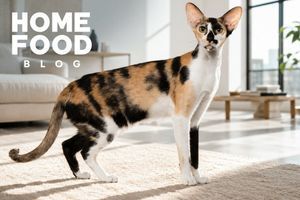
The main feature of the American Curl is its unusual ears curled backward. Interestingly, kittens are born with ordinary straight ears, which start changing shape only on days 3–10 of life and are fully formed by about 4 months of age.
The curl angle can range from 90° to 180°, and the cartilage should be firm but not too stiff. This is exactly what creates the expressive head silhouette that makes the Curl impossible to confuse with another breed.
The Curl has a rectangular body, solid bone structure, medium-length legs, a fairly long tail, and a soft, silky coat, whether shorthaired or longhaired. The breed appears even more exotic because the standard allows a very wide range of coat colors and patterns.
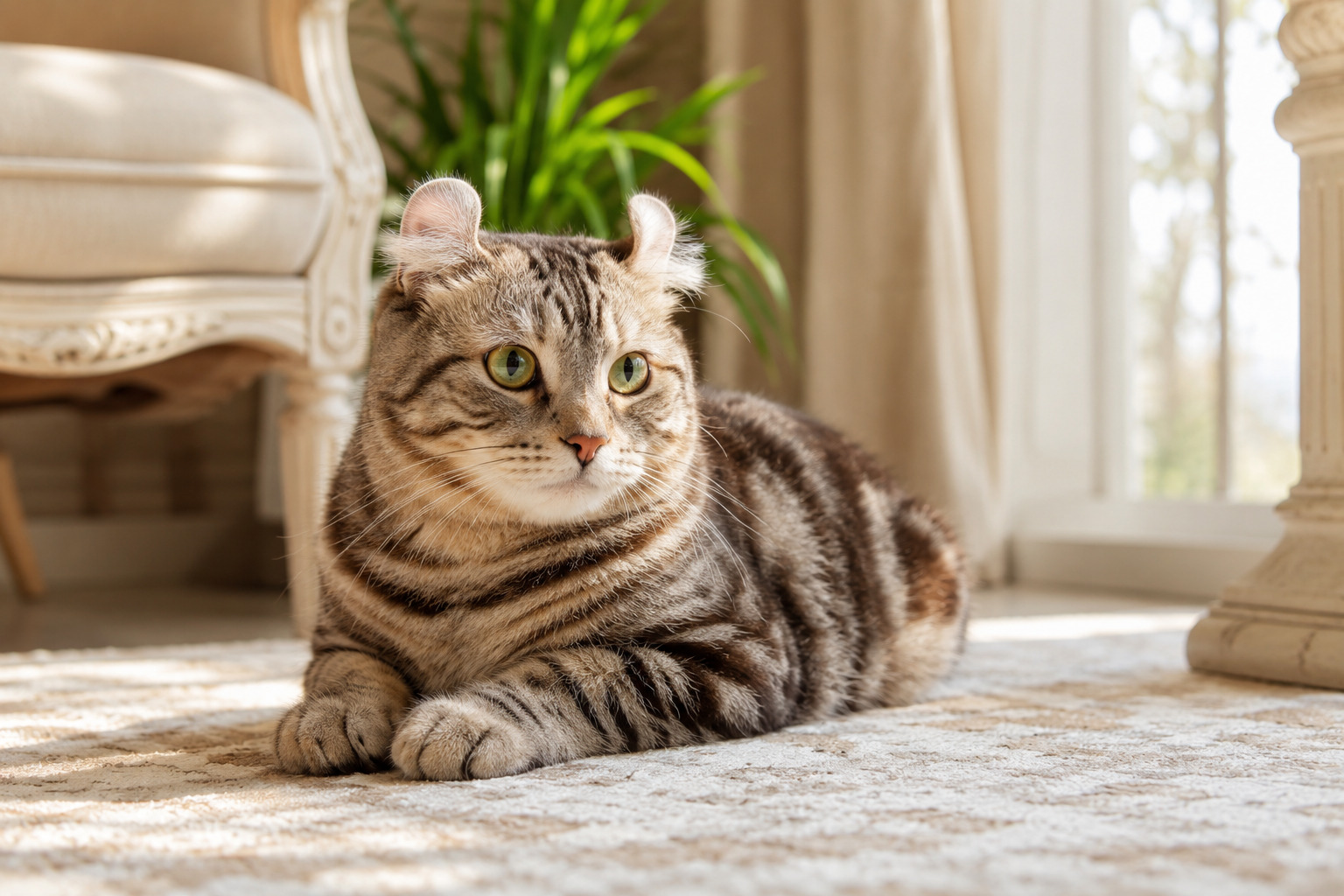

The unique ear shape combined with the cat’s very soft and graceful movements makes the American Curl a breed that is hard to forget even after a single meeting
Temperament and Behavior
American Curls are a rare combination of affection and inner independence. They genuinely love their owners, try to stay close, and are very sensitive to a person’s emotional state, yet they do not become intrusive or invade personal space.
Curls cope well with change: moving, new surroundings, the arrival of children, other pets, or guests. Because of their balanced nature and adaptability, they quickly settle into a family’s rhythm and become very comfortable companion animals.
This breed combines curiosity, intelligence, and gentle sociability. Curls enjoy exploring new things, can learn simple commands, stay playful into adulthood, and rarely meow loudly. With people, they are more likely to “converse” in a quiet and melodic voice.
- The American Curl is affectionate, but not clingy.
- It gets along well with children and other animals and adapts easily to new circumstances.
- This breed is especially well suited to people who appreciate an intelligent, sensitive, and tactful cat.


HOME FOOD Hypoallergenic — dry food for sterilized cats, seafood cocktail
Buy
HOME FOOD Grain-free hypoallergenic — dry food for cats, duck and pear
Buy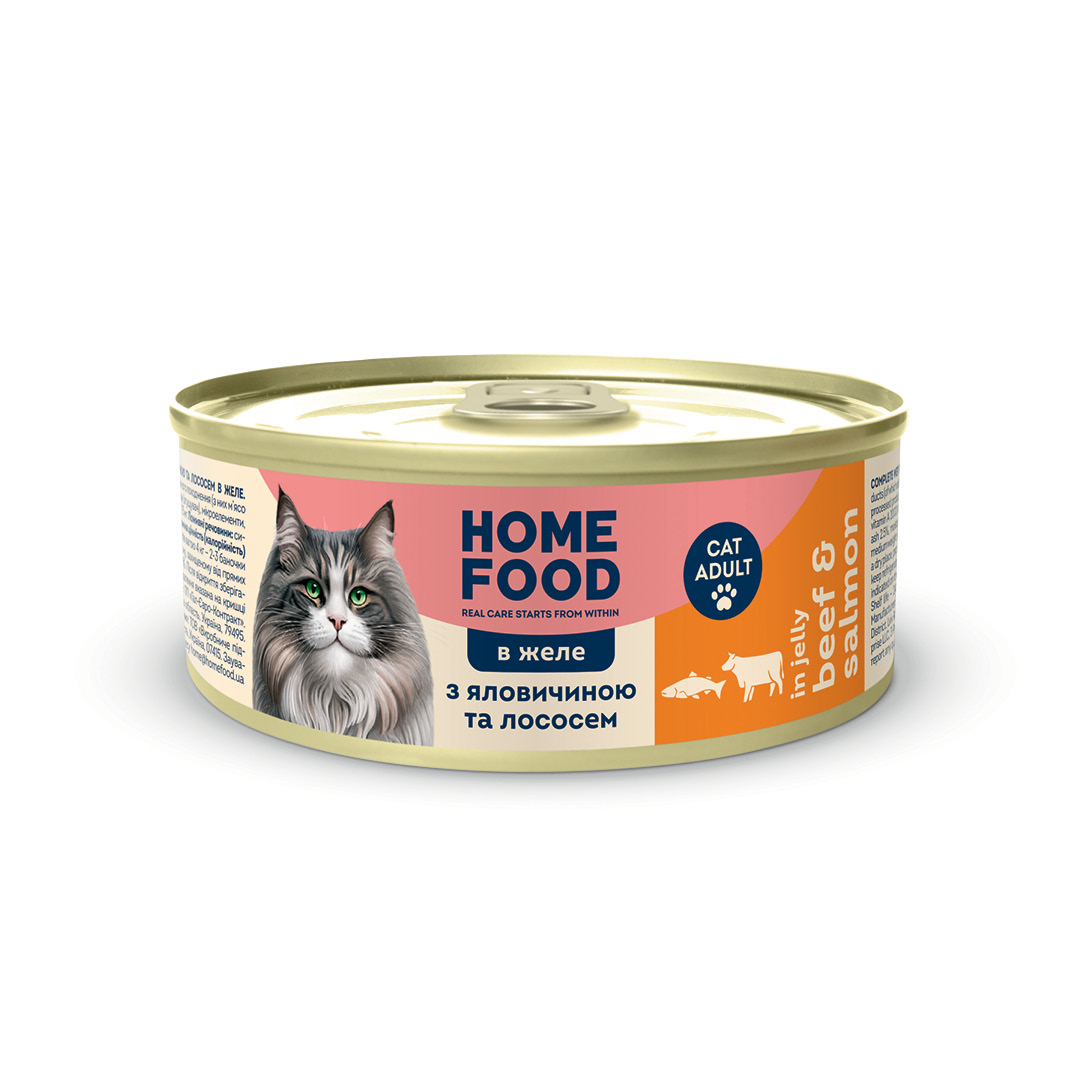
HOME FOOD — complete wet food for adult cats with beef and salmon in jelly
Buy
Electronic measuring spoon — for food portioning
Buy
Training and Education
The American Curl responds well to training if you start early and calmly. In the very first days after arriving in a new home, a kitten can learn basic household rules, and later even simple commands such as “Come,” “No,” or “Fetch.”
Positive reinforcement, treats, a calm voice, and short playful sessions are especially important for Curls. They get tired of monotony quickly, so training should stay light, engaging, and never overwhelming.
The breed also responds well to gentle involvement of children in training, provided it happens under adult supervision. This approach helps the kitten socialize better while also teaching the child responsibility and respect for animals.
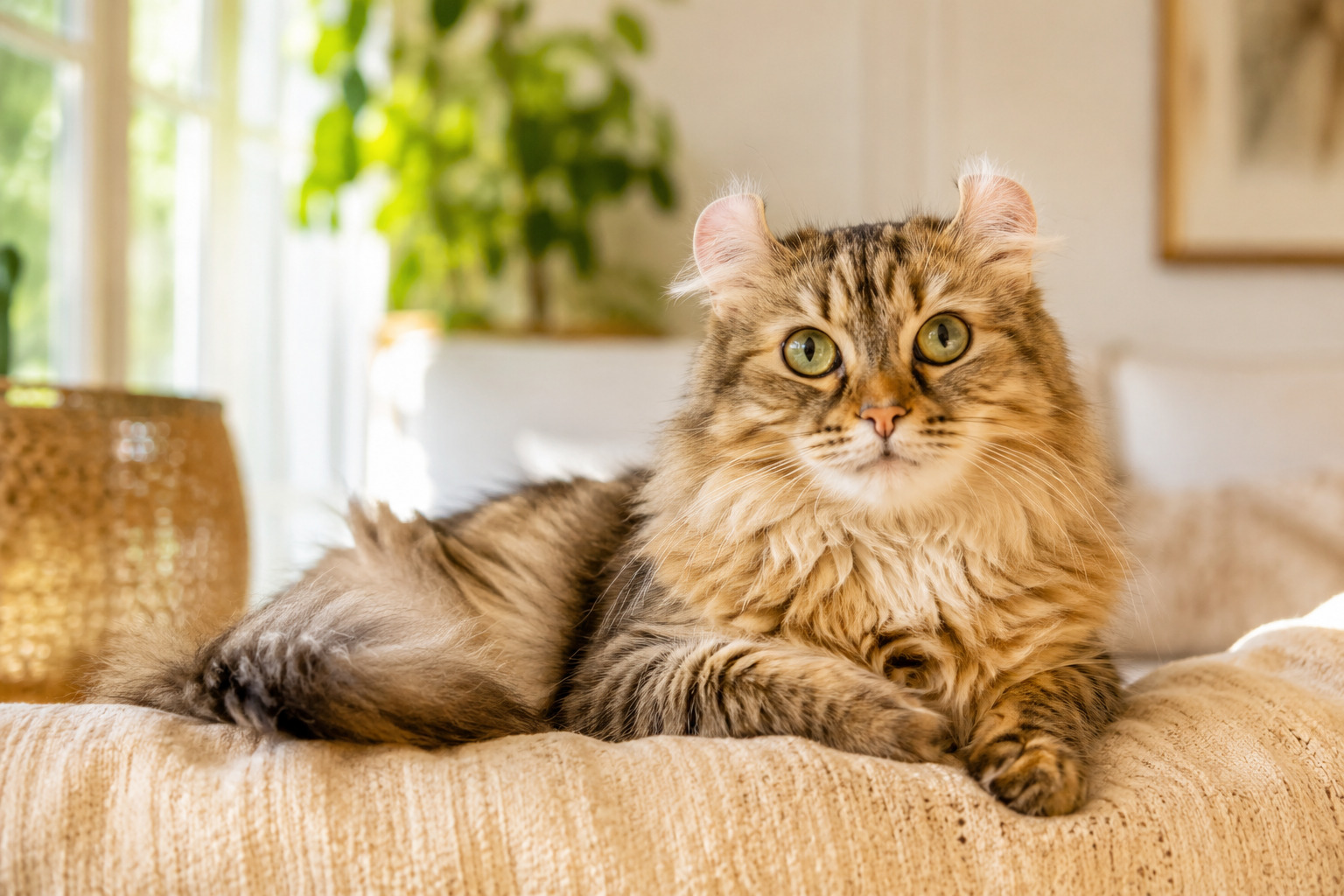
The American Curl is not just obedient, but genuinely eager to take part in learning when it is built around calm, friendly, play-based interaction
Care and Living Conditions
One of the strengths of the American Curl is its relatively easy care routine. The coat is usually brushed 1–2 times a week, and a bit more often during shedding periods. Bathing is needed rarely, usually only when necessary.
The most delicate area of care is the ears. They should be cleaned very carefully, without pressure or rough movements, so as not to damage the distinctive curl. Basic care also includes regular eye checks, nail trimming, and dental hygiene.
A proper Curl care routine includes:
- Brushing 1–2 times a week.
- Bathing only when needed, without excessive use of a hair dryer.
- Gentle ear care with mild products.
- Nail trimming every 2–3 weeks.
- Regular dental hygiene and eye monitoring.
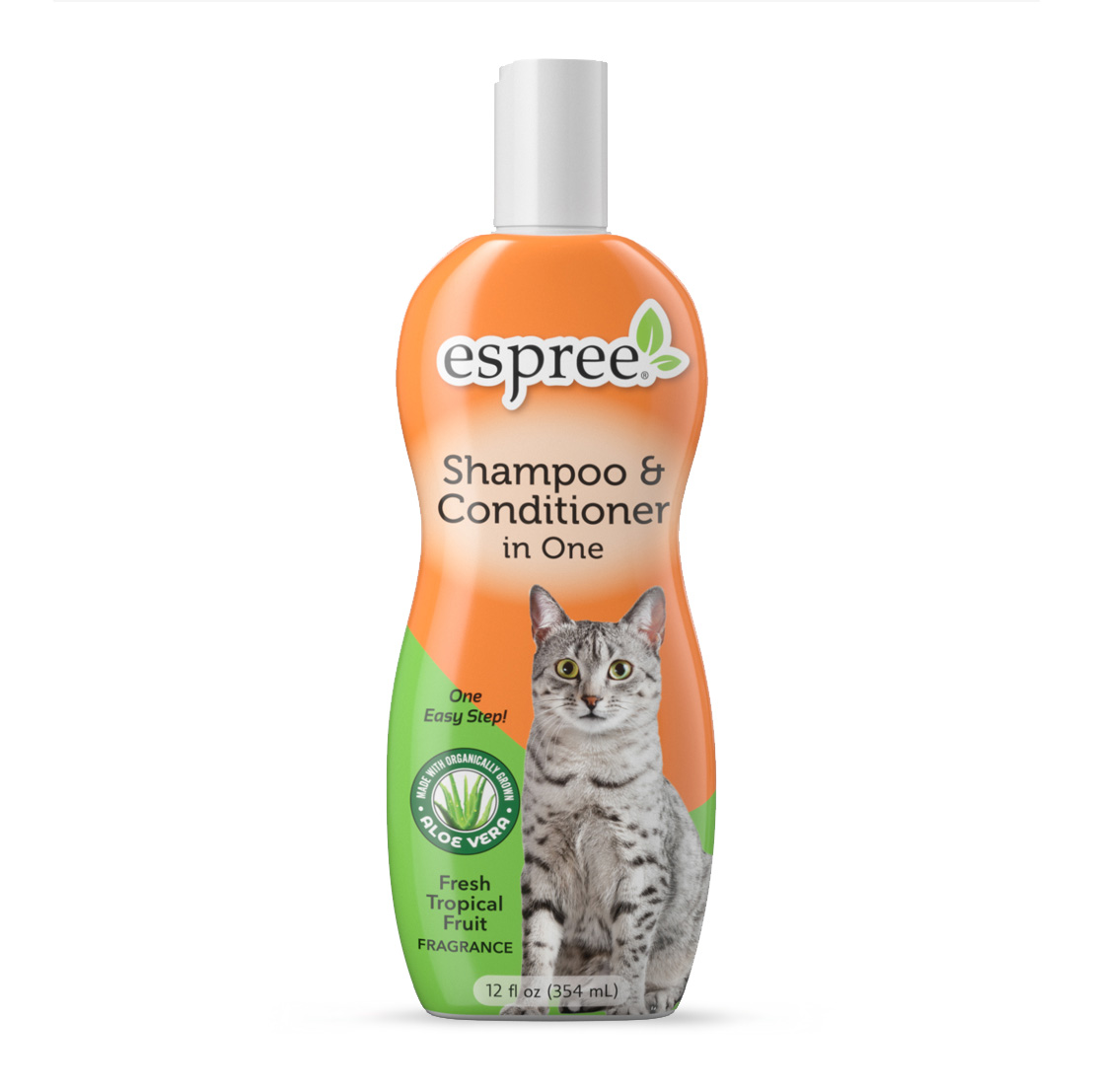
Espree Two in One — shampoo-conditioner for cats, 354 ml
Buy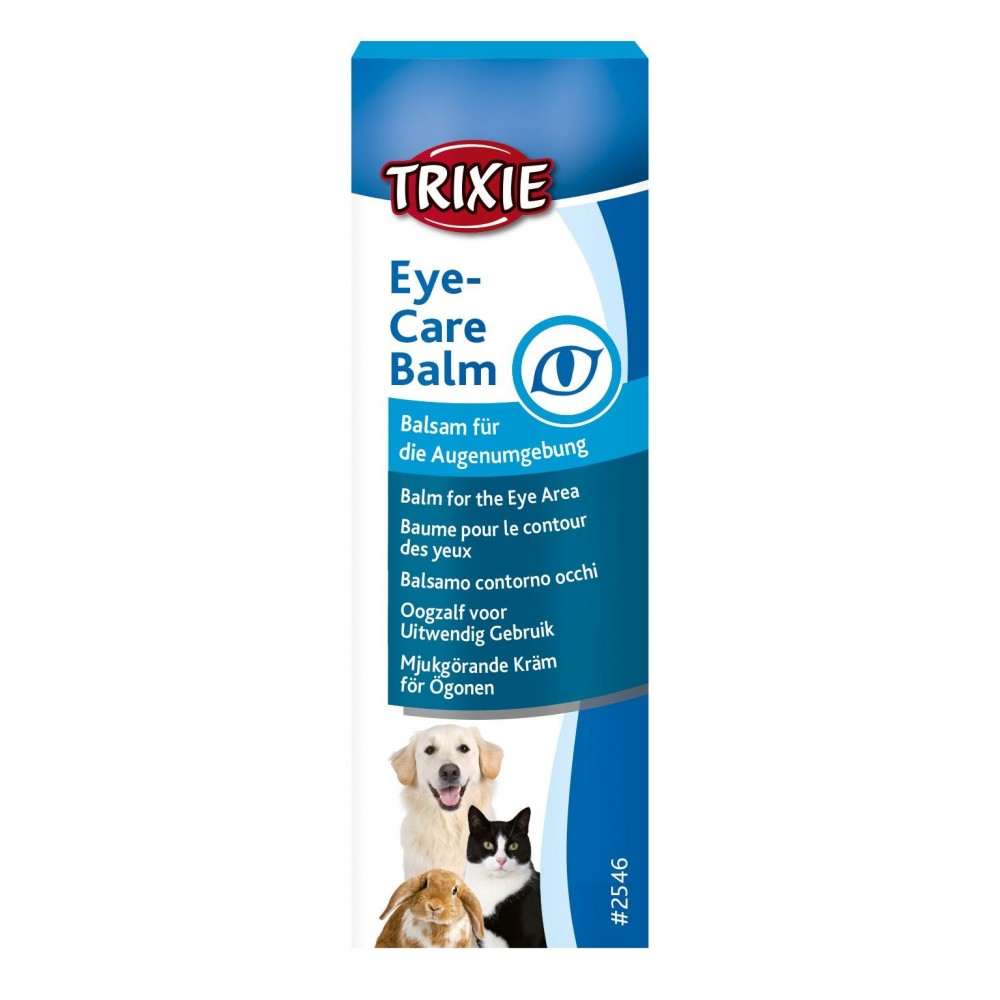
Trixie — eye-care lotion for dogs and cats, 50 ml
Buy
Health and Special Considerations
American Curls are considered one of the breeds with fairly strong overall health and without the pronounced hereditary diseases that often affect other selectively bred lines. That is why they are often seen as a very good breed for a long life at home.
At the same time, the Curl has one anatomical feature that requires special care: fragile ear cartilage. You should never press on the ears, bend them aggressively, or clean them roughly. This is the key point in preventing everyday injuries in this breed.
To maintain a Curl’s health, it is important not to forget timely vaccinations, parasite prevention, regular checkups, and weight control, especially if the cat lives indoors and is less active than it could be.

Otifree Vetoquinol — ear-cleaning solution for dogs and cats, 60 ml
Buy
Stronghold PLUS Zoetis — antiparasitic drops for cats up to 2.5 kg
Buy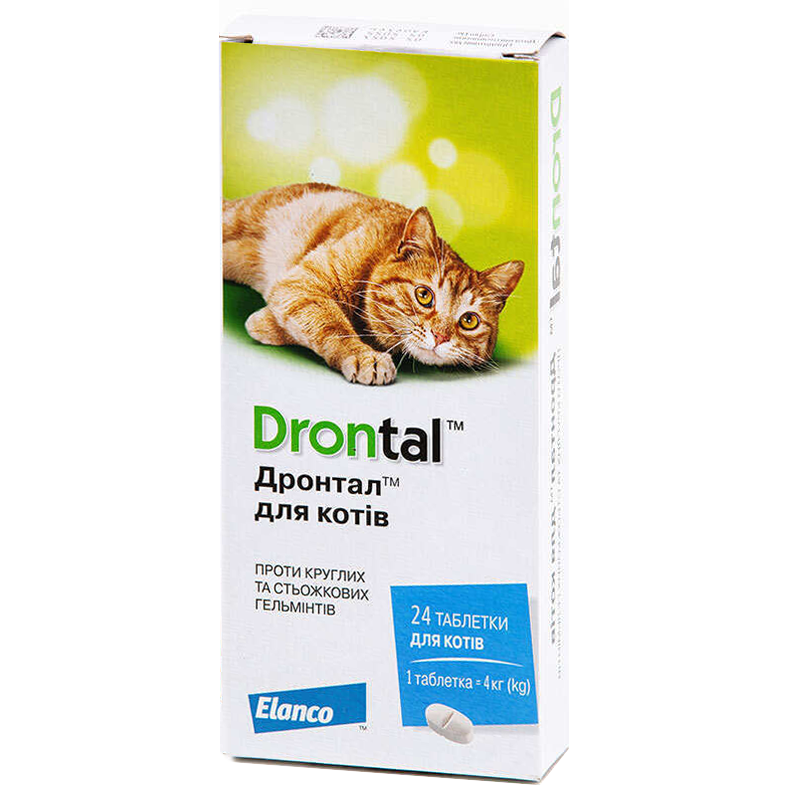
Drontal Elanco — tablet for treatment and prevention of helminth infections in cats
Buy
HOME FOOD — drinking water for cats to help prevent urinary stone disease
Buy
Who Is the Curl Best Suited For?
The American Curl is an excellent choice for those looking for a friendly, tactful, and very easy-to-live-with cat. It suits families with children, older people, single owners, and anyone who values close but comfortable emotional contact with a pet.
The breed is rare, sometimes expensive, requires gentle handling of the ears, and does not enjoy long periods of loneliness. In return, however, the Curl gives a lot: comfort, delicate affection, intelligent companionship, and a true sense of warmth at home.
Conclusion
The American Curl is not just a beautiful cat with unusual ears, but a true refined companion for the home. It combines rare looks, strong adaptability, tact, and a very pleasant temperament that is easy to live with every day.
If you are looking for a pet that will stay close in an affectionate, intelligent, and calm way, the American Curl truly deserves attention. It is one of those breeds where the outward “highlight” only emphasizes the genuine inner value of the character.