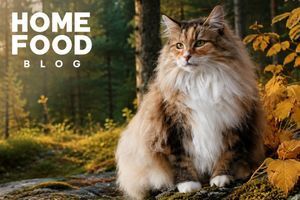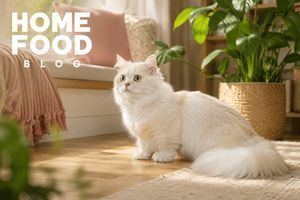
Ragdoll cats are a true embodiment of calm, tenderness and trust in people. Their name translates as "rag doll", and it perfectly reflects one of the breed's most famous traits: in their owner's arms, many Ragdolls truly relax as if they literally "go limp" in an embrace.
Ragdolls have long gained popularity worldwide thanks to their balanced temperament, friendliness and striking appearance. They are large, impressive, but very gentle-natured cats that feel especially comfortable where there is close contact with people, a calm lifestyle and a predictable rhythm of life.
In this article, we will look in detail at the Ragdoll breed: its character, coat patterns, care, nutrition and living conditions, so you can understand whether this wonderful and affectionate pet is right for you.
Brief breed characteristics
| Origin | USA, 1960s |
| Alternative name | Ragdoll |
| Breed type | Long-haired |
| Size and weight | Large format; approximately 4–9 kg, males are typically larger than females |
| Lifespan | On average 12–17 years |
| Coloring | Colorpoint, mitted, bicolor; blue, chocolate, lilac, seal, cream and other variations |
| Coat type | Semi-long, soft, silky, with minimal undercoat |
| Character | Very affectionate, calm, trusting, devoted to people |
| Care | Moderate grooming, nail control, safe living environment, attention to eyes, ears and weight |
| Suitable for | Families and people who want a very gentle companion cat |
History of origin
Ragdoll cats were developed in California in the 1960s. The breed's founder is considered to be breeder Ann Baker, and the key animal in the history of selection is a white long-haired cat named Josephine. Baker paid attention not only to appearance but also to the specific temperament of the offspring: she was interested in animals with the most gentle and trusting behavior.
The main criterion for selection for further work was character itself. There is a popular myth that the feature of "going limp" appeared after a car accident that Josephine experienced, but from a genetic perspective, such a story doesn't hold up to scrutiny. Instead, the phenomenon itself is associated with prolonged and deliberate selection based on behavioral traits.
Birman cats and individuals with colorpoint patterns also participated in the formation of the breed. Subsequently, Ragdolls received recognition from major feline organizations, including CFA, TICA and FIFe, and gradually became one of the most famous large domestic breeds in the world.
- The Ragdoll breed was formed in the USA in the 1960s.
- Selection specifically for gentle temperament played a key role in its development.
- The modern Ragdoll type combines a large format, blue eyes and very trusting behavior.
Exterior and physical standards
The Ragdoll is one of the largest domestic cat breeds. Animals typically reach full physical maturity and final coloring only by 3–4 years of age, and this is considered normal in the breed. This slow maturation is important to take into account both in care and nutrition, especially when it comes to supporting joints and controlling weight gain.
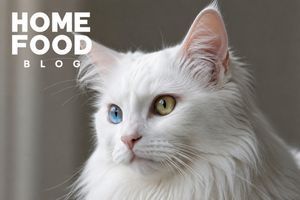
The breed is characterized by a massive, long and sturdy build with a broad chest and heavy bone structure. The rear part of the body may be slightly more massive than the front. A small fat pad on the belly is permitted by the standard and is not an automatic sign of obesity. The head has a modified wedge shape, the chin is strong, and the eyes must be blue – the more intense and deeper the shade, the better it is valued in the breed.
The coat in a Ragdoll is semi-long, very soft and silky, while the undercoat is relatively sparse. This is why it is often less prone to matting than in some other long-haired breeds. A pronounced collar and "pants" complete the image of a large soft cat that the breed is primarily associated with.
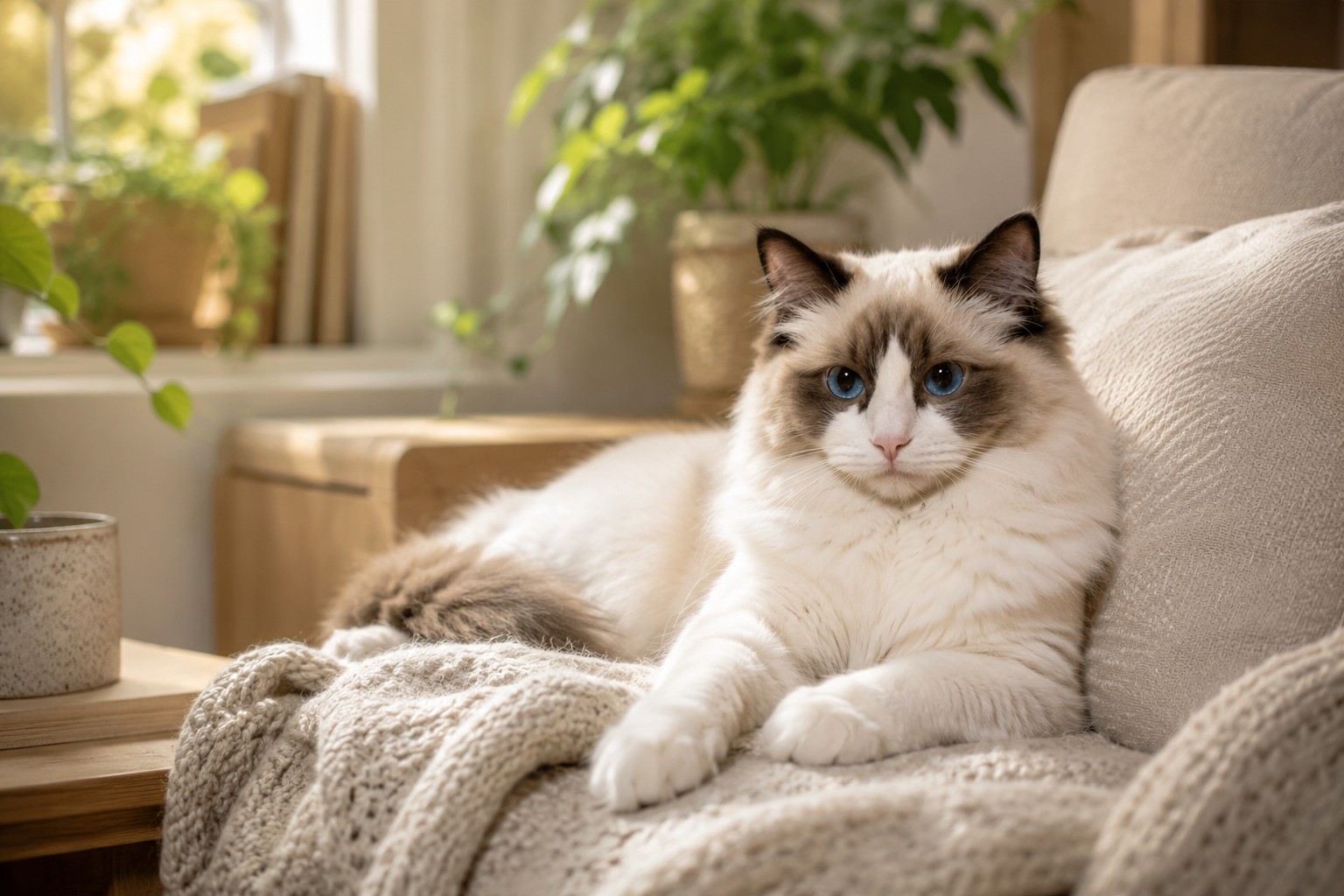

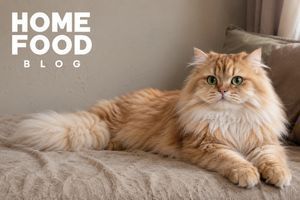
A Ragdoll is easy to recognize by its large size, blue eyes, soft coat and very relaxed, fluid movements
Classification of colorings
Ragdolls belong to the colorpoint group, meaning they have darker markings on the face, ears, paws and tail compared to the main body. Standards distinguish three main pattern types: colorpoint, mitted and bicolor. Each has its own clear requirements for the distribution of dark and white zones.
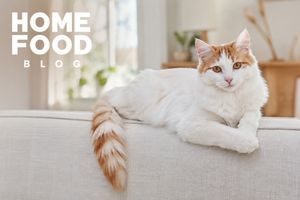
Colorpoint is characterized by dark markings without white spots. In mitted, white "socks" appear on the front paws, "boots" on the hind legs and a white stripe along the lower part of the body. In bicolor, there is a white spot on the face in the shape of an inverted letter "V", and the paws and belly remain white.
The main point colors are seal, blue, chocolate, lilac, red and cream. For the owner, this is not just aesthetics: Ragdoll kittens are born light, and the final pattern and color saturation develop gradually.
Behavioral characteristics
The main characteristic of a Ragdoll is a very trusting, calm temperament. When a person picks up such a cat, it often relaxes much more than representatives of other breeds. This trait is what gave the breed its name. At the same time, it is important to remember that not every individual Ragdoll will be equally enthusiastic about constant hugs: respect for individual character is always needed.
Ragdolls are socially oriented and tolerate loneliness poorly. They like to be nearby, follow people around the house, are rarely aggressive and usually get along easily with children and other pets. At the same time, their temperament is rather phlegmatic: these are not hyperactive cats, but calm companions who prefer gentle play and domestic closeness.
Another important trait is that Ragdolls jump less confidently compared to lighter and more agile breeds. Because of their large body weight and slower reactions, they can be injured even after falling from low surfaces if they do not manage to right themselves in time. This is why their living environment must be not just comfortable, but also safe.
- A Ragdoll is very people-oriented and dislikes being left alone for long periods.
- The breed is typically quiet, calm and safe in interactions with children.
- Due to their large weight and calm temperament, such cats need a particularly safe home environment.
Keeping and care
Despite the significant volume of coat, caring for a Ragdoll is not as complicated as it might seem at first glance. Due to the relatively small amount of undercoat, the coat usually does not mat as readily as in some other long-haired breeds. However, regular brushing is still necessary: as a basic routine, 1–2 times a week, and more often during shedding.
You also need to regularly clean the eye corners, check ear cleanliness and trim nails approximately every two weeks, especially if the cat leads a sedentary lifestyle and doesn't wear them down sufficiently on its own. In the home, it's worth avoiding high unprotected surfaces from which the animal might jump down unsuccessfully.
Free roaming is absolutely not suitable for a Ragdoll. Due to their trusting nature, weak hunting instinct and limited ability to defend themselves, they do much better as indoor-only cats. They are most comfortable where there are soft beds, safe routes, a calm atmosphere and constant human presence.
In daily care for a Ragdoll, the most important things are gentle brushing, eye and ear hygiene, nail control and a calm home environment without dangerous heights.


Steam massage brush 3 in 1 — "Avocado" for coat care of dogs and cats
Buy
HOME FOOD Beauty — set for dogs and cats: shampoo "Perfect Care" 200 ml + conditioner "Silky Touch" 200 ml
Buy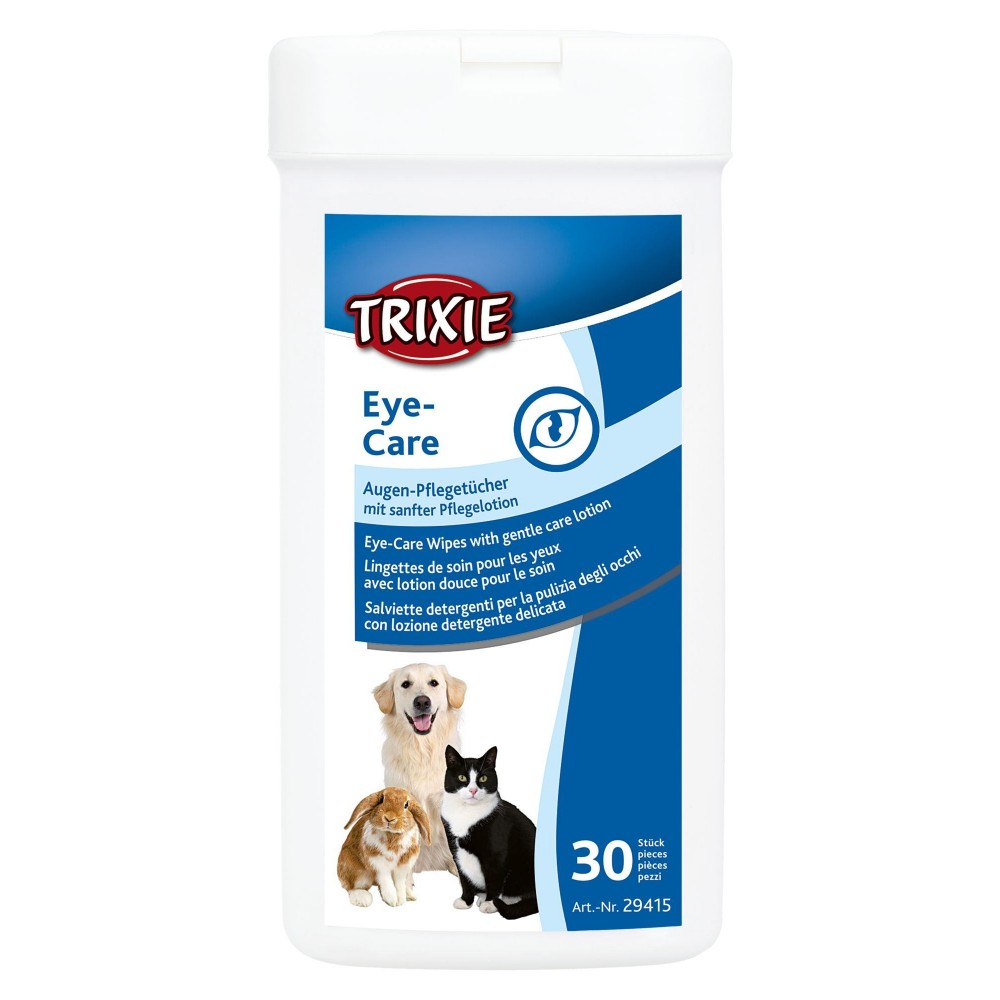
Trixie — wipes for eye care of dogs and cats, 30 pcs
Buy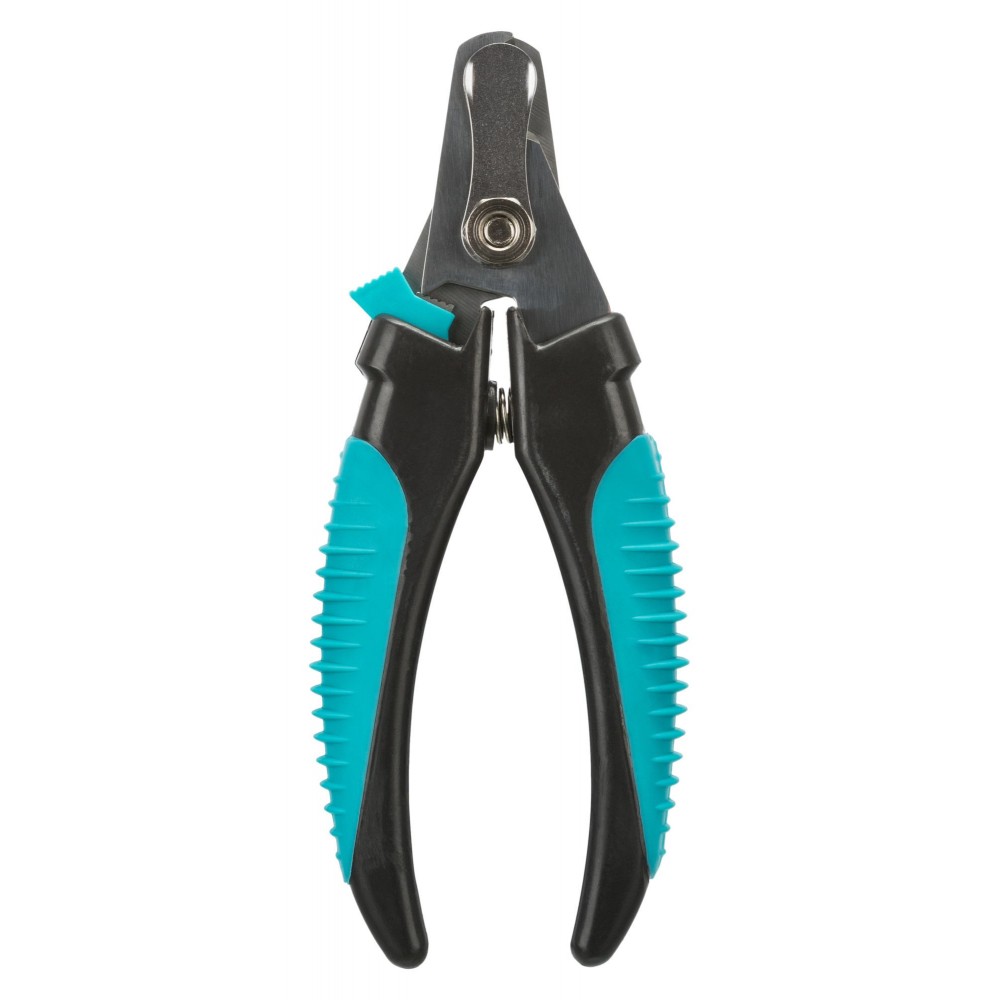
Trixie Luxe — nail clipper for pets, large, 16 cm
Buy
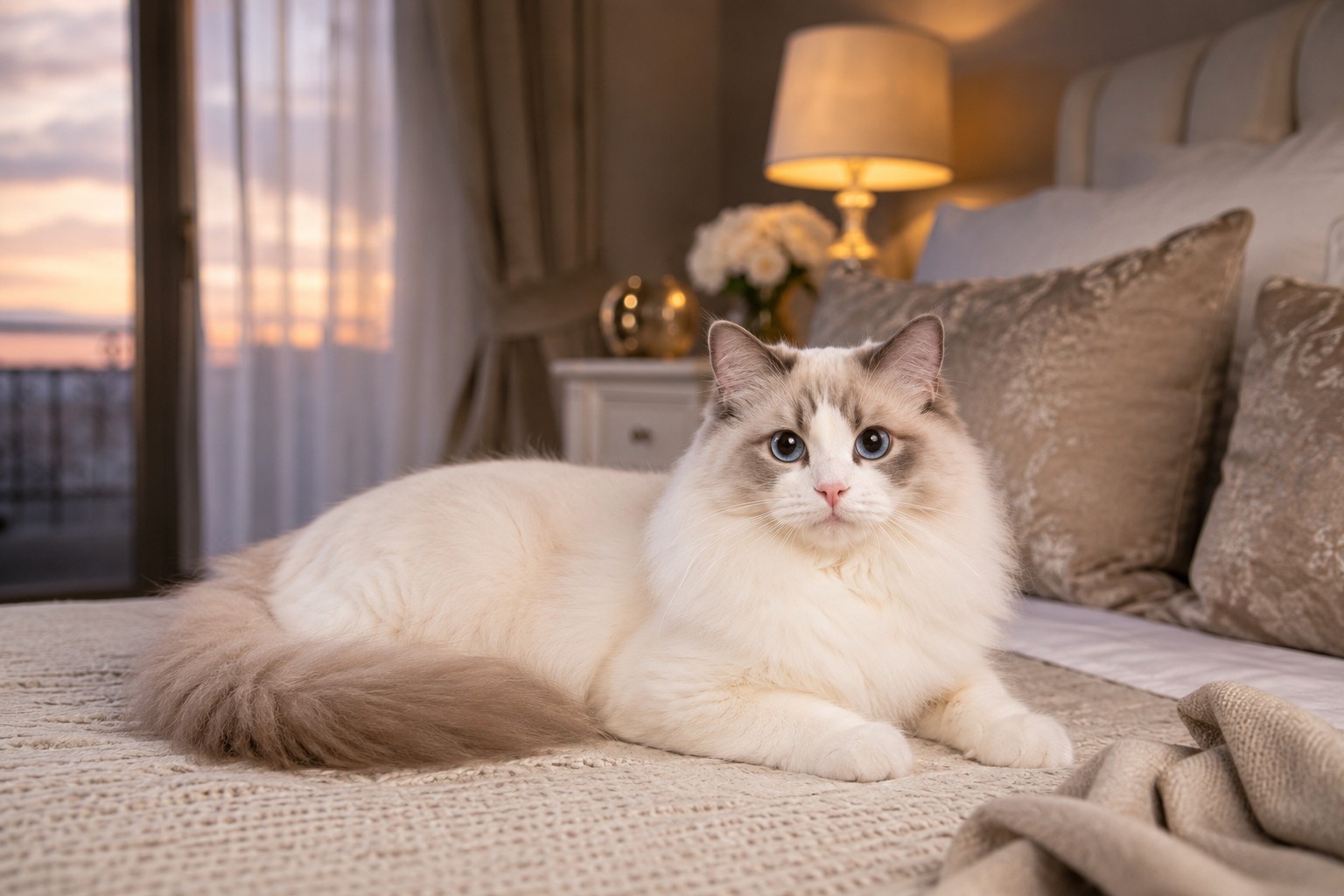
For a Ragdoll, the most important things are soft regular grooming, a safe home without the risk of falls, and constant contact with people
Health
Ragdolls have a well-functioning immune system, but the breed is known to have a predisposition to a number of hereditary problems. The most important is hypertrophic cardiomyopathy. This is why responsible breeders conduct DNA tests and cardiac screening of breeding animals, and owners should know the kitten's family history before purchase.
The second important issue is the urinary system. For large cats, especially neutered ones, it is very important to monitor the mineral composition of the diet, ensure adequate water intake, and maintain overall balanced nutrition. Also, due to their large size and slow maturation, Ragdolls can experience stress on the hip joints, especially during periods of active growth or when overweight.
- When choosing a kitten, it's worth asking about DNA testing and cardiac screening of the parents.
- For a Ragdoll, weight control, water balance, and moderate stress on the joints are very important.
- A safe home environment for this breed is just as important as proper nutrition and grooming.
Diet
To maintain muscle mass and coat health, Ragdolls need a high-protein diet with controlled calories. Due to their tendency toward a sedentary lifestyle and large size, excess energy quickly leads to obesity, which in turn increases stress on the heart and musculoskeletal system.
A Ragdoll's diet should account for their late maturation: until four years of age, the body especially needs sufficient amounts of substances that support joints and ligaments. For coat quality, zinc, copper, B vitamins are important, as well as good feed digestibility overall. It's also important to avoid excess magnesium and phosphorus and ensure constant access to clean water.

HOME FOOD For the support of the musculoskeletal system — dry food for musculoskeletal system support for spayed/neutered adult cats of large breeds, veal with salmon and sun-dried tomatoes
Buy
HOME FOOD Omega Balance — oil for cats, balance of Omega-3, -6, -9
Buy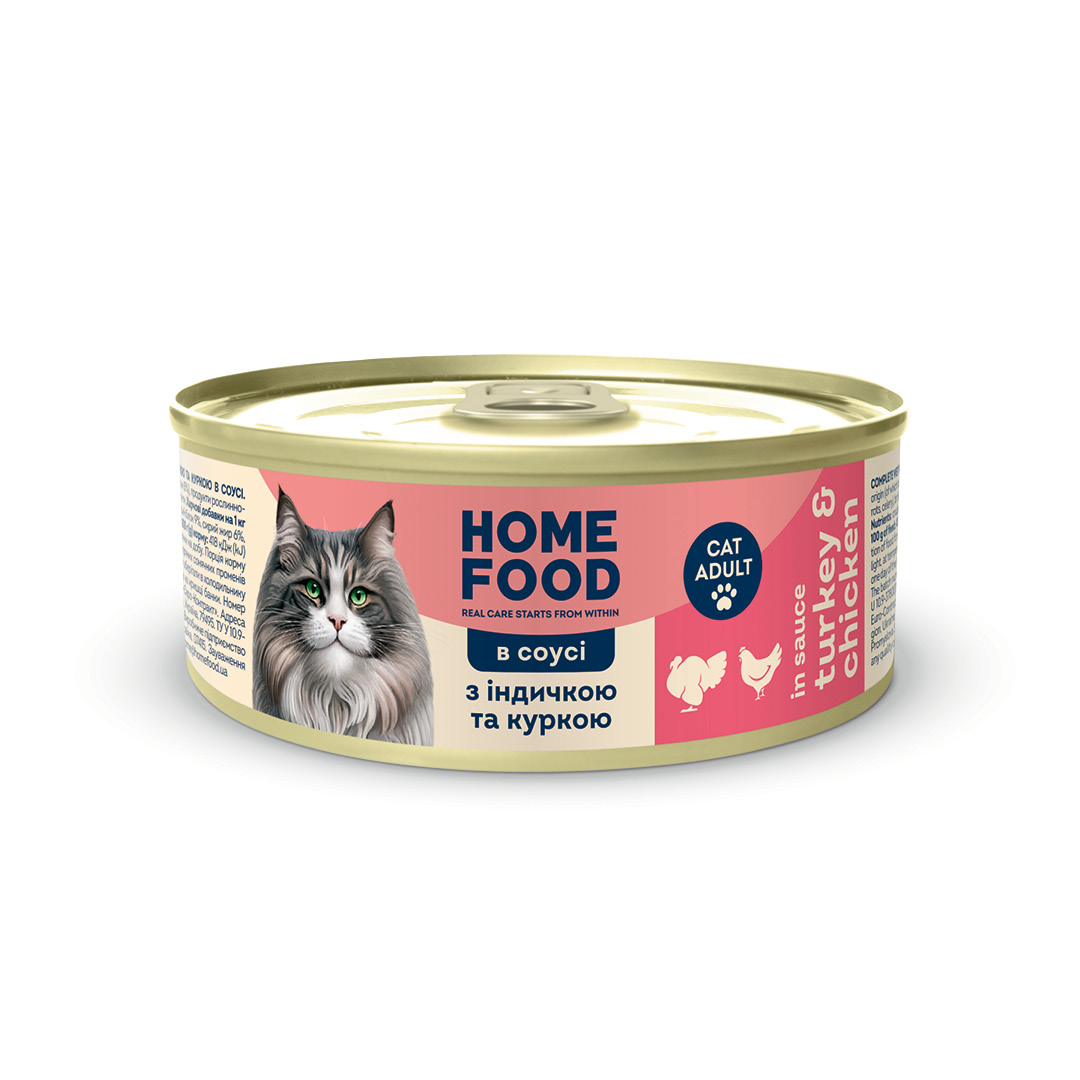
HOME FOOD — complete canned food for adult cats with turkey and chicken in sauce
Buy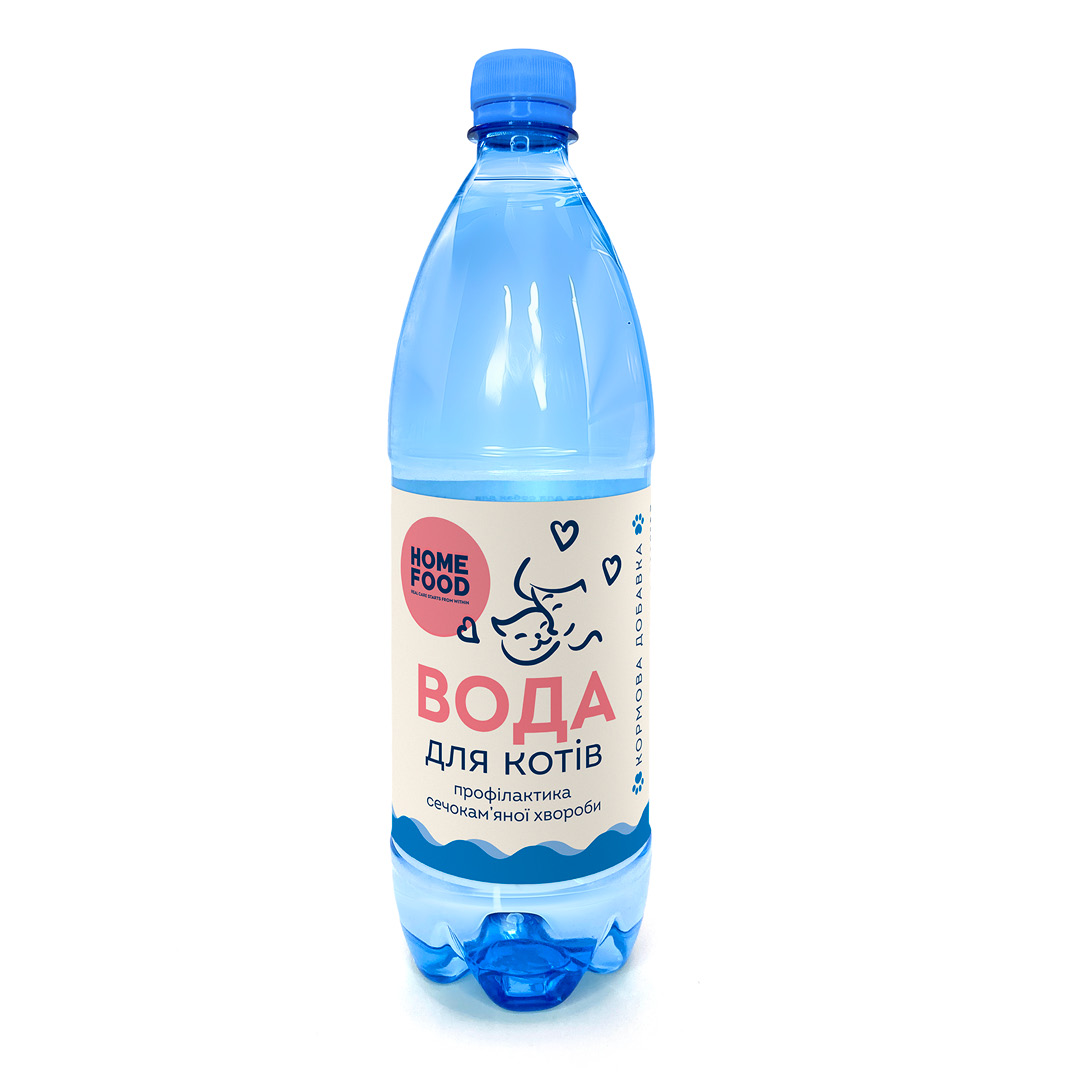
HOME FOOD — drinking water for cats for the prevention of urolithiasis, 1 l
Buy
Training and education
Ragdolls' intelligence allows them to quickly learn behavioral rules, and these cats are usually easily litter trained and adapt well to scratching posts. Due to their strong attachment to people, they read intonations and emotional atmosphere in the home well, so training works best through affection, consistency, and encouragement.
Loud voices and harsh sounds can cause strong stress in such animals and make the cat hide or avoid contact. This is why calm training, clear boundaries, and a friendly interaction style are critical for a Ragdoll.
Breed pros and cons
Before choosing a Ragdoll, it's worth evaluating not only its appearance and gentleness, but also the real aspects of living with such a large and very social cat.
- The pros include a very soft temperament, friendliness, high compatibility with children and other animals, and relatively simple coat care.
- A Ragdoll is excellent for home living and for people who enjoy close contact with their cat.
- The cons include poor tolerance of solitude, risk of injury from falls, and the need to monitor weight and heart health.
- The breed is not ideal for those looking for a maximally independent or very active cat.
Similar breeds
Ragdolls are most often compared to Ragamuffins and Birman cats due to their soft temperament and long coat. However, the Ragdoll has its own type: always-blue eyes, clearly defined colorpoint pattern variations, and the reputation of an extraordinarily relaxed, trusting home companion for which it is known worldwide.
Conclusion
A Ragdoll is a breed for those who dream of a large, very gentle cat that is deeply oriented toward home and family that truly wants to be near people. It's not about independence or outdoor endurance, but about closeness, trust, and a calm family life.
If you combine a safe space, quality nutrition, weight control, regular grooming, and plenty of human attention, a Ragdoll can become an extraordinarily tender and devoted family member for many years.