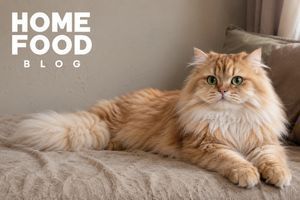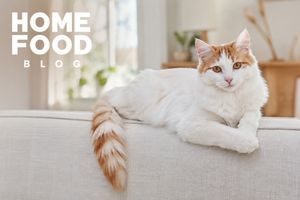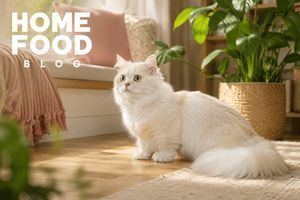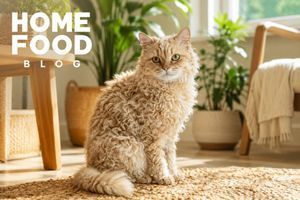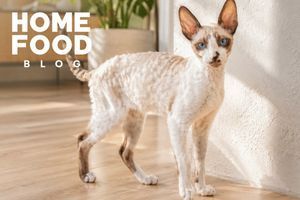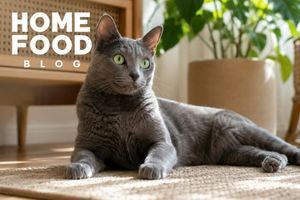
The Oriental Shorthair cat impresses at first glance: a slender body, elongated neck, large ears, sharp mind and a very attentive gaze. But the main strength of this breed is not just in appearance. It is one of the most communicative domestic cats that truly loves being near people.
The Oriental doesn't stay in the background at home. It participates in family life, watches every movement, plays actively, responds to voice and often communicates very expressively with its owner. That's why it is especially valued by those looking not just for a beautiful cat, but for an emotionally engaged companion.
In this article, we will explore where the Oriental Shorthair cat comes from, what its appearance is like, what its temperament is, how to organize its home space, what to pay attention to regarding health, and how to choose a diet without common mistakes.
Brief breed characteristics
| Origin | Oriental breed group based on Siamese cats; selective breeding in England and the USA |
| Alternative names | Oriental Shorthair |
| Breed type | Shorthaired Oriental domestic cat of medium size |
| Size and weight | Approximately 2.7–5.4 kg; slender, long, muscular body |
| Lifespan | Average 12–15 years |
| Colors | Many color variations, except for point pattern |
| Coat type | Short, silky, lies close to the body, without pronounced undercoat |
| Temperament | Sociable, intelligent, talkative, active, very people-oriented |
| Care | Easy grooming, regular monitoring of teeth, eyes, ears and claws |
| Suitable for | People who are ready for active interaction, play and daily attention to the cat |
Breed origin
The Oriental Shorthair cat descends from the Siamese breed group. When Siamese cats were brought from Thailand to Europe in the late 19th century, kittens with non-pointed colorations were long perceived as deviations from the desired type. Eventually, these very lines became the foundation for forming a separate breed.
In 1923, the British Siamese Club focused on blue-eyed pointed animals, while other color variations were essentially set aside. This created space for the separate development of Orientals. In subsequent decades, selective breeding in England and the USA established the modern type: long body, wedge-shaped head, large ears and a very wide palette of colors.
In the second half of the 20th century, the breed gained international recognition. Today, the Oriental Shorthair cat is associated with elegant appearance, high intelligence and distinctive temperament that makes it very noticeable in any home.
- The Oriental Shorthair was formed on the basis of the Siamese breed group.
- Its modern type was established primarily in England and the USA.
- The breed became a separate direction thanks to work with non-pointed colorations.
What makes the Oriental recognizable
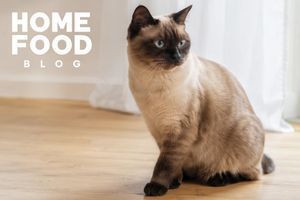
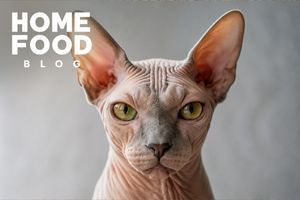
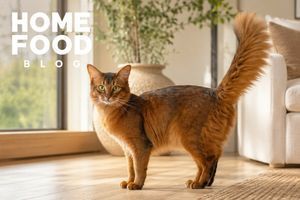
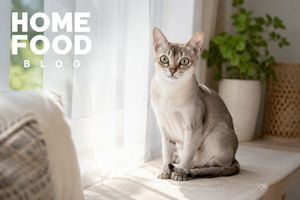
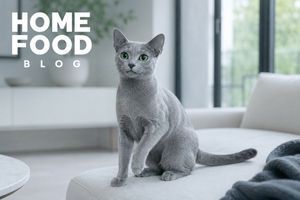
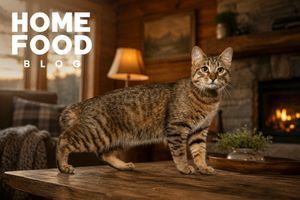
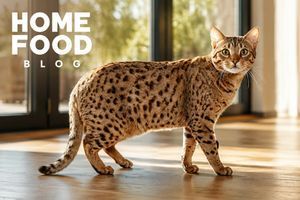
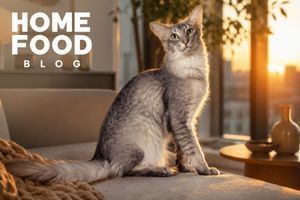
The Oriental Shorthair cat has one of the most distinctive silhouettes in feline studies. It is slender, long, muscular, but not coarse. The breed is characterized by a thin neck, elongated body, long tail, triangular head and very large pointed ears.
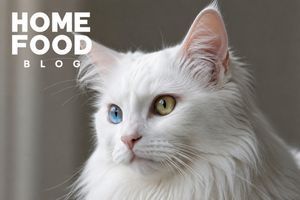
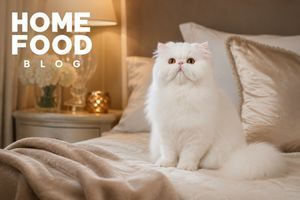
The Oriental's eyes are almond-shaped and most often green; in white cats, they may be blue or odd-eyed. The coat is short, smooth, lies close to the body and has a silky texture. This because of this short coat that the body lines are clearly visible, and the breed looks particularly refined.
This cat has many color variations. It is the richness of colors combined with the typical Eastern anatomy that is one of the main differences of the Oriental from the Siamese line in the classical sense.
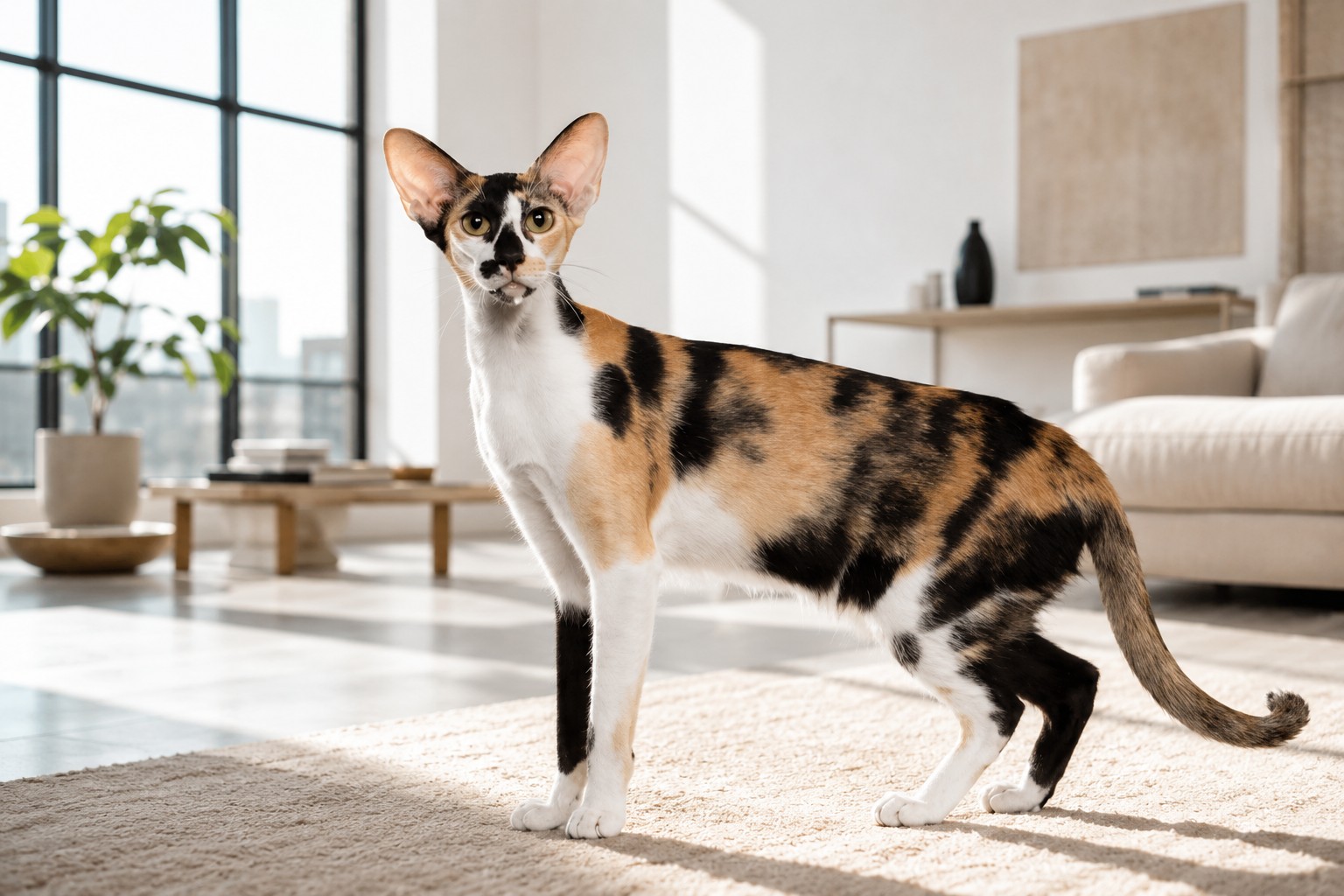

The Oriental is easy to recognize by its elongated body, large ears, wedge-shaped muzzle and smooth short coat
Temperament and habits
Oriental Shorthair cats are known as very affectionate, intelligent and curious pets. They love being in the center of attention, follow people around the house, watch their actions carefully and often vocalize actively. At the same time, their voice is usually perceived as soft and melodious rather than harsh.
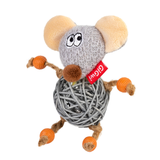
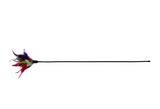
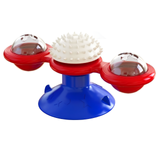
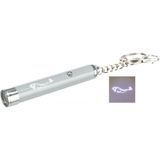
These cats respond well to intellectual games, interactive toys, communication and learning simple rituals or tricks. They don't like to be bored. If an Oriental lacks attention or stimulation, it may seek activities on its own, and these are not always things that will please the owner.
This breed finds solitude difficult. That is why some Orientals feel more comfortable when they have another pet for company. But even in a pair, they still need human attention.
Behavior at home
The Oriental lives wonderfully in an apartment if there is space to move, climb, play and observe. The breed benefits from scratching posts, safe heights, shelves, interactive toys, a cozy resting place and plenty of opportunities for interaction with the owner. This cat doesn't like an 'empty environment' without stimuli.
Orientals also need their own quiet corner. Despite their high sociability, they should not constantly be in a noise-filled environment. A well-organized space helps maintain balance between activity and rest.
- Orientals need daily play, interaction and mental stimulation.
- The breed tolerates prolonged solitude and boredom poorly.
- For comfortable living, safe heights, toys and a quiet resting place are important.
Health and care
Overall, the Oriental Shorthair cat is considered a fairly robust breed, but certain risks are worth knowing about. Veterinary materials mention gingivitis, cardiomyopathy and hepatic amyloidosis, which aligns with what veterinary materials describe about the Oriental group. That's why monitoring the oral cavity, overall condition and regular check-ups are just as important as proper nutrition.
Due to its slender build, an Oriental can look 'simply fit' for a long time, even if it's already starting to lose body weight or muscle tone. It's important for the owner to notice appetite, activity, weight, breathing, coat shine and interest in play. If the cat becomes lethargic, moves less or avoids food, it's better not to delay a veterinary consultation.
Grooming for this breed is simpler than for long-haired cats: the coat should be gently brushed to maintain shine and remove dead hair. But teeth, claws, eyes and ears require the same regular attention as in other domestic cats.
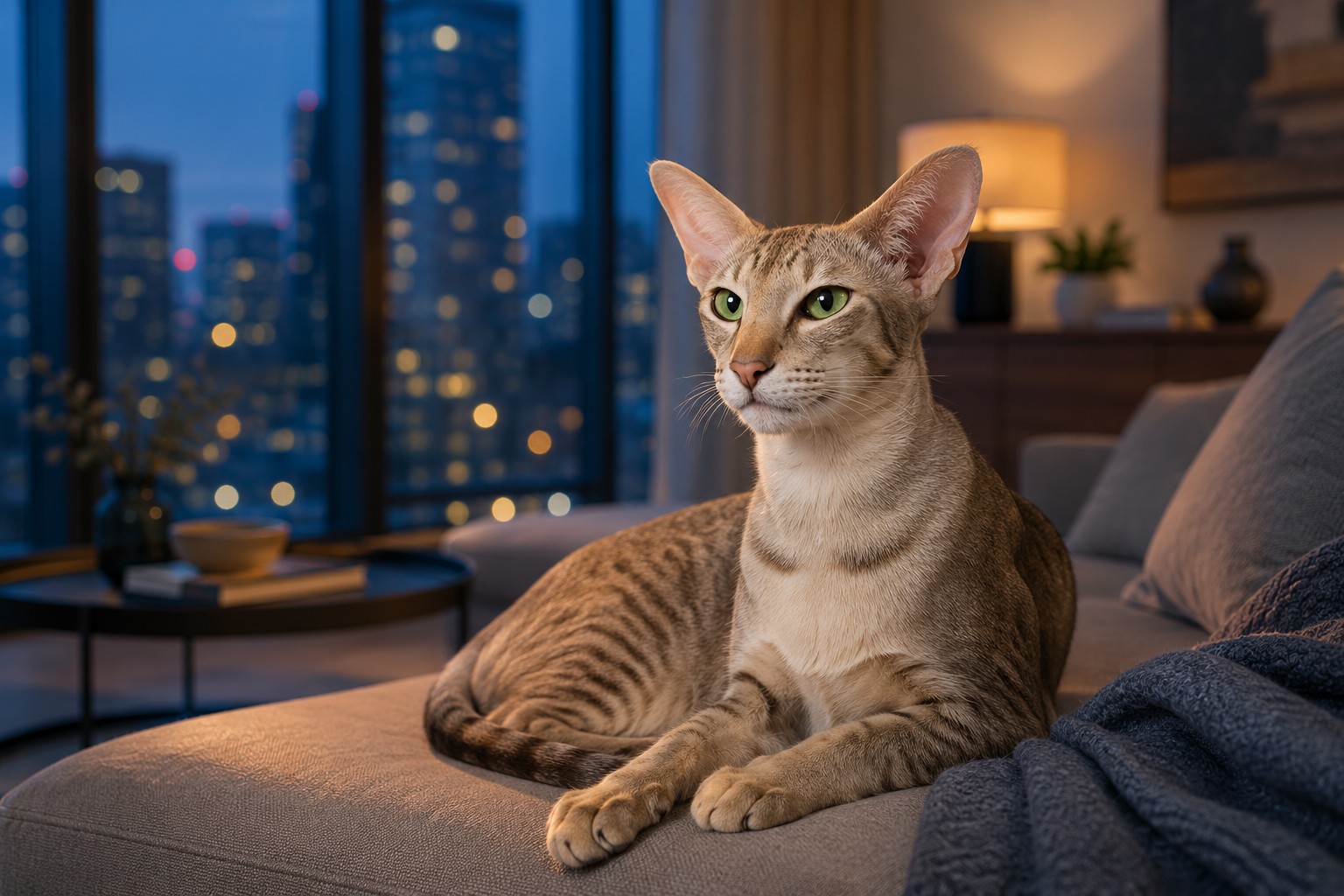
For the Oriental, the most important things are an active lifestyle, dental care, stable weight and daily contact with people
Care
The Oriental's short coat significantly simplifies everyday care. Regular brushing is enough to remove dead hair, maintain shine, and reduce the amount of fur in the house. However, a simple coat doesn't mean the cat doesn't need systematic hygiene.
Nails need to be trimmed regularly, but carefully. Eye and ear condition should ideally be checked weekly, and teeth shouldn't be neglected, given the breed's predisposition to dental problems. For such a contact-oriented breed, short and calm procedures work best, which the cat should be accustomed to from an early age.
It's also important to combine care with the environment: a scratching post, active play, comfortable resting places, and sufficient daily interaction often affect well-being as much as grooming itself.


Steam massage brush 3 in 1 — "Avocado" for coat care for dogs and cats
Buy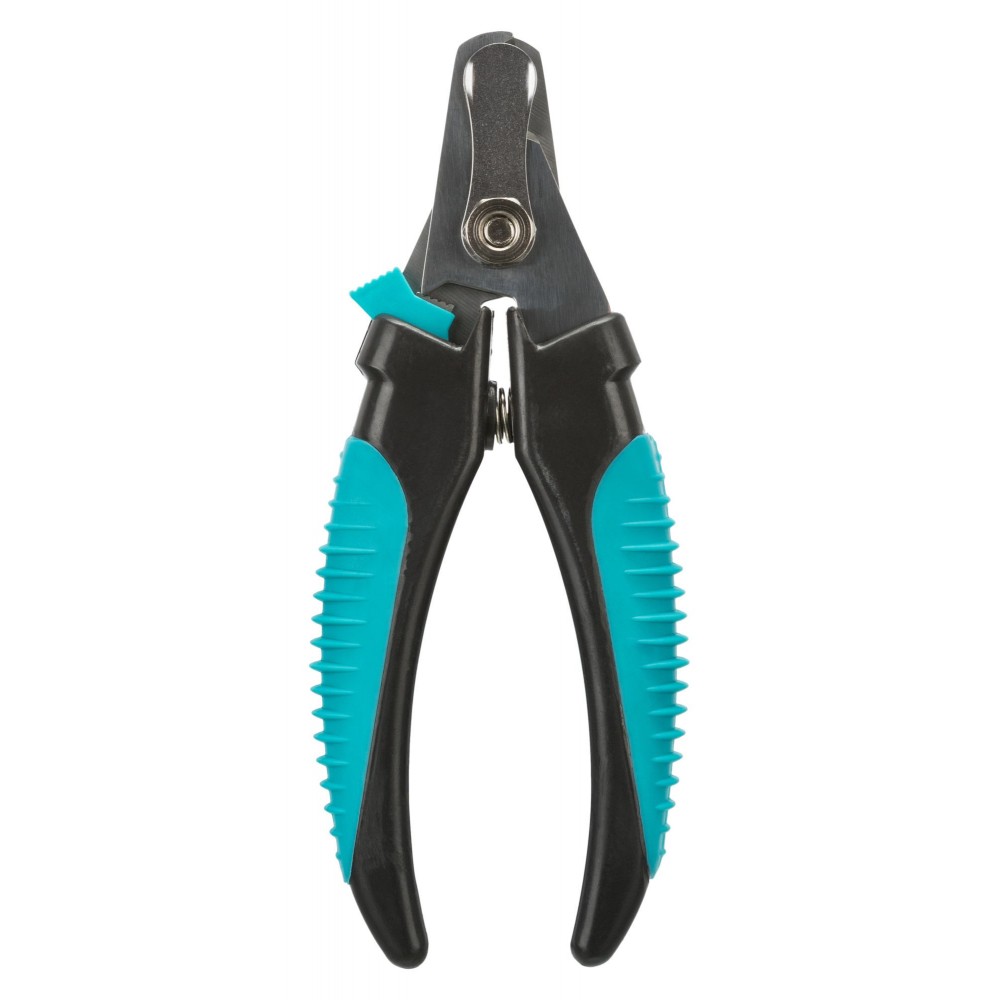
Trixie Luxe — nail clipper for pets, large, 16 cm
Buy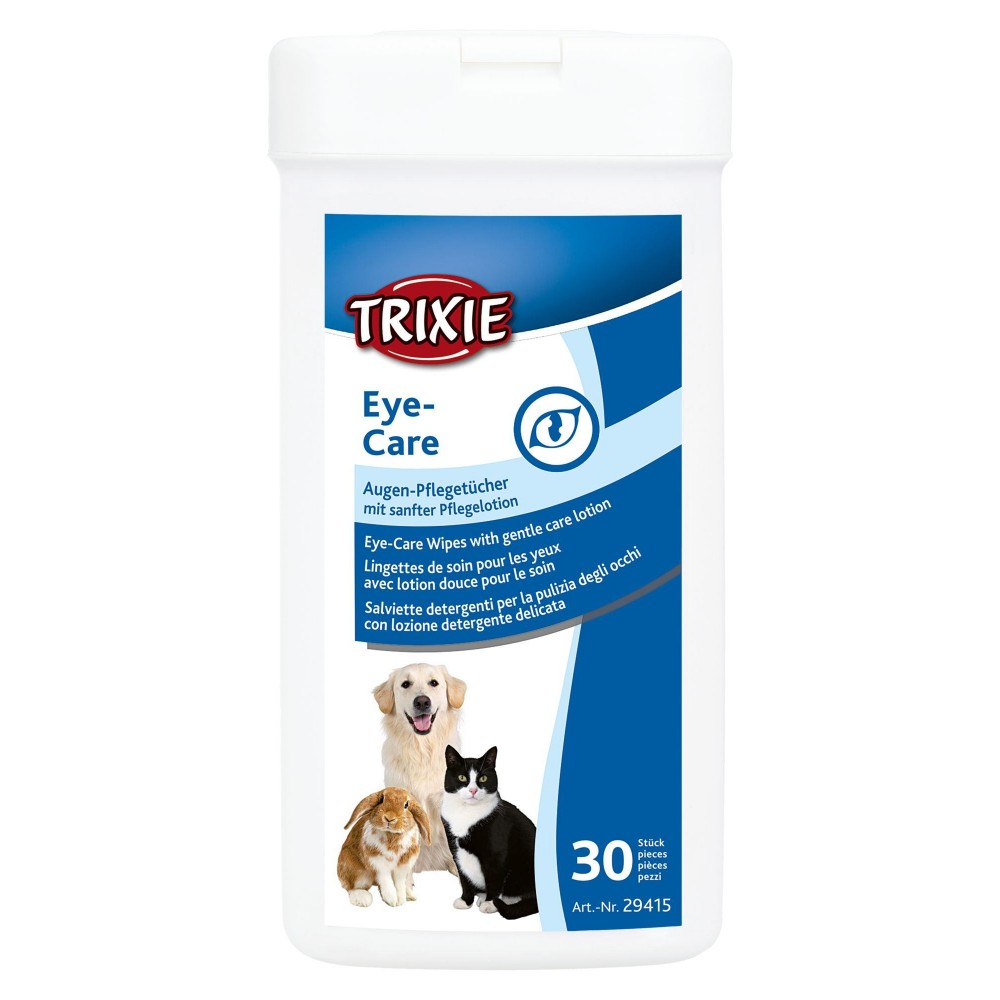
Trixie — eye care wipes for dogs and cats, 30 pcs
Buy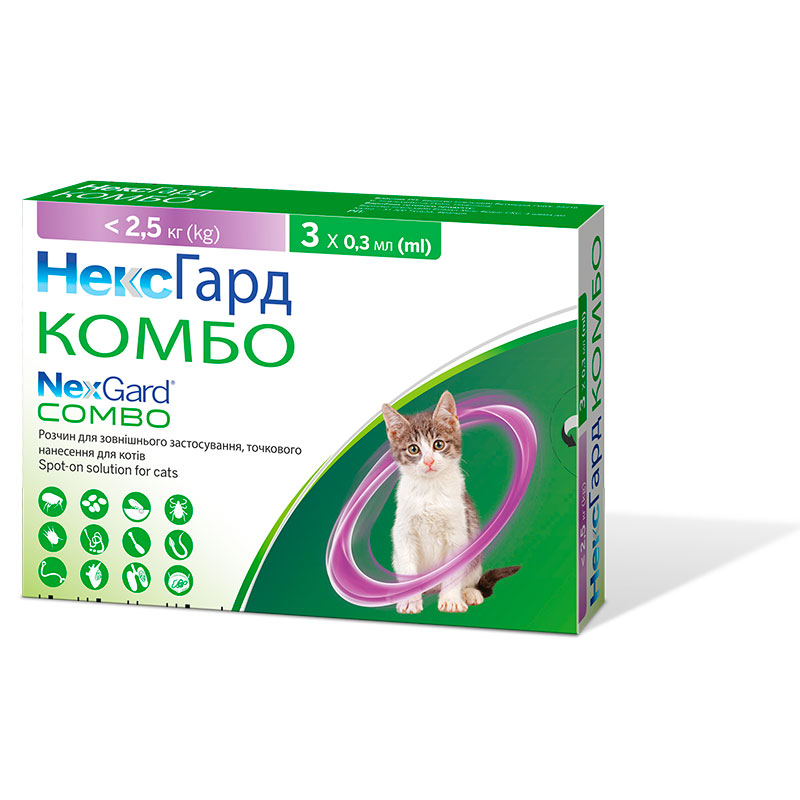
NexGard Combo — antiparasitic drops for the withers against fleas, ticks and worms for cats
Buy
Nutrition and diet
An Oriental Shorthair cat needs a balanced diet that matches its age, activity level and lifestyle. Kittens need more protein and energy for growth, active adult cats need nutrients to maintain good condition, and less active cats need calorie control to prevent excess weight.
In practice, it's convenient to combine dry and wet food and carefully monitor water balance. Orientals can be very active and energetic, but this doesn't eliminate the need for a clear portion size. Excessive treats or chaotic feeding quickly disrupts the balance even in a fit cat.
Skin condition, coat shine, stable weight, good muscle tone, and lively interest in play are simple home markers that the diet has been chosen well.
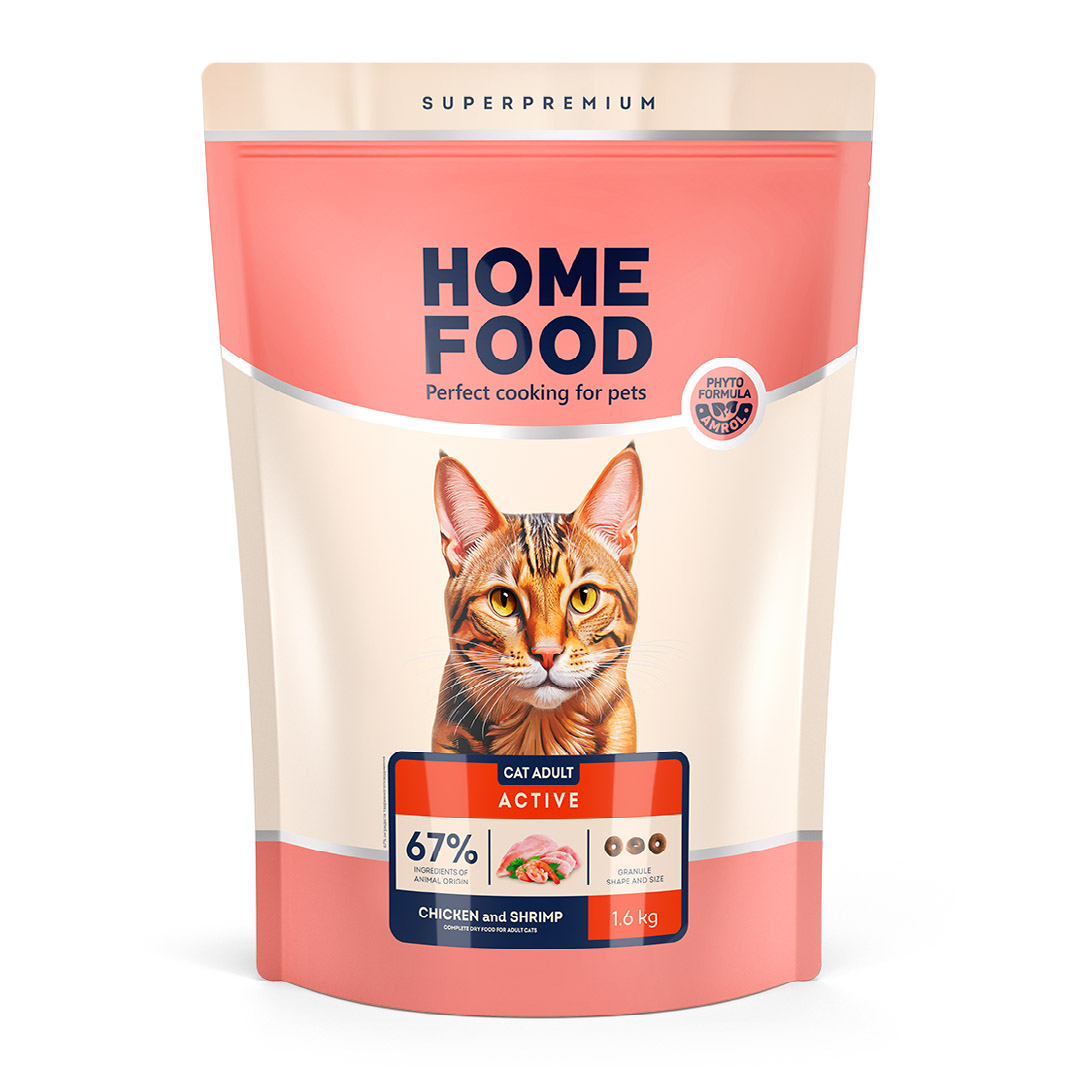
HOME FOOD For active — dry food for active adult cats, chicken and shrimp
Buy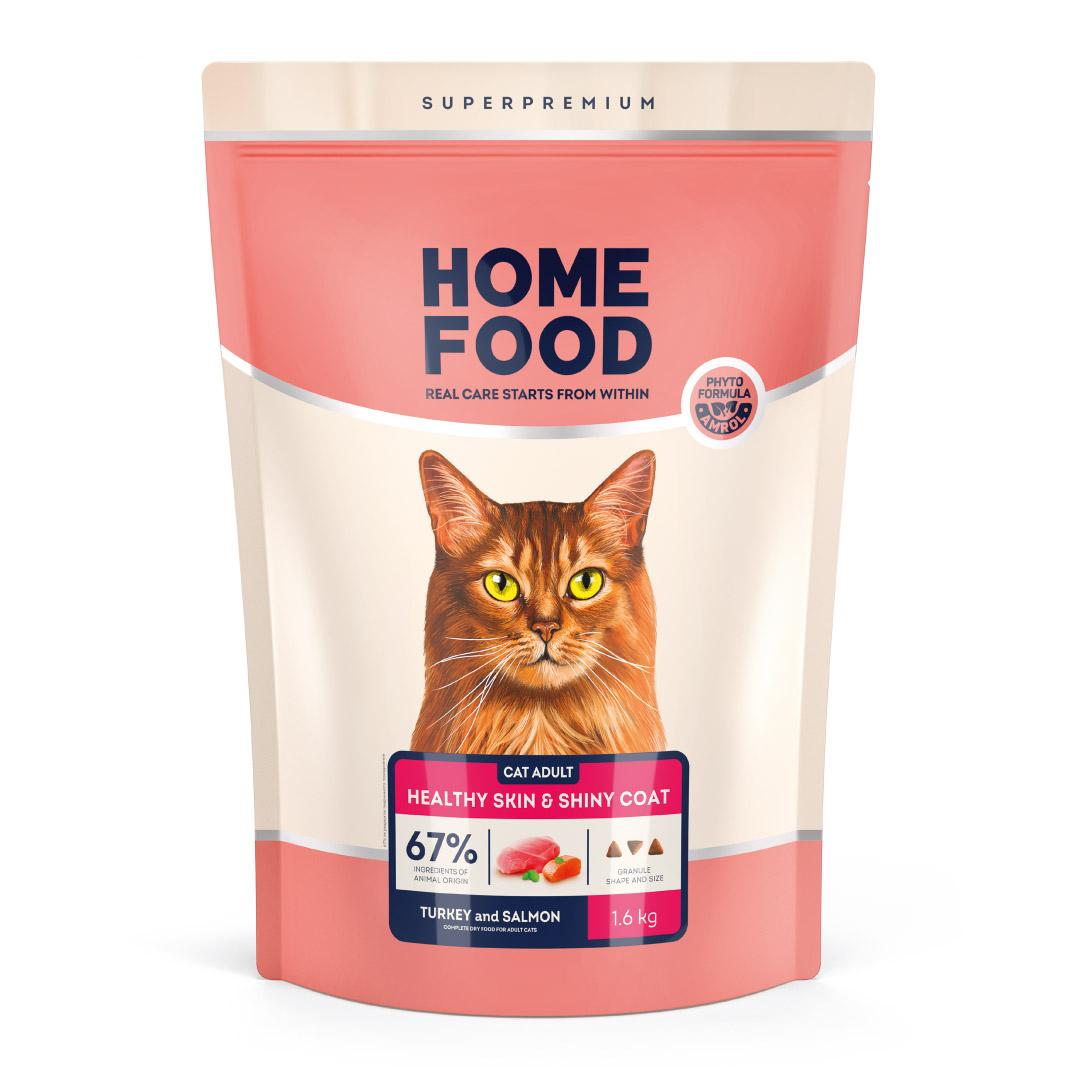
HOME FOOD Healthy skin and shiny coat — dry food for adult cats, turkey and salmon
Buy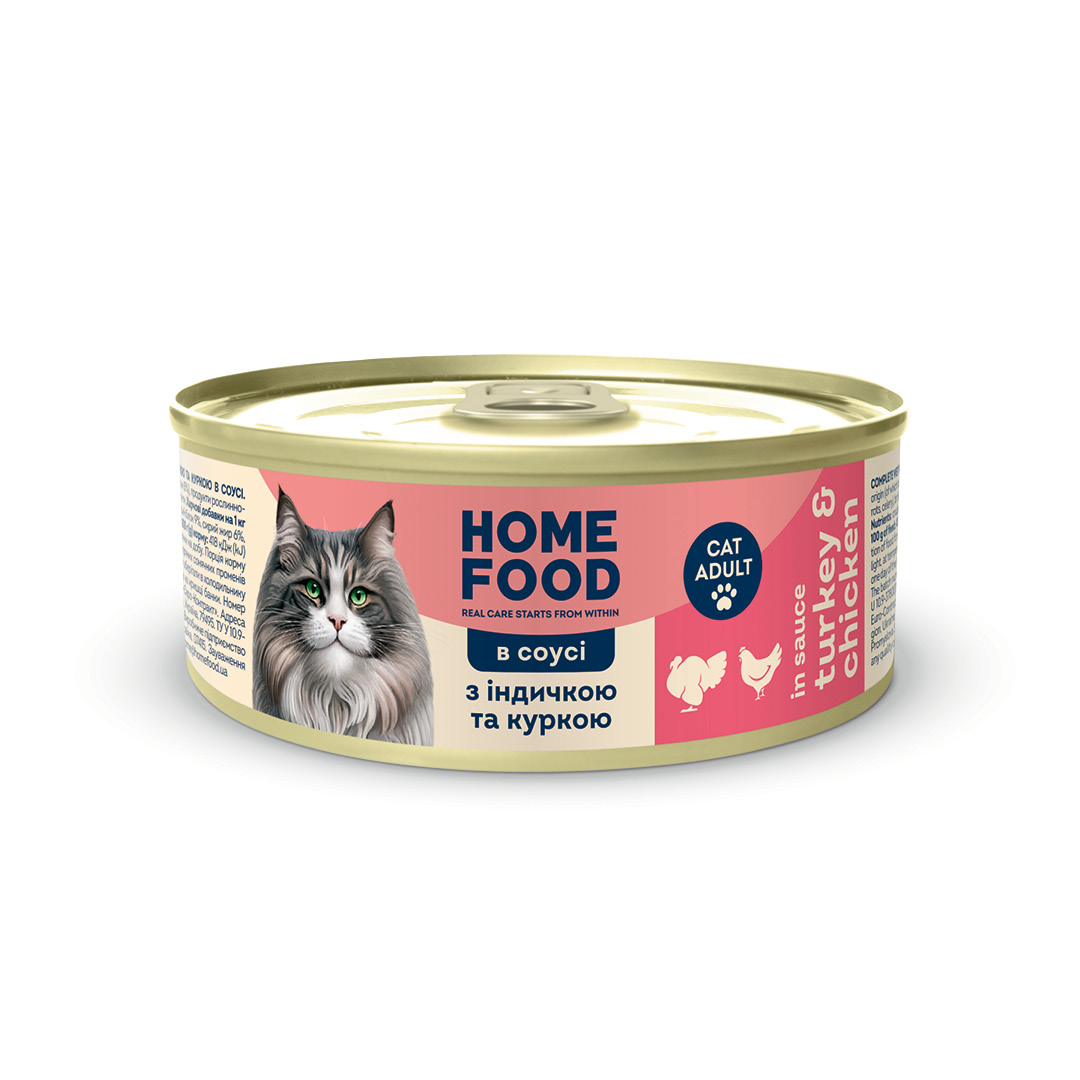
HOME FOOD — complete canned food for adult cats with turkey and chicken in sauce
Buy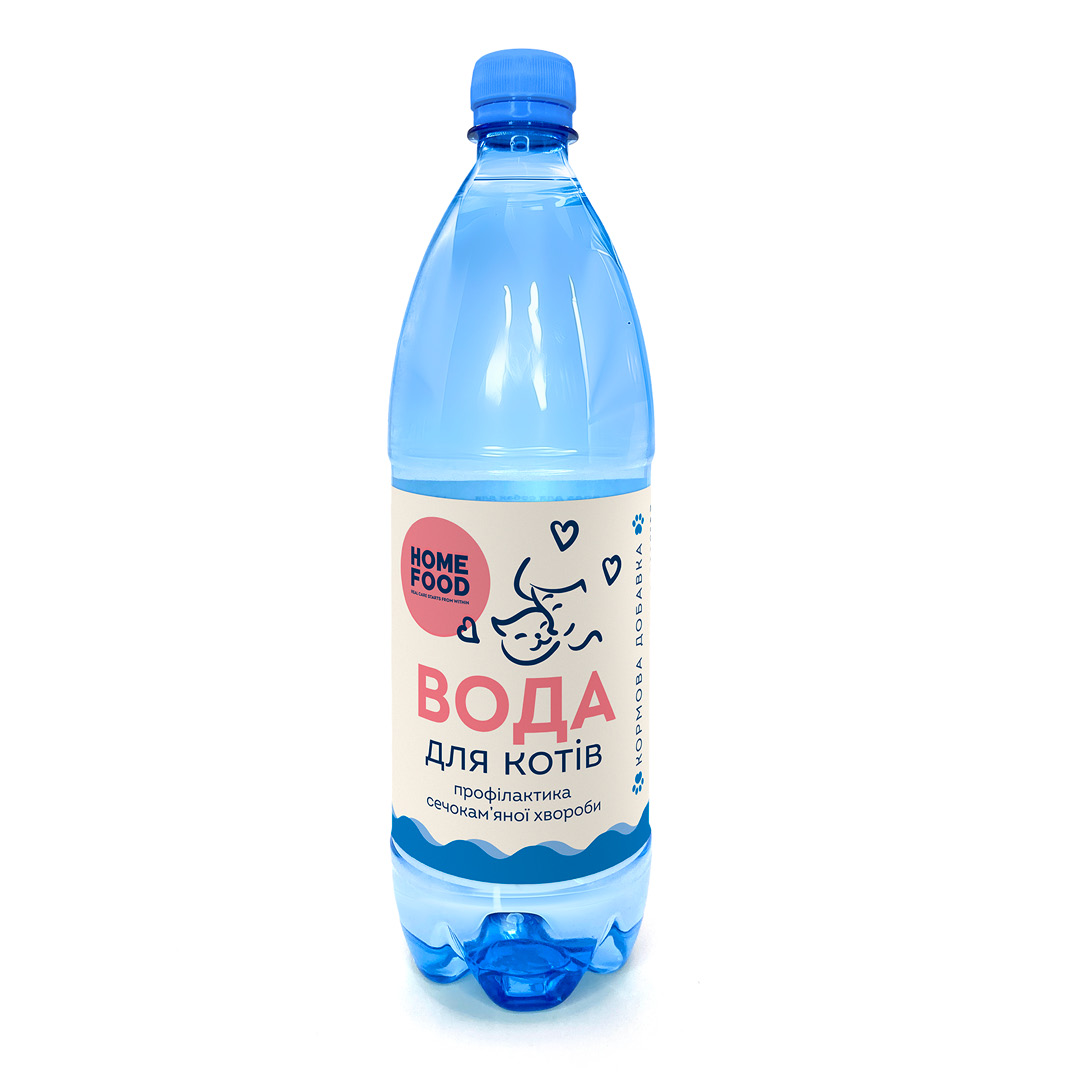
HOME FOOD — drinking water for cats for the prevention of urolithiasis, 1 l
Buy
Pros and cons of the breed
Before choosing an Oriental shorthair cat, it's important to assess not only her beauty but also her very high need for interaction with humans.
- The pros include high intelligence, sociability, elegant appearance, and strong attachment to the owner.
- The breed is well suited for those who want an active home companion.
- The cons include dislike of solitude, need for attention, and tendency to get bored without interaction.
- An Oriental is not well suited for people who want a maximally independent cat.
Popular questions
- What is an Oriental's voice like: usually soft and melodious, but the cat herself can be quite talkative.
- Can you keep an Oriental alone: the breed finds solitude difficult, so it often feels better with company.
- Is an Oriental suitable for a beginner: yes, but only if the person is ready to give the cat a lot of attention and time.
- Is grooming complicated: no, short coat is easy to care for, but care for teeth, nails, and eyes still needs to be regular.
Conclusion
The Oriental shorthair cat is a living combination of elegance, intelligence, emotionality, and activity. It doesn't fade into the background of the house, but becomes one of its brightest parts, constantly interacting with humans and filling the space with movement and warmth.
If you combine quality nutrition, regular care, health prevention, and genuine daily attention, an Oriental can become an incredibly devoted and very interesting companion for many years.