If you're looking for a cat that greets you at the door, bring toys in its teeth and look into your eyes with very expressive devotion, then the Snowshoe truly deserves your attention. The breed name "Snowshoe" literally refers to a snow shoe and perfectly describes the main hallmark of these cats: white paws that contrast with point coloring.
Snowshoe is a rare breed and difficult to breed, so for enthusiasts it has special value. The combination of Siamese expressiveness, a more robust build and a very affectionate character makes these cats unusual both in appearance and in everyday life. Owners often describe them as "cats with a dog's soul" because of their love of shared games, devotion and ability to actively interact with humans.
In this article, we'll explore how the Snowshoe breed came about, what its appearance, character and behavior are like, and what is important to know about care, health, nutrition and choosing a kitten.
Brief breed characteristics
| Origin | USA |
| Alternative name | Snowshoe |
| Breed type | Short-haired, selective breeding |
| Size and weight | Medium format; approximately 3–6 kg |
| Lifespan | On average 12–15 years |
| Coloring | Color-point with white markings on paws, chest and face |
| Coat type | Short, smooth, soft, with minimal undercoat |
| Character | Affectionate, intelligent, sociable, devoted to owner |
| Care | Minimal: brushing once a week, basic hygiene, teeth and weight control |
| Suitable for | Families and people who are ready to give the cat plenty of attention and not leave it alone for long periods |
History of origin
The appearance of the Snowshoe is a story about how a "fault" turned into a standard. In the 1960s in Philadelphia, Siamese cat breeder Dorothy Hinds-Daugherty noticed kittens with white paws in a litter. For classic Siamese, this was considered a flaw, but the breeder saw a separate aesthetic in it and decided to try to establish the new trait.
To form the desired type and give the future breed a stronger build, these cats were crossed with American Shorthair bicolors. That is why Snowshoe combines traits of the Siamese group with a more moderate, muscular body format. According to TICA, the breed's history is partially lost due to incomplete records, and development was greatly complicated by the fact that symmetrical white markings on the face and paws are genetically quite unpredictable.
The path to recognition was long. Due to the difficulty of reproducing the ideal inverted "V" on the face and even white "slippers", the breed remained rare for a long time. Snowshoe received championship status in TICA in 1994, and this date is often cited as an important point of complete international breed establishment.
- The Snowshoe originated from Siamese lines with later influence from American Shorthair cats.
- The rarity of the breed is not related to fashion, but to the genuinely complex reproduction of the correct pattern.
- The white inverted "V" on the face and white paws are one of the main breed characteristics.
Appearance and standards
Snowshoe is an athletic cat of medium size. It is denser and more muscular than a classic Siamese, but not heavy or coarse. The head has a modified wedge shape, cheekbones are quite high, ears are medium-sized, wide at the base, with slightly rounded tips.
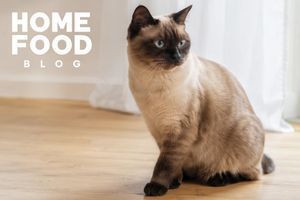
The coat is short, shiny, fits snugly to the body and usually has almost no undercoat. Eyes must be blue, and the main coloring is color-point with white markings. It is the combination of points with white paws, chest and an inverted letter "V" on the face that creates the recognizable breed type.
An interesting detail: Snowshoe kittens are born almost white, and the characteristic contrast and white markings appear gradually. The full pattern does not stabilize immediately, so assessing kittens by appearance requires patience and understanding of breed specifics.
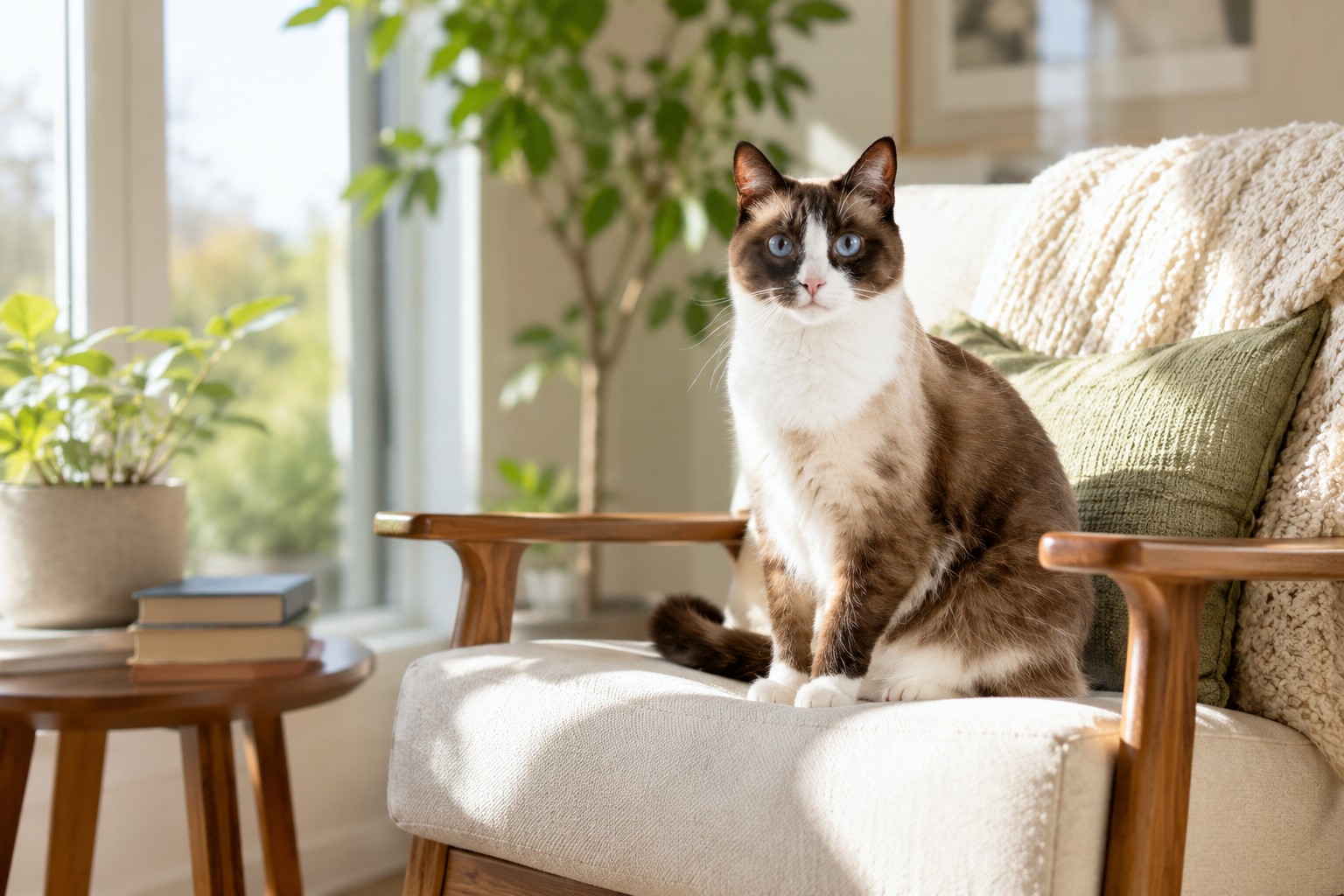

Snowshoe is easily recognized by its white "slippers", blue eyes and contrasting mask with a characteristic inverted letter "V"
Character and behavior
If cats could choose a profession, Snowshoes would easily become psychologists or diplomats. They are very sensitive to human mood, love to be involved in family life and usually feel poorly in isolation. These are not cats that want to live completely autonomously.
The breed is characterized by "dog-like" devotion, good intelligence, love of interaction and rather soft communication. Snowshoes are not considered overly vocal, but often "talk" in a pleasant soft voice. Many breed representatives are interested in water, easily learn simple tricks, love fetch and remember household rules well.
High sociability and lack of pronounced territorial aggression help Snowshoes integrate well into a family environment. They often get along with children, cats and even dogs if introductions happen without haste. But the breed needs attention in return: prolonged neglect or constant loneliness is truly difficult for it.
- Snowshoe become strongly attached to people and love to participate in the daily life of the family.
- The breed combines playfulness, trainability, gentle behavior and high sociability.
- This is a good choice for those who want an emotionally engaged cat, not a detached observer.
Keeping and care
Keeping a Snowshoe does not require exotic skills, making the breed convenient for apartment living. Thanks to short hair with minimal undercoat, the cat is not prone to matting and heavy shedding, so for a neat appearance, brushing with a soft brush once a week is usually sufficient. Bathing is needed rarely, and many Snowshoe tolerate it more calmly than average cats due to their natural interest in water.
Basic hygiene care includes monitoring eye and ear condition, trimming nails approximately every 2–3 weeks and regular prevention of dental problems. Brushing teeth with veterinary toothpaste several times a week really makes sense, because with socially active cats, owners often underestimate dental care.
Comfort in the home environment is also important. Snowshoe love play, contact and involvement, so they need toys, resting places near people and at least some shared leisure time daily. The breed is adaptive, but emotionally dependent on family contact, so simply "providing food and litter box" is not enough for it.
In daily Snowshoe care, the most important things are light grooming, eye and ear hygiene, parasite protection, and dental and nail control.

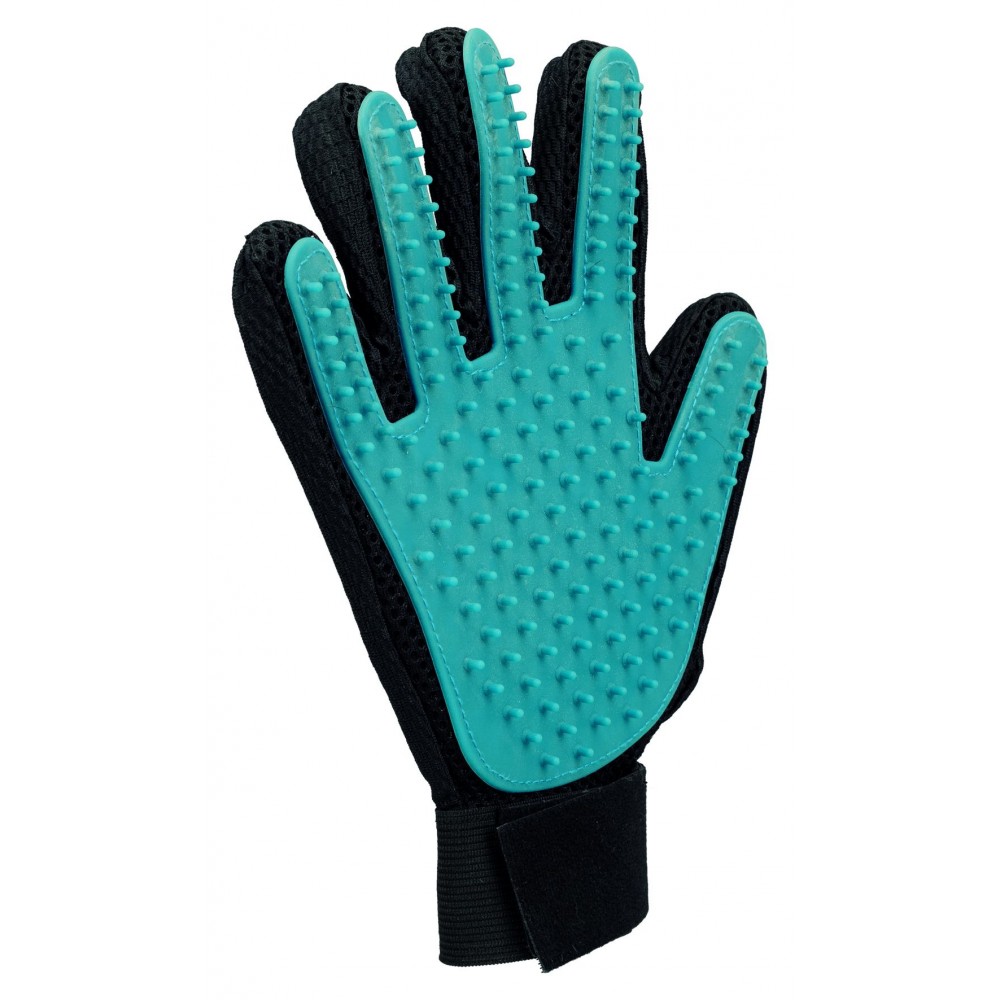
Trixie – grooming glove 16×24 cm
Buy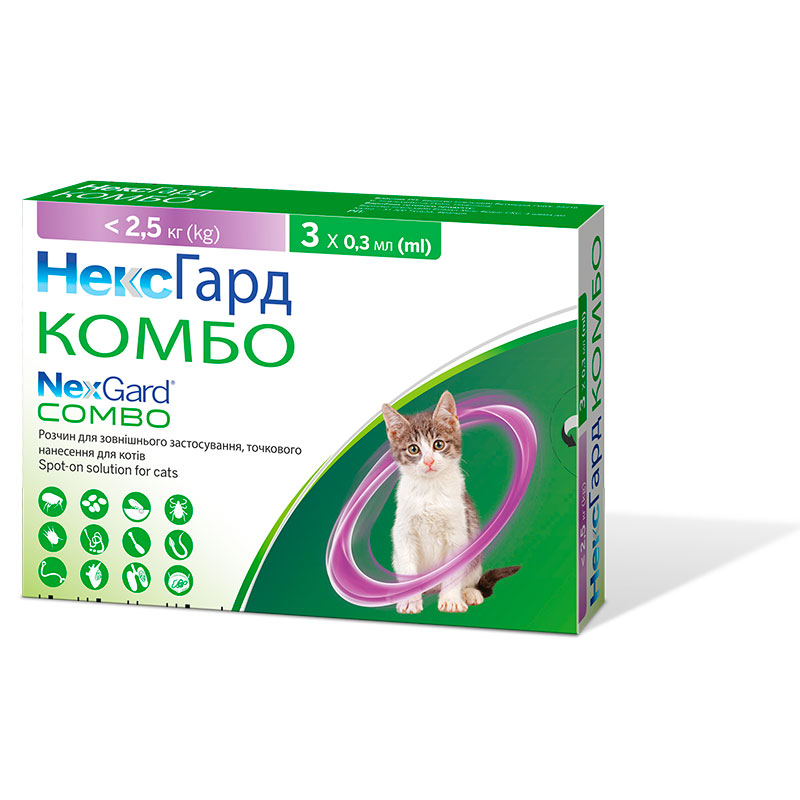
NexGard Combo — antiparasitic drops for cats up to 2.5 kg
Buy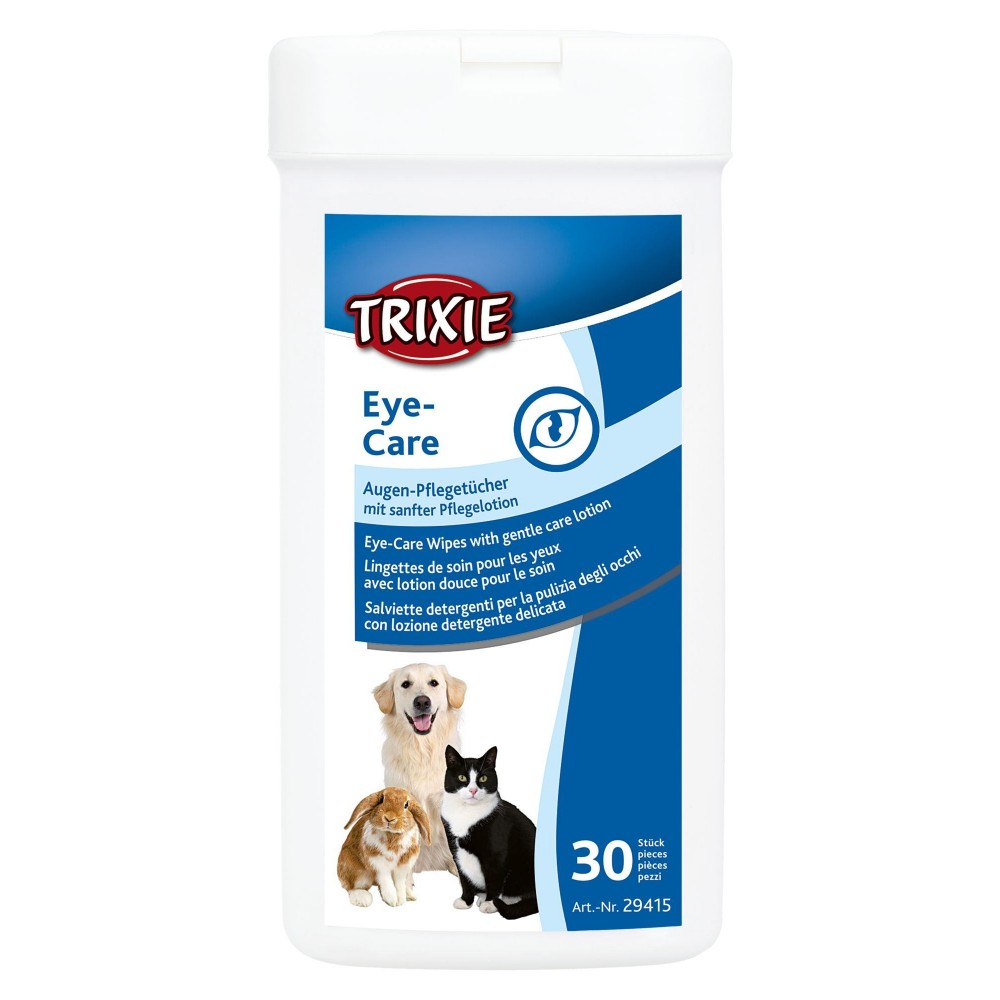
Trixie — eye care wipes for dogs and cats, 30 pcs
Buy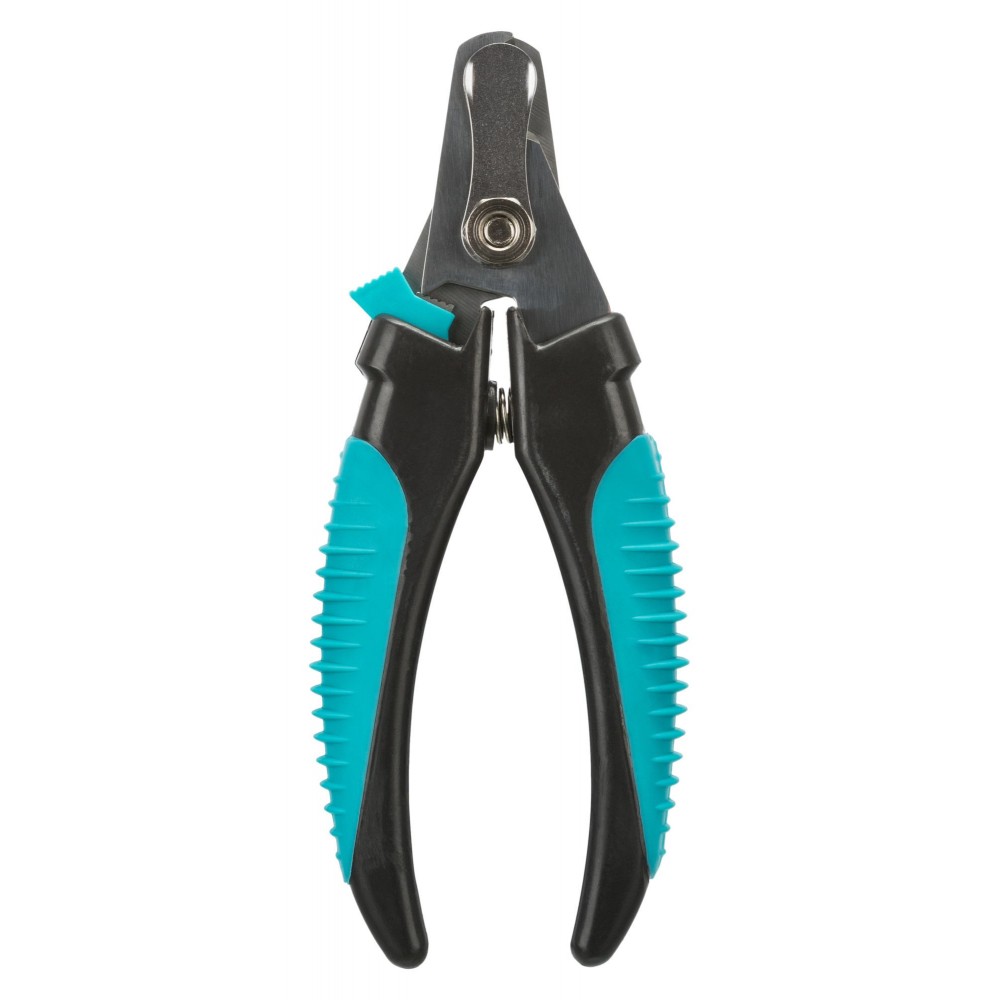
Trixie Luxe — nail clipper for pets, large, 16 cm
Buy
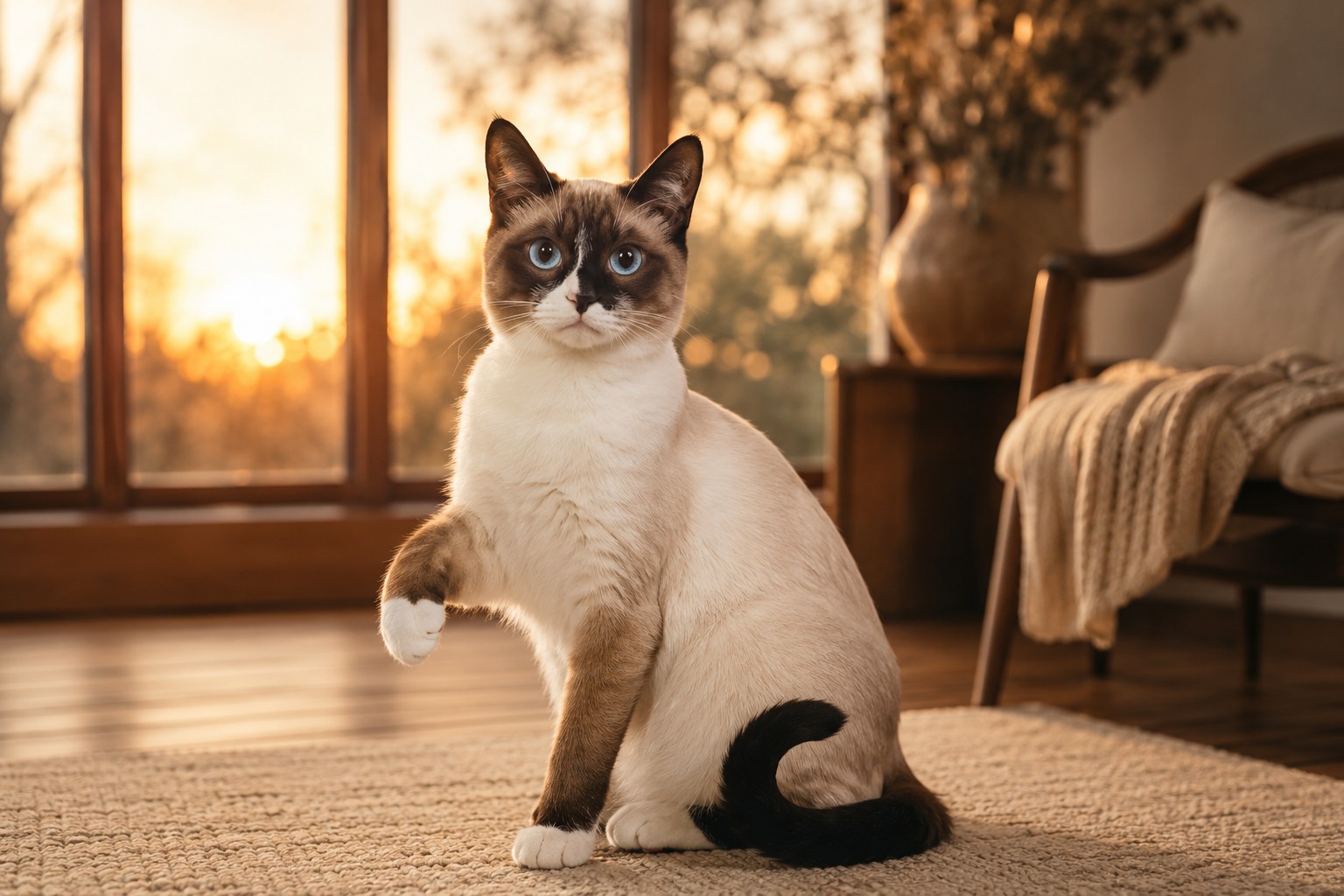
For Snowshoes, the most important things are contact with family, basic hygiene, play, and regular dental care and weight management
Health and nutrition
Snowshoes are generally considered a breed with good genetic health, partly due to the involvement of American Shorthairs in their development. Breed descriptions most often mention not severe breed-specific hereditary diseases, but individual traits inherited from Siamese lines, such as crossed eyes or kinked tails, which are important for show evaluation but don't necessarily affect quality of life. At the same time, regular preventive care, vaccination, and weight control are equally mandatory for this breed.
A Snowshoe's diet should be balanced and correspond to their activity level, age, and lifestyle. Despite good mobility, these cats can overeat if there are many treats in the house or no clear feeding schedule. That's why portion and calorie control here is very practical, not just a formal point.
It is best to rely on a quality complete diet with clear dosing, combine dry and wet diets, and monitor water balance. For stable digestion, it's important to avoid sudden menu changes, and for long-term health — don't feed the cat table scraps, even if it asks very convincingly.
- Snowshoes are usually sturdy, but still require annual preventive care, weight control, and dental care.
- A clear feeding schedule, portion control, and avoiding random treats are important for the breed.
- Quality complete feed, wet food, and plenty of water help maintain good condition and energy.
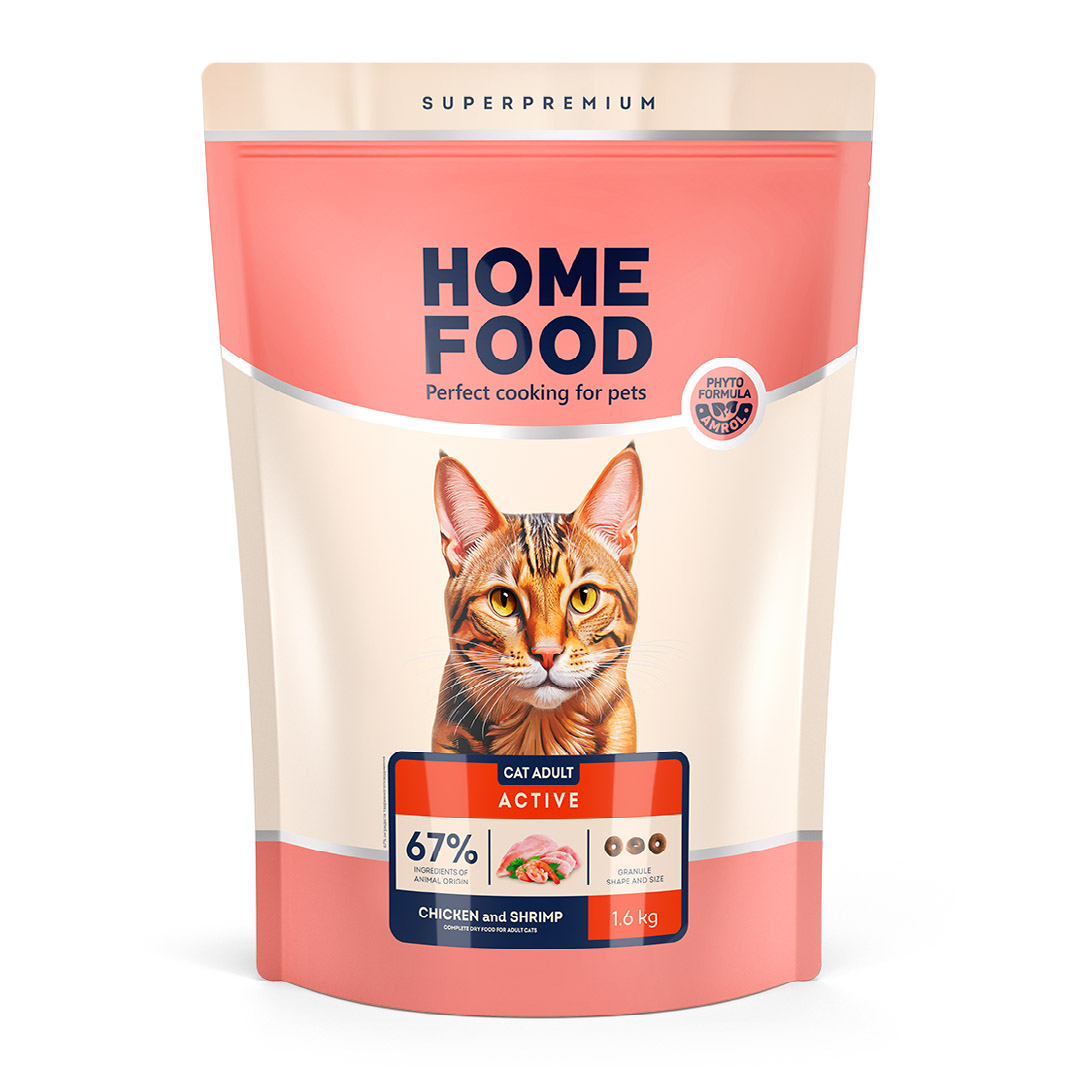
HOME FOOD For active — dry food for active adult cats, chicken and shrimp
Buy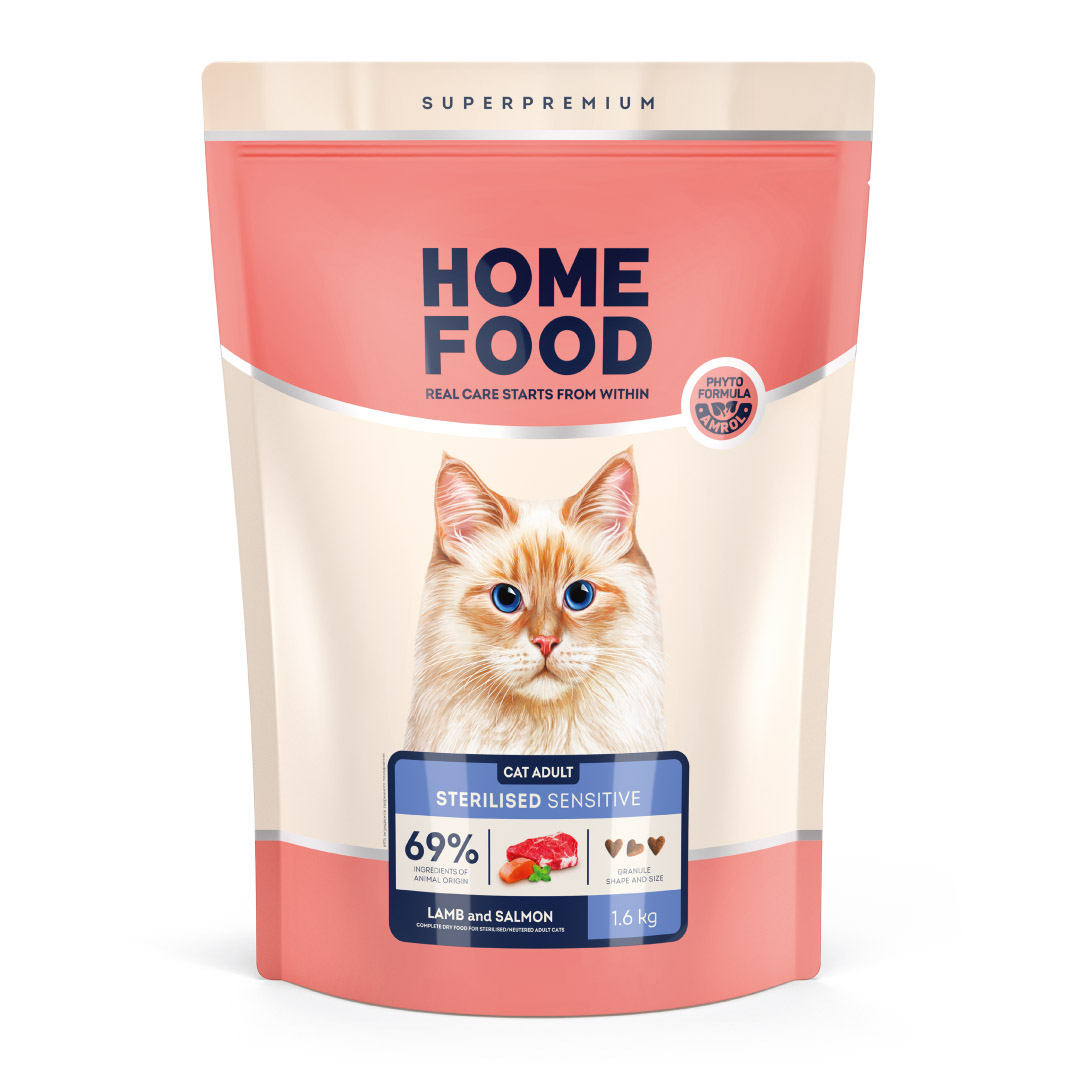
HOME FOOD With sensitive digestion — dry food for spayed adult cats, lamb and salmon
Buy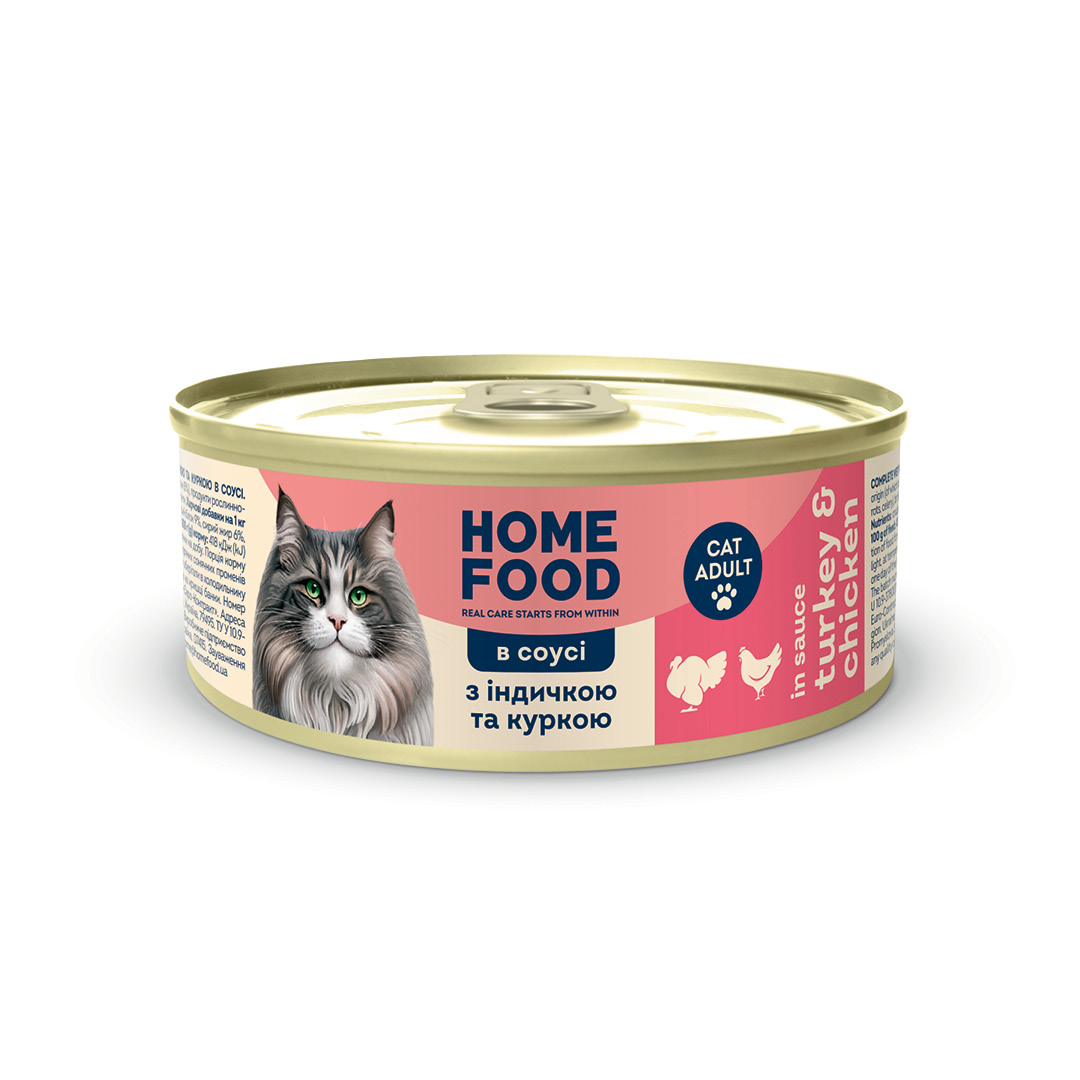
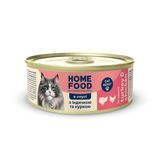
HOME FOOD — complete food for adult cats with turkey and chicken in sauce
Buy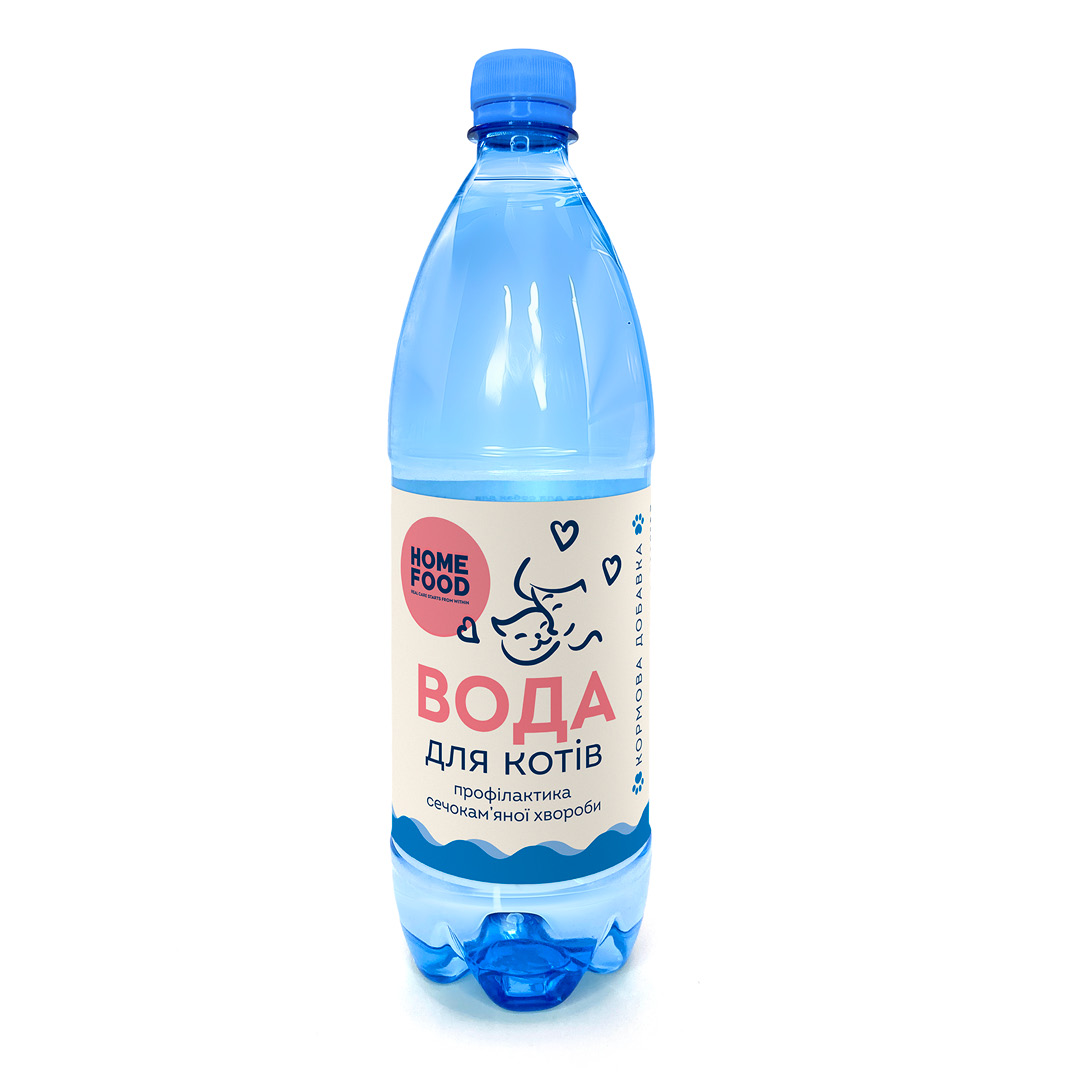
HOME FOOD — drinking water for cats for urinary tract health support
Buy
Breed pros and cons
Before choosing a Snowshoe, it's important to evaluate not only its striking appearance, but also the practical everyday characteristics of this rare and very social breed.
- The pros include very high sociability, balanced temperament, good trainability, and uncomplicated grooming.
- The breed is well-suited for families where the cat will be included in shared life, and for people who enjoy lots of interaction with their pet.
- The cons include the need for attention, breed rarity, difficulty finding kittens, and unpredictability of the ideal pattern in breeding.
- Snowshoe is not the best choice for a home where the cat will regularly be left alone for long periods and won't have stable contact with people.
Conclusion
Snowshoe is a breed for those who want not just a beautiful cat with rare coloring, but a true home companion who loves people, play, and shared life rhythm. It combines striking appearance, good intelligence, and very warm social behavior.
If you give your Snowshoe enough attention, a clear routine, a balanced diet, and basic preventive care, it will be not only striking but also a truly comfortable and devoted pet for many years.