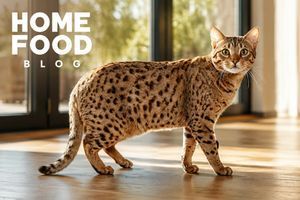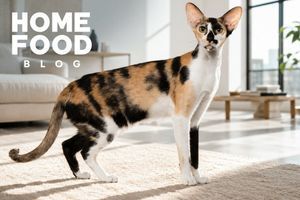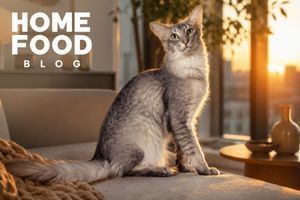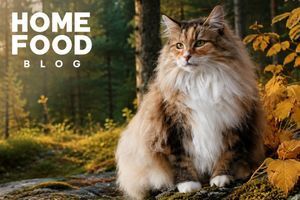
The Singapura cat belongs to rare miniature breeds of the Eastern type. It is distinguished by its small size, light bone structure and short coat with characteristic ticked coloring that creates the effect of a soft golden-cream shimmer. Due to their compactness and distinctive appearance, these cats often seem almost 'toy-like', but behind their delicate look lies an active, attentive and very intelligent character.
Singapura quickly adapts to home life, navigates space well and usually is usually strongly drawn to people. This is not a cat that wants to live on its own: it likes to stay nearby, observe the family, participate in the daily rhythm and receive attention without being intrusive.
In this article, we'll explore how the Singapura cat developed, what its appearance, character and behavior are like, as well as what is important to know about care, health and nutrition of this miniature breed.
Brief breed characteristics
| Origin | Singapore |
| Alternative name | Singapura |
| Breed type | Short-haired, aboriginal / selectively established |
| Size and weight | Small format; approximately 2–4 kg |
| Lifespan | On average 11–15 years |
| Coloring | Sepia agouti: warm beige-cream background with dark brown ticking |
| Coat type | Short, fine, silky, lying close to the body |
| Character | Very affectionate, curious, playful, people-oriented |
| Care | Simple: light brushing once a week, basic hygiene, warmth and stable home environment |
| Suitable for | People ready to give plenty of attention, who love small active and affectionate cats |
History of origin
The first representatives of the breed were noticed on the streets of the island nation of Singapore, where small cats with warm ticked coloring existed for a long time without deliberate breeding. Their miniature size, large eyes and unusual golden-cream tint of coat attracted the attention of travelers and breeders.
In the early 1970s, several such animals were exported to the USA, where selective breeding work began. The goal was to establish characteristic external features, stable size and breed type. The history of Singapura has debatable moments: in modern feline sources, connections with Burmese and Abyssinian lines are often discussed, and the breed's origin is explained as a combination of local cats and subsequent selection already in the USA.
Over time, the breed received official recognition from international feline organizations and became established as one of the smallest domestic breeds. According to CFA, Singapura is valued not only for its compactness, but also for its very characteristic sepia agouti coloring, which is one of the main hallmarks of the breed.
- Singapura is connected to cats from Singapore, but the modern breed type was established in the USA.
- The breed belongs to the smallest domestic cats, but is not delicate or fragile by nature.
- The key characteristic of the breed is the distinctive ticked sepia agouti coloring.
Appearance of the Singapura cat
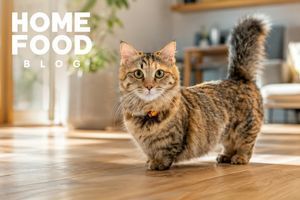
Singapura belongs to the smallest representatives of domestic breeds. Females often weigh about 1.5–2 kg, males are slightly larger, but usually also remain very compact. Despite their miniature size, the body of this cat is dense, well-balanced, with strong musculature and proportional limbs.
The head is round, with soft lines and a neat muzzle. The ears are large relative to the head, with a wide base and deep conch, and the eyes are large, almond-shaped, with a lively attentive expression. It is the combination of large eyes and small body that creates that very 'doll-like' effect for which the breed is often loved.
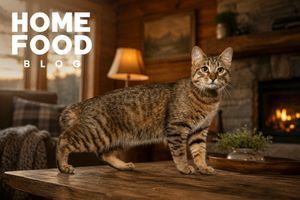
The coat is short, very dense and close-lying, with characteristic silky texture and natural shine. The main feature is ticked sepia-agouti coloring: each hair has several color zones that create a soft warm ivory tone with brown shimmer. The breed standard is quite strict about coloring details, ear shape, eyes and tail.
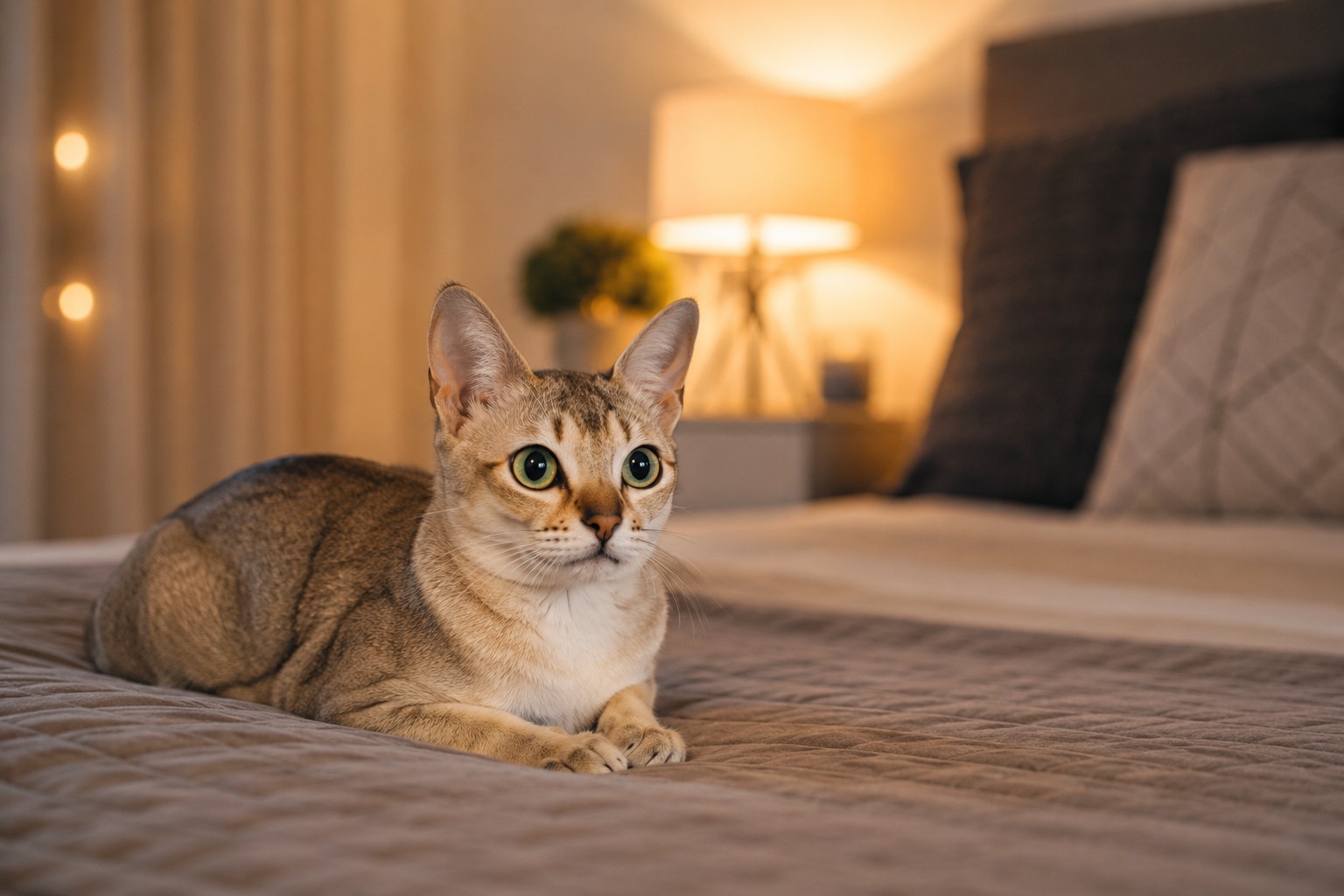

Singapura is easy to recognize by its miniature body, large eyes and warm ticked coloring without sharp contrasts
Behavior and character
Singapura pets are distinguished by high social orientation and gentle temperament. They become attached to people, but do not display aggressive pushiness. These are very curious and attentive cats that like to be where something interesting is happening and quickly remember the family's household habits.
They are characterized by friendliness toward people, absence of pronounced aggression, good intelligence and ability to quickly adapt to new conditions. Singapuras often get along well with children and other animals, especially if the introduction is gradual and calm and the household is not too chaotic. They are neat, rarely damage things and usually quite easily master the litter box, scratching post and simple household rules.
At the same time, these cats tolerate prolonged solitude poorly. If there is constantly no one at home, Singapura can become bored, more anxious or less active. That is why the breed is especially well suited to people ready to really interact a lot with their pet.
- Singapura is very people-oriented and feels good in active family contact.
- The breed combines playfulness, attentiveness and neat behavior in the household.
- This is a good choice for those who want a small, but emotionally engaged home companion.
Keeping and care
Care for a Singapura cat does not require complex procedures, but regularity and attention to basic hygiene directly affect its well-being. The coat in this breed is short and undemanding, so usually brushing 1–2 times a week with a soft brush or glove is sufficient. This helps maintain shine and reduces shedding in the home.
Bathing is needed only when necessary, as frequent water procedures can dry out the skin. Ears should be inspected weekly and cleaned only if dirty, eyes should be wiped with a soft cloth as needed, and nails should be trimmed approximately every 2–3 weeks. For teeth, basic hygiene several times a week is beneficial.
A separate important topic is environmental temperature. Due to short coat and miniature stature, Singapuras can be more sensitive to cold, so they need warm resting places in the home, absence of strong drafts and generally a stable environment without sharp changes. At the same time, the breed is active, so it needs toys, heights and opportunity to explore space.
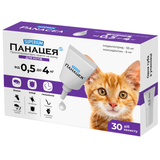
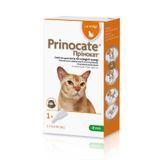
In daily care for Singapura, the most important things are light grooming, careful eye and ear hygiene, parasite protection and products that don't overload sensitive skin.

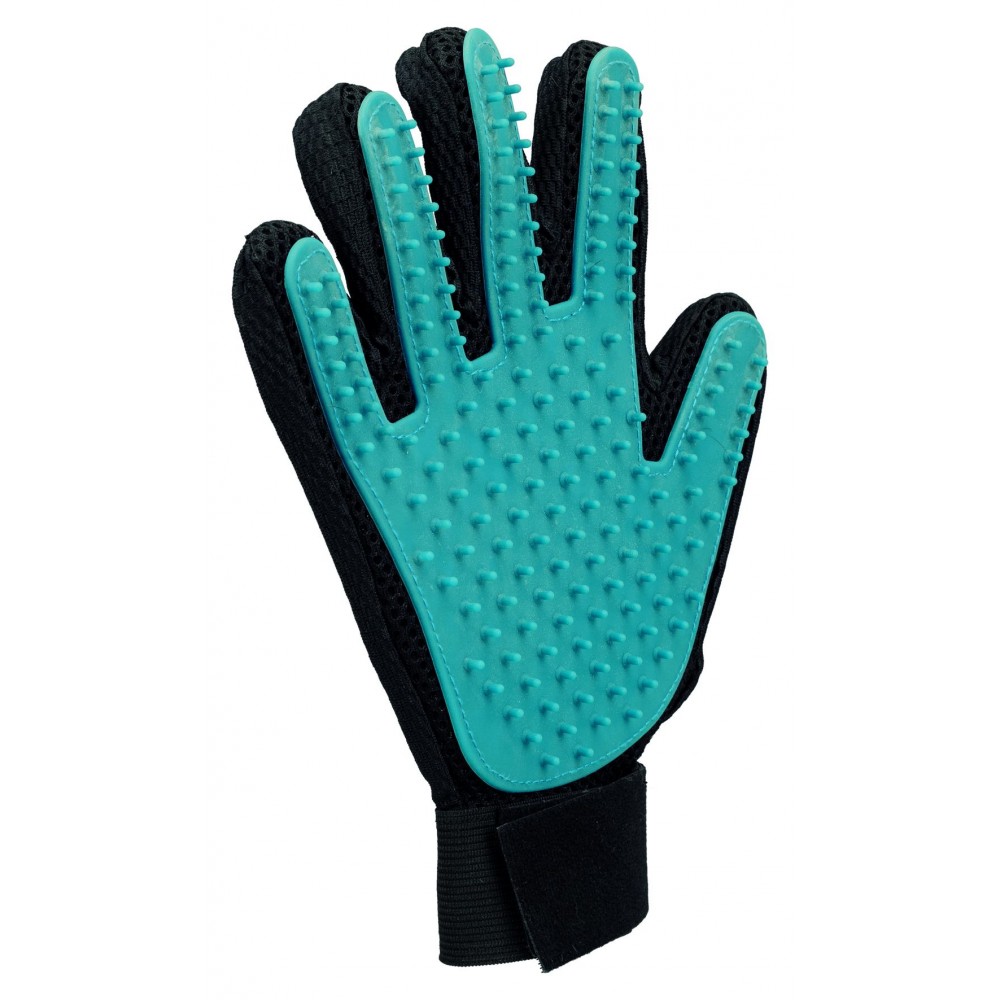
Trixie – grooming glove 16×24 cm
Buy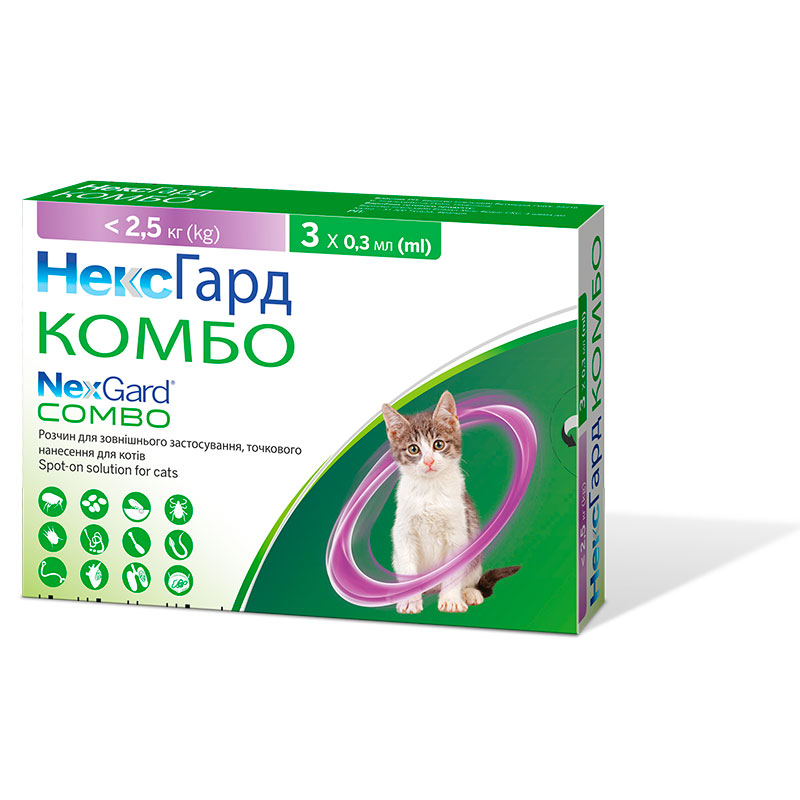
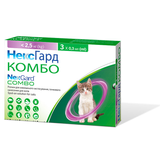
NexGard Combo — antiparasitic drops for cats up to 2.5 kg
Buy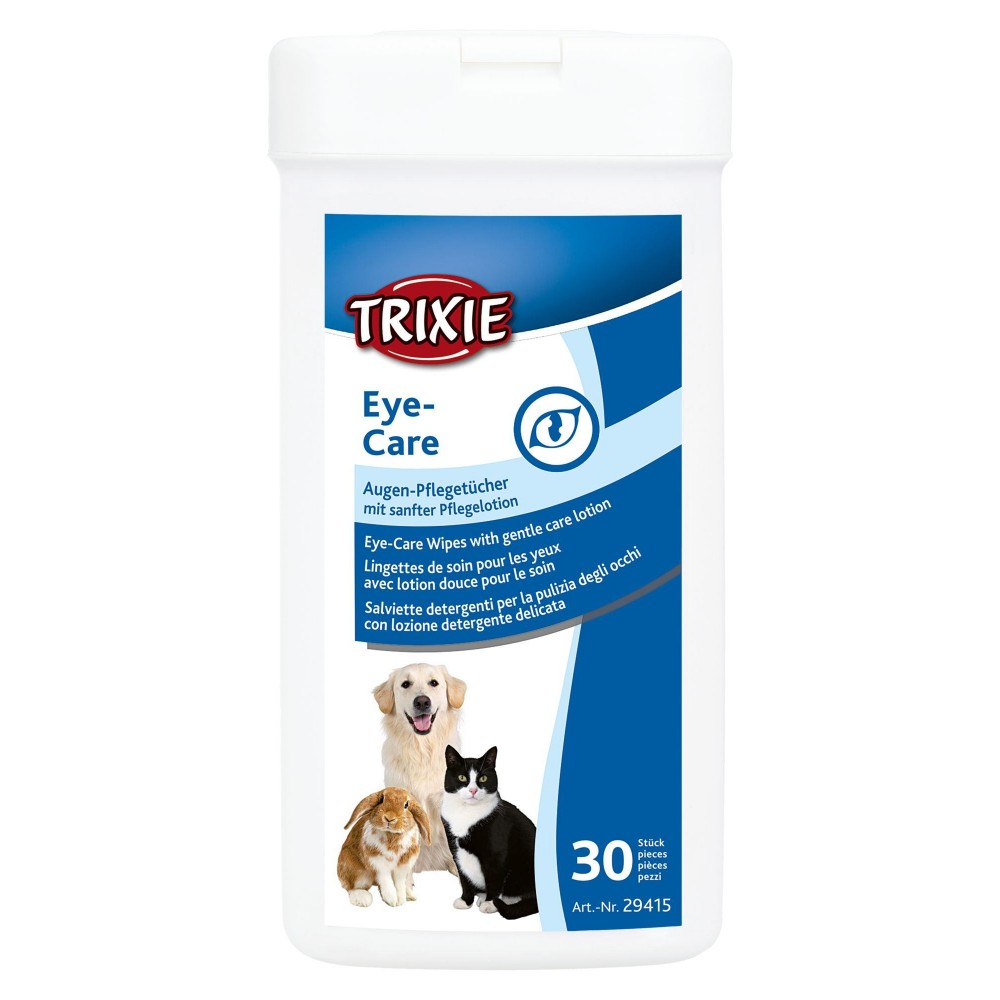
Trixie — eye care wipes for dogs and cats, 30 pcs
Buy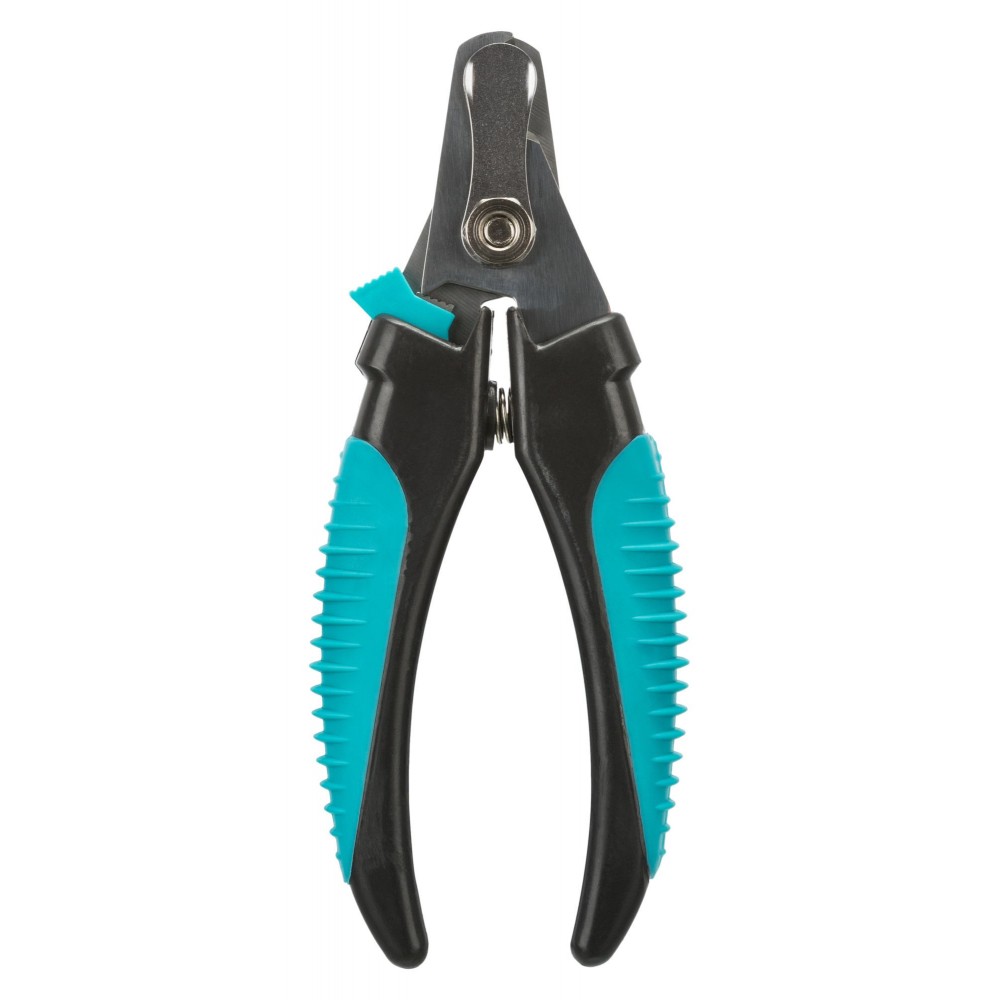
Trixie Luxe — nail clipper for pets, large, 16 cm
Buy
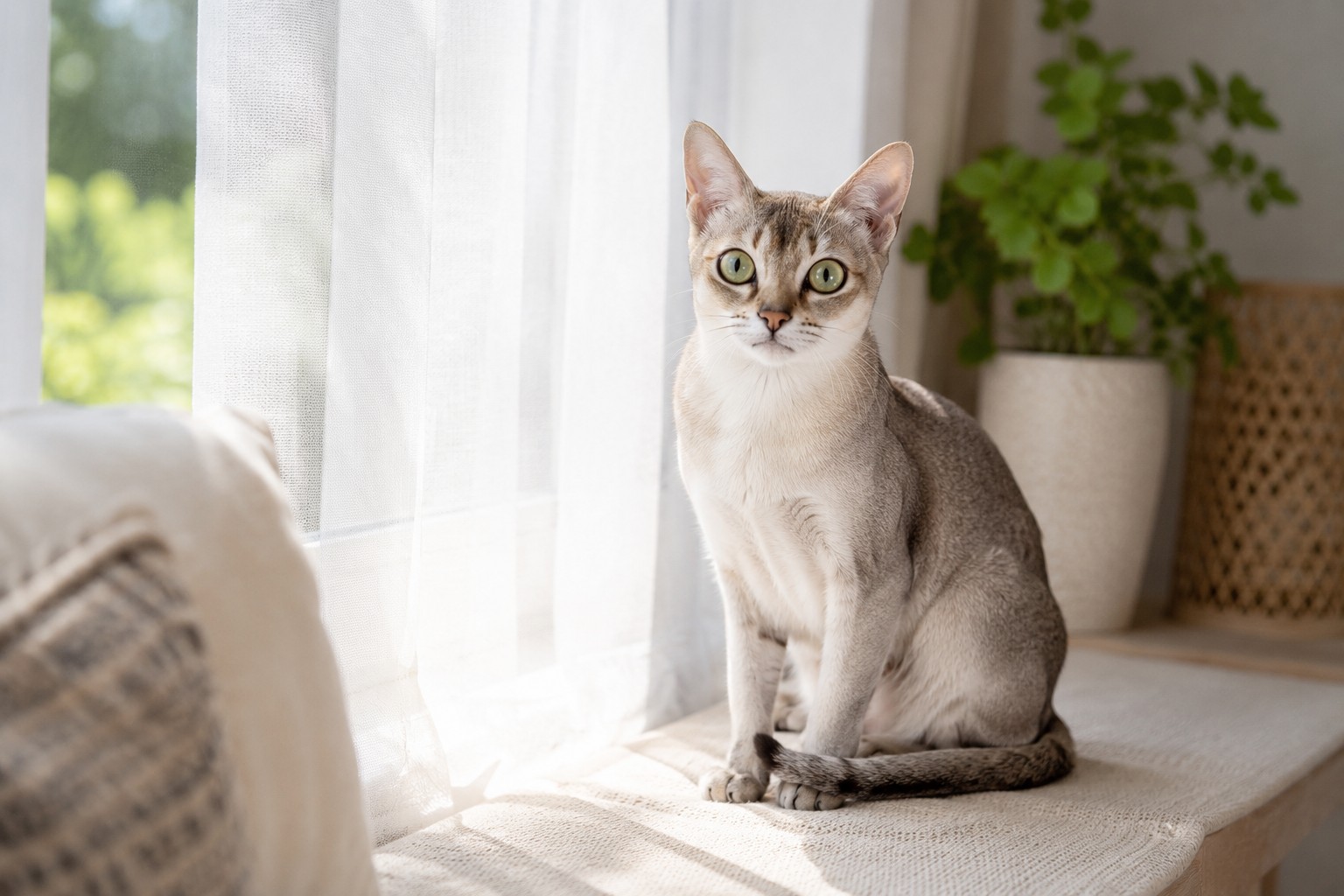
For a Singapura, warmth, a calm lifestyle, basic hygiene, and enough play for daily activity are most important
Health and nutrition
Overall, Singapuras are considered a healthy breed and with proper care often live long lives. However, due to a relatively narrow gene pool, the breed has some hereditary characteristics, including pyruvate kinase deficiency in some lines, as well as general sensitivity to cold. That is why when choosing a kitten, it's worth inquiring about breeding history and not ignoring preventive check-ups.
A Singapura's diet must be strictly balanced considering her miniature size, high activity level, and potentially more sensitive digestion. It's easy for a small cat to "overdo" calories, so feeding schedule and portion control are just as important as the food composition itself. Often such animals are more comfortable with small but regular meals throughout the day.
The basis of nutrition should be high-quality complete food with meat as the first ingredient, without excess random additives. For an active small cat, stable energy, a good protein profile, and access to water are important, and fatty acids are beneficial for skin and coat. Sudden diet changes should be avoided — new food is better introduced gradually.
- Singapuras are generally healthy, but due to their miniature size and gene pool, they require careful breeding selection and prevention.
- For this breed, a clear feeding schedule and portion control are especially important, even with high activity levels.
- Quality protein, gradual food changes, and adequate water intake support stable energy and digestive comfort.
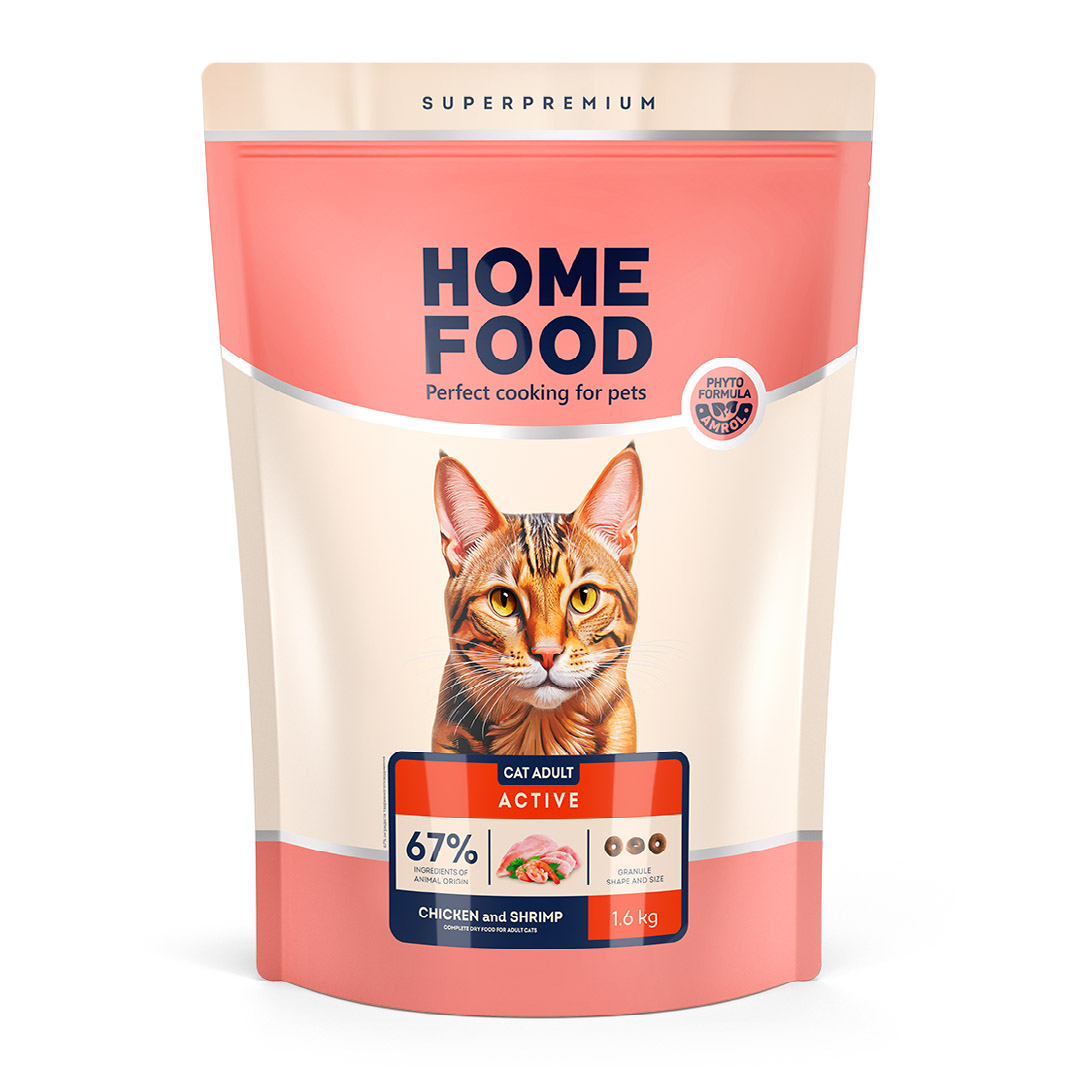
HOME FOOD For active — dry food for active adult cats, chicken and shrimp
Buy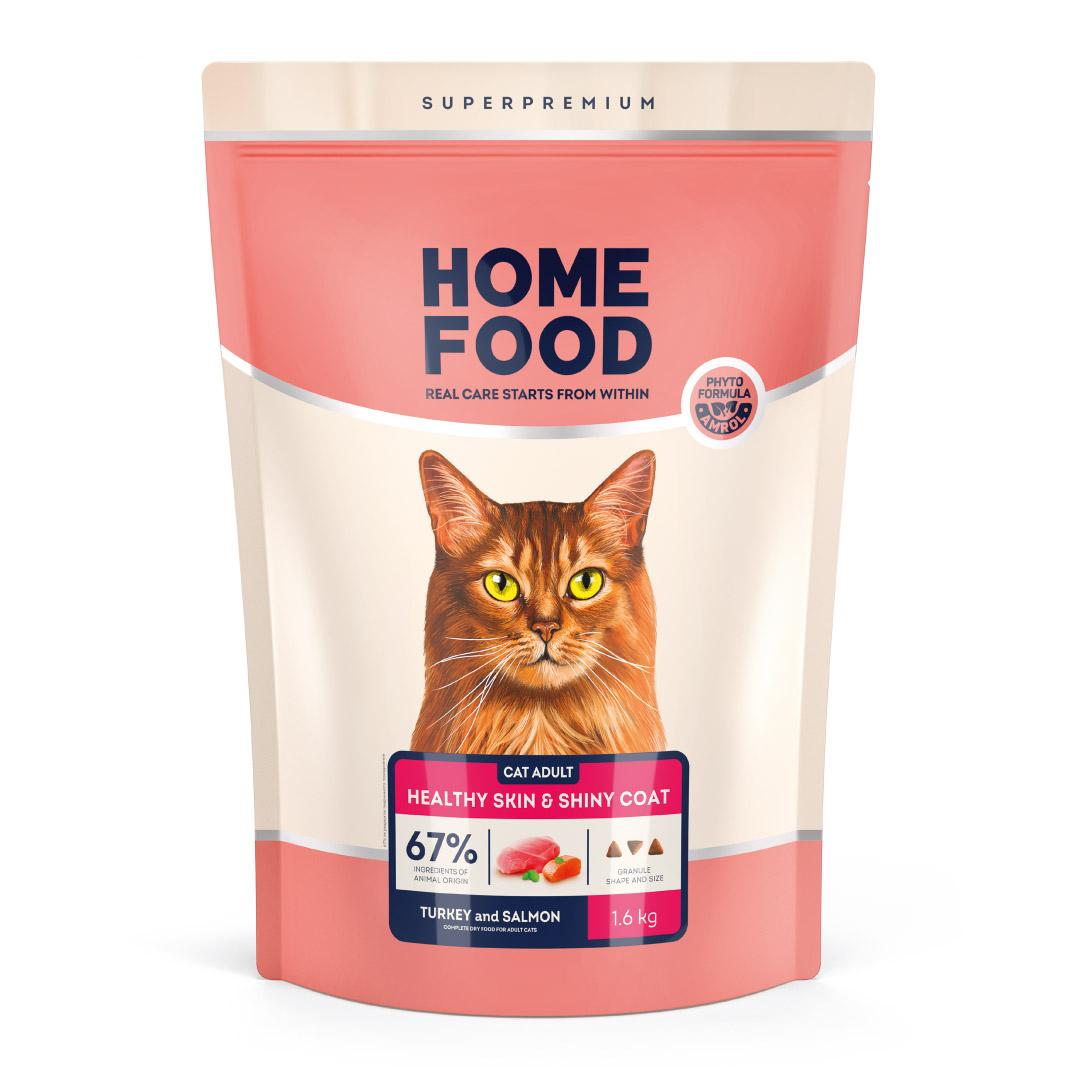
HOME FOOD Healthy skin and shiny coat — dry food for adult cats, turkey and salmon
Buy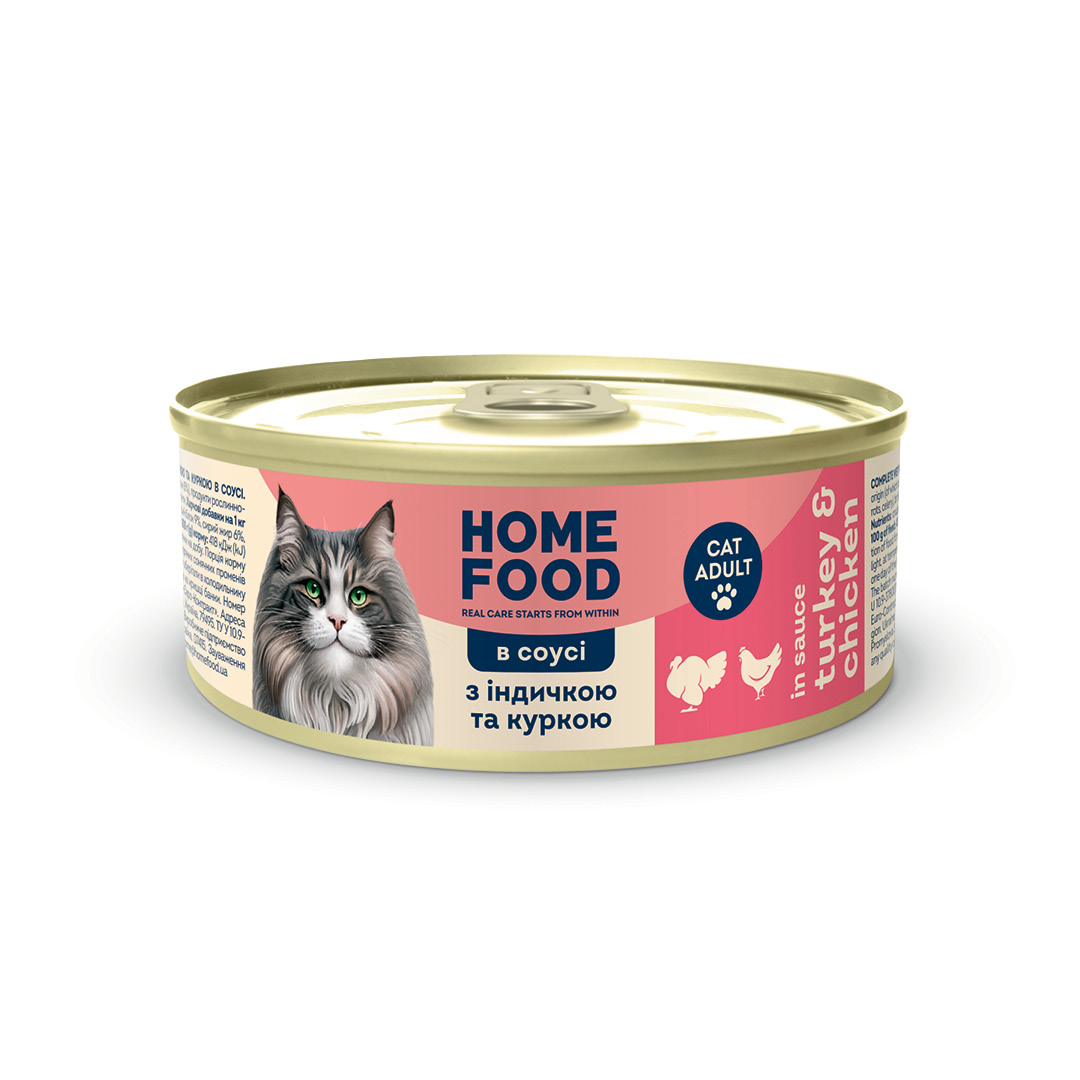
HOME FOOD — complete food for adult cats with turkey and chicken in sauce
Buy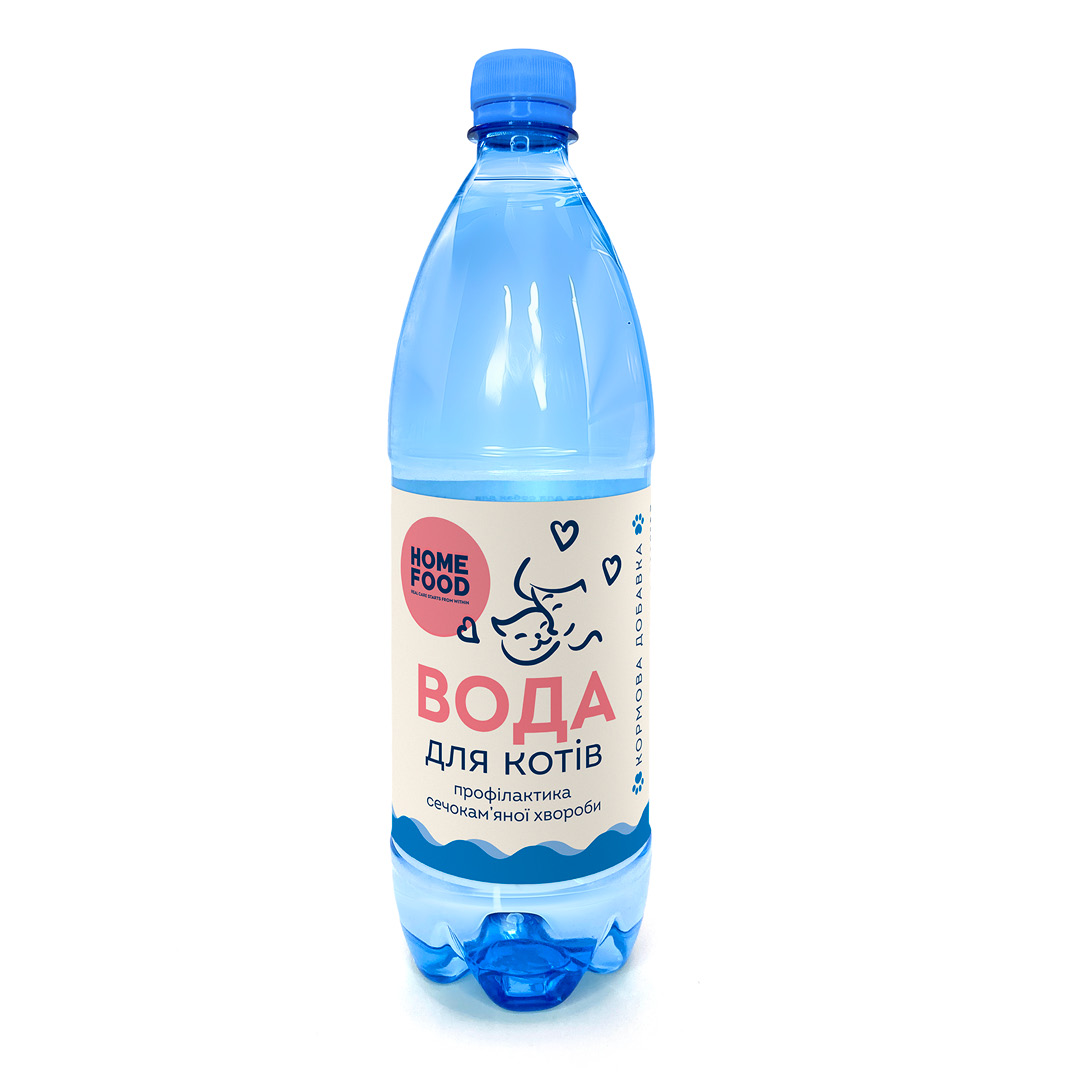
HOME FOOD — drinking water for cats for urinary tract health support
Buy
Breed pros and cons
Before choosing a Singapura, it's important to assess not only her miniature charm but also the practical household characteristics of this very affectionate breed.
- The advantages include compact size, gentle temperament, good socialization, and simple coat care.
- The breed is perfect for an apartment and for people who want a small but very lively and emotional companion.
- The disadvantages include sensitivity to cold, poor tolerance of long periods alone, and breed rarity.
- A Singapura needs a stable routine, plenty of attention, and careful control of nutrition, despite her small weight.
Conclusion
The Singapura cat is a rare example of a miniature pet with striking appearance and a very gentle, human-oriented temperament. She suits those who value calm interaction, good behavior, and a light "airy" aesthetic in a pet.
If you provide a Singapura with warmth, a stable routine, regular attention, basic preventive care, and balanced nutrition, she reveals herself as an active, very affectionate and predictable companion who truly lives alongside a person, not separately from them.