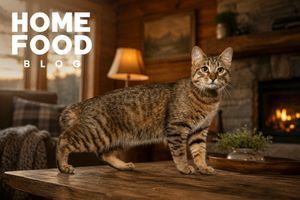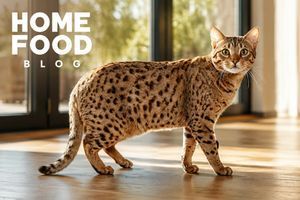
The Savannah is one of the most striking examples of selective breeding, combining the wild aesthetics of the African serval with the possibility of living alongside humans. It gives the impression of a small cheetah: tall, spotted, incredibly graceful, with large ears and a very attentive gaze.
But behind the striking appearance lies not just a "status cat", but a complex, very intelligent and extremely active companion. This is why the Savannah is not suitable for everyone: it needs space, exercise, a safe environment and an owner ready to build a life with an animal that thinks, explores and constantly seeks interaction.
In this article, we will look at how the Savannah breed originated, what the F1–F5 generations mean, what its appearance is like, what behavioral traits these cats have, and what is important to know about care, health, nutrition and responsible ownership.
Brief breed characteristics
| Origin | USA, 1980s |
| Alternative name | Savannah Cat |
| Breed type | Hybrid of serval and domestic cat |
| Size and weight | Large format; approximately 4–11 kg, some males can be even larger |
| Lifespan | On average 12–20 years |
| Coloring | Spotted tabby: golden-brown, silver, black, smoke and other variations |
| Coat type | Short, dense, smooth, glossy |
| Character | Active, curious, intelligent, very energetic, requires attention and exercise |
| Care | Minimal grooming, but high requirements for activity, safe environment and socialization |
| Suitable for | Experienced active owners ready to invest in environment, training and daily interaction |
History of origin
The Savannah emerged in the USA in the mid-1980s. The first known kitten of this type is considered to be a kitten born to a domestic cat and an African serval. This kitten was given the name Savannah, which later gave its name to the entire breed. Subsequently, the development of the line is associated with the work of breeders and feline experts, including Patrick Kelly and Joyce Sroufe, who helped form and establish the breed standard.
The Savannah is a young breed and at the same time a complex one, since it is not just about selective breeding within domestic cats, but about hybrid origin. This is why the breed description often mentions generations F1, F2, F3 and beyond. They indicate how closely a particular animal is related to the serval in its pedigree, and therefore partially influence size, temperament, and the complexity of care.
TICA recognizes the Savannah as a domestic breed, but it is important to understand that in some countries, states or regions, the rules for owning early generations may differ. Therefore, a potential owner should always check local regulations before purchasing a kitten.
- The Savannah was formed in the USA as a hybrid of serval and domestic cat.
- Generations F1–F5 indicate closeness to the wild ancestor and matter for temperament and care.
- Rules for keeping a Savannah may depend on jurisdiction, especially for early generations.
Appearance
The Savannah is a natural athlete: the body is long, lean, muscular, with a pronounced chest and very long limbs. The Savannah is considered one of the tallest domestic cats in the world, and it is the silhouette that often makes a greater impression than the actual weight. This is especially striking in early generations, where the resemblance to the serval is even more pronounced.
The Savannah's head is relatively small compared to the body, ears are very large and set high, and eyes are almond-shaped. Dark "tear marks" are often visible under the eyes, further emphasizing the association with wild cats. The coat is short, dense and smooth, and the spots should be clear and contrasting.
The Savannah's appearance truly looks like a concentration of wild aesthetics. But this is precisely why it is important for a potential owner not to romanticize just the picture: this cat was not created to live as a decorative sofa pet, but for an active and very full lifestyle.
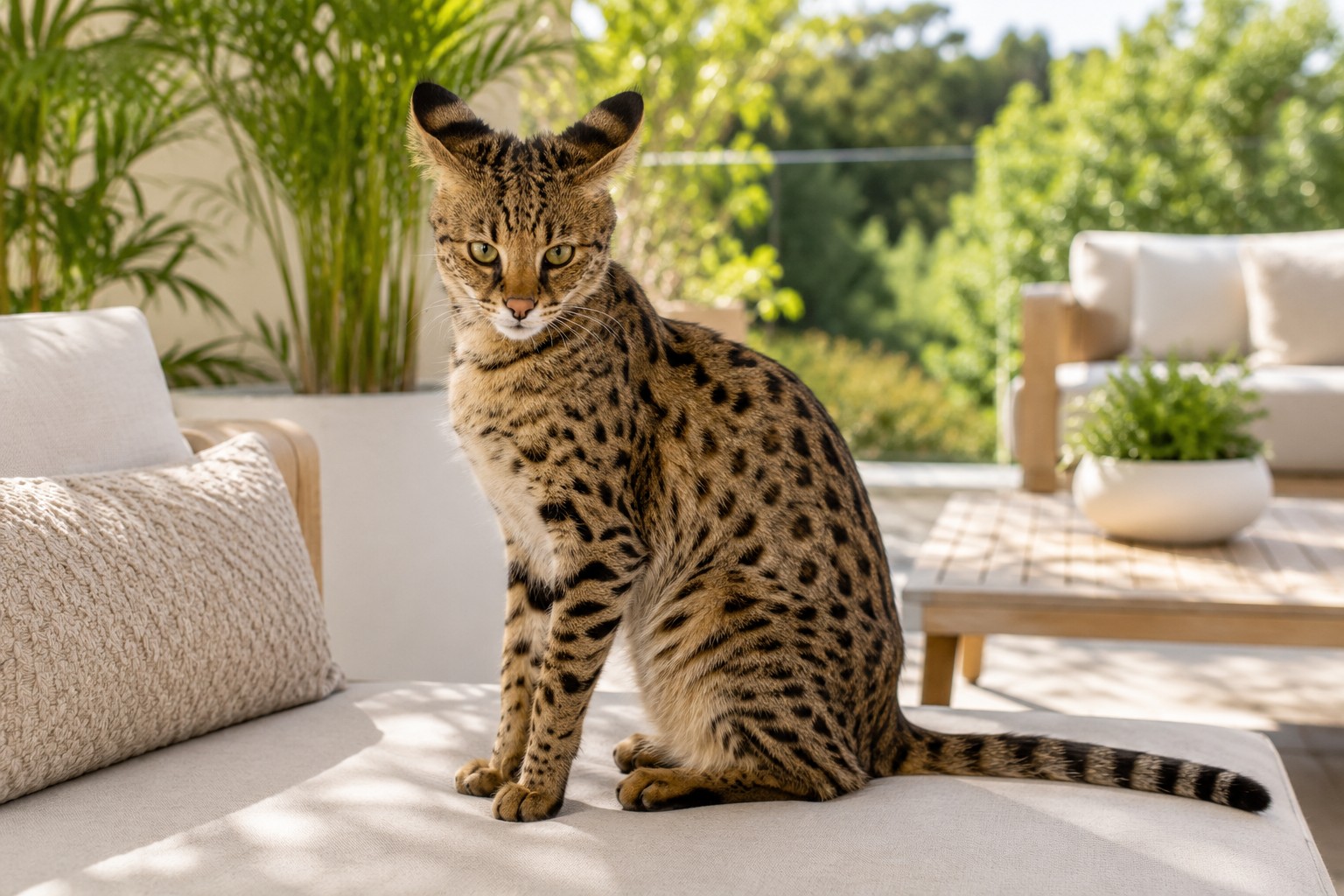

The Savannah is easy to recognize by its long legs, large ears, spotted coloring and very athletic silhouette
Character and behavior
Don't be intimidated by its predatory appearance: Savannahs are often very people-oriented and actively seek contact. But this is not a "soft phlegmatic" cat, but an intelligent, energetic, very curious cat that constantly needs activity. It will follow its owner around the house, try to participate in all household activities and quickly find ways to open doors, get forbidden things or explore new spaces.
Intelligence in Savannahs is truly above average. They are often accustomed to a harness and leash, they remember routines well, are able to follow simple commands and love to explore space. This is why tall complexes, wall shelves, bridges and interactive games for them are not a bonus, but a basic need.
At the same time, Savannah behavior depends largely on generation. Early generations (F1–F2) are usually more complex to keep, more wary of strangers and require especially careful socialization. Later ones (F4–F5) are closer to ordinary domestic cats, although they still retain high activity and characteristic energy.
- The Savannah is not a calm decorative cat, but a very active and intelligent companion.
- The breed needs height, movement, space exploration and daily interaction with humans.
- The closer the generation is to the serval, the more important the owner's experience and proper socialization become.
Health and genetics
The Savannah is a young breed, and overall it is often described as quite hardy if bred responsibly. At the same time, it is important to understand that the "youth of the breed" itself does not eliminate the need for a responsible breeder, prevention, vaccination, deworming and regular check-ups.
A separate biological aspect is related to hybrid origin: males of early generations, especially up to F5, are often infertile. For someone keeping a Savannah as a pet, this is not the main issue, but it clearly shows how complex the breed is in breeding. Also, because of the breed's large size, very high activity and love of jumping, strong joints, body condition control and a safe environment are critically important.
Another practical point is not to romanticize "wild blood" as a synonym for invulnerability. The Savannah still requires standard veterinary care, protection from parasites, attention to teeth and regular monitoring of overall health.
- The Savannah is not an "invulnerable wild cat" and requires standard preventive veterinary care.
- For the breed, body condition control, joint health and safe space for activity are very important.
- Early generations of hybrids are more complex not only behaviorally, but also in terms of responsible keeping overall.
Nutrition
The Savannah is an obligate carnivore with a very active metabolism. This is why a diet with a large proportion of fillers, grains and a weak protein base is definitely not suitable for it. Regardless of whether the owner chooses professional ready-made food or works with a veterinary nutritionist on a natural diet plan, the basic principle is one: high-quality animal protein should be at the center of the diet.
Due to constant activity and strong muscle work, the Savannah needs food that properly covers energy expenditure, but at the same time does not lead to mineral imbalance. An incorrect balance of calcium, phosphorus, magnesium or other elements can be especially problematic for a cat that jumps a lot, grows quickly and actively loads its body daily.
Water is also critically important. Savannahs move a lot and often drink well, but access to clean water should still be constant. If the basis of nutrition is dry food, hydration control becomes even more important.


HOME FOOD For active — dry food for active adult cats, chicken and shrimp
Buy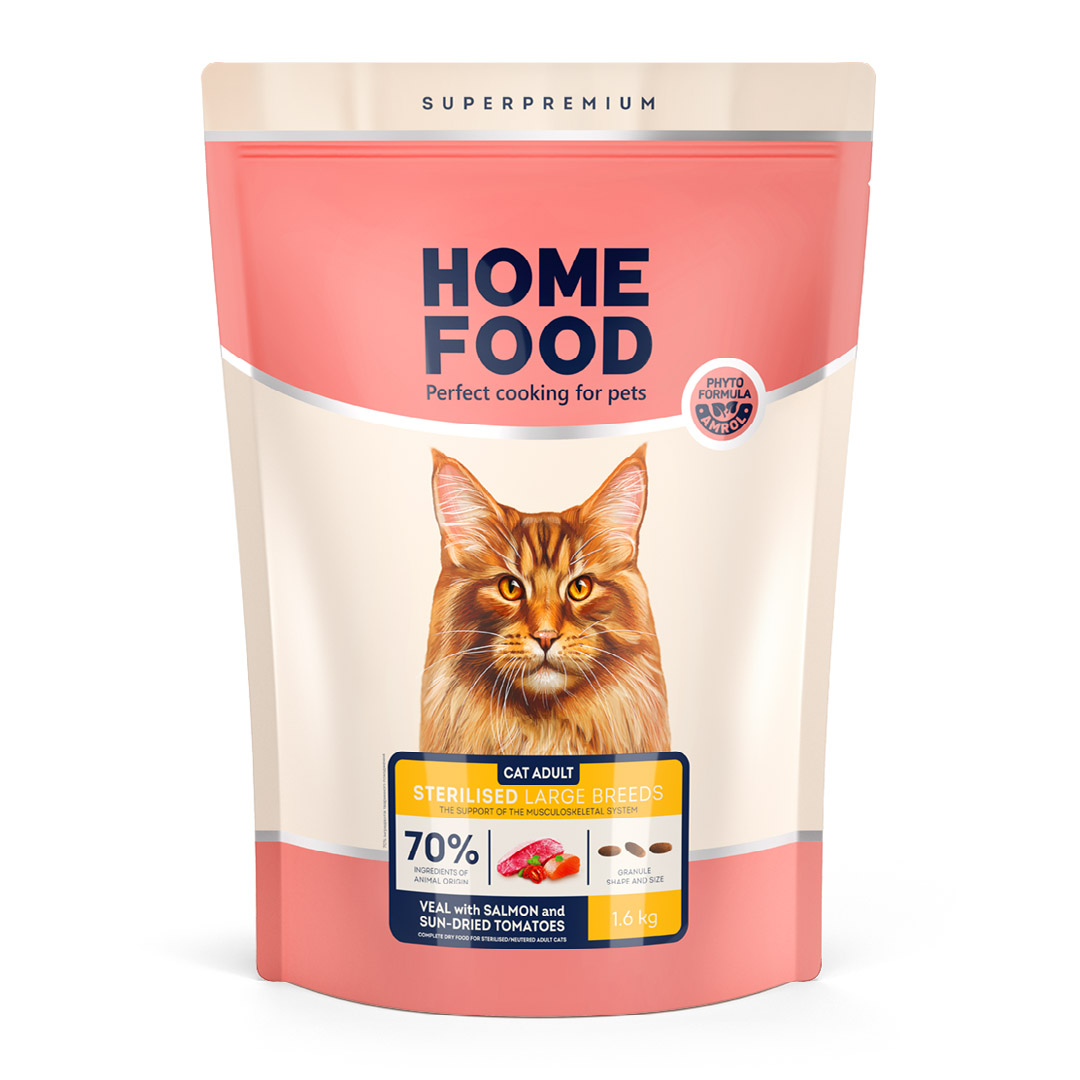
HOME FOOD For the support of the musculoskeletal system — food for large breeds, beef with salmon
Buy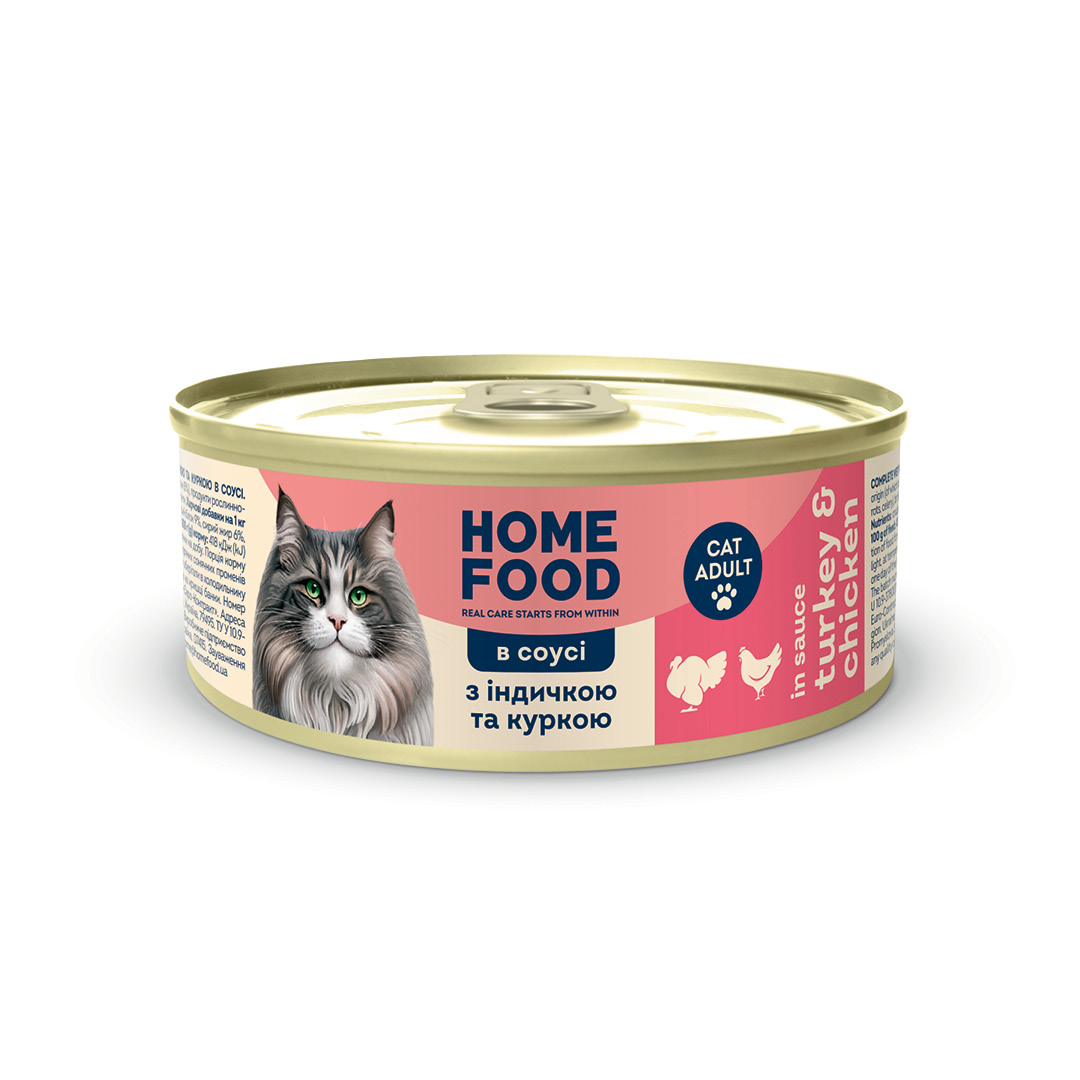
HOME FOOD — complete food for adult cats with turkey and chicken in sauce
Buy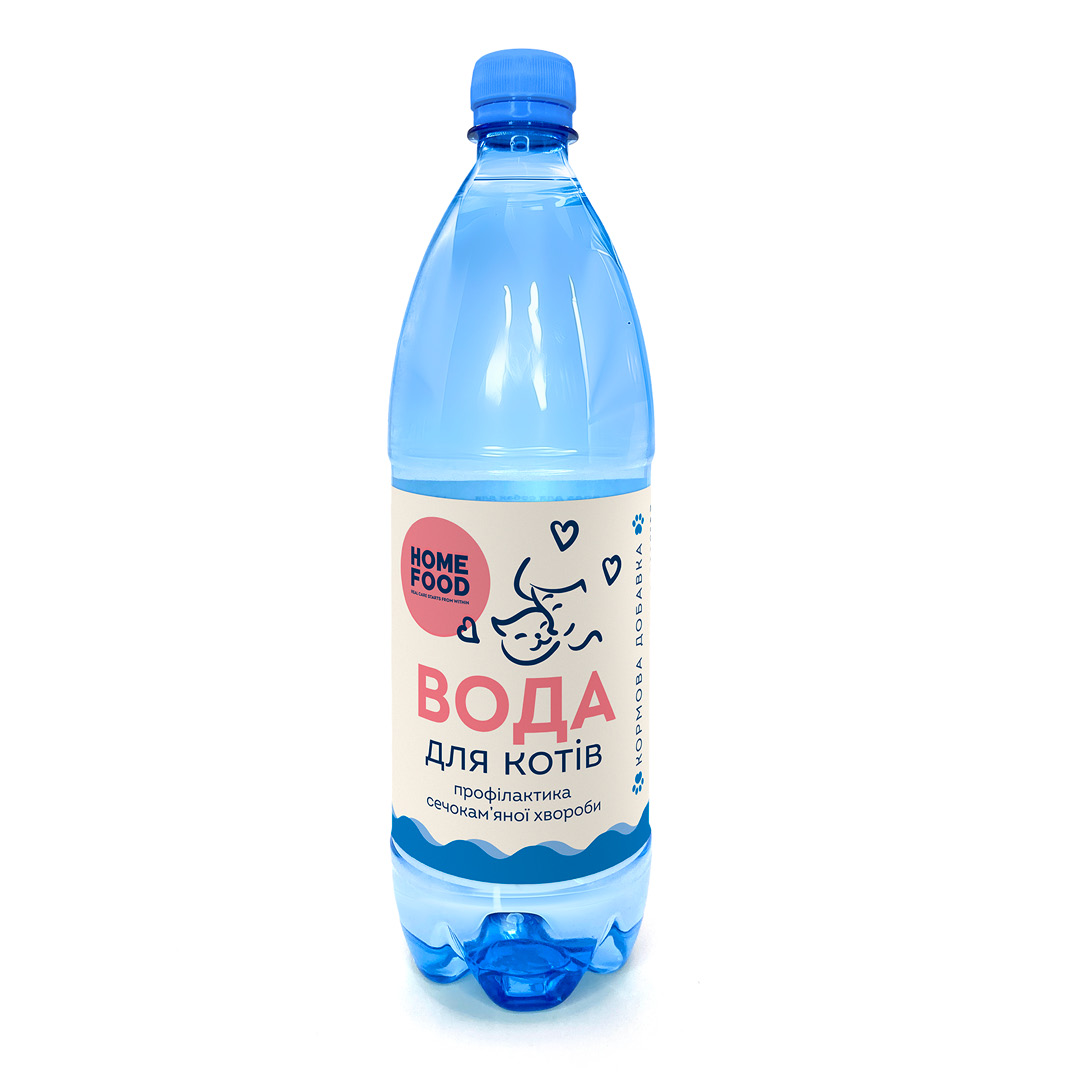
HOME FOOD — drinking water for cats for urinary tract support
Buy
Care and living environment
Caring for a Savannah's coat is not complicated: usually regular brushing once a week is sufficient. But grooming is the smallest part of the question. In reality, the most challenging aspect of keeping a Savannah is not the coat, but the living environment. A cramped studio apartment without a vertical environment, active play, and mental stimulation would be frankly insufficient for this breed.
Savannas need tall cat trees, shelves, reliable scratching posts, sturdy toys, and the ability to climb, jump, and explore. It's also important to have a quality nail clipper, regular dental check-ups, and getting them accustomed to basic grooming procedures. Many Savannahs, unlike most cats, are not afraid of water and even enjoy playing with it, but this doesn't eliminate the need to introduce grooming calmly and gradually.
It's worth remembering separately that for early generations, free roaming or "just living like a regular cat" is a bad idea. This is a breed that requires responsibly managed environment.
In daily care for a Savannah, the most important things are nail control, basic preventive care, light grooming, and an environment that can withstand its strength, jumps, and curiosity.
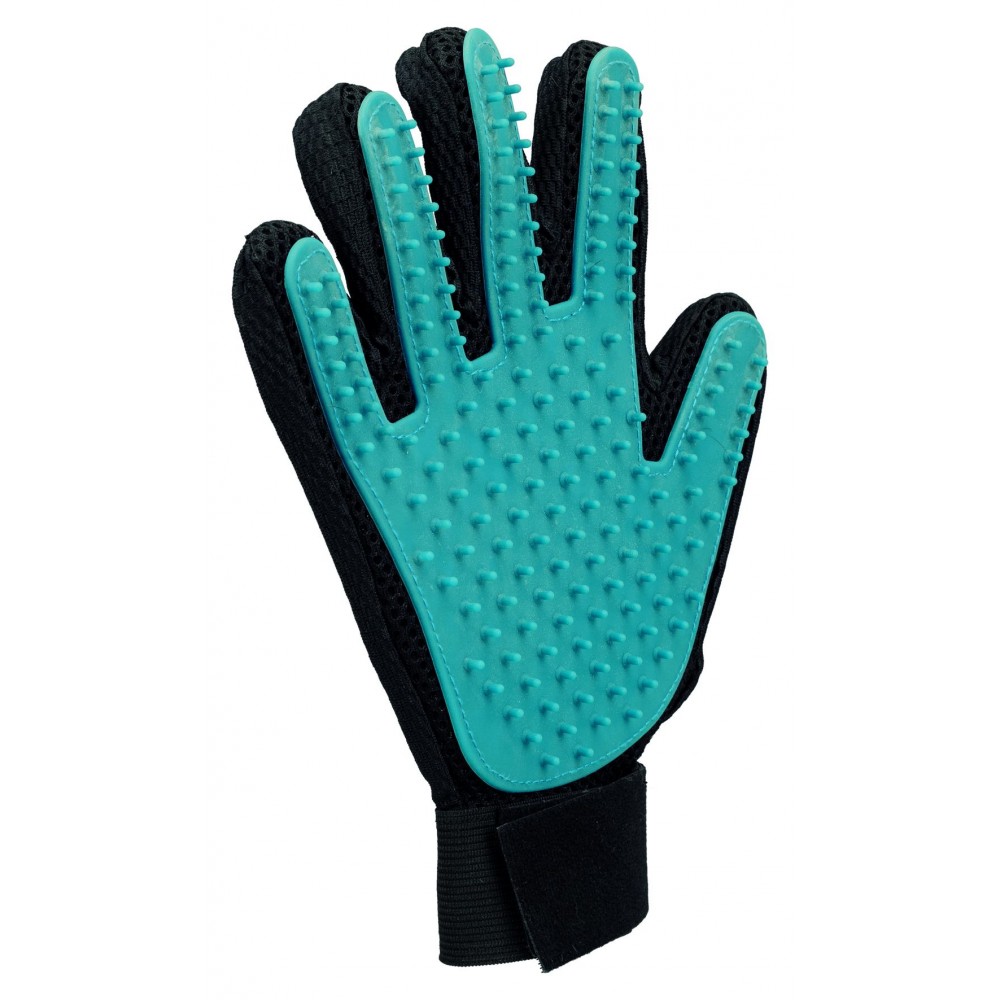
Trixie — grooming glove 16x24 cm
Buy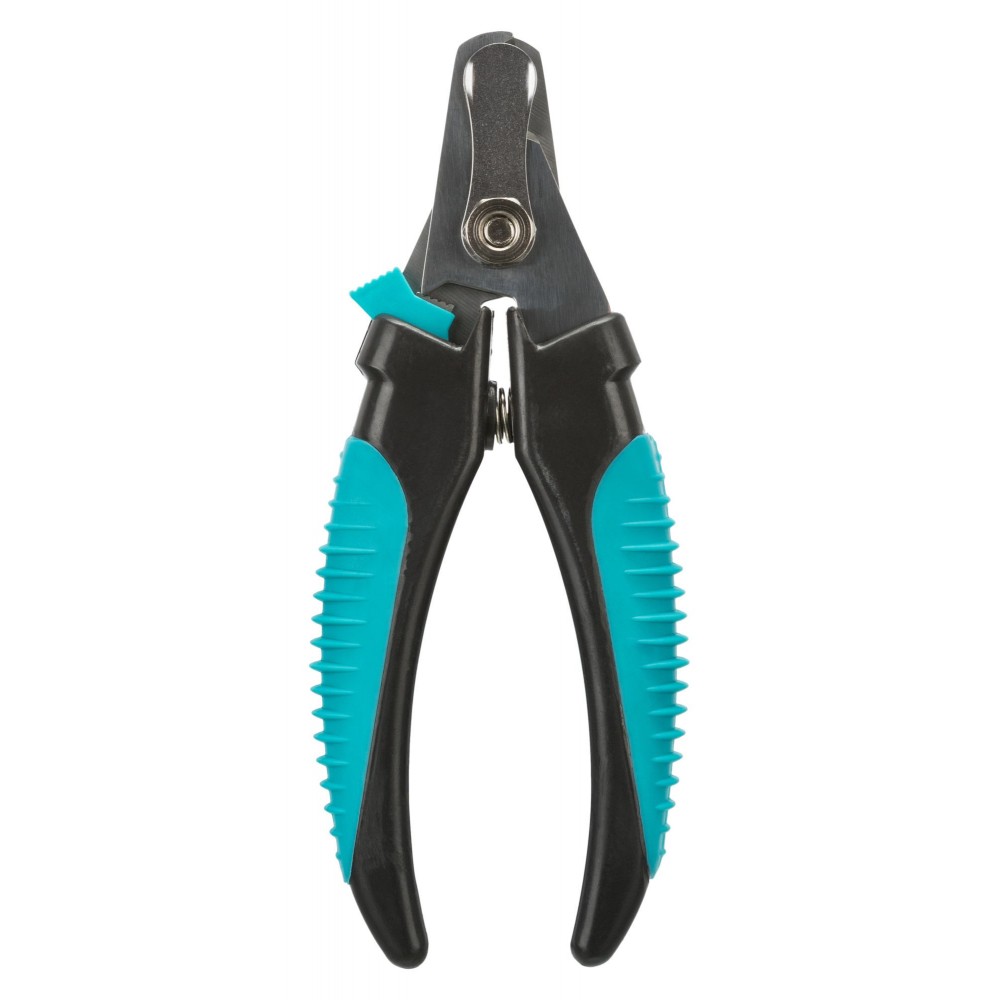
Trixie Luxe — nail clipper for pets, large, 16 cm
Buy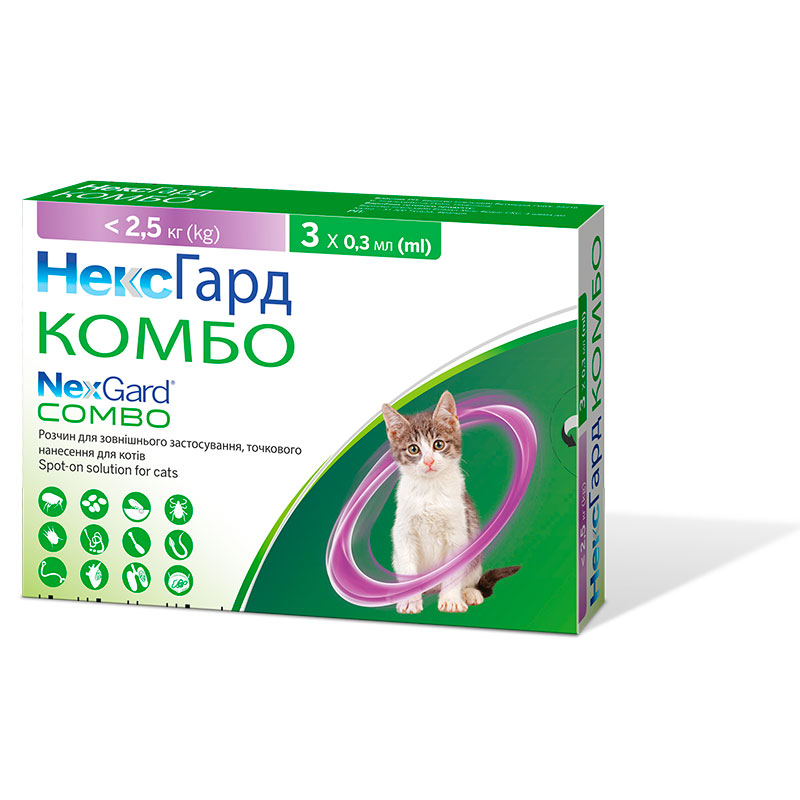
NexGard Combo — antiparasitic drops for cats up to 2.5 kg
Buy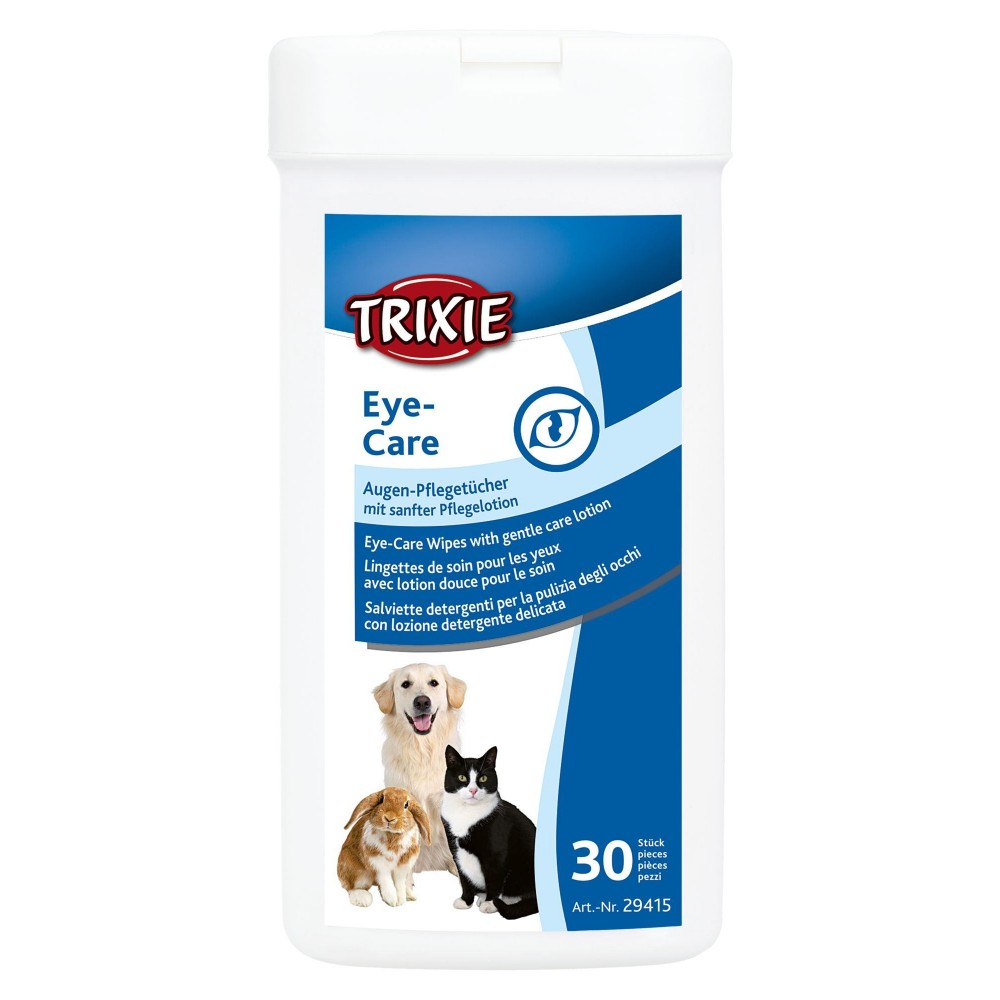
Trixie — eye care wipes for dogs and cats, 30 pcs
Buy
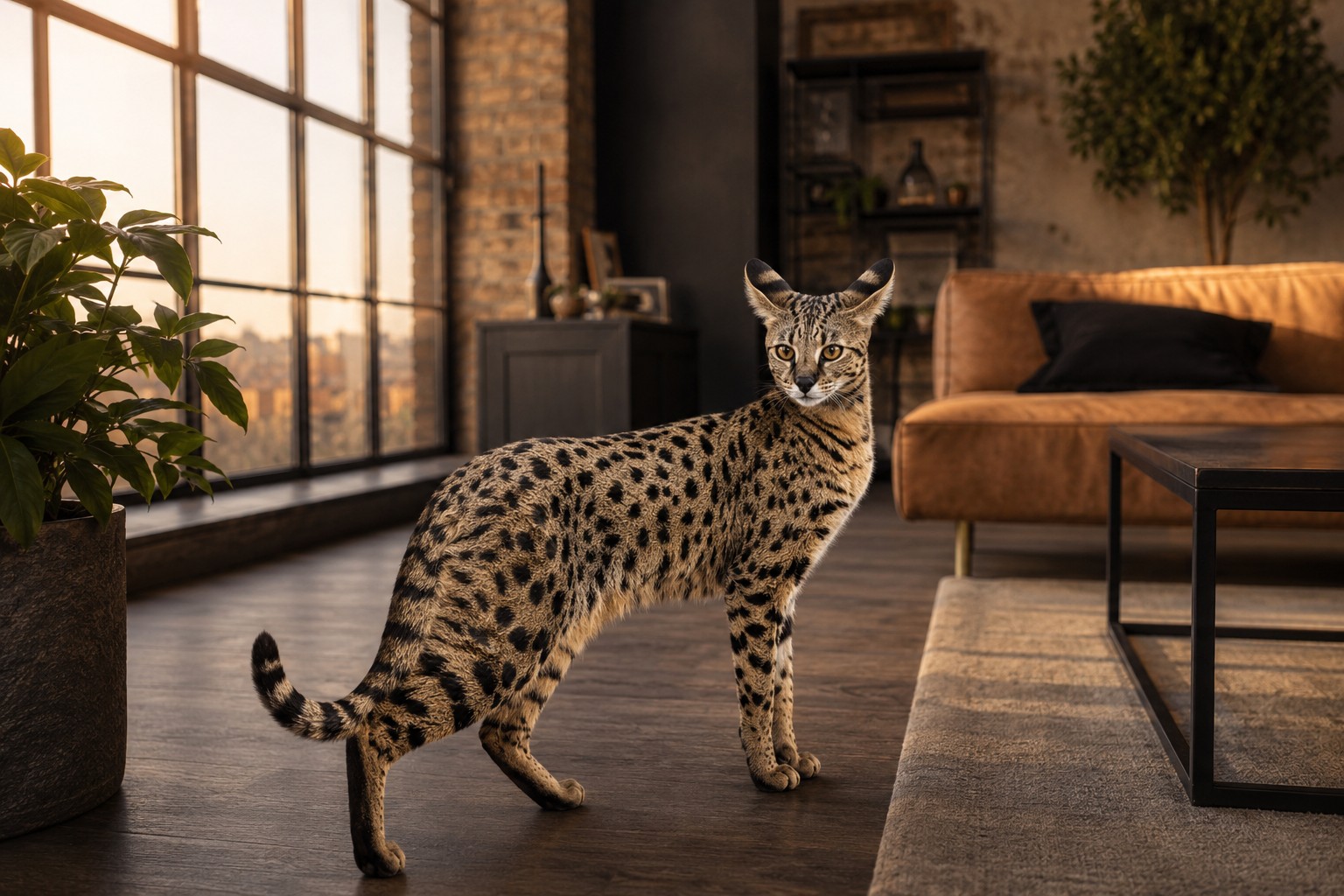
For a Savannah, the most important things are space, height, daily activity, sturdy accessories, and a predictable controlled living environment
Breed pros and cons
Before choosing a Savannah, it's important to evaluate not only the exotic appearance, but also the real requirements for living with such a cat.
- The pros include fantastic appearance, very high intelligence, genuine affection for people, and truly impressive energy.
- A Savannah appeals to those looking for not a decorative cat, but an active partner for daily interaction.
- The cons include high price, complex living requirements, need for space, stimulation, and very careful training.
- The breed is not suitable for people who want a calm cat for passive couch living.
Conclusion
A Savannah is not just an impressive cat with a "wild" appearance, but a complex, intelligent, and very energetic companion. It suits people who are ready to invest in the living environment, activity, training, and true partnership with an animal, not just admire its exotic nature.
If you provide a Savannah with a quality diet, safe space, daily stimulation, proper socialization, and constant human contact, it can become an incredibly vibrant, devoted, and unforgettable family member.