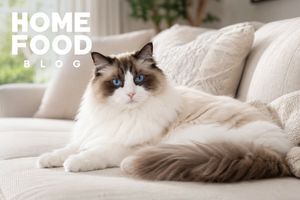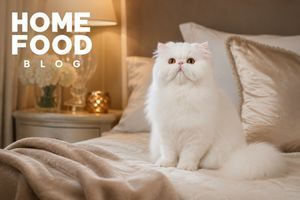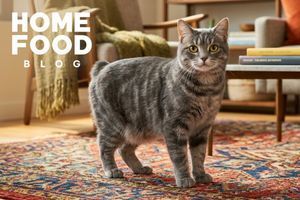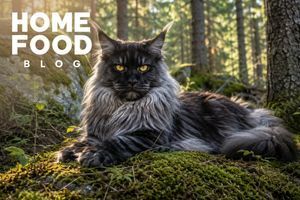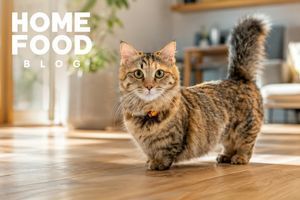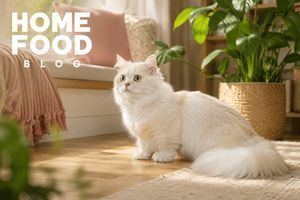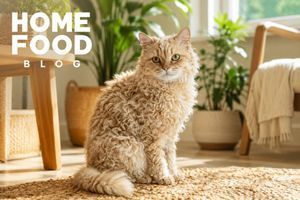
Ragamuffin cats are the embodiment of softness, calm, and boundless affection for humans. They are often called 'plush companions' thanks to their luxurious coat, expressive eyes, and incredibly friendly character. This breed is perfect for those seeking not just a pet, but a true family member ready to give warmth and attention every day.
The Ragamuffin truly belongs to the most people-oriented breeds. These cats love being held, readily relax in a person's arms, are usually calm with children, and often get along well with other animals. At the same time, this is a large cat with slow maturation, a tendency to gain weight, and a need for regular, though not overly complicated, care.
In this article, we'll explore where the Ragamuffin comes from, how it differs from the Ragdoll, what its appearance is like, what character these cats have, what conditions they need at home, and what to pay attention to regarding care, health, and nutrition.
Quick breed characteristics
| Origin | USA, 1990s |
| Alternative name | Ragamuffin |
| Breed type | Long-haired or semi-long-haired, selectively bred |
| Size and weight | Large format; approximately 5–9 kg |
| Lifespan | On average 12–16 years |
| Coloring | Varied: solid, tabby, bicolor, colorpoint, and other variations |
| Coat type | Soft, dense, silky, medium or long length, with moderate undercoat |
| Character | Very calm, affectionate, trusting, devoted, and human-oriented |
| Care | Moderate grooming, weight control, eye care, ear care, and care of the coat around the 'pants' |
| Suitable for | Families, elderly people, and anyone who wants a very gentle feline companion |
Breed origin
The history of the Ragamuffin is inextricably linked to the popular Ragdoll breed. In the 1960s in California, breeder Ann Baker created a line of cats with an unusually soft build, long coat, and gentle temperament. Later, some breeders disagreed with the strict rules of the association connected to this line, and in the 1990s went their own way.
This is how the Ragamuffin was formed. To expand the genetic pool and allow a wider palette of colorings, the breeding used not only lines related to the Ragdoll, but also Persian, Himalayan, and some domestic long-haired cats. Because of this, the new breed turned out to be more varied in colors and generally stronger than the original line.
The name 'Ragamuffin' initially sounded ironic, but quite quickly became established for the breed. In the feline world, the Ragamuffin is valued not only for its soft appearance, but also for its very predictable, friendly character.
- The Ragamuffin was formed in the USA in the 1990s as a separate branch from lines related to the Ragdoll.
- Unlike the Ragdoll, the breed has a wider genetic pool and many more permitted colorings.
- The modern type of Ragamuffin combines large size, soft coat, and pronounced human-orientation.
Appearance
The Ragamuffin is a large, solidly built cat with heavy bone structure, broad chest, and rectangular body. The breed matures slowly: these cats often reach full adult appearance and significant mass only by 4–5 years of age. This is why a young Ragamuffin may seem not fully formed even when already past the kitten stage.
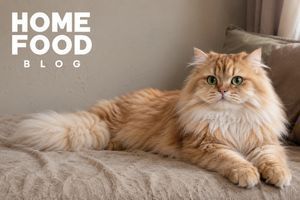
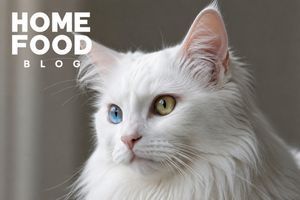
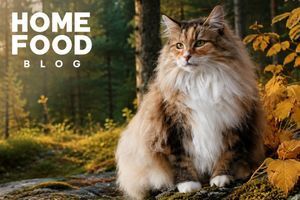
The head is wide, with rounded contours, short muzzle, and chubby cheeks, giving a very soft expression. Eyes are large, expressive, often hazel, green, or blue. Another characteristic feature is a fat pad on the lower abdomen: in the breed it is permitted by the standard and does not always mean obesity.
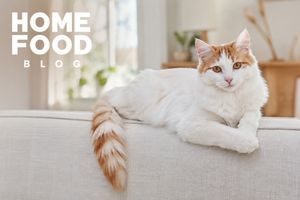
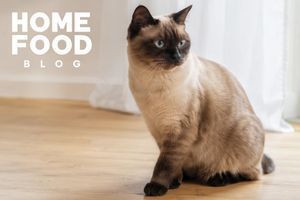
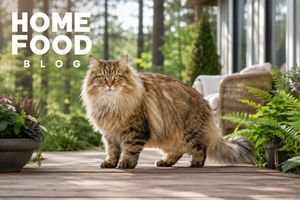
The coat is medium-long or long, dense, very soft, and silky. A pronounced collar forms on the neck, and luxurious 'pants' on the hind legs. Unlike the Ragdoll, the Ragamuffin can have almost any coloring: from tabby and bicolor to solid and smoke variations.
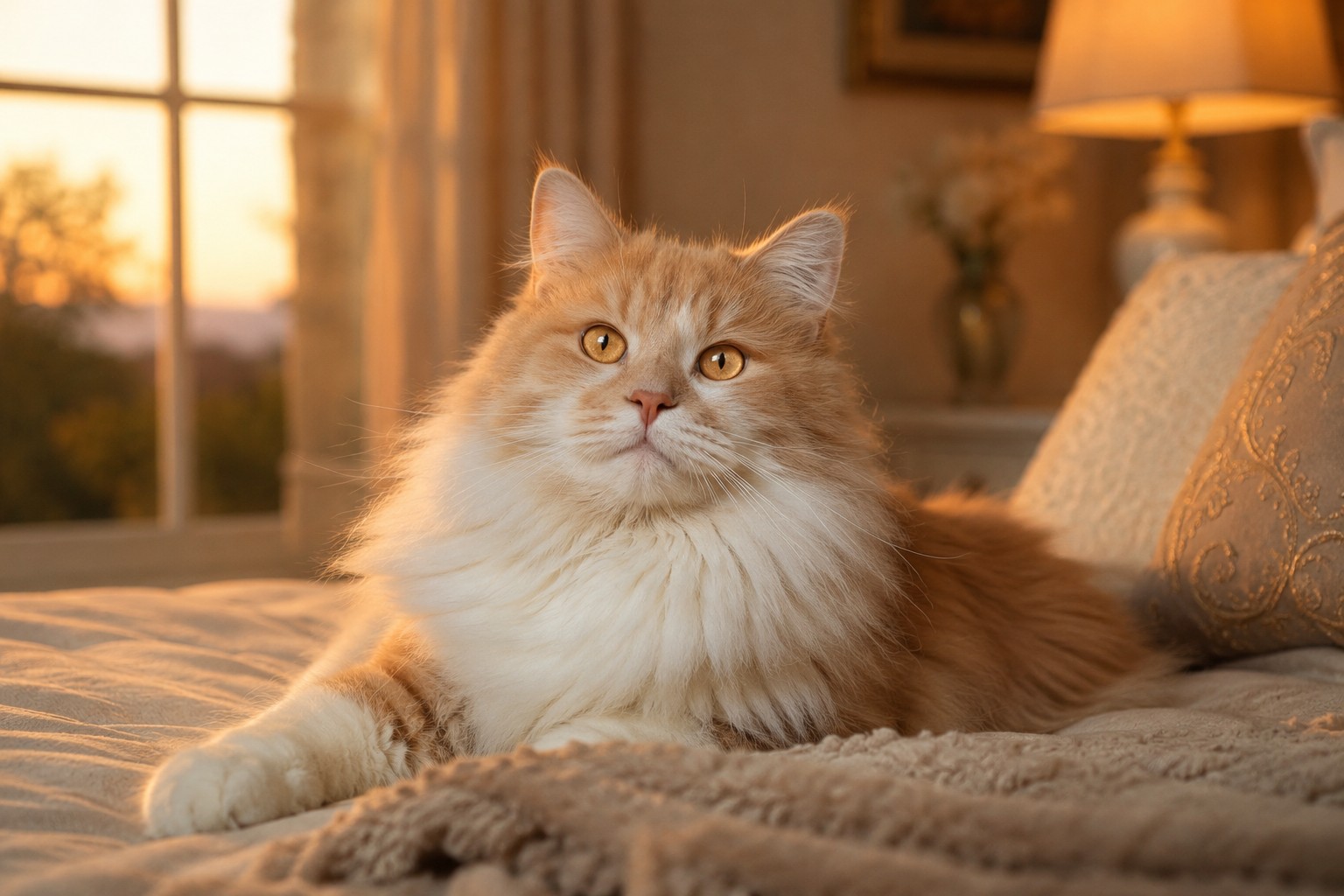

The Ragamuffin is easy to recognize by its large format, round muzzle, soft coat, and very kind expression in the eyes
Character
If there were a competition for the most peaceful breed, the Ragamuffin would have every chance of being among the favorites. Its main feature is an almost complete absence of aggression. Many representatives of the breed love to sit on hands, relax in embraces, and literally live for close contact with their owner.
These cats are very sociable: they often greet people at the door, follow from room to room, and try to participate in the family's daily life. This is why Ragamuffins tolerate prolonged solitude poorly. If no one is home almost all day, the cat may lack emotional contact.
With children, the breed usually behaves very patiently and gently, and with other cats and dogs often gets along without particular difficulty. But gentleness does not mean the animal can be overwhelmed with intrusive attention: the Ragamuffin also needs respect for boundaries and a calm, safe environment.
Training and living
Ragamuffins are good at sensing human mood and often quickly pick up house rules. They are not among the most hyperactive breeds, but are capable of learning simple commands, fetching small objects, getting used to rituals, and living comfortably with a regular routine.
In training, calm, repetition, and positive reinforcement work best. Because of their very soft temperament, Ragamuffins find it hard to cope with rudeness, shouting, or sudden changes in attitude. This is a cat that responds better to a kind word than to pressure.
- The Ragamuffin is very human-oriented and tolerates prolonged solitude poorly.
- The breed usually suits families with children and homes where there are already other animals.
- These cats learn best through calm, routine, and positive reinforcement.
Features of keeping and care
Despite its luxurious coat, the Ragamuffin is not among the most complicated breeds for grooming. Its coat usually does not form mats as easily as in some other long-haired cats, but regular brushing is still needed. In normal periods, 2–3 times a week is sufficient, and during shedding season—more often, sometimes daily.
Special attention is needed for eyes, ears, and the area around the 'pants'. Due to the dense coat, dirt can accumulate there after the litter box, so the owner should regularly monitor cleanliness. It is also important to watch the claws and accustom the cat to calm hygiene procedures in advance.
The Ragamuffin is an indoor cat. Due to its trusting nature and weakly expressed self-preservation instinct, it should not be let outside without supervision. It is best suited to a calm apartment or house with soft bedding, reliable scratching posts, and the ability to live near people, rather than separately from them.
In daily care of the Ragamuffin, the most important things are tools for gentle brushing, basic eye hygiene, and claw control without stress for the animal.

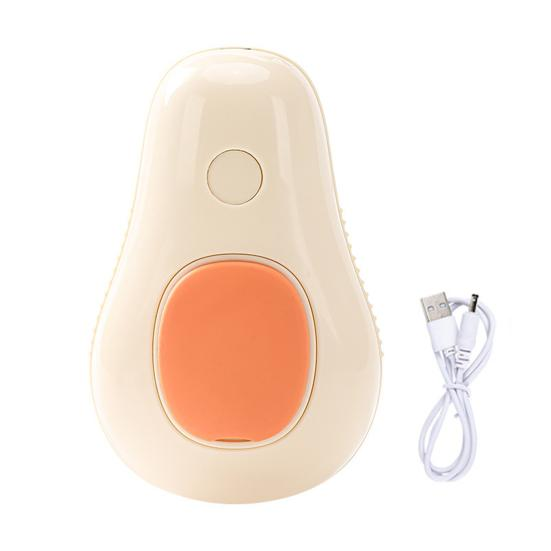
Steam massage brush 3 in 1 — «Avocado» for grooming dogs and cats
Buy
HOME FOOD Beauty — set for dogs and cats: shampoo «Perfect Care» 200 ml + conditioner «Silky Touch» 200 ml
Buy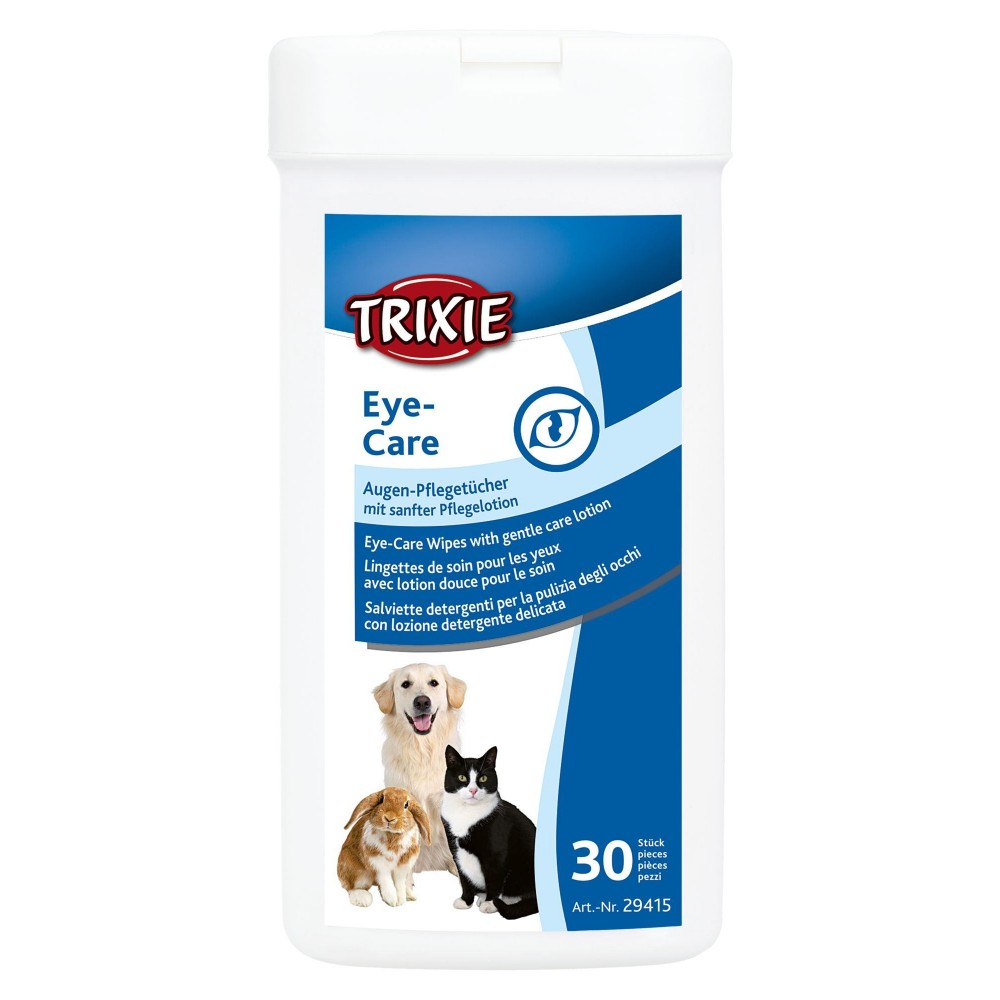
Trixie — eye care wipes for dogs and cats, 30 pcs
Buy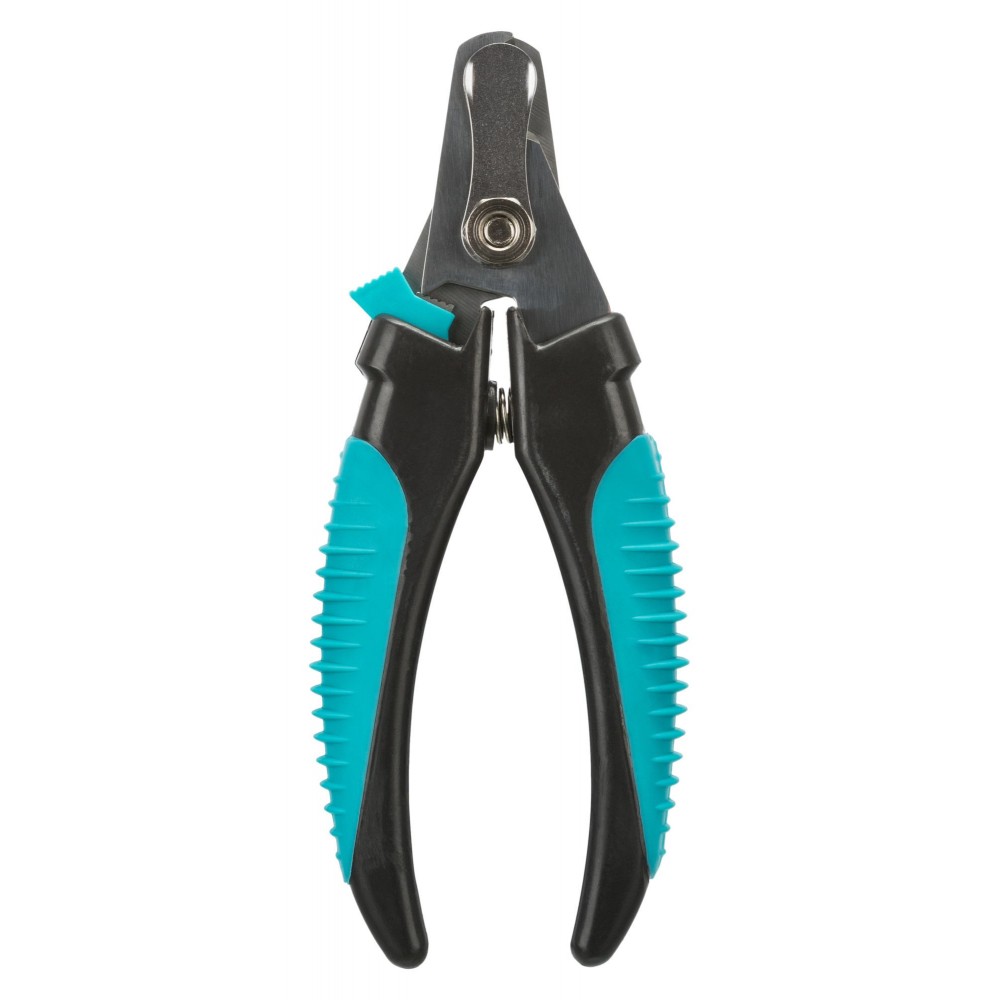
Trixie Luxe — nail clipper for pets, large, 16 cm
Buy
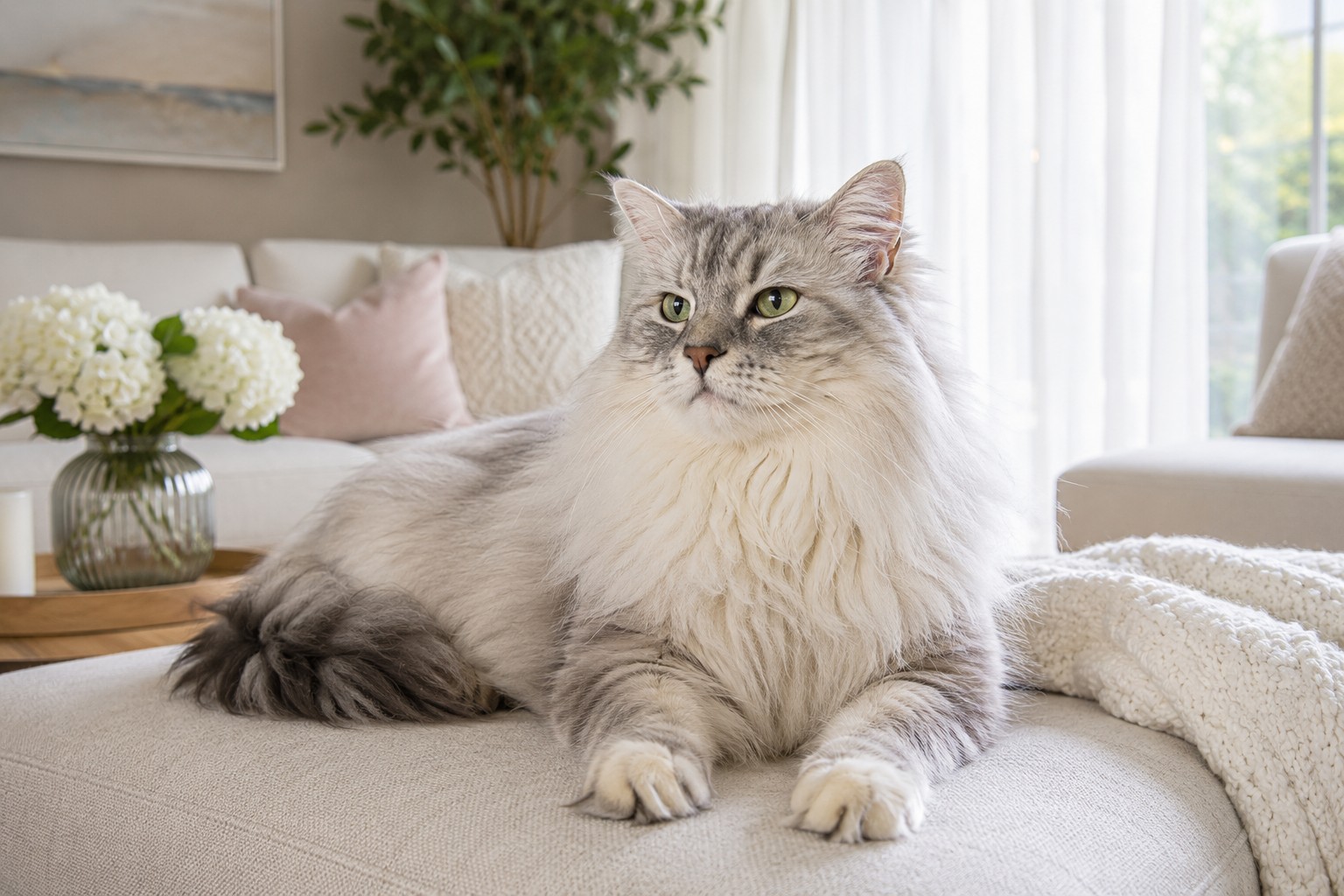
For a Ragamuffin, the most important things are regular brushing, clean eyes and coat, and constant household contact with people
Health and nutrition
Overall, Ragamuffins are considered a fairly healthy breed, and this was partly due to a wider genetic pool compared to early Ragdoll lines. However, there are a few things to pay attention to. As with other large breeds, Ragamuffins are described as having a predisposition to hypertrophic cardiomyopathy, so a responsible breeder should monitor the cardiac status of breeding animals.
Another real household problem is overeating and weight gain. The Ragamuffin is not very active, loves comfort, and often successfully persuades its owner for an extra portion. Because of this, the diet is better controlled rather than leaving food freely available without supervision. It is important to consider age, sterilization, body condition, and overall activity level.
The breed also benefits from attention to dental and gum health: a gentle nature does not eliminate the risk of tartar or gingivitis. The basis of nutrition should be a complete diet with sufficient animal protein, and access to clean water should be constant. For long-haired cats, diets that support skin and coat quality are additionally important.
- In a Ragamuffin, it is important to monitor weight, as a calm temperament and love of food can quickly lead to obesity.
- When choosing a kitten, it is worth asking about the cardiac screening of the parents, particularly regarding HCM.
- Complete diet, water, and attention to dental health are the basic things for a long comfortable life of this breed.
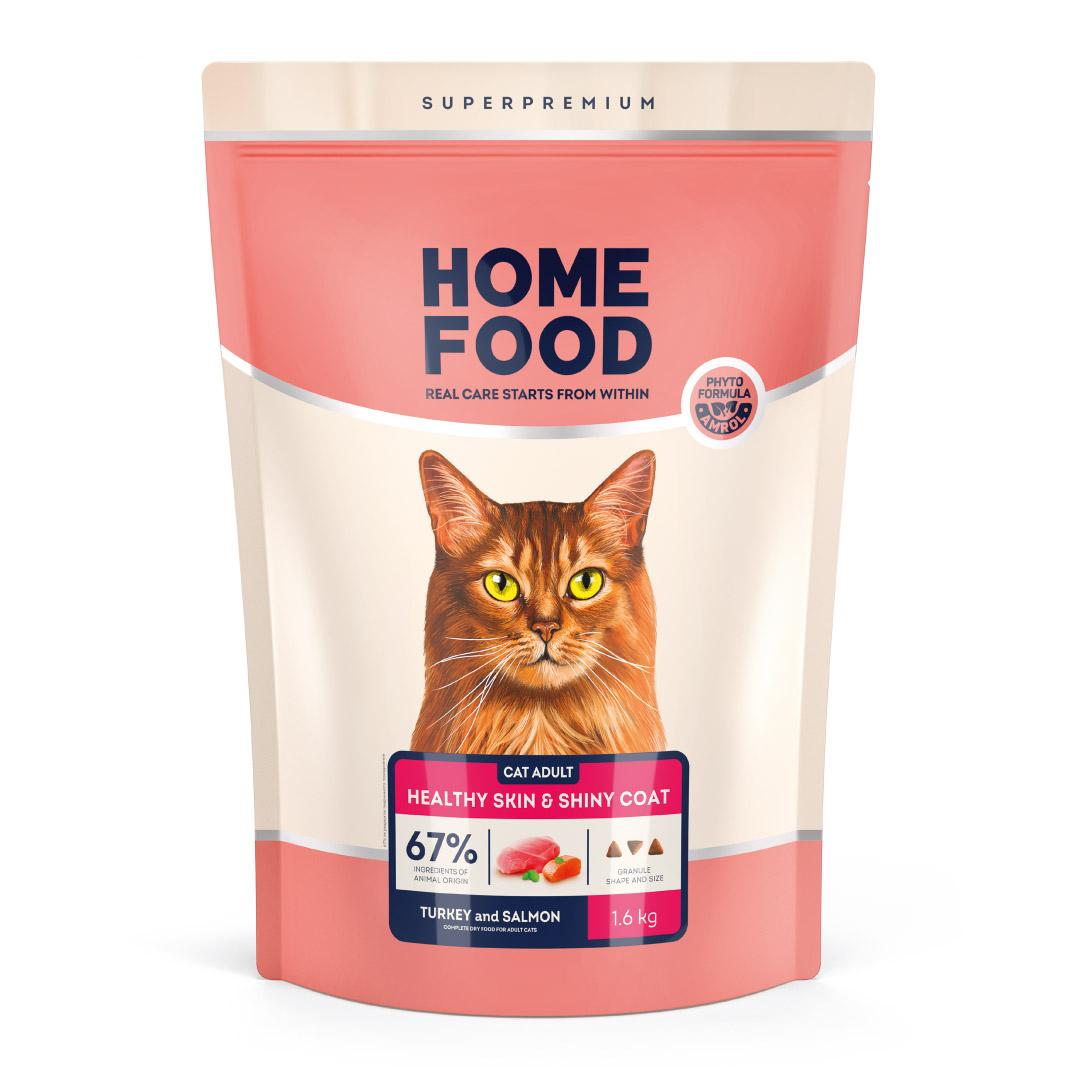
HOME FOOD Healthy skin and shiny coat — dry food for adult cats, turkey and salmon
Buy
HOME FOOD Omega Balance — oil for cats, balance of Omega-3, -6, -9
Buy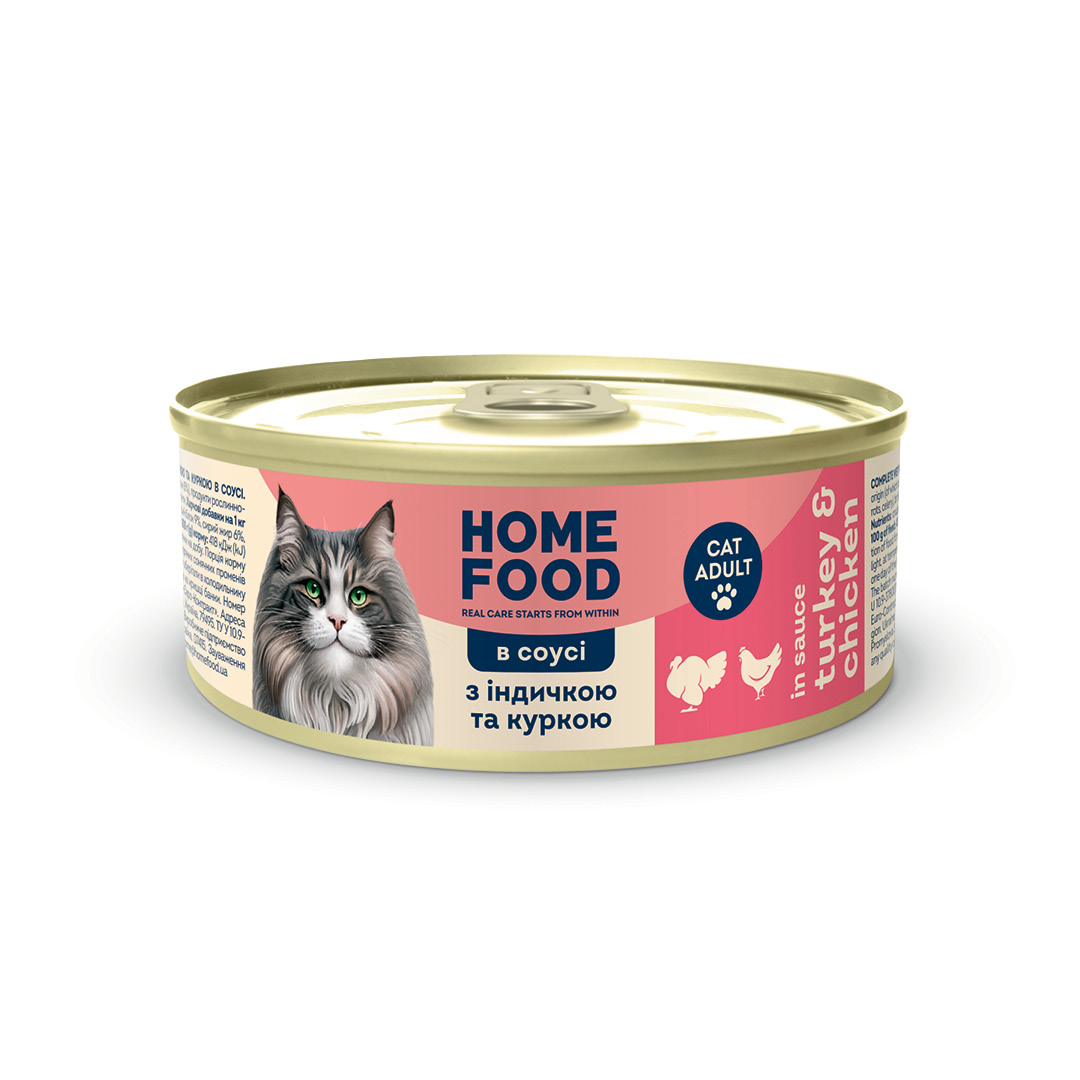
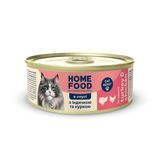
HOME FOOD — complete canned food for adult cats with turkey and chicken in sauce
Buy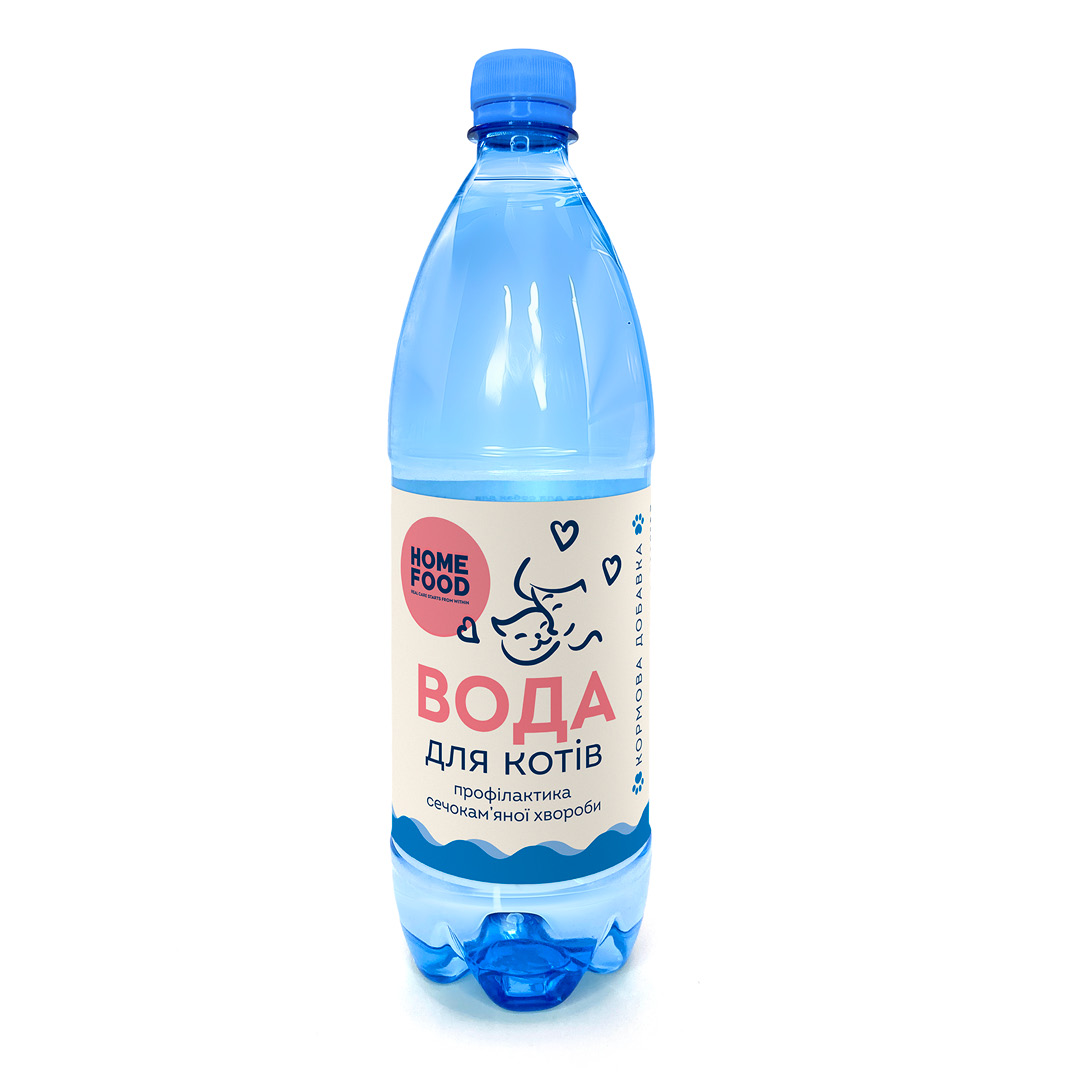
HOME FOOD — drinking water for cats for the prevention of urolithiasis, 1 l
Buy
Pros and cons of the breed
Before choosing a Ragamuffin, it is important to evaluate not only its charming appearance but also the real household needs of such a cat.
- The advantages include a very gentle temperament, high sociability, good compatibility with children and other animals.
- The breed usually feels good in an apartment and does not require an extremely active lifestyle.
- The disadvantages include poor tolerance of solitude, a tendency to gain weight, and the need for regular brushing.
- A Ragamuffin is not the best choice for people who want a maximally independent and aloof cat.
Similar breeds
Ragamuffins are most often compared to Ragdolls, as the breeds share common roots, a similar gentle temperament, and love of being held. Certain parallels are also drawn with the Persian cat due to the rounded facial features and luxurious coat. However, the Ragamuffin has its own type: a wider choice of colorations, a larger format, and a very pronounced role as a "home hugging companion".
Conclusion
The Ragamuffin is a breed for those who dream of a large, calm, and very affectionate cat that genuinely loves being near people. It does not impress with extreme activity or independence, but instead is almost perfectly suited for a quiet home life, warm contact, and a stable family rhythm.
If you combine measured feeding, regular coat care, weight control, attention to the heart and teeth, and sufficient human presence, a Ragamuffin can become an extraordinarily tender and devoted companion for many years.