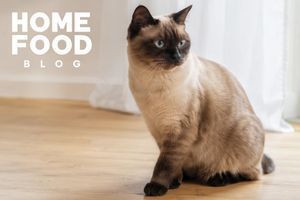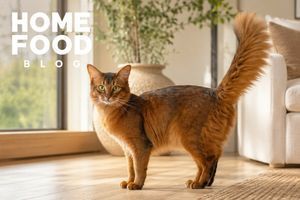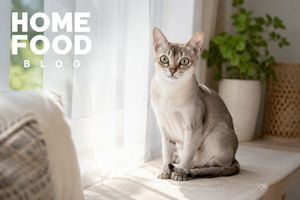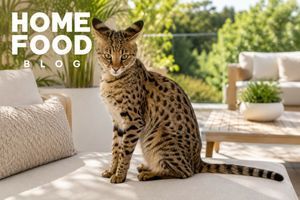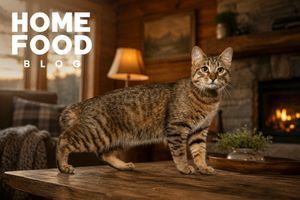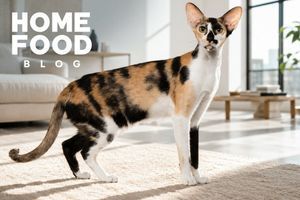
The Ocicat immediately catches the eye: it has a spotted coat, a strong athletic body and a very expressive gaze. At first glance, it might seem like you're looking at a small wild cat, but this is just a visual effect. In reality, the Ocicat is a completely domestic pedigree breed with no wild cat ancestry in its modern genetic background.
Beyond its striking appearance, the Ocicat is known for high intelligence, love of interaction, good trainability and a very active temperament. This is a cat that doesn't want to be just a 'pretty picture': it needs to participate in family life, explore its environment and have plenty of physical and mental activity.
In this article, we will explore where the Ocicat comes from, what its temperament is like, what to pay attention to in care, how to set up a home for it, what health risks to be aware of, and why this spotted cat is so well-suited to active families.
Quick breed overview
| Origin | USA, 1960s |
| Alternative names | Ocicat |
| Breed type | Short-haired pedigree domestic cat |
| Size and weight | Medium to large size; approximately 4–7 kg |
| Lifespan | Average 12–18 years |
| Colors | Spotted tabby; chocolate, brown, blue, lilac, silver and other variations |
| Coat type | Short, dense, smooth, with pronounced shine |
| Temperament | Active, friendly, confident, very sociable and intelligent |
| Care | Minimal grooming, monitoring of teeth, weight, heart, eyes and ears |
| Suitable for | Active families and people ready to give their pet time, space and attention |
History of origin
The Ocicat is a classic example of a breed whose 'wild' appearance is unrelated to actual wild blood. According to TICA, the breed was created in the USA by combining Abyssinian, Siamese and American Shorthair cats. That is why the Ocicat looks like a small ocelot but remains completely domestic.
The history begins with Michigan and the work of breeder Virginia Daly. Initially, the goal was to obtain a Siamese cat with a different color shade, but among the offspring appeared a kitten with unusual golden spots. It was named Tonga, and it became the starting point for the new breed concept.
Later, the American Shorthair was added to the breeding program to strengthen the bone structure, athleticism and establish silver color variations. The result was a breed with a very recognizable coat pattern, good muscle mass and an exceptionally friendly temperament.
- The Ocicat was created in the USA in the 1960s.
- The breed combines traits from Siamese, Abyssinian and American Shorthair cats.
- Despite its appearance as a small predator, this is a completely domestic pedigree breed with no wild ancestry.
Appearance
The Ocicat is a strong, muscular and heavier cat than it appears at first glance. The breed requires a broad chest, sturdy legs, springy gait and an overall sense of athleticism. The head should have a softly defined wedge shape, and the muzzle and chin should look expressive and harmonious.
The breed's main pride is its short glossy coat with clear contrasting spots. The pattern should not look blurred: it's the spots, which visually resemble fingerprints, that create that 'leopard-like' effect. According to TICA, each hair, except the tip of the tail, has several color zones, and this also affects the depth and vibrancy of the pattern.
The breed is recognized in many colors—from classic warm brown variations to chocolate, blue, lilac and silver. It's the combination of a muscular body, clear spots and a confident facial expression that makes the Ocicat so recognizable.
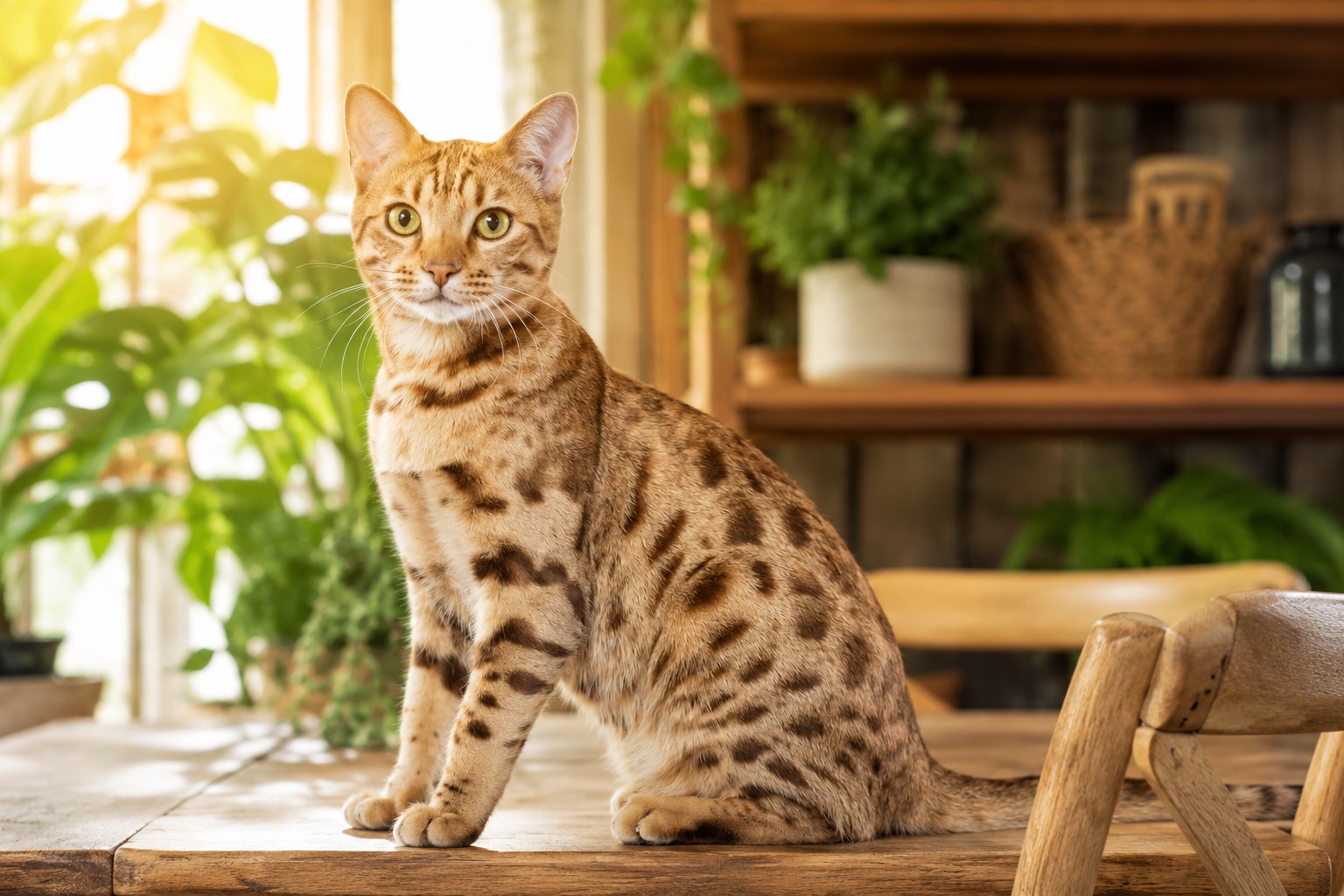

The Ocicat is easily recognized by its muscular body, glossy short coat and clear spotted pattern
Temperament and behavior
Ocicats are very sociable and typically don't tolerate prolonged solitude well. They often follow people around the house, watch everything that happens and want to participate in the family's daily life. This is not a cat for a scenario where the animal spends most of its time lying separately and doesn't need attention.
In temperament, the Ocicat combines friendliness, confidence and high activity. It enjoys playing, responds well to interactive activities, is often not afraid of guests and usually gets along well with other animals. Many owners describe these cats as 'somewhat dog-like' in behavior: they can fetch toys, learn to walk on a leash and are very eager to interact with people.
High intelligence is another important trait of the breed. Ocicats learn quickly, can open doors, find ways to reach high shelves and fairly easily remember household rules. That is why boredom is undesirable for them: without stimulation and interaction, they'll find entertainment themselves.
Housing and space organization
An Ocicat needs a home where it can move, jump and explore. Tall play complexes, sturdy scratching posts, shelves, observation spots and interactive toys are not just a nice addition here, but an important part of the animal's well-being. The breed loves height and thrives in an environment that isn't 'flat' and monotonous.
For families with children, the Ocicat often fits well because it is active, patient and loves play. With other cats and dogs, the breed usually gets along fine too, if introductions happen gradually and the animal has its own resources and space.
- The Ocicat needs movement, height, play and regular interaction with people.
- The breed tolerates boredom and prolonged isolation poorly.
- A well-organized space helps direct energy into safe channels.
Health
Ocicats are considered a generally robust breed, partly due to the genetic diversity of the original lines. But this doesn't mean medical issues can be neglected. The breed has a noted risk of hypertrophic cardiomyopathy, dental and gum problems, and rare cases of kidney amyloidosis.
That is why it's important for the owner to monitor the cat's activity, appetite, breathing, weight and overall endurance. If the Ocicat becomes less willing to jump, tires more quickly, changes behavior or starts eating poorly, it's time not to delay a veterinary check-up.
For this breed, regular veterinary visits, dental preventive care, weight monitoring and a quality diet are important. An active and muscular cat may look strong, but it's basic preventive care that helps maintain that strength long-term.
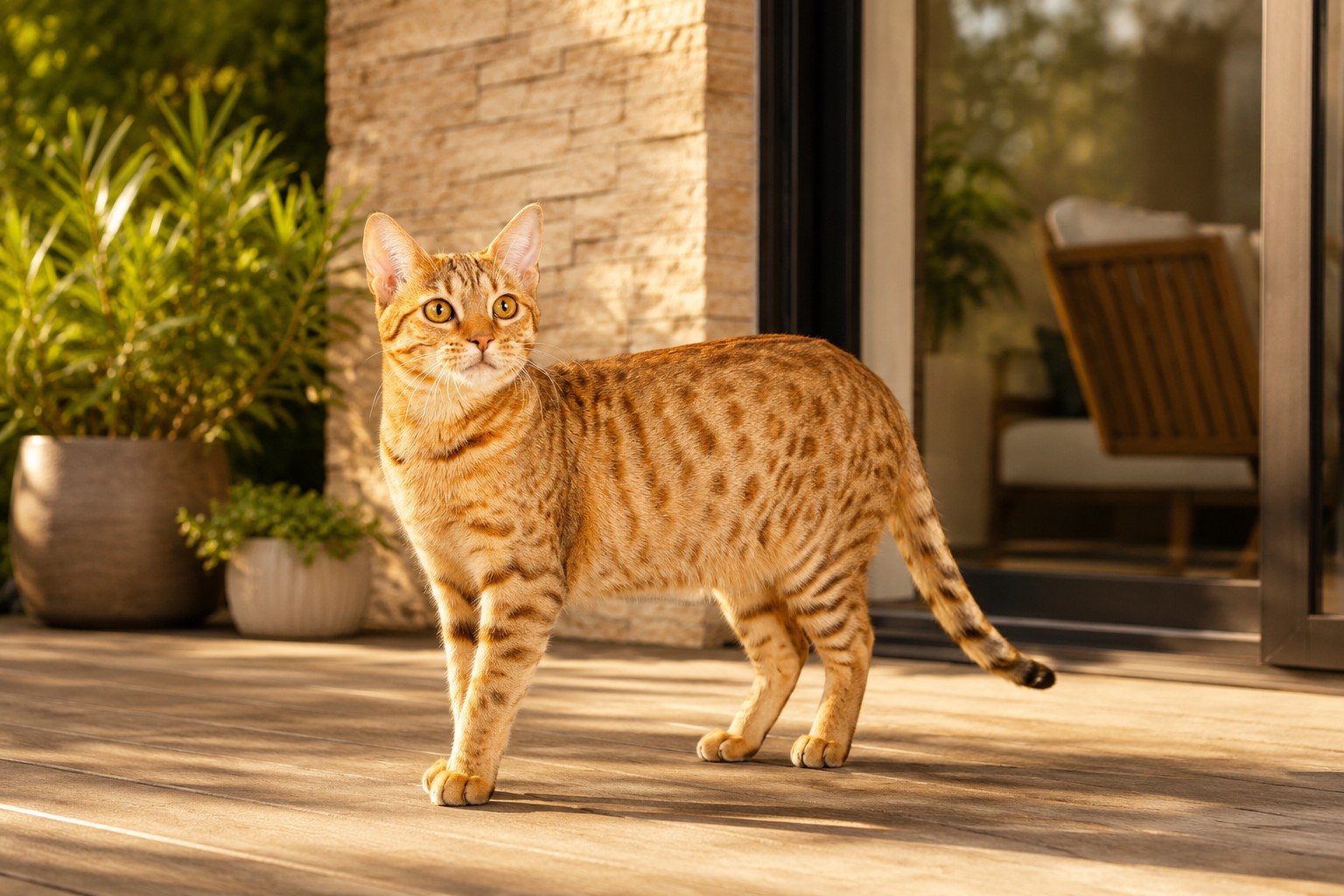
For the Ocicat, the most important things are an active lifestyle, heart and teeth monitoring, and quality daily contact with the family
Housing and care
Grooming an Ocicat is relatively straightforward. In most cases, it's enough to brush the cat once a week with a soft brush or glove, and during shedding season—a bit more often. Owners also sometimes use a soft cloth to enhance the shine of the short coat.
It's much more important not to limit grooming to just the coat. Due to the mentioned risk of gum and tooth problems, the Ocicat needs oral cavity monitoring, as well as routine care of the eyes, ears, and claws. For an active cat, the quality of the home environment also matters: access to movement, sturdy accessories, and interesting play scenarios.
Ocicats respond well to training, so they can often be taught to tolerate many routine procedures more calmly than it might seem at first glance.


Steam massage brush 3 in 1 — 'Avocado' for grooming dogs and cats
Buy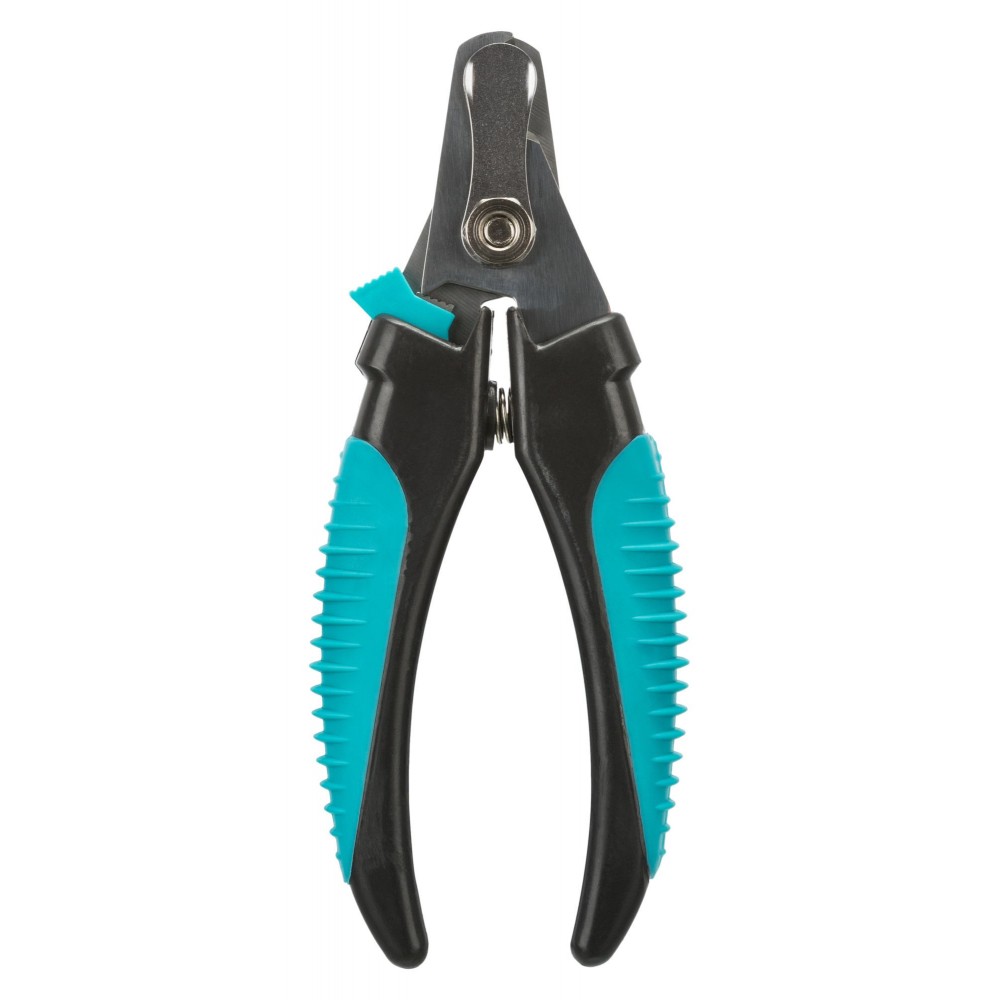
Trixie Luxe — nail clipper for pets, large, 16 cm
Buy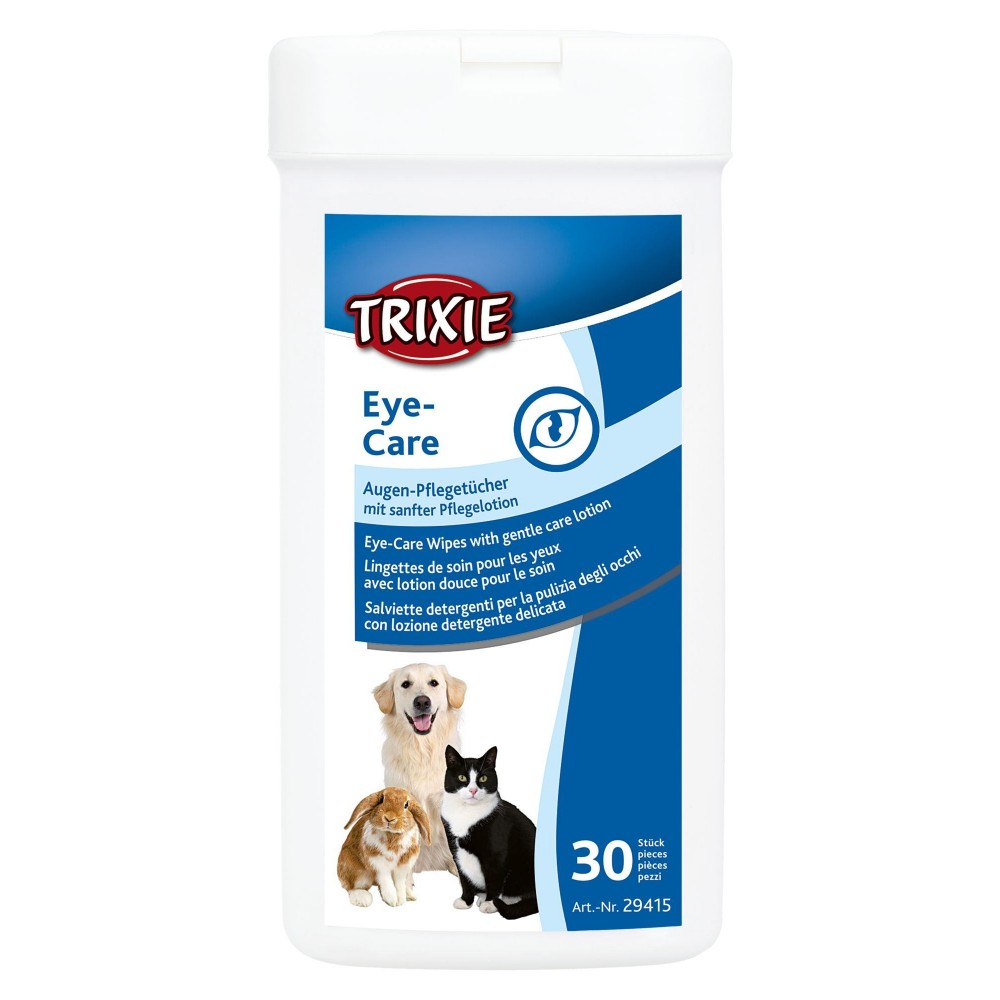
Trixie — eye care wipes for dogs and cats, 30 pcs
Buy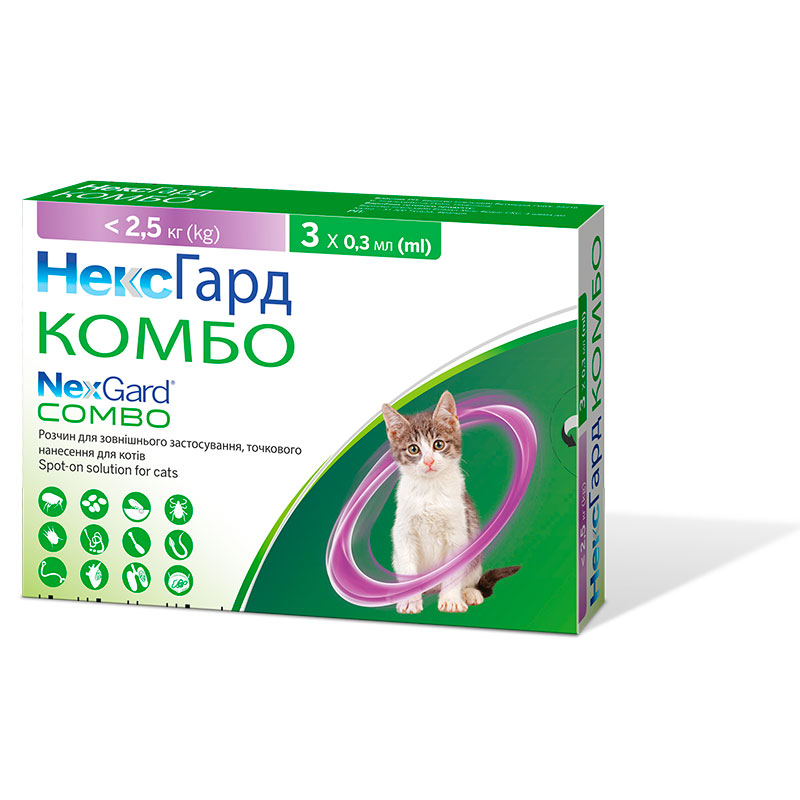
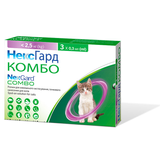
NexGard Combo — antiparasitic drops for the withers against fleas, ticks, and worms for cats
Buy
Nutrition
An Ocicat needs a balanced diet taking into account age, activity level, and overall condition. Kittens need more energy and protein for growth, active adult cats need a nutritious diet to maintain muscle mass and endurance, and sedentary or neutered cats need calorie and weight control.
From a practical standpoint, it's convenient to combine dry food with wet diets and monitor adequate water intake. Due to the high activity level, an Ocicat may seem like it 'burns everything,' but this doesn't eliminate the need for a clear portion size and monitoring body weight.
Appetite, coat condition, energy level, lively interest in play, and stable muscle condition are good home indicators that the diet is chosen correctly.
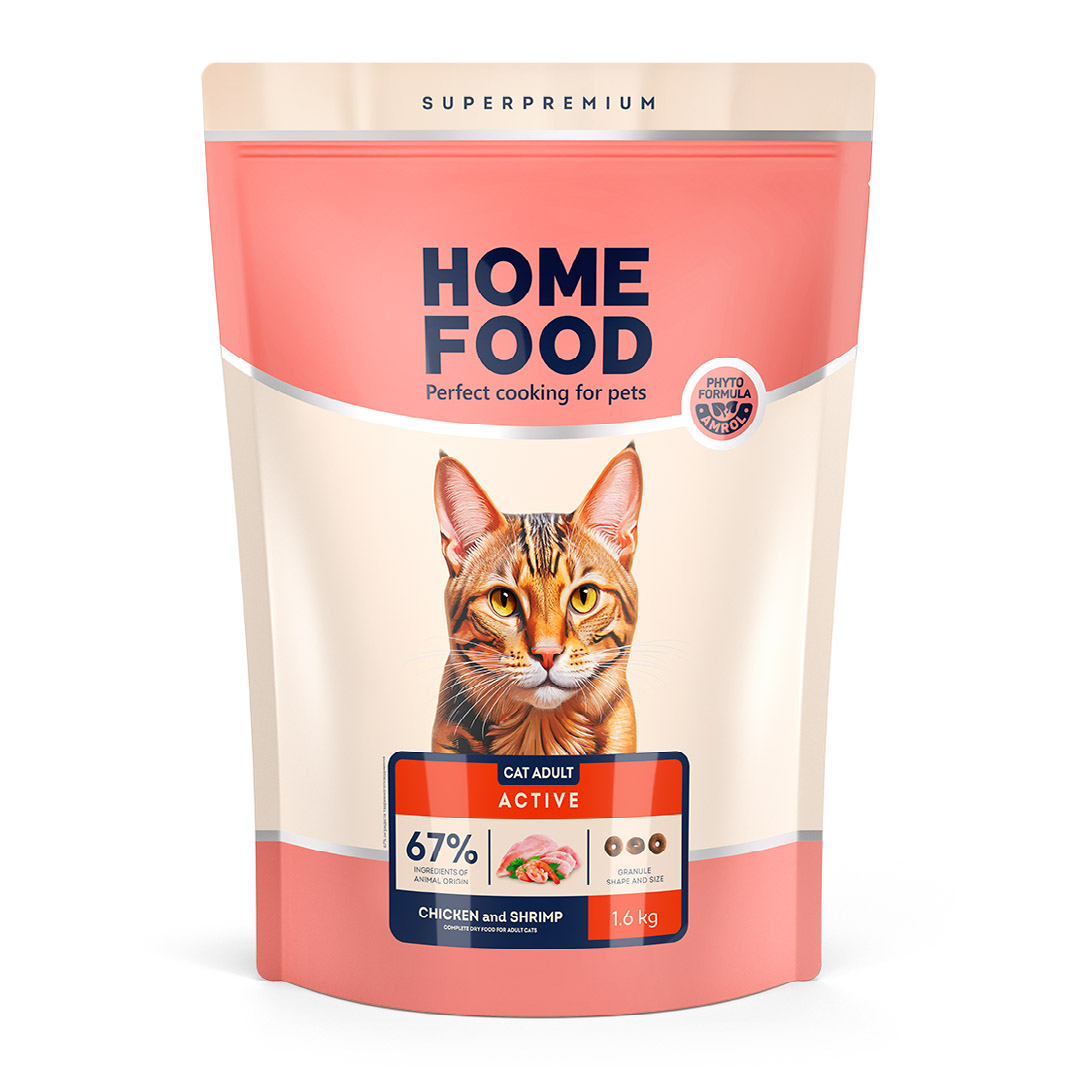
HOME FOOD For active — dry food for active adult cats, chicken and shrimp
Buy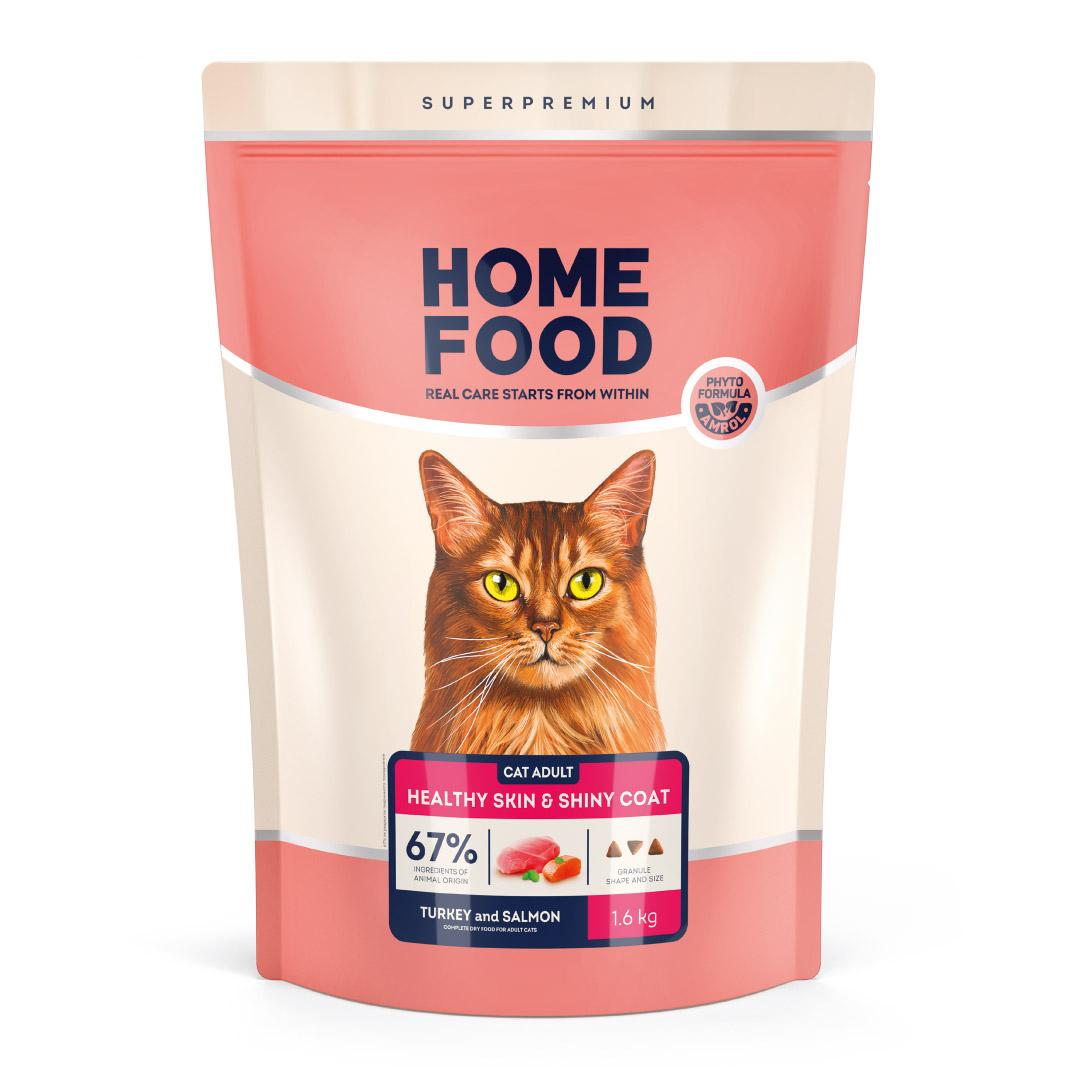
HOME FOOD Healthy skin and shiny coat — dry food for adult cats, turkey and salmon
Buy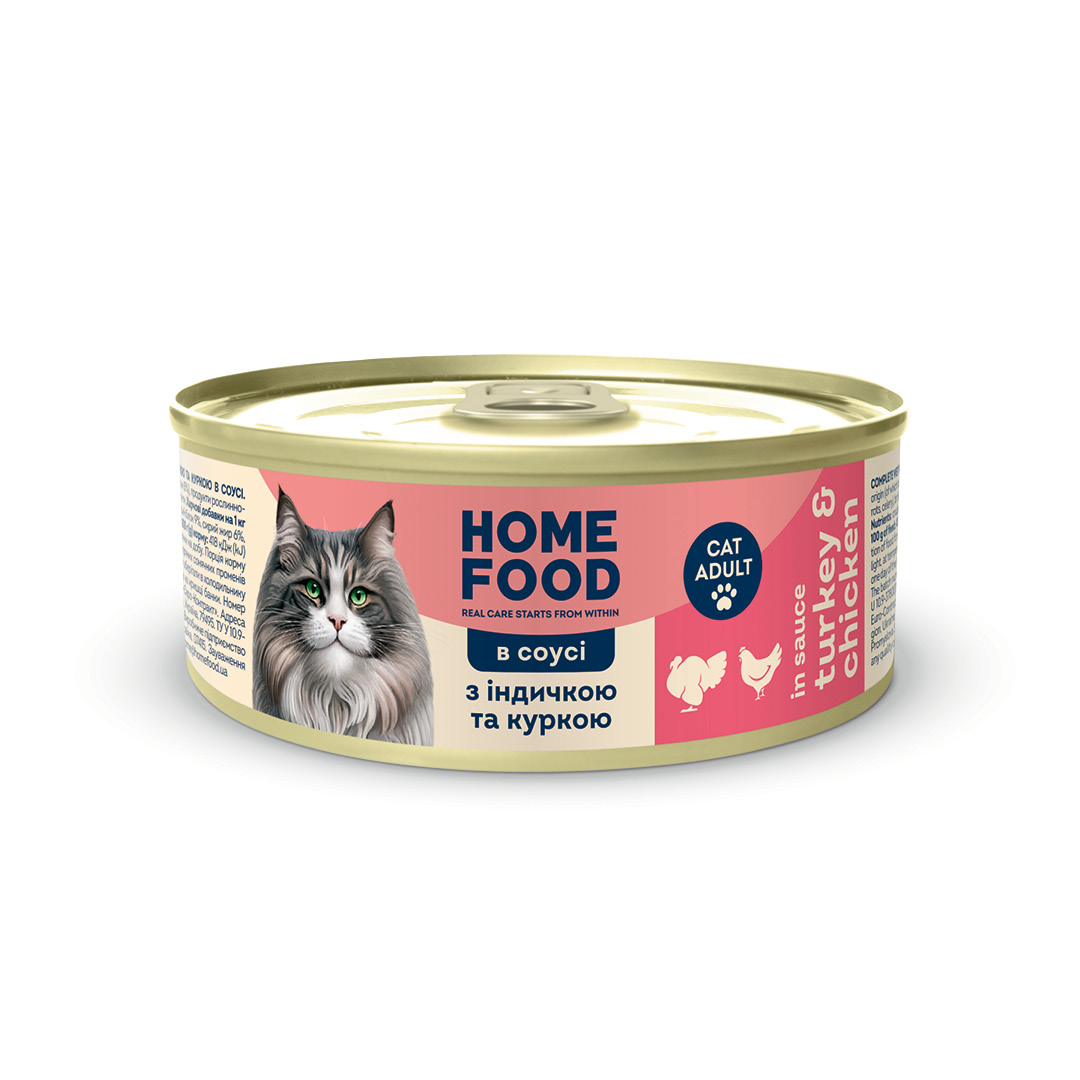
HOME FOOD — complete canned food for adult cats with turkey and chicken in sauce
Buy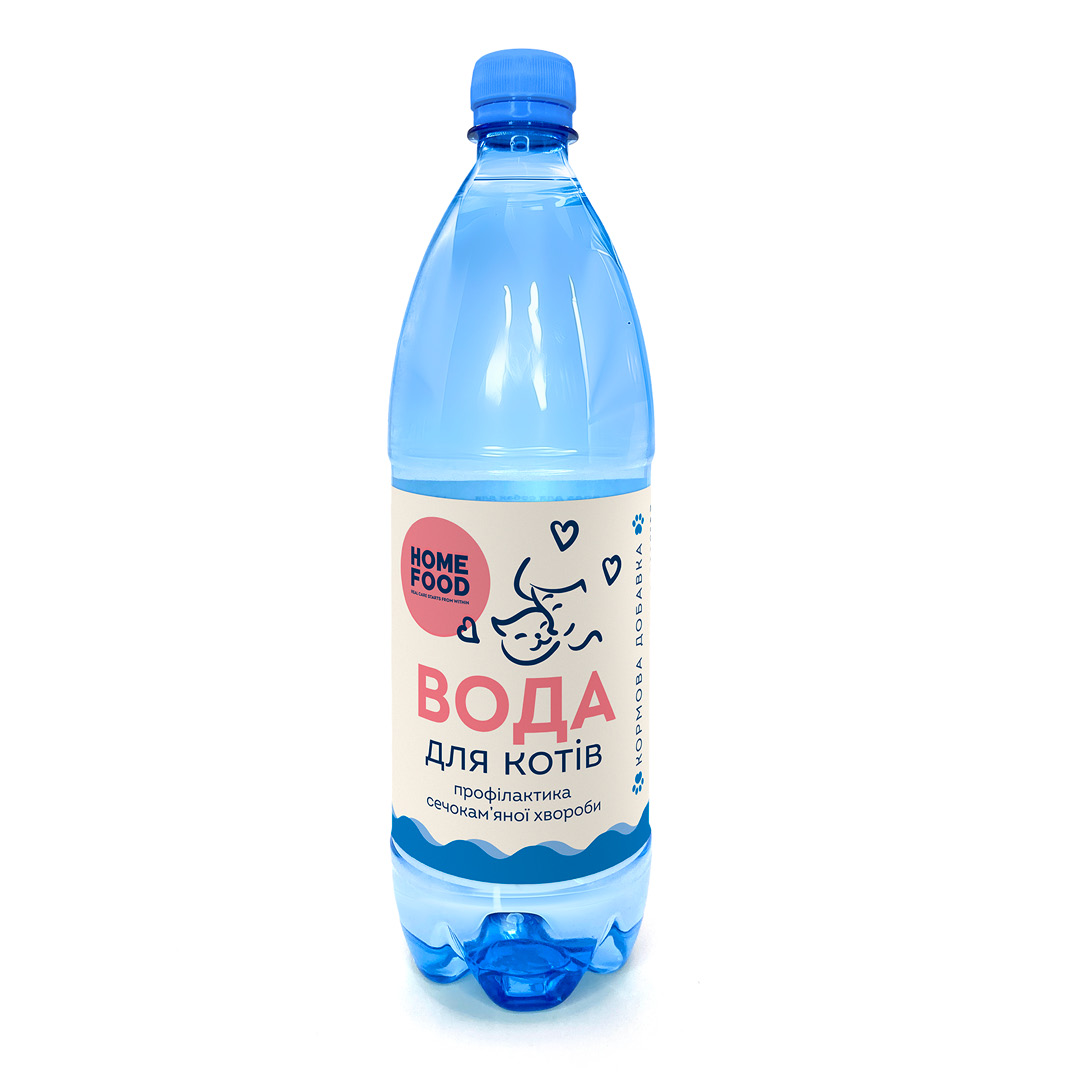
HOME FOOD — drinking water for cats for the prevention of urolithiasis, 1 l
Buy
Pros and cons of the breed
Before choosing an Ocicat, it's important to evaluate not only its exotic appearance but also its high energy level and need for interaction.
- The pros include high intelligence, friendliness, beautiful spotted coat, and good trainability.
- An Ocicat often gets along well with children and other pets.
- The cons include a dislike of solitude, high activity, and the need for constant environmental enrichment.
- The breed is not very suitable for people who want a calm and maximally independent cat.
Similar breeds
The Ocicat is often compared to the Bengal cat or Egyptian Mau because of the spotted coat pattern. But it's important to remember: unlike Bengals, the Ocicat is not a hybrid breed with a wild ancestor in its recent pedigree. Its 'wild' appearance is the result of selective breeding of exclusively domestic cats.
Conclusion
The Ocicat is a combination of striking appearance, strength, intelligence, and a very lively character. It looks exotic, but in behavior is often a tender, cheerful, and extremely engaged family companion.
If you combine quality nutrition, an active lifestyle, an interesting environment, veterinary prevention, and sufficient interaction, the Ocicat can become a true star of the home for many years.