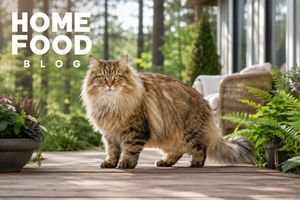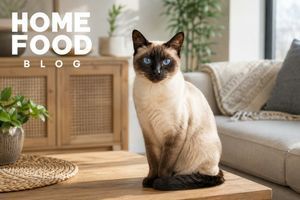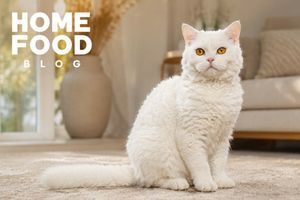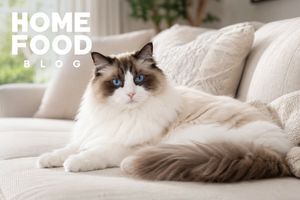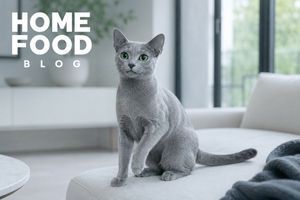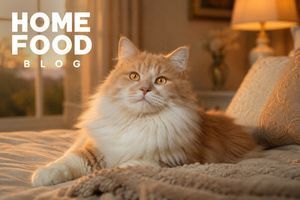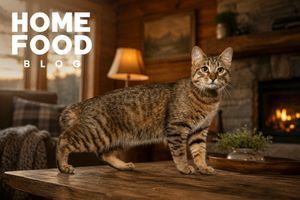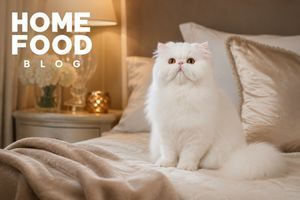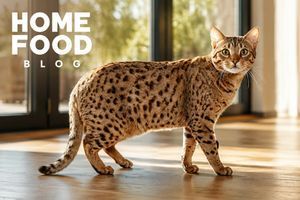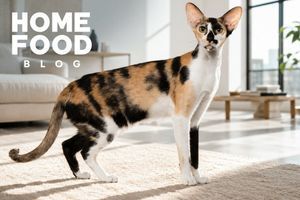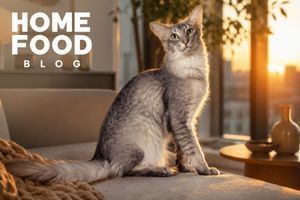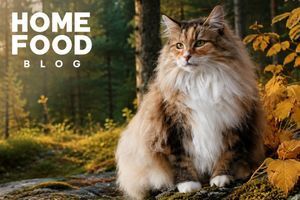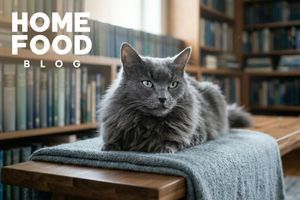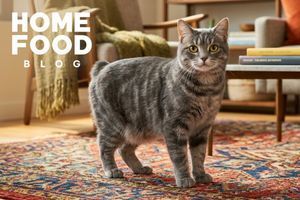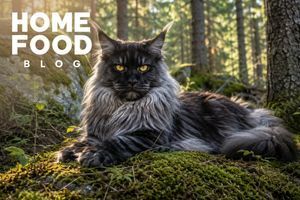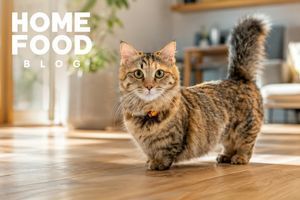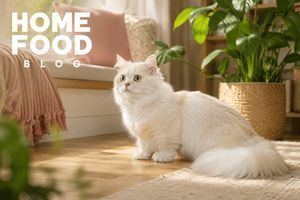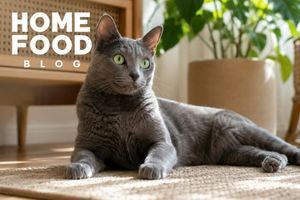
The Highland Straight is a breed in which an elegant appearance is beautifully combined with a gentle and calm nature. Long, silky fur, expressive eyes, and an open gaze make these cats incredibly charming, while their composure, high intelligence, and sincere attachment to people make them wonderful household companions.
Highland Straights adapt well to apartment living and appreciate a predictable, peaceful routine. They do not require constant attention, but they enjoy staying close to their owner and are sensitive to the atmosphere in the home.
Breed overview
| Origin | Great Britain (Scotland), 1970s |
| Other name | Scottish straight-eared long-haired cat |
| Breed type | Semi-long-haired |
| Size and weight | Medium-sized; females weigh 3–3.5 kg and males 4.5–5 kg; height at the withers 27–30 cm |
| Life expectancy | 12–15 years (up to 20 years with good care) |
| Color | Varied: solid, bicolor, colorpoint, marble, mackerel, tortoiseshell, tabby, and calico |
| Coat type | Dense and thick, standing away from the body, with a rich undercoat and a full ruff |
| Temperament | Reserved, unobtrusive, affectionate, peaceful, devoted |
| Grooming | Moderate: regular brushing 2–3 times a week and eye and ear hygiene |
| Best suited for | Families with children, older people, and those who appreciate calm, well-mannered pets |
History and origin
The Highland Straight appeared relatively recently, although its ancestors lived for centuries in the harsh conditions of Scotland, where their thick coat helped them withstand the cold, damp climate. The breed’s history began in the 1970s during selective breeding work with Scottish cats. To strengthen the gene pool and establish the desired traits, breeders used representatives of the British and Persian breeds.
Long-haired, straight-eared kittens were initially regarded as an exception rather than a separate breed. Over time, however, their elegant appearance, calm temperament, and robust health earned well-deserved recognition, and Highland Straights came to be recognized as the long-haired variety of the Scottish Straight. They are not very common, but enthusiasts of Scottish cats value them highly for their combination of beauty, balanced temperament, and good genetic potential.
Appearance
The Highland Straight breed standard combines several distinctive features that make these cats easy to recognize:
- Head: rounded, with smooth lines, prominent cheeks, and a gentle, friendly facial expression.
- Eyes: large, round, and wide-set; their shade harmonizes with the coat color.
- Ears: small and upright, with neatly rounded tips.
- Build: sturdy and well proportioned, with well-developed muscles and neat paws.
- Tail: flexible, medium to long, and evenly covered with long fur.
- Coat: thick, semi-long, and silky, with a dense undercoat, a full ruff around the neck, and characteristic breeches on the hind legs.


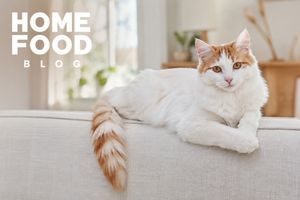
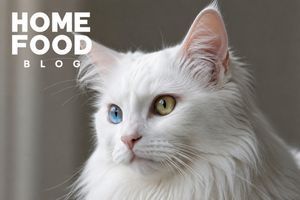
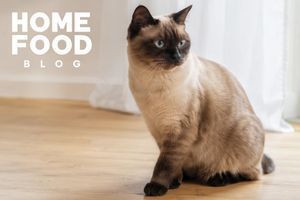
Highland Straights delight not only with their luxurious coat but also with their rich variety of colors
The breed includes both classic solid-colored cats and animals with striking striped patterns, contrasting colorpoints, elegant bicolors, or eye-catching tortoiseshell combinations. Their abundant fur and beautiful round eyes create a distinctive look reminiscent of a soft toy brought to life.
Temperament and behavior
Scottish straight-eared long-haired cats are distinguished by a reserved, refined, and peaceful nature, making them ideal household pets.
Key temperament traits:
- Devotion to one owner: the cat is friendly toward all family members but chooses one primary person to follow with particular affection.
- Reserve and unobtrusiveness: these pets are not prone to loud meowing. Even when hungry, the cat will wait patiently by its bowl.
- Respect for personal boundaries: Highland Straights enjoy affection, but only on mutually agreeable terms, and do not tolerate being forcibly held.
- Sensitivity to stress: members of the breed become strongly attached to their home and familiar routine, so they find moving and loud arguments difficult.
Training and physical activity
Highland Straights are easy to train thanks to their calm temperament and well-developed intelligence. From the kitten’s first days in a new home, it is important to establish a clear routine and introduce the litter box, scratching post, and grooming procedures. If this is done gradually and success is reinforced with affection or favorite treats, the pet will quickly master the necessary skills without unnecessary stress.
When young, members of the breed are very curious and eager to play, so daily physical and mental activity helps them develop harmoniously. With age, usually after two years, Highland Straights become calmer, although they retain their interest in play and interaction with their owner throughout life. Patient and friendly training helps raise a confident, balanced, and sociable cat.
Relationships with children and other pets
The peaceful nature of Highland Straights allows them to get along easily with a wide variety of household members:
- Interaction with children: the cats show restraint and patience, preferring simply to retreat to a safe place during overly noisy play.
- Living with other animals: Scottish cats get along easily with other cats and friendly dogs, avoiding territorial conflicts.
- Reaction to noise: because of their sensitive hearing, these pets dislike loud sounds and shouting and may hide in quiet corners.
This ability to adapt easily allows Highland Straights to become a harmonious part of large, close-knit families.
The cat’s preference for peaceful coexistence creates a special atmosphere of comfort and harmony in the home.
Care and maintenance
The Highland Straight’s long coat requires regular attention, although overall care is not especially difficult. Daily and periodic grooming procedures include:
- Coat care: brush the coat 2–3 times a week with a metal comb and slicker brush, and daily during shedding periods.
- Bathing: bathe the cat once every 3–4 months using specialized shampoos for long-haired breeds.
- Eye and ear hygiene: clean them as needed using specialized veterinary lotions.
- Nail trimming: trim the nails every 3–4 weeks with a suitable nail clipper.
Regular grooming not only maintains the coat’s luxurious appearance but also helps prevent hairballs from forming in the pet’s stomach.

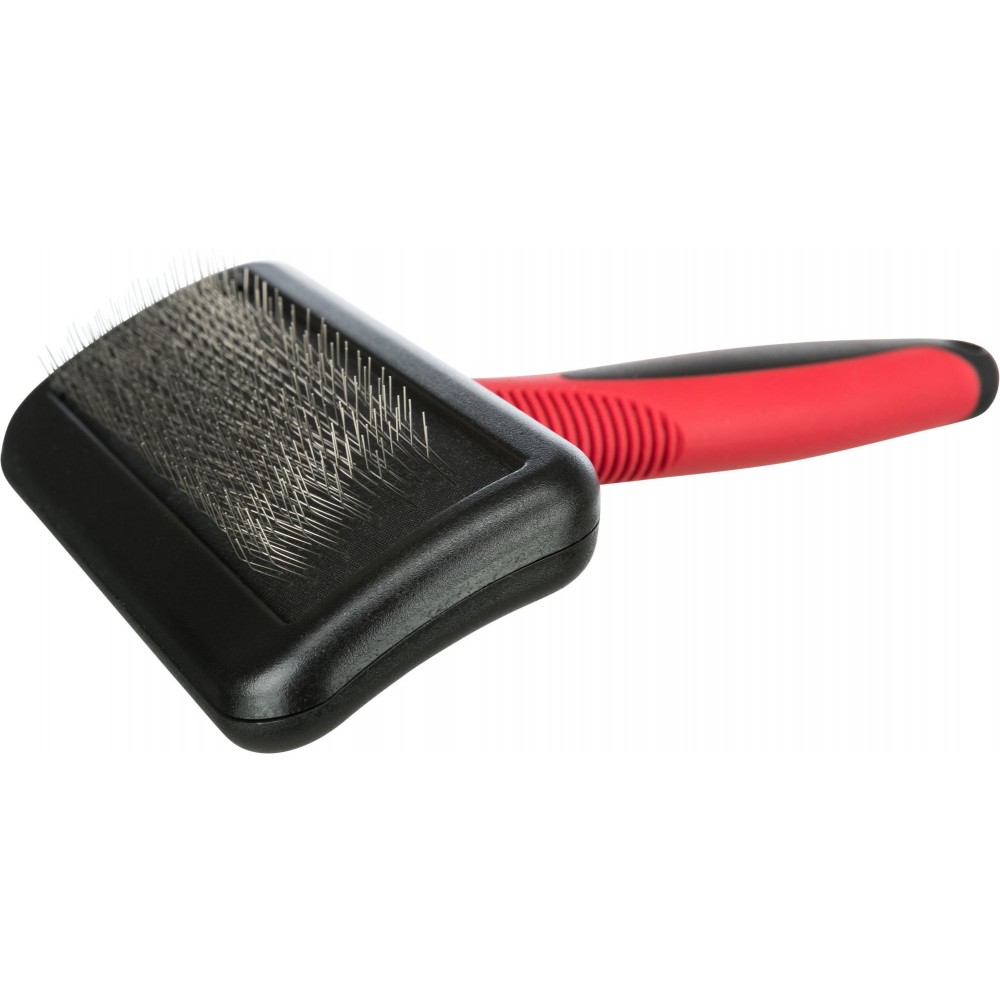
Trixie Soft Brush — slicker brush with soft bristles, 12 × 16 cm
Buy
HOME FOOD Beauty — Silky Touch conditioner for dogs and cats, 200 ml
Buy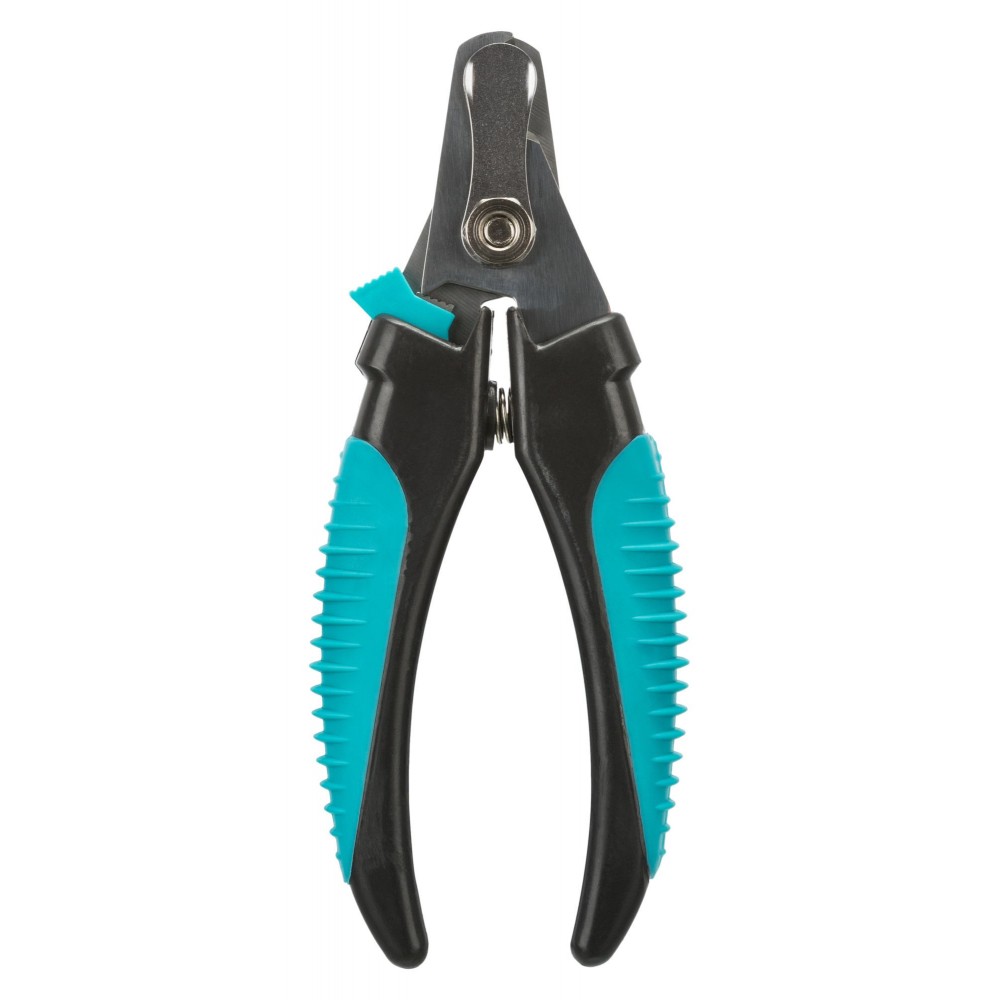
Trixie Luxe — large nail clipper for pets, 16 cm
Buy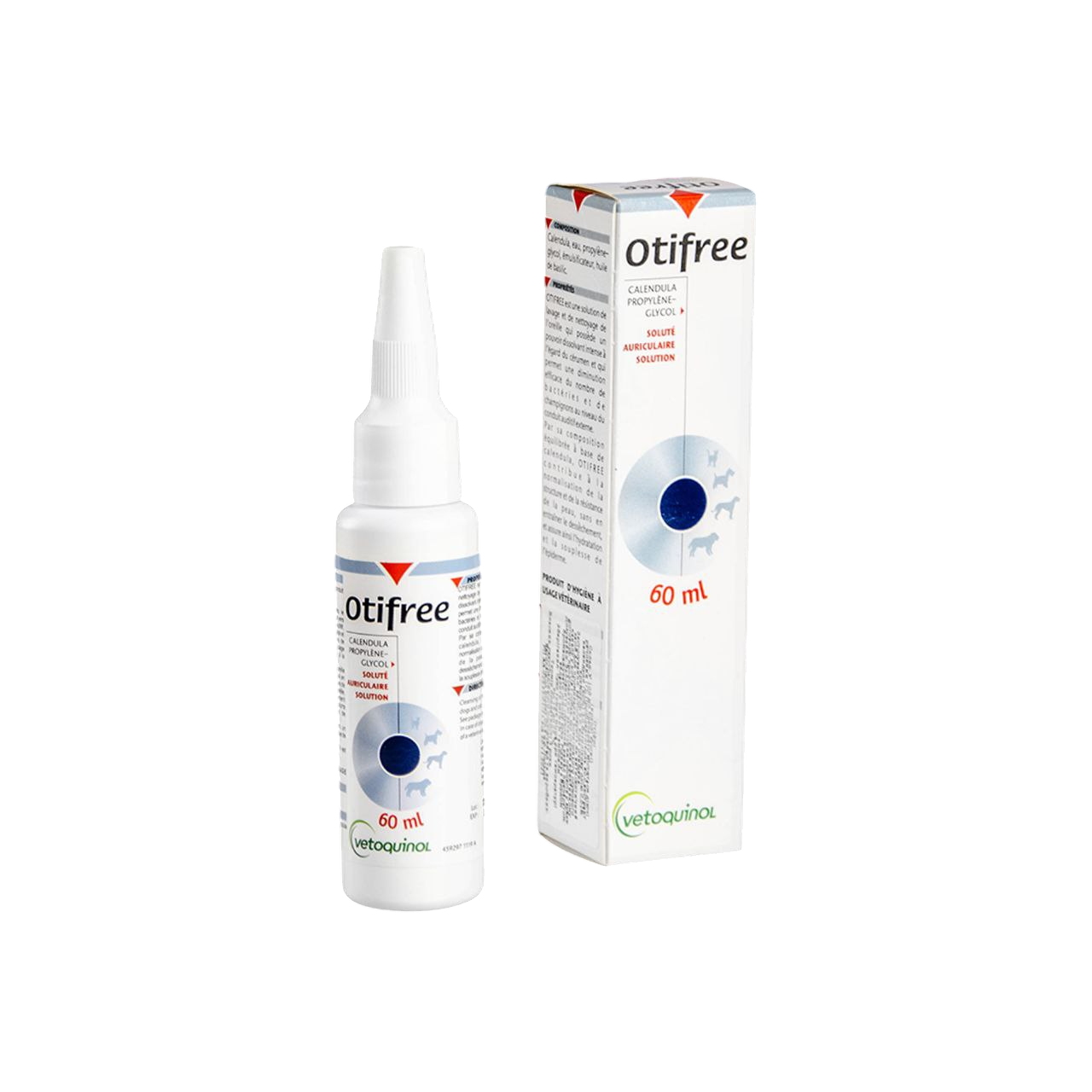
Otifree Vetoquinol — ear cleaner for dogs and cats, 60 ml
Buy
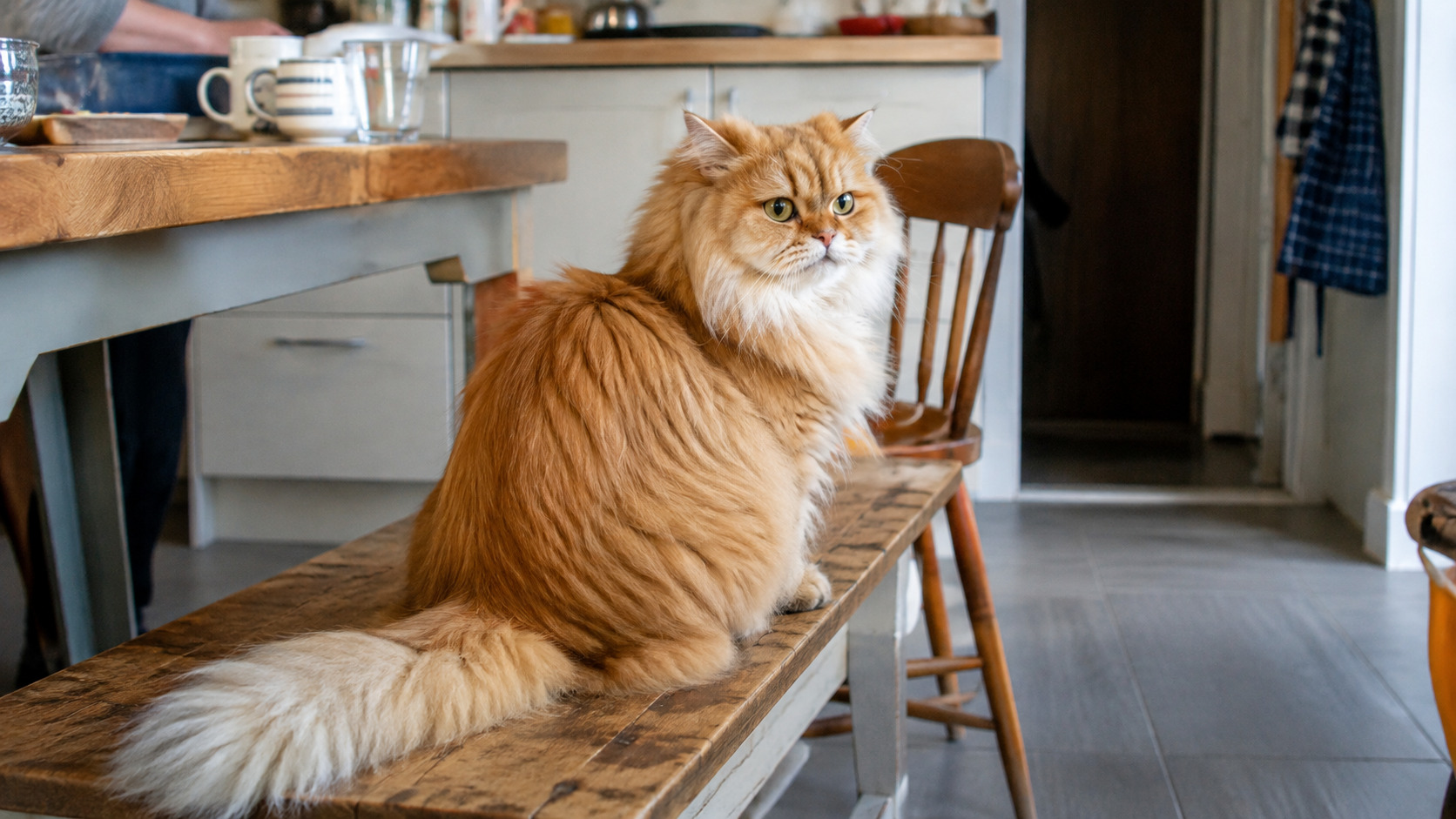
This breed fits easily into the daily lives of many different families
Nutrition
A Highland Straight’s diet affects not only digestion but also coat condition, muscle tone, and overall well-being. Because cats are obligate carnivores, their diet should be based on high-quality animal protein with a complete amino acid profile, including taurine, which is essential for heart and eye health.
Complete premium or super-premium diets formulated for the animal’s age, activity level, and individual needs are considered the best choice. During seasonal shedding, diets or supplements that support the natural passage of swallowed hair through the gastrointestinal tract can be beneficial. It is equally important to provide constant access to fresh drinking water, as adequate fluid intake supports normal kidney function and metabolism.

HOME FOOD Healthy skin and shiny coat — dry food for adult cats, turkey and salmon
Buy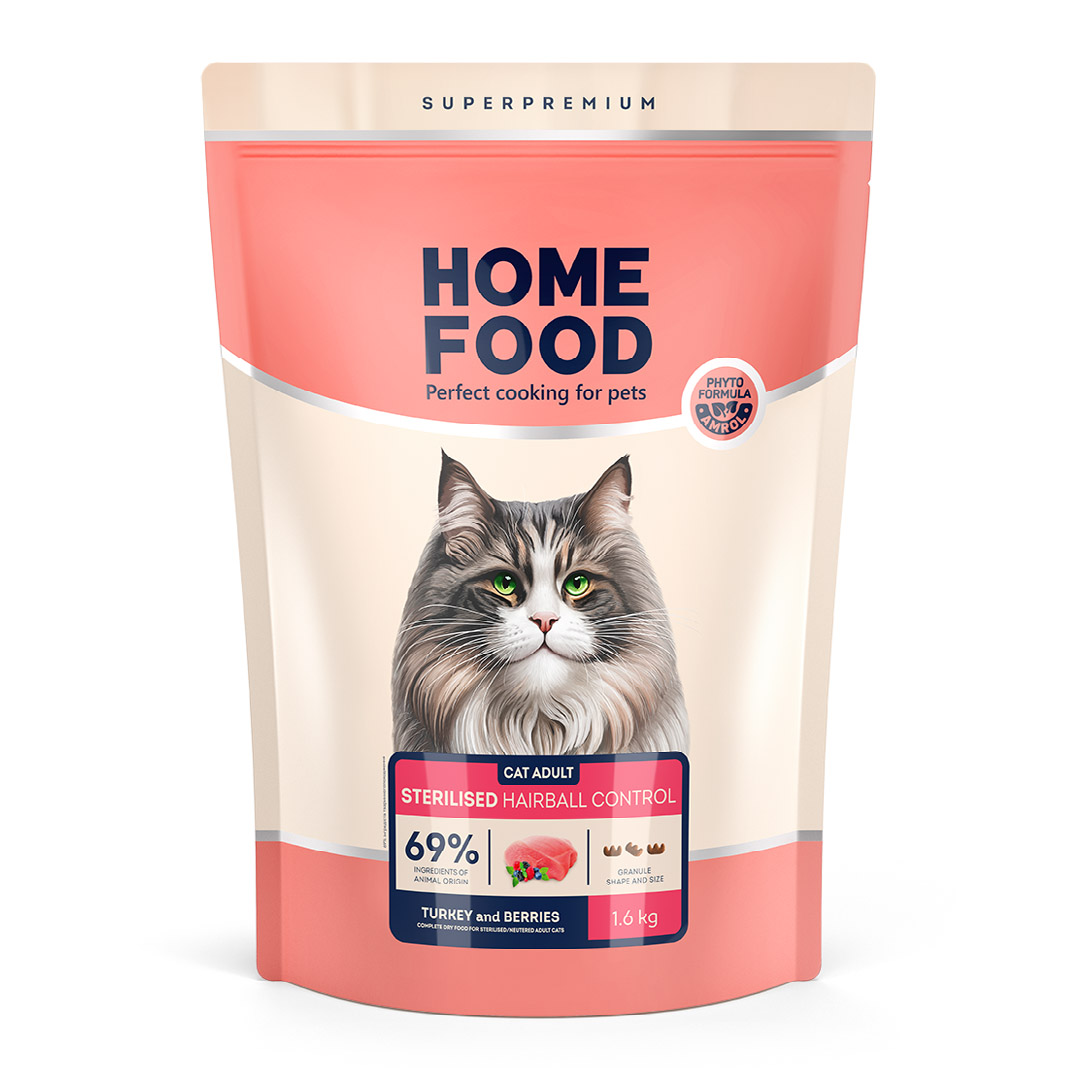
HOME FOOD Hairball control — dry food for hairball control, turkey and berries
Buy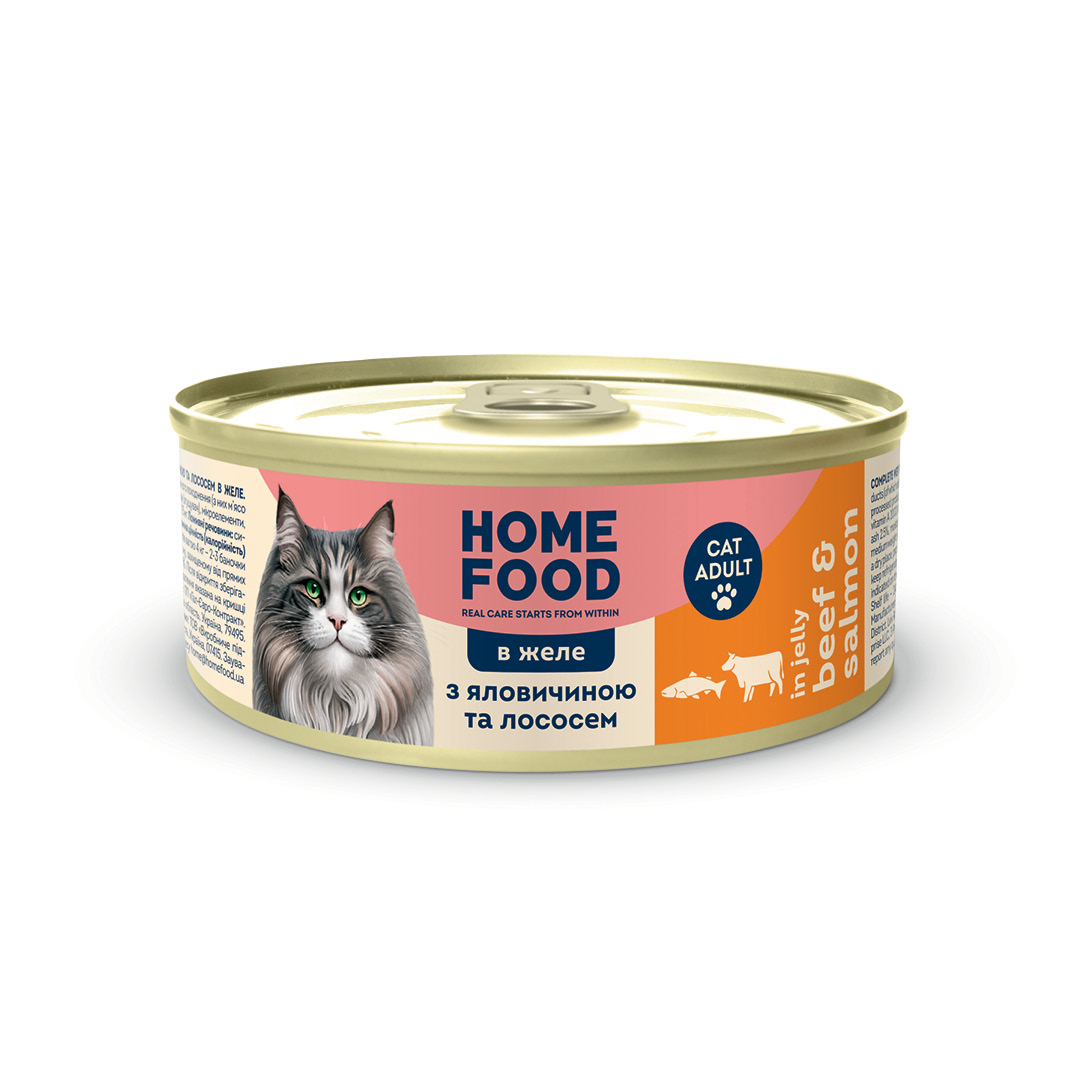
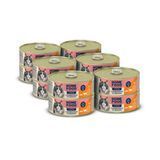
HOME FOOD — complete food for adult cats with beef and salmon in jelly
Buy
HOME FOOD — salmon oil for healthy skin and a glossy coat in dogs and cats, 100 ml
Buy
Health
Highland Straights have strong natural immunity and good health. Their average life expectancy is 12–15 years, although with attentive care they often live for 15–18 years.
However, owners should be aware of the risk of certain conditions:
- Ophthalmic problems: entropion inherited from Persian ancestors occurs occasionally and requires monitoring by a specialist.
- Cardiovascular system: there may be a predisposition to hypertrophic cardiomyopathy, which is diagnosed during a routine ultrasound examination.
- Musculoskeletal system: joint dysplasia may occur, requiring control of physical activity and body weight.
- Tendency to gain weight: the sedentary lifestyle of adult cats requires careful control of dietary calories.
Close attention to the pet’s behavior and regular veterinary visits help prevent the development of most diseases.
Timely preventive care helps maintain the cat’s quality of life at every age.
Pros and cons of the breed
Learning about the breed’s key characteristics helps create an objective picture of a future pet. The clear advantages of Highland Straights include:
- a striking appearance, soft coat, and expressive gaze;
- a calm, well-mannered, and unobtrusive nature;
- high intelligence and an ability to learn household rules easily;
- a peaceful attitude toward children and other pets.
However, prospective owners should also consider certain nuances:
- the need to brush the long coat regularly;
- a tendency toward reduced activity and excess weight gain with age;
- poor tolerance of loud noises and changes in surroundings.
Carefully weighing these factors will help you make a considered and responsible decision before bringing a kitten into your home.
Conclusion
The Highland Straight is an ideal combination of outward beauty, sincere devotion, and a reserved nature. This graceful semi-long-haired cat will become a true adornment to the home, bringing an atmosphere of peace, comfort, and gentle, unobtrusive companionship.