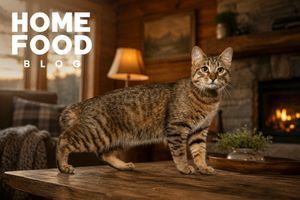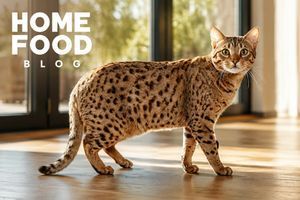
The Toyger is a steadily developing shorthaired cat breed created in the United States in the late 20th century. With their strong, athletic build and distinctive tiger-like coloring, these cats resemble miniature wild predators while retaining a peaceful nature. The breed’s name combines the English words toy and tiger. Toygers are sociable, adapt easily to domestic life, and suit people looking for an active, interactive companion.
Brief breed characteristics
| Origin | United States, 1993 |
| Alternative name | Mini tiger, tiger cat |
| Breed type | Shorthaired, striped (tiger tabby) |
| Size and weight | Large size, weight from 4 to 7 kg, height 30–40 cm |
| Lifespan | 12–18 years |
| Coloring | Distinct dark stripes on a reddish or golden background |
| Coat type | Short, dense, soft, and glossy |
| Character | Affectionate, friendly, sociable |
| Care | Simple |
| Suitable for | People who appreciate rare and exotic breeds |
History of origin
Work on developing the breed began in the United States in the late 1980s under breeder Judy Sugden. The goal was to create a cat with a consistent tiger-like pattern and a friendly nature. In 1993, the breed was officially registered by The International Cat Association (TICA), after which breeders began actively stabilizing its conformation.
Appearance
Toygers have a muscular, elongated body with a broad chest and strong neck. Key conformation features include:
- A medium-sized head with a hexagonal profile and an inverted heart-shaped muzzle. The nose is long and broadens toward the nose leather.
- The eyes are small and deep-set, with yellowish-green irises. The ears are small, with rounded tips.
- The coat is short, soft, and glossy. The hair is slightly longer along the stripes, creating a visual impression of greater density.


Bold dark stripes against a golden background create a tiger-like appearance
Character and behavior
The Toyger’s exotic appearance is paired with a gentle, easygoing nature. These cats quickly adapt to household routines and form strong bonds with their family.
Care
Grooming a Toyger does not take much time because of its short coat.
Basic hygiene requirements:
- Brushing once a week.
- Bathing 2–3 times a year.
- Cleaning the ears and eyes with a damp cotton pad.
Regular basic hygiene helps keep the coat neat and the cat healthy.


AnimAll — foaming shampoo for cats and kittens, 180 ml
Buy
Trixie — oral hygiene kit for cats, toothpaste and brushes, 50 g
Buy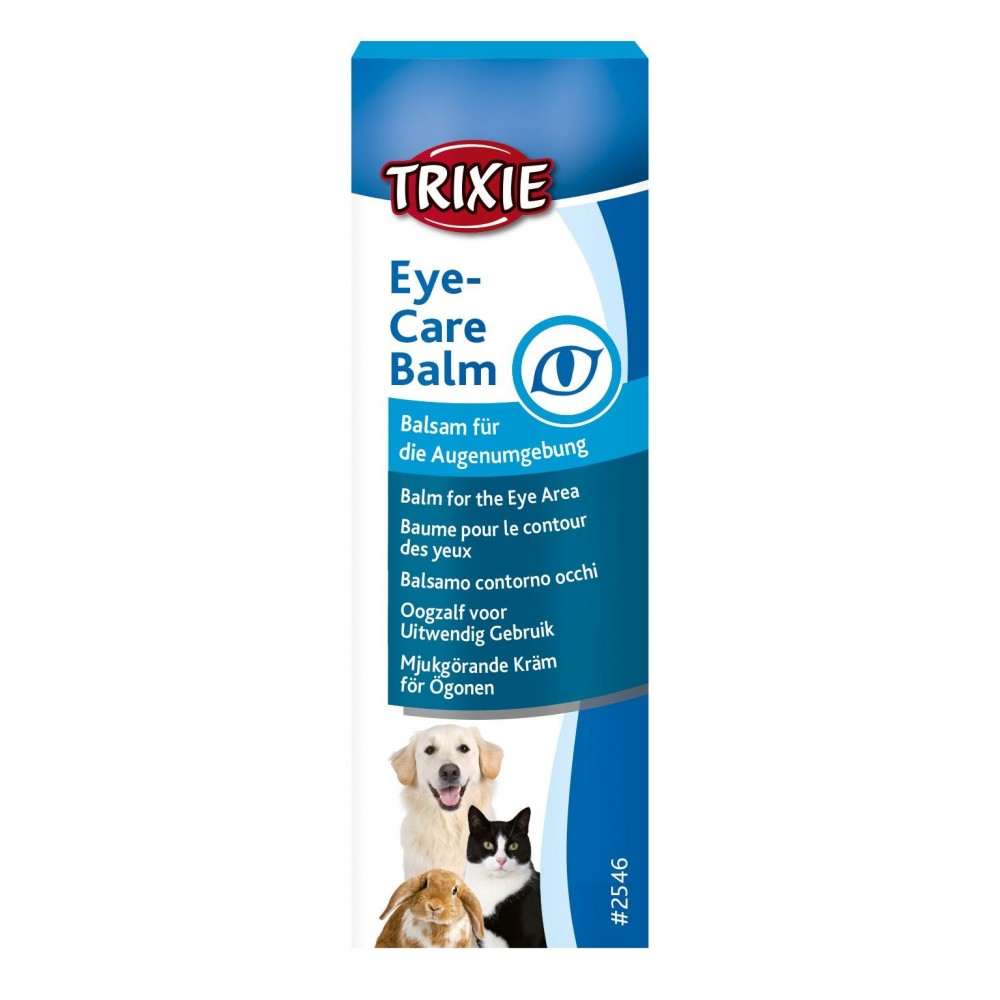
Trixie — eye care lotion for dogs and cats, 50 ml
Buy
Windmill toy for cats
Buy

The breed’s main behavioral traits include friendliness, an even temperament, and high intelligence
Nutrition
An active build and well-developed muscles require a nutritious, balanced diet. Toyger feeding principles include:
- A high protein content in the diet.
- Portion control.
- Maintaining adequate hydration.
High-quality nutrition supports stable muscle tone and an excellent appearance.
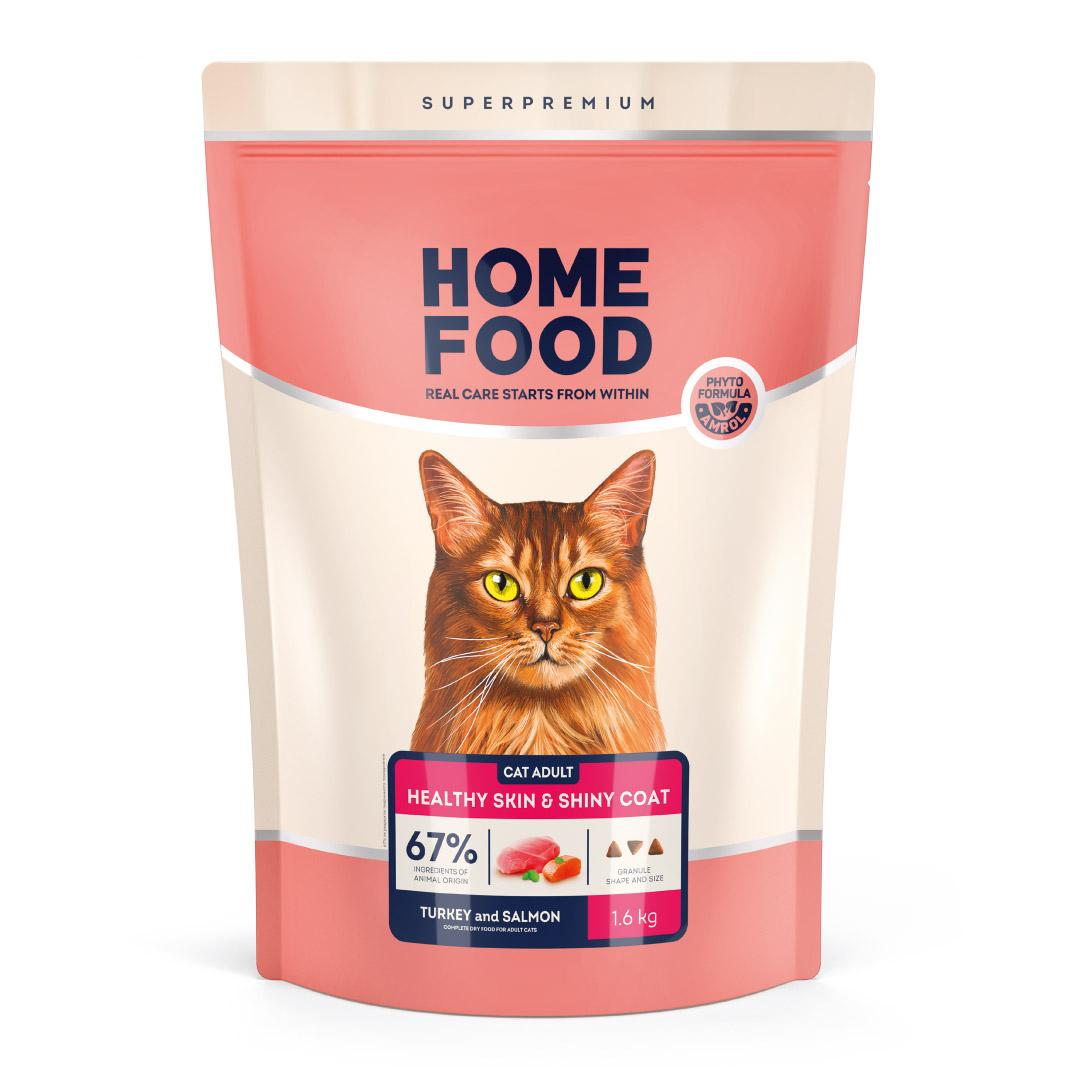
HOME FOOD Healthy skin and shiny coat — dry food for adult cats, turkey and salmon
Buy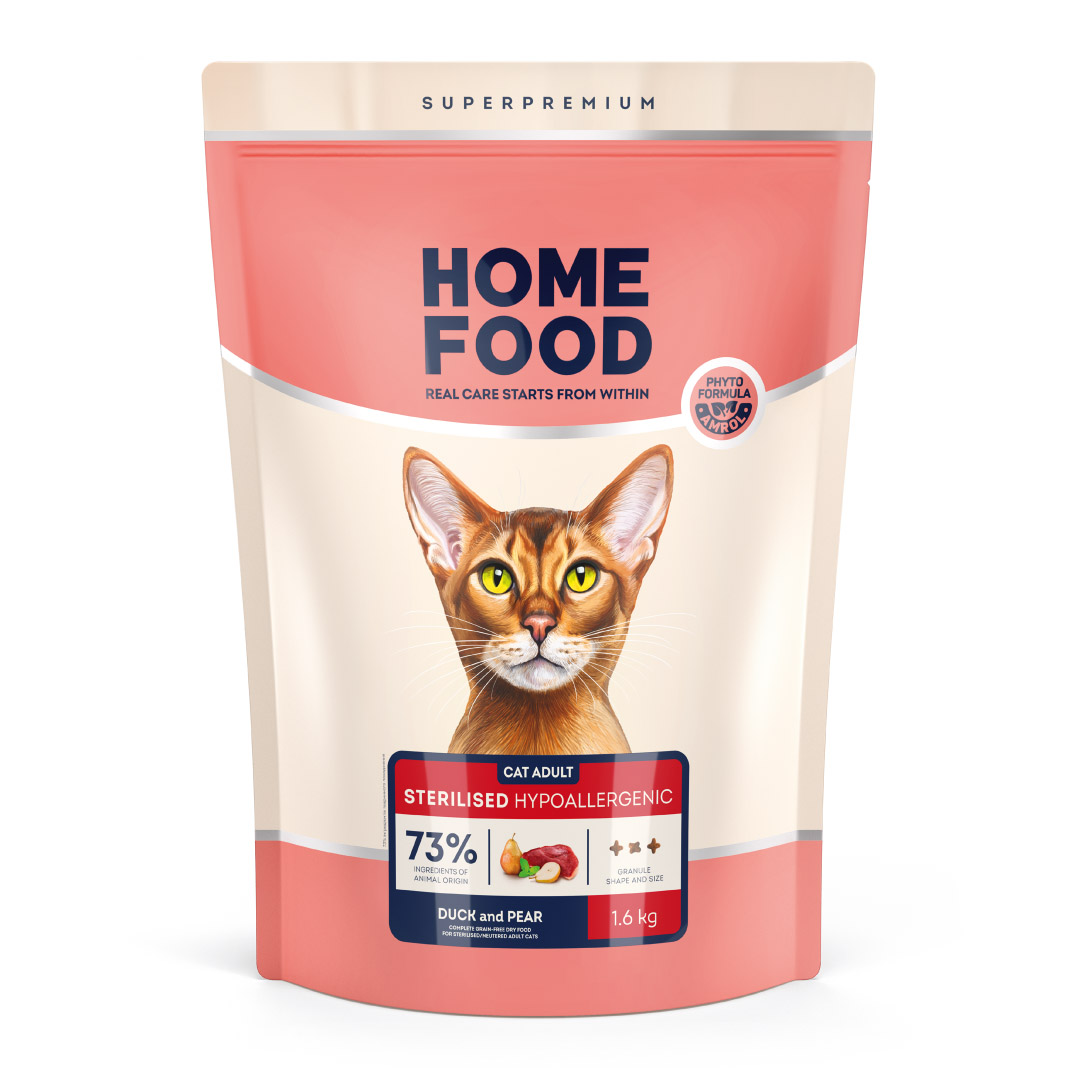
HOME FOOD Grain-free hypoallergenic — dry food for spayed/neutered cats, duck and pear
Buy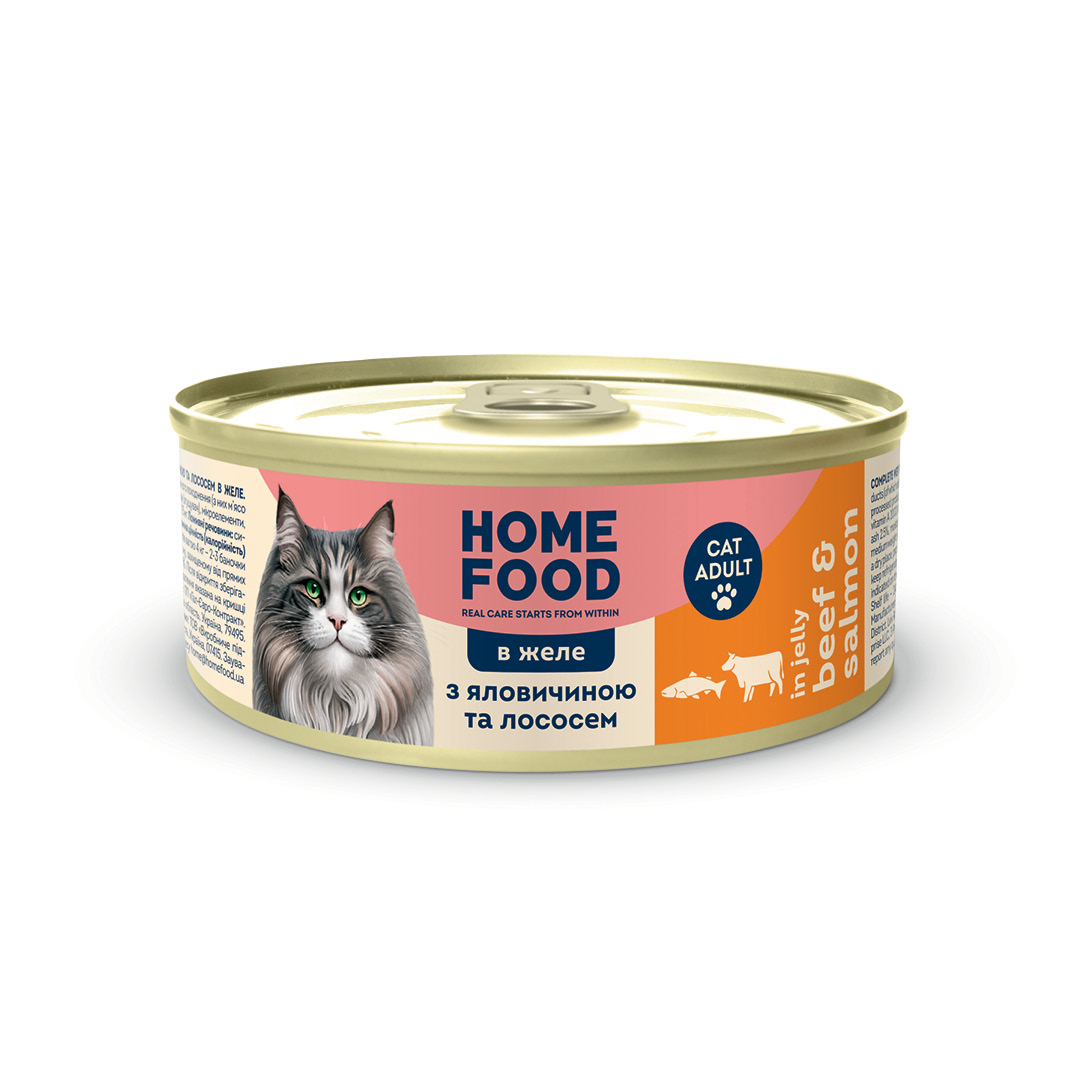
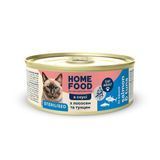
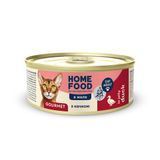
HOME FOOD — complete food for adult cats with beef and salmon in jelly
Buy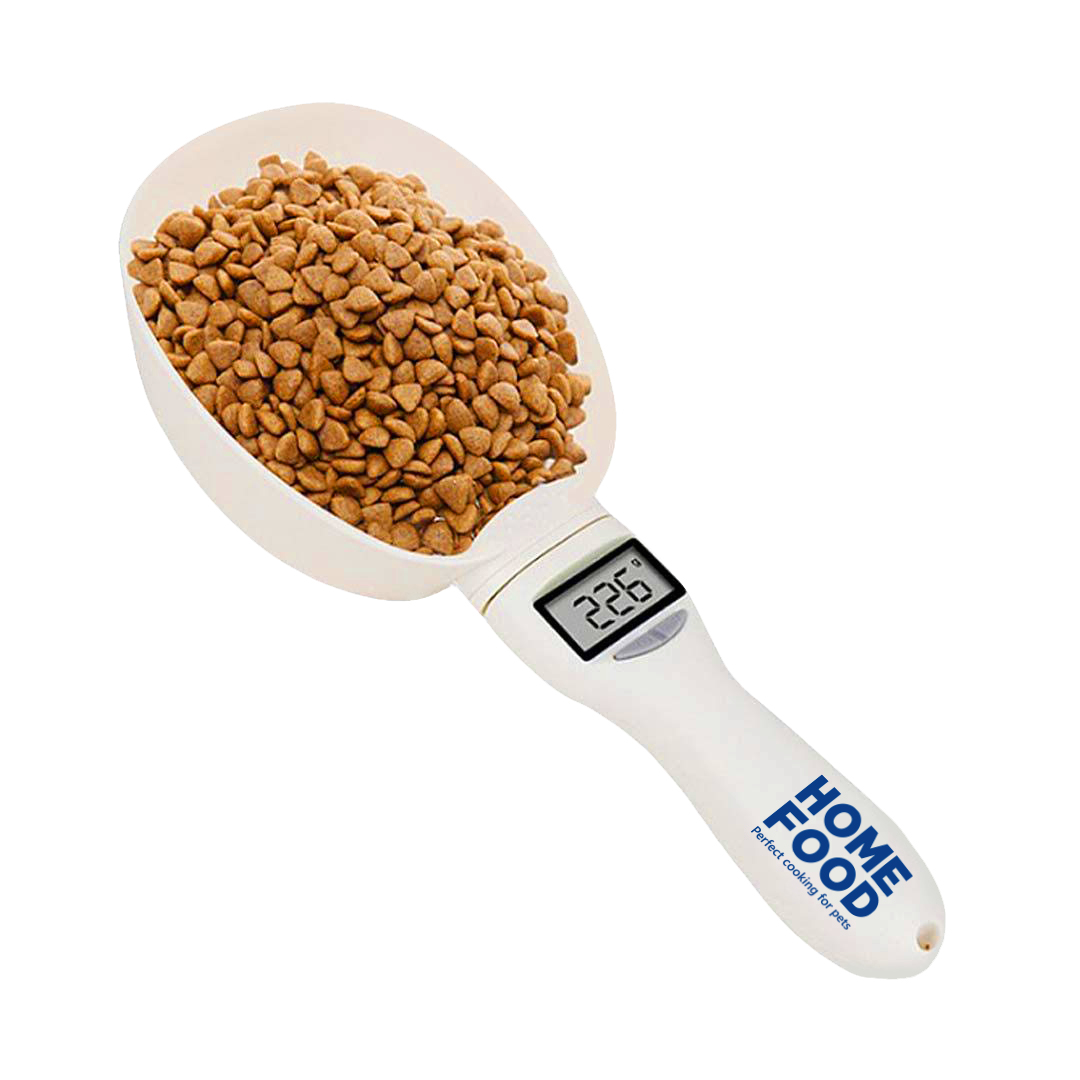
Electronic measuring spoon — for precise food portioning
Buy
Breed pros and cons
Comparing the breed’s characteristics provides a clearer understanding of what caring for this “mini tiger” involves.
Pros:
- an exotic appearance;
- an affectionate nature;
- simple coat care.
Cons:
- the high cost of kittens;
- a need for constant human attention.
Taking these considerations into account will help you make an informed decision when choosing a kitten.
Conclusion
The breed is ideally suited to families that value devotion, a calm nature, and an unusual exotic appearance.