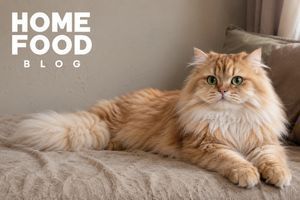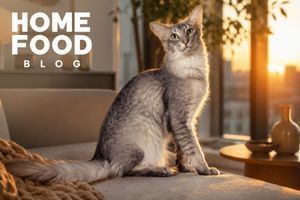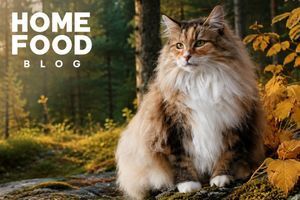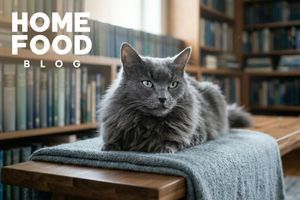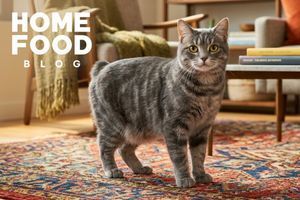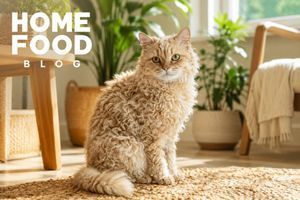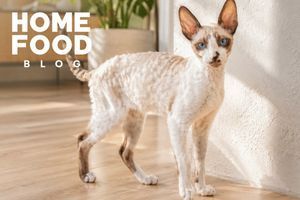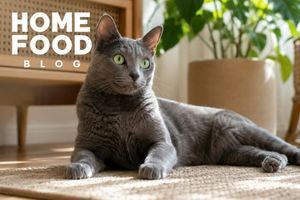
The Turkish Angora is a legendary semi-long-haired cat breed that has captivated the world with its grace, silky coat, and remarkably expressive gaze. With ancient historical roots, these pets combine regal nobility, high intelligence, and sincere affection for people. They become loyal companions who fill the home with harmony and comfort.
Despite its refined appearance, the Angora remains active, curious, and eager to take part in family life. It values its owner’s attention and needs enough space for play and exploration.
Breed overview
| Origin | Turkey (the historic Ankara region), Middle Ages |
| Other name | Angora cat, Ankara kedisi |
| Breed type | Semi-long-haired, with minimal undercoat |
| Size and weight | Medium-sized; females weigh 2.5–3.5 kg, males up to 5 kg; height at the withers 25–35 cm |
| Life expectancy | 15–20 years |
| Colors | Classic white, black, blue, cream, red, smoke, tabby, tortoiseshell, bicolor, calico |
| Coat type | Semi-long, silky, flowing, with virtually no undercoat |
| Temperament | Intelligent, independent, sociable, playful, devoted |
| Grooming | Easy: brushing twice a week and periodic eye and ear hygiene |
| Best suited for | Single people, seniors, families with children, and homes with other pets |
History and origin
The exact period in which the breed developed remains a subject of scientific debate. However, researchers believe that its ancestor was the Caucasian wildcat, which lived in medieval times in what is now Anatolia. The breed received its official name in honor of the ancient Turkish city of Ankara.
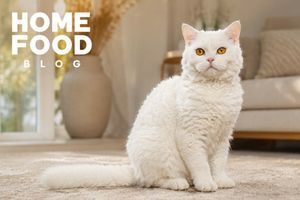
Snow-white cats with heterochromia held a special status in Turkish culture. In these cats, one eye is blue while the other is yellow or amber. This appearance was considered a sign of the highest blessing, so only members of the upper nobility could afford to keep such pets. To this day, odd-eyed cats enjoy exceptional privileges in Turkey, including free access to religious buildings.
These graceful cats appeared in European countries in the 17th century thanks to travelers and aristocrats. They quickly won the favor of monarchs and artists, becoming favorites of the French and broader European elite. In the 19th century, the cats reached the American continent, where they were used mainly to improve the conformation of the Persian breed for a long time.
Appearance
The Turkish Angora embodies natural elegance, with a refined bone structure, flexible body, and lean musculature.
Key conformation standards include the following traits:
- Head and profile: a flat forehead with a gentle transition to a straight, neat nose, high cheekbones, and a refined, tapering muzzle.
- Eyes: large, expressive, almond-shaped or rounded, and set at a slight slant. Iris color ranges from blue and green to deep yellow, and heterochromia is common.
- Ears: large, pointed, and set high on the head, with abundant inner furnishings and delicate tufts.
- Body and limbs: a lean, elongated body with a slightly raised croup. The bone structure is fine, the legs are tall and straight, with small tufts of hair between the toes.
- Tail: very long, resembling an ostrich feather, covered with thick, long hair and tapering toward the tip.
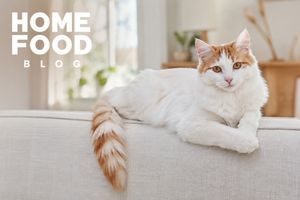
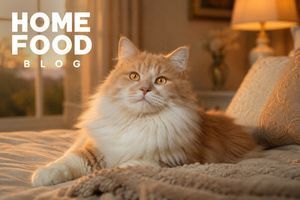
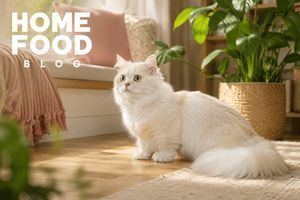
- Coat: silky, semi-long guard hair with virtually no undercoat. A full ruff forms around the neck, while distinctive “breeches” develop on the hind legs.
Thanks to this variety, everyone can find a pet whose appearance appeals to them.


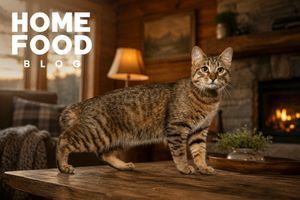
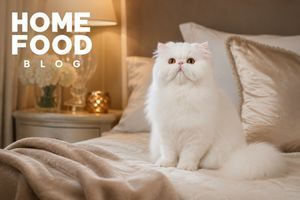
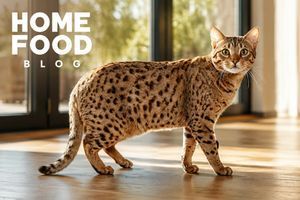
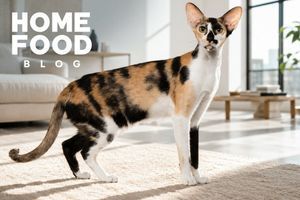
The breed comes in a wide variety of colors: from classic white, black, blue, cream, and red to striking smoke, tabby, tortoiseshell, and bicolor varieties
Temperament and behavior
Members of the breed display pronounced intelligence, an independent nature, and a high degree of emotional attachment to people.
Their main psychological traits include:
- Moderate independence: the cat has a strong sense of dignity and protects its personal boundaries while avoiding aggressive behavior.
- High trainability: these pets easily learn household rules, can open doors, and master simple actions.
- Sociability: Angoras use a wide range of soft, throaty sounds to communicate, preferring a quiet “dialogue” to loud meowing.
- Selective attachment: after choosing one primary owner, the cat maintains a close emotional bond with that person throughout its life.
Behavior at home
Angora cats display high physical activity and well-developed hunting skills. They love active games, stalking toy mice, and jumping onto high surfaces.
Important aspects of arranging the home include:
- Play space: these pets need enough room to run to reduce the chance of accidentally knocking over household items.
- Elevated spots: multi-level play structures allow the cat to satisfy its need to observe the home from above.
- Attitude toward water: many members of the breed show an interest in water and enjoy watching a stream of water or swimming.
Creating a comfortable environment helps channel the cat’s natural energy in a safe and constructive direction.
Relationships with children and other pets
Angora cats are peaceful and easily get along with family members of different ages as well as with larger pets.
When arranging for pets and people to live together, consider the following:
- Interaction with children: these pets willingly join shared games if the child behaves gently and does not restrict the cat’s freedom.
- Living with dogs and cats: Angoras easily establish neutral or friendly relationships with other four-legged members of the household.
- Hunting instinct: small rodents, birds, and aquarium animals should be kept separate from the cat.
Its friendly nature makes the Angora an excellent family pet, provided its natural needs are respected.
Care
Because it lacks a dense undercoat, the Angora’s luxurious coat is not prone to matting and does not require labor-intensive care.
A daily and periodic care routine includes:
- Brushing: keep the coat texture in ideal condition by brushing it twice a week with a metal comb.
- Bathing: snow-white cats are bathed once every 2–3 months, while cats of other colors are bathed less often.
- Ear, eye, and dental hygiene: clean the ear canals and corners of the eyes weekly using a special lotion.
- Claw care: providing scratching posts and periodically trimming the tips of the claws ensures the cat’s comfort and helps protect furniture.
Regular basic hygiene keeps the pet looking impeccable and helps prevent dermatological problems.


Foldable brush — for long-haired cats
Buy
DermaBona ProbioDay Bright White — shampoo for white-coated dog and cat breeds, 250 ml
Buy
Trixie — toothbrushes for cats and small dogs, 15 cm
Buy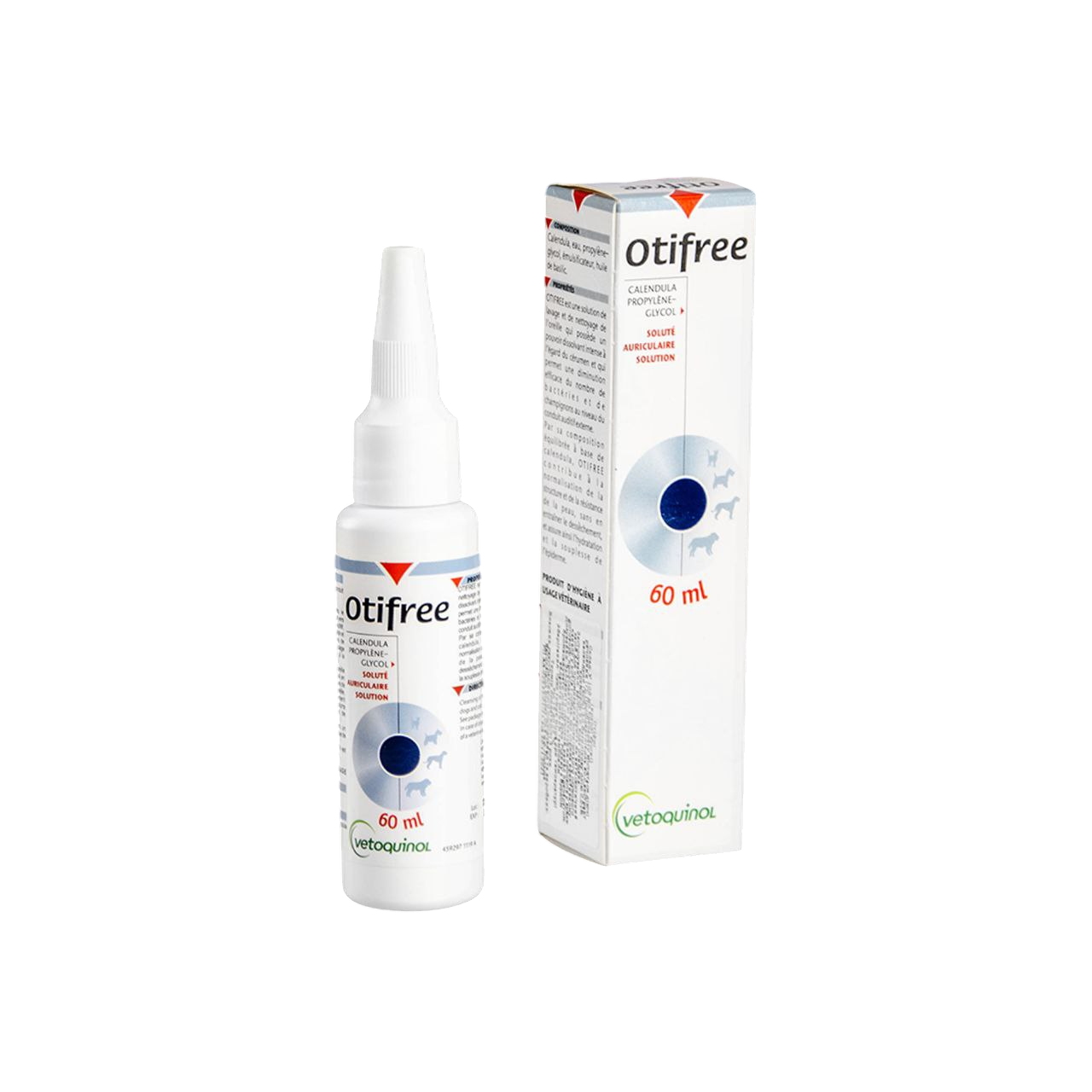
Otifree Vetoquinol — ear cleaner for dogs and cats, 60 ml
Buy
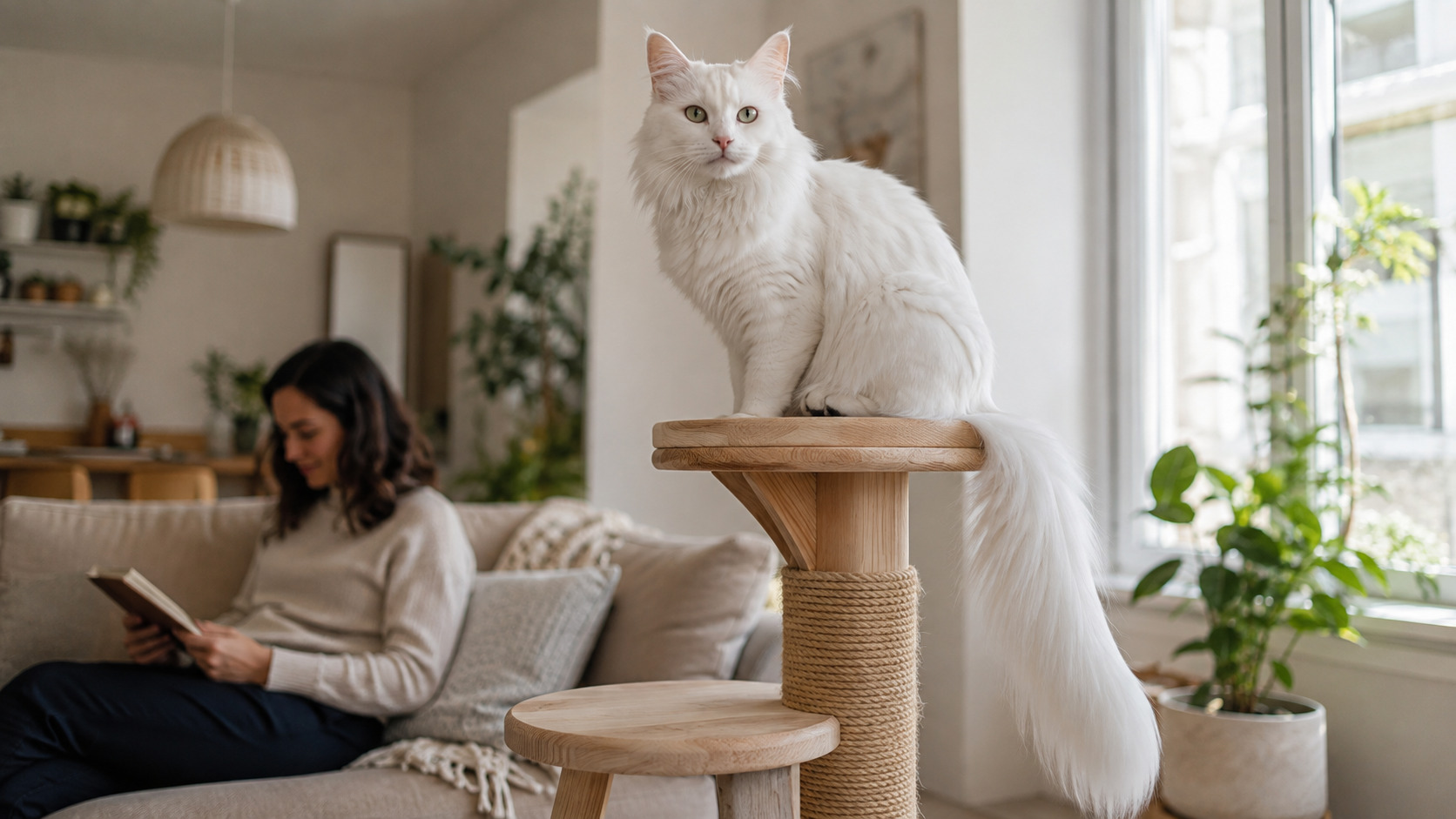
Deep intelligence and understated grace allow these cats to become loyal companions for people who value mutual respect
Nutrition
The Turkish Angora’s digestive system is relatively undemanding, but maintaining a silky coat and high activity level requires a balanced nutrient profile.
The main principles of planning the diet are:
- Nutrient balance: the diet should contain a high percentage of easily digestible animal protein, amino acids, and vitamins.
- Coat support: omega-3 and omega-6 fatty acids help preserve the shine of the guard hairs and support healthy skin.
- Limiting coloring components: snow-white cats should not be given foods high in iodine and carotene to avoid yellowing of the coat.
- Excluding harmful foods: spices, salt, smoked foods, and fried or fatty foods are strictly prohibited.
A properly organized diet is one of the main factors in preserving your pet’s health, beauty, and energy.
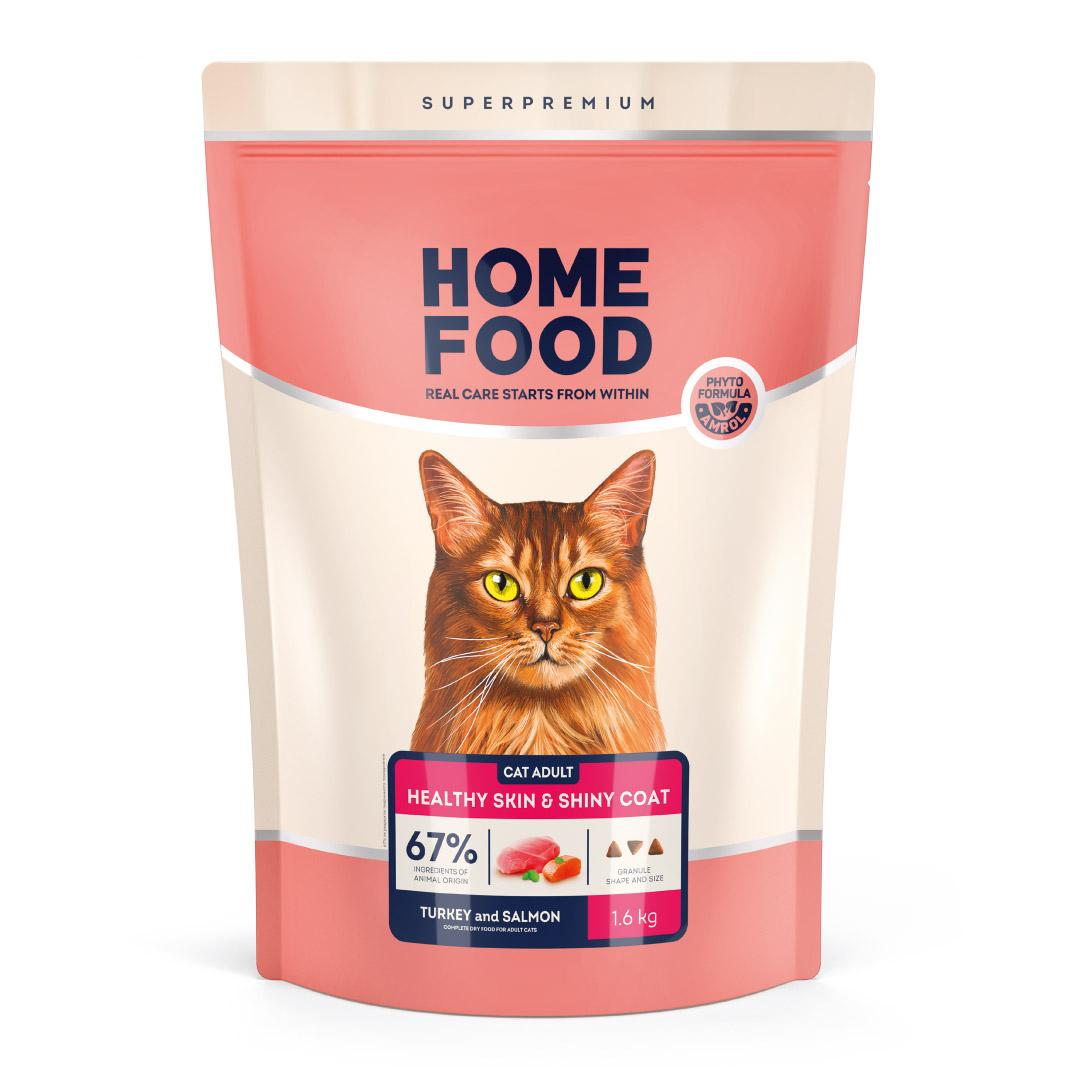
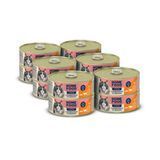
HOME FOOD Healthy skin and shiny coat — dry food for adult cats, turkey and salmon
Buy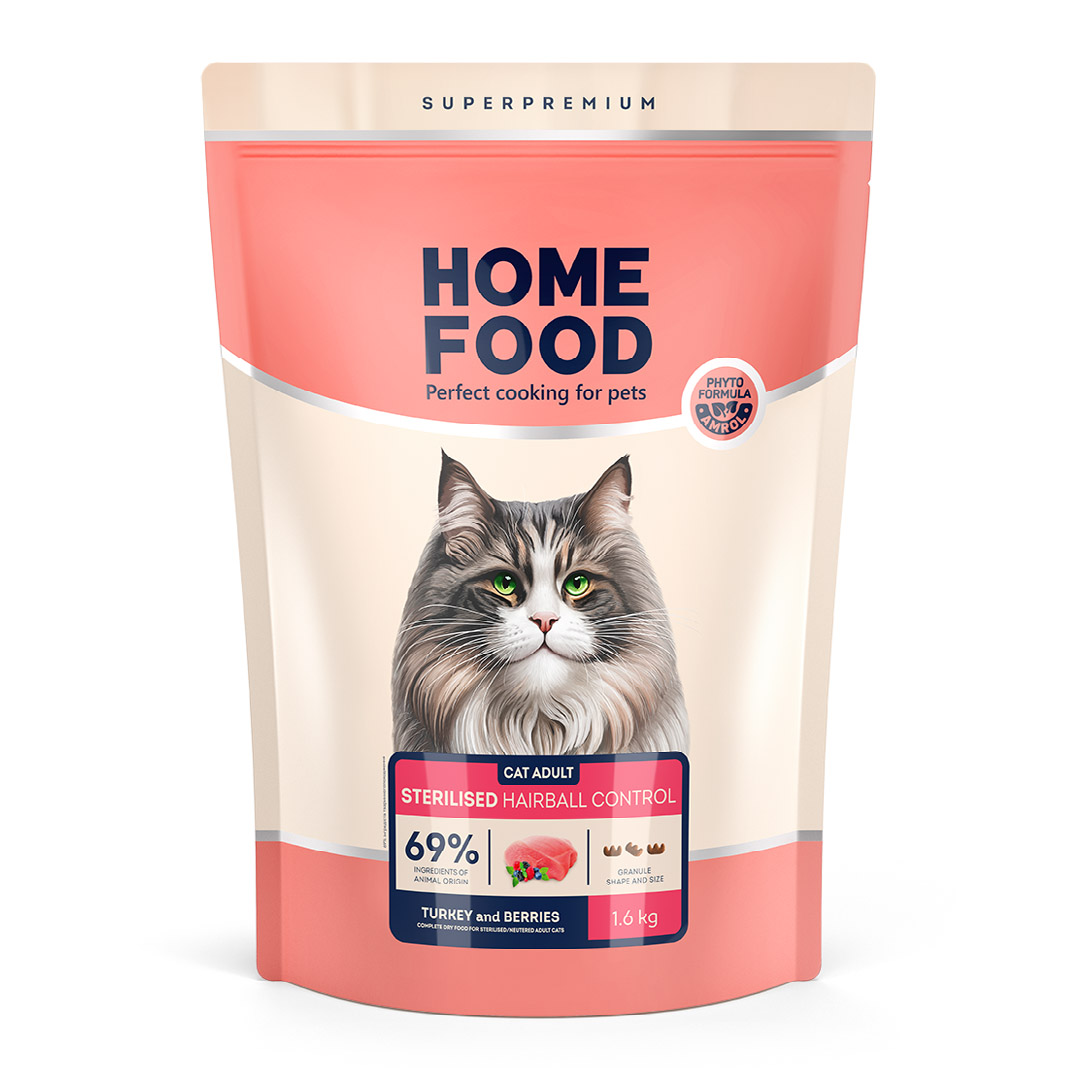
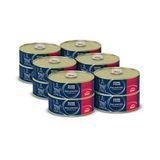
HOME FOOD Hairball control — dry food for helping remove hair from the stomach, turkey and berries
Buy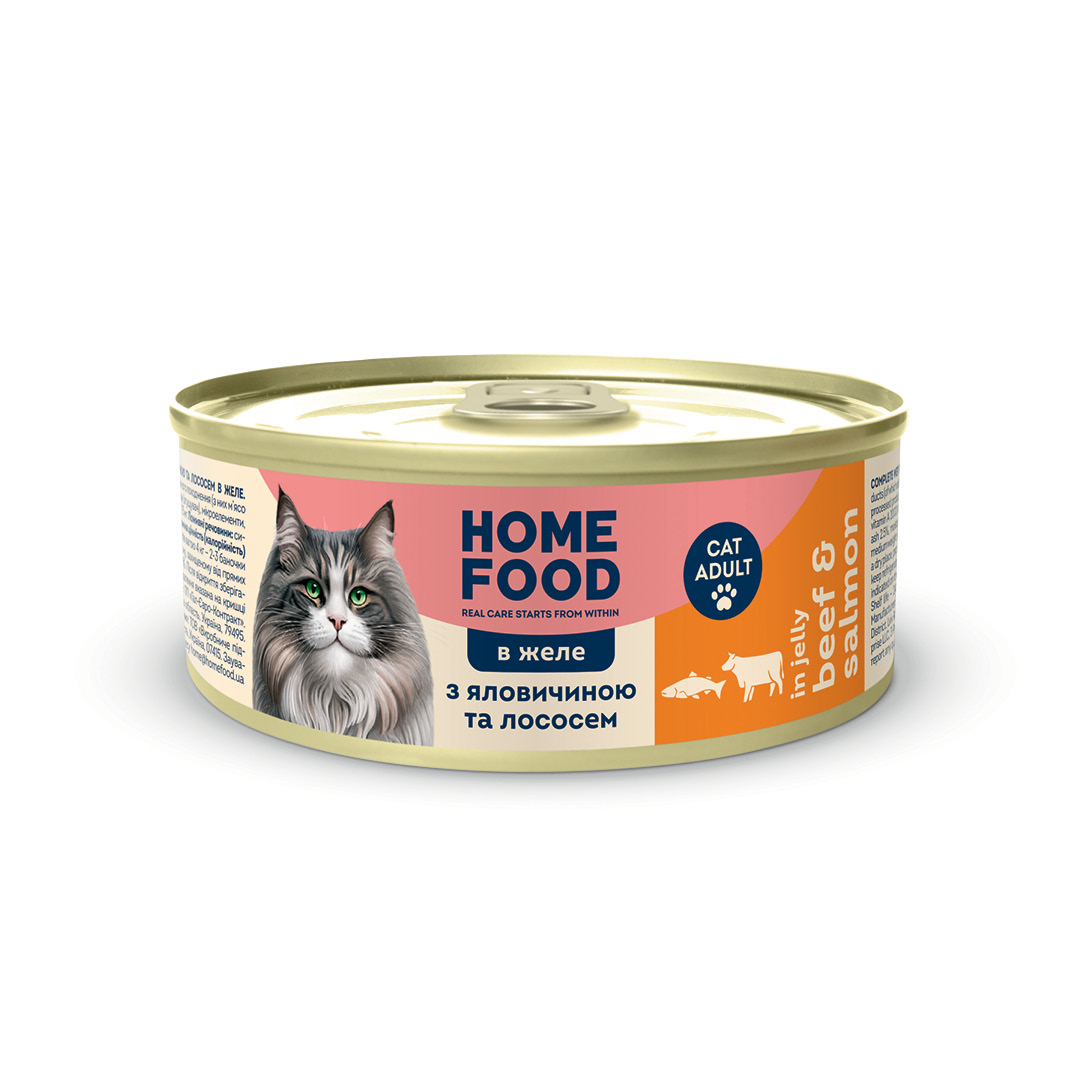
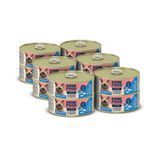
HOME FOOD — complete food for adult cats with beef and salmon in jelly
Buy
HOME FOOD — salmon oil for healthy skin and a shiny coat in dogs and cats, 100 ml
Buy
Health
Angora cats are a long-lived breed, remaining active and in excellent physical condition for 15–20 years with proper care. At the same time, owners should be aware of the following health considerations:
- Congenital deafness: this condition can occur in snow-white cats with blue eyes, which, for safety reasons, should be kept exclusively indoors.
- Neurological disorders: rare cases of ataxia may occur at an early age and manifest as impaired coordination.
- Diseases: as the cat ages, its cardiovascular system should be monitored, and regular examinations for possible tumors are necessary.
Regular veterinary visits and scheduled vaccinations help prevent diseases in a timely manner.
Pros and cons of the breed
A thorough analysis of the breed’s characteristics helps people make an informed choice before bringing a pet home. The advantages of Angora cats include:
- a striking appearance, silky coat, and rare eye-color combinations;
- high intelligence and ease of training;
- an undemanding grooming routine;
- friendliness, devotion, and a long life expectancy.
Possible disadvantages include the risk of congenital deafness in white, blue-eyed cats, a need for personal space and an independent nature, and high activity that requires dedicated play areas.
Conclusion
The Turkish Angora embodies refinement, high intelligence, and unconditional devotion. This graceful cat with a silky coat will become a sincere friend and a true adornment to any home, giving its owners warmth, attention, and unobtrusive companionship for many years.