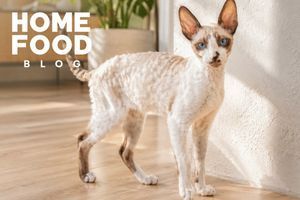
The Canadian Sphynx attracts attention with its unusual appearance and complete lack of a conventional coat. This breed stands out among other cats for its unique skin texture, the deep gaze of its large eyes, and its extraordinary attachment to people. Thanks to their high activity level and peaceful nature, these cats easily become full-fledged family members and get along with everyone in the household.
Brief breed characteristics
| Origin | Canada (Ontario), 1960s |
| Alternative name | Canadian Sphynx, Canadian Hairless |
| Breed type | Hairless |
| Size and weight | Medium size, weight from 3.5 to 6 kg |
| Lifespan | 12–15 years |
| Coloring | Any variation: blue, tortoiseshell, white, red, and other combinations |
| Coat type | Absent or limited to a fine, soft down; the skin is wrinkled and warm |
| Character | Affectionate, sociable, attached to people, active, curious |
| Care | Regular bathing and sun protection |
| Suitable for | People who spend a lot of time at home and are looking for an active companion |
History of origin
The appearance of these animals evokes images of ancient Egyptian cats, but the breed’s history began in North America. In 1966, a hairless kitten was born to an ordinary domestic cat in Toronto, Canada. This was the result of a natural genetic mutation.
Breeders began working to preserve this unique trait by crossing hairless cats with Devon Rex cats. Long-term selective breeding made it possible to establish the hairlessness gene. The breed was later officially named the Canadian Sphynx.
Appearance
These cats have a refined yet muscular build. Their legs are strong, with the front legs slightly shorter than the hind legs, which affects their distinctive gait. The head is wedge-shaped, with clearly defined cheekbones and a broad forehead.
The breed has large ears that are broad at the base and set high on the head. The eyes are large and almond-shaped, with an open, attentive expression. The breed’s defining feature is the absence of a conventional coat.


The body is covered with fine down that creates a suede-like texture, while the skin forms folds on the neck, forehead, and around the joints
Character and behavior
This breed is highly social. Canadian Sphynx cats quickly become attached to their owner, prefer to stay nearby during everyday activities, and readily seek interaction.
These cats adapt easily to apartment living, get along well with young children, and do not show aggression toward other pets.
Their high intelligence helps them quickly learn basic household rules and simple commands.
Care
The absence of fur requires a special approach to hygiene. Proper daily care helps keep the pet comfortable.
- Skin hygiene: regular bathing every 1–2 weeks with a specialized mild shampoo, or wiping the skin with moist hypoallergenic wipes.
- Ear and eye cleaning: because there are no eyelashes, the eyes should be wiped daily with a damp cotton pad. The ears need to be cleaned of sebum buildup every 5–7 days.
- Temperature management: these cats are sensitive to drafts and direct sunlight. Warm clothing is necessary in cold weather, while time in direct sun should be limited in summer.
Following these recommendations consistently helps maintain healthy skin and a well-groomed appearance.

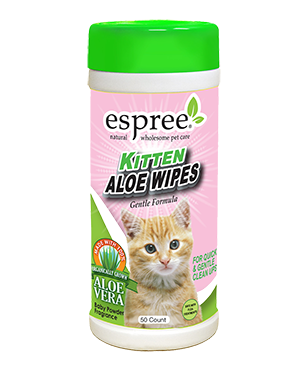
Espree Kitten Aloe Wipes — wet wipes with aloe vera for cats, 50 pcs
Buy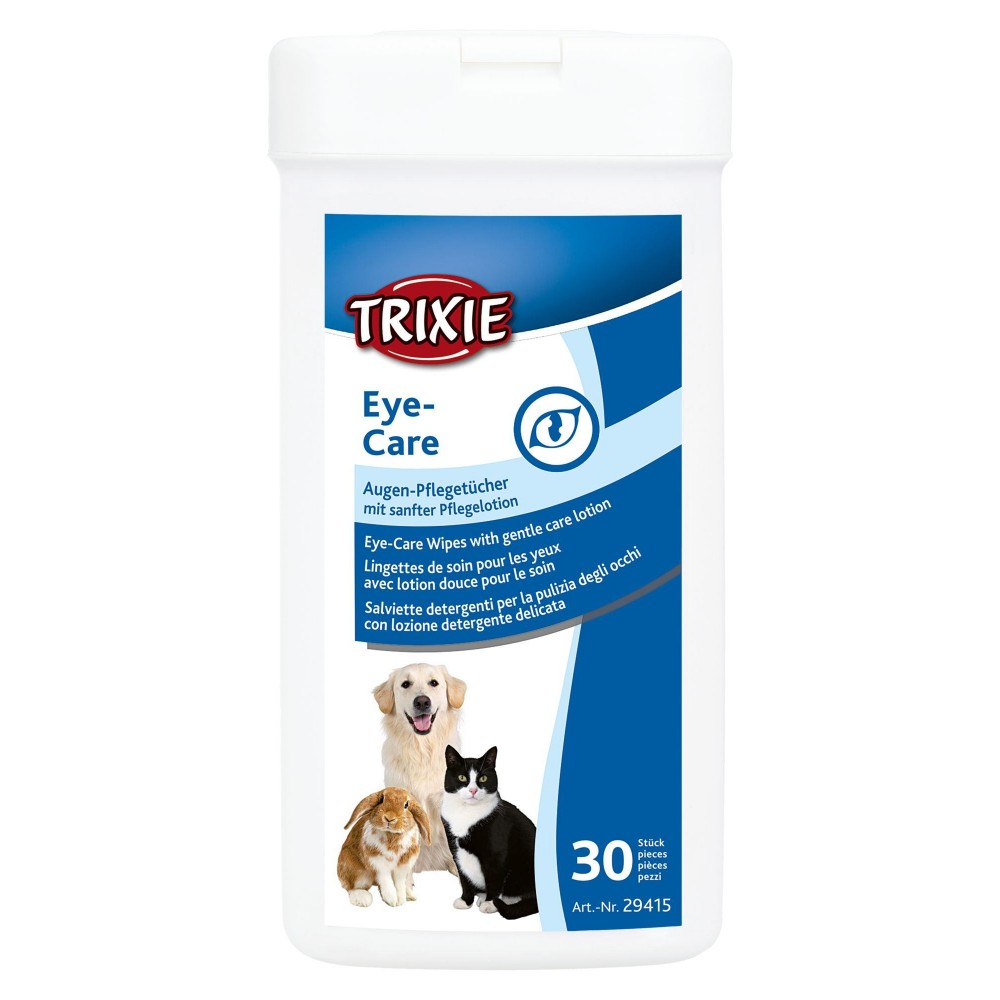
Trixie — eye care wipes for dogs and cats, 30 pcs
Buy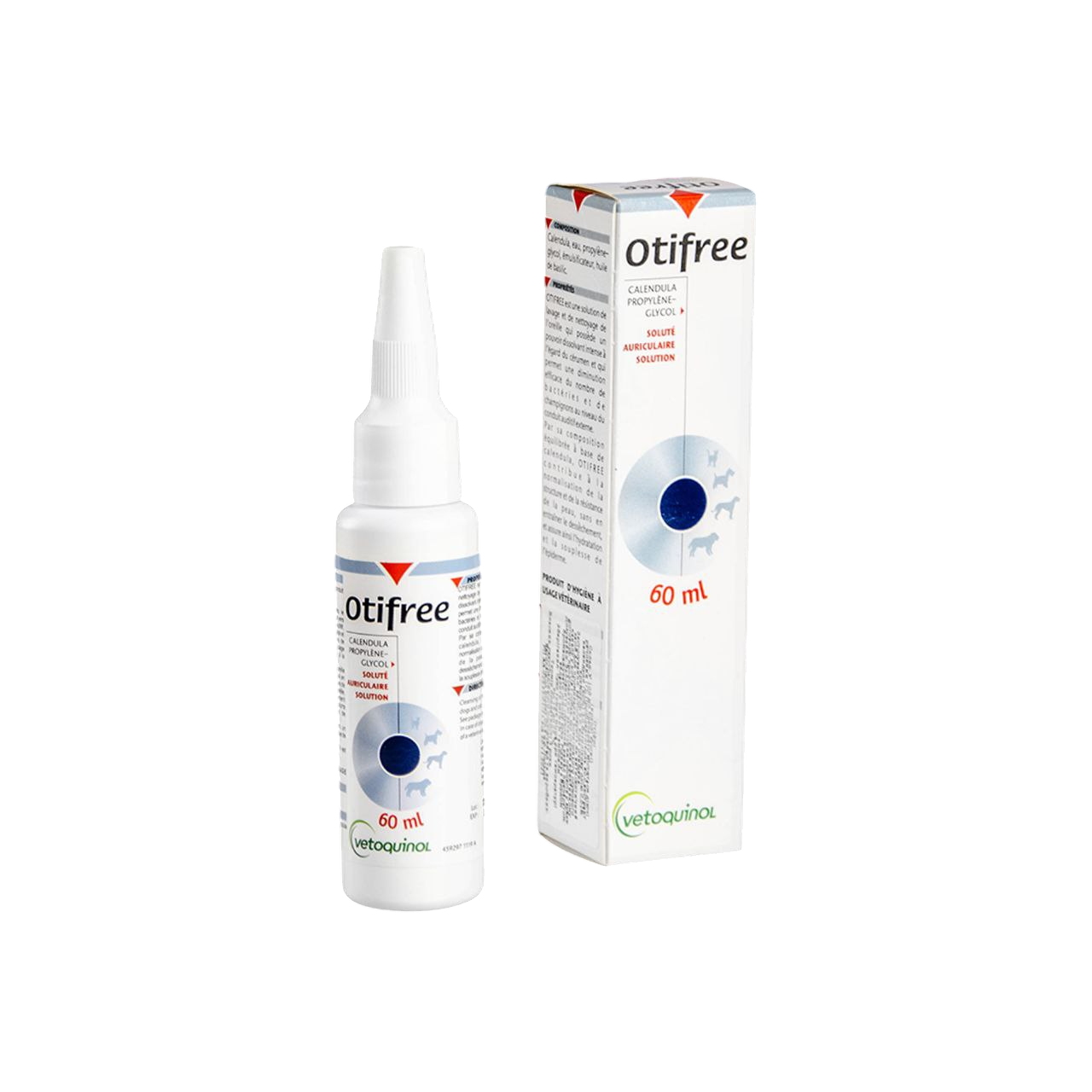
Otifree Vetoquinol — ear cleaner for dogs and cats, 60 ml
Buy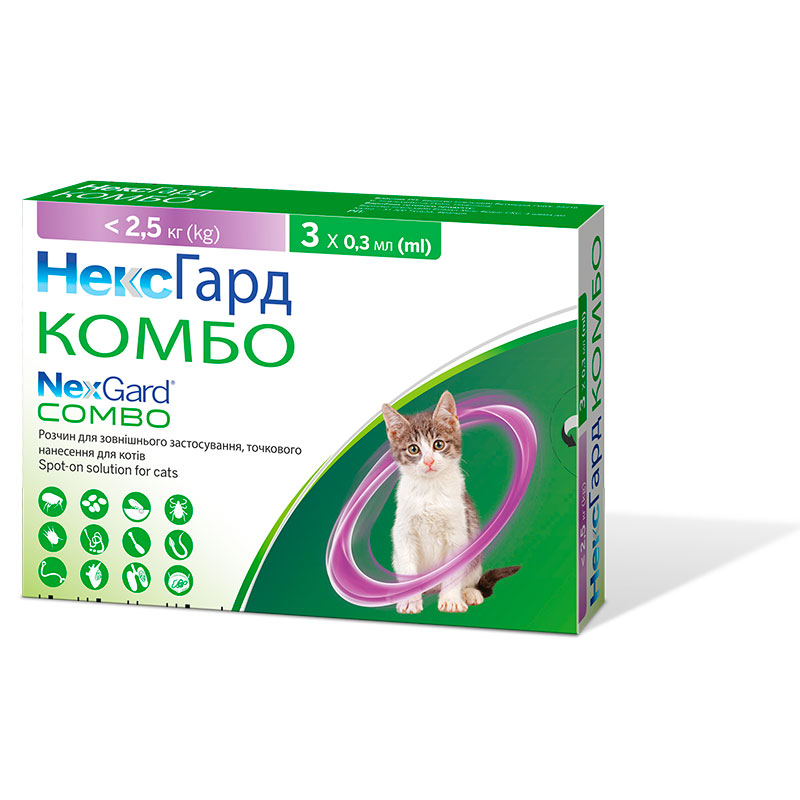
NexGard Combo — antiparasitic spot-on drops for cats up to 2.5 kg
Buy
Nutrition
The physiology of hairless cats directly affects their feeding behavior and nutritional needs. Because they have no fur, Sphynx cats expend a significant number of calories on thermoregulation, so their metabolism is generally 30–40% higher than that of their furry relatives.
A balanced diet for a Canadian Sphynx should follow several key rules:
- Protein: it should make up 35–40% of the food. Protein is the main building material and source of energy needed to maintain muscle mass.
- Balance of fats and omega fatty acids: the amount of quality fat must be controlled, but its presence in the diet is essential. Omega-3 and omega-6 fatty acids nourish the skin from within and reduce dryness.
- Small, frequent meals: because of their strong appetite, Sphynx cats are prone to overeating and swallowing food too quickly. The optimal schedule is 3–4 small meals per day, strictly within the recommended allowance.
- Hydration: when fed dry food, the cat must receive enough fluids. To support urinary system function, place bowls of filtered water in several locations or use a drinking fountain.
When choosing between dry and wet diets, veterinarians recommend combining both formats.

HOME FOOD For active — dry food for active adult cats, chicken and shrimp
Buy
HOME FOOD With sensitive digestion — dry food for spayed/neutered adult cats, lamb and salmon
Buy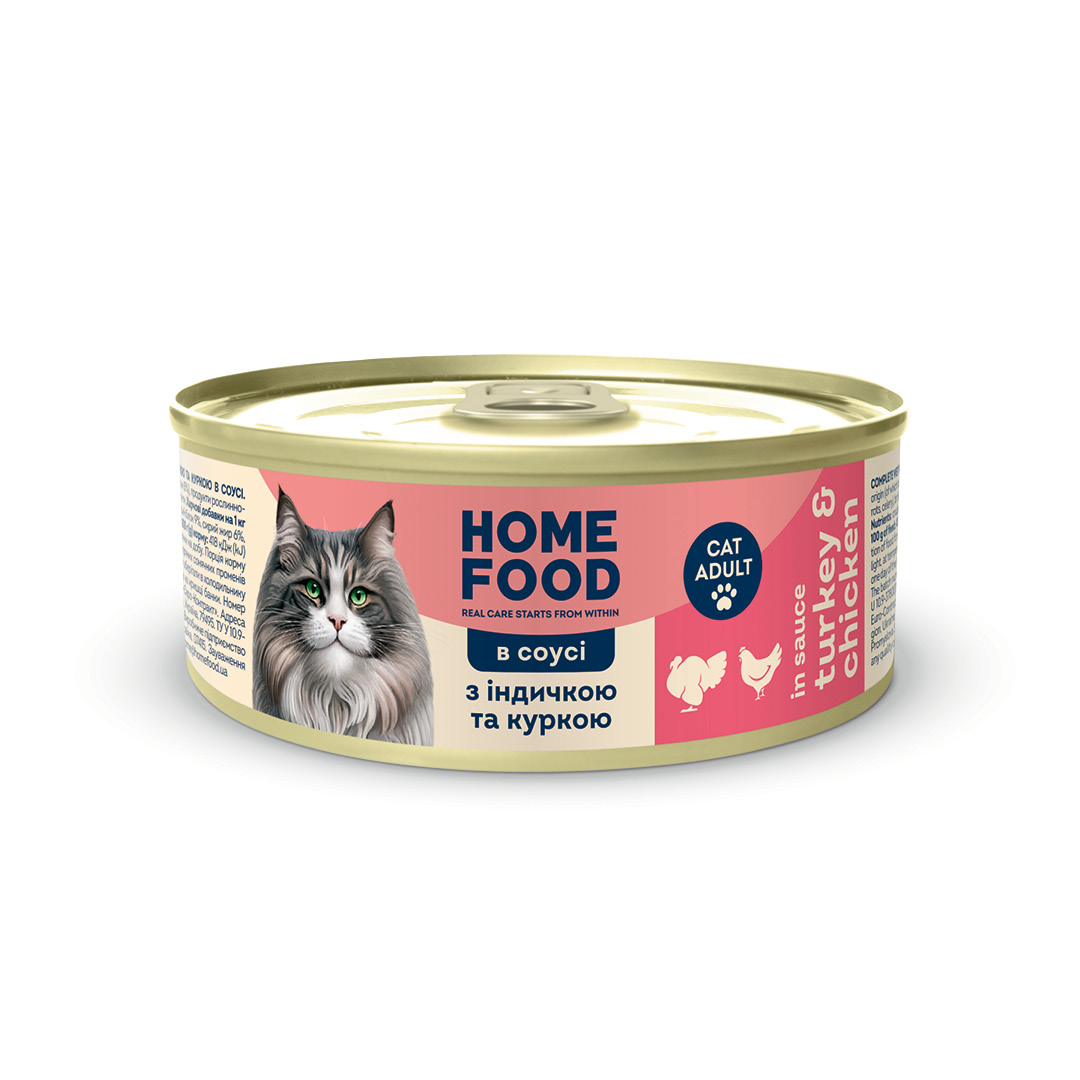
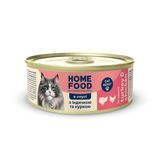
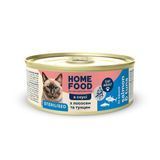
HOME FOOD — complete food for adult cats with turkey and chicken in sauce
Buy
HOME FOOD — drinking water for cats to help prevent urinary stones
Buy
Health
Canadian Sphynx cats have a robust constitution but are prone to several specific health conditions. Because they lack the protection provided by fur, they may develop dermatitis and sunburn.
Hereditary conditions include hypertrophic cardiomyopathy, which alters the structure of the heart muscle.
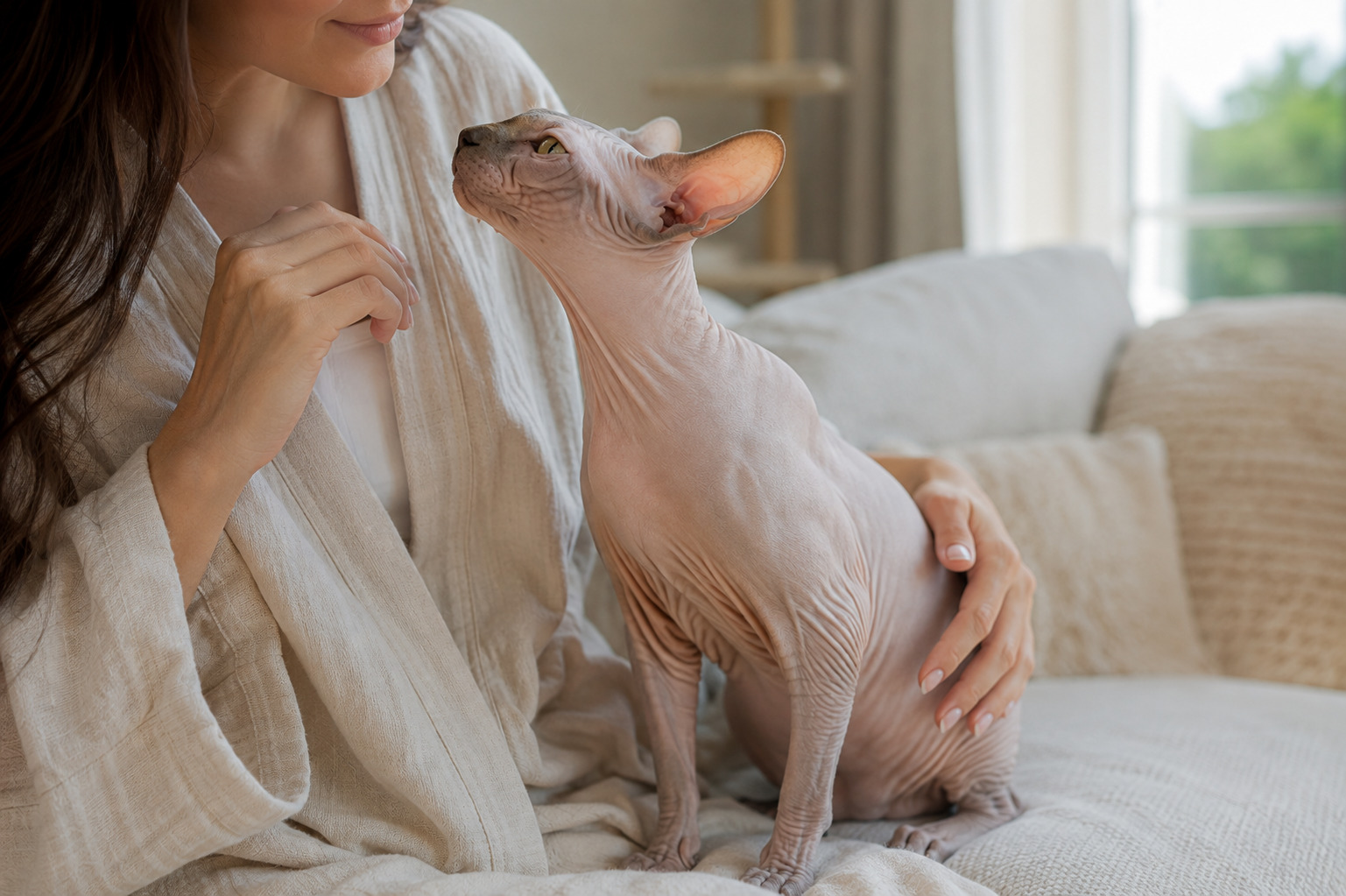
Annual preventive veterinary checkups and routine vaccinations are necessary to monitor the cat’s health
Breed pros and cons
Before getting a kitten, it is important to weigh the breed’s objective advantages against the possible challenges of caring for it.
The advantages include:
- strong attachment to people and a friendly nature;
- no fur on furniture or clothing;
- high intelligence and the ability to get along well with other animals.
When surrounded by care and warmth, the cat will respond with daily devotion and affection and become a true member of the family.
Care considerations include:
- the need for regular bathing and hygiene procedures;
- sensitivity to temperature changes and cold;
- a tendency toward a strong appetite and overeating.
Comparing these factors makes it possible to assess objectively whether you are ready to welcome such a distinctive pet into your home.
Conclusion
The Canadian Sphynx is suitable for people who are ready to devote time to regular care and hygiene. Its energetic nature and strong need for attention make this breed an excellent choice for families with children and anyone looking for an affectionate companion at home.