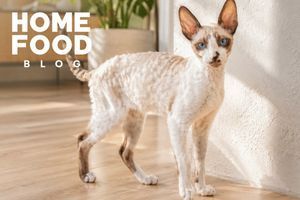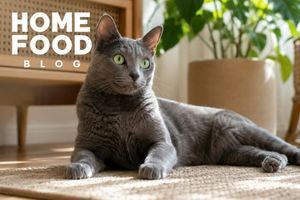
The Thai cat attracts attention with its graceful build, contrasting coloring, and expressive blue eyes. This native breed, which has retained the original traits of the ancient cats of Siam, is distinguished by high intelligence, remarkable devotion to its owner, and well-developed communication skills. These cats become devoted companions, take an active part in all household activities, and fill the home with warmth and a distinctive Eastern charm.
Brief breed characteristics
| Origin | Thailand (historic Siam), 14th–15th centuries |
| Alternative name | Old-style Siamese, traditional Siamese |
| Breed type | Shorthaired, colorpoint |
| Size and weight | Medium size, weight from 3 to 5.5 kg, about 30 cm at the withers |
| Lifespan | 15–20 years |
| Coloring | Colorpoint (seal, blue, chocolate, lilac, red, cream, tabby point) |
| Coat type | Short, silky, close-lying, with a lightly developed undercoat |
| Character | Friendly, sociable, devoted, curious, emotional |
| Care | Simple: brushing once a week, tooth brushing, and routine hygiene |
| Suitable for | Families with children and people who spend a lot of time at home and value lively interaction |
History of origin
The breed’s roots reach back to the Middle Ages, and the first historical evidence of these animals’ distinctive appearance can be found in the famous Siamese manuscript “The Cat-Book Poems,” created in the 14th–15th centuries. In the ancient kingdom of Siam, these cats held a high status. They lived exclusively in the imperial palace and Buddhist temples, where they were revered as sacred beings. People believed that they protected homes from evil spirits, while their sky-blue eyes were regarded as a blessing from higher powers for faithful service.
The British breed standard appeared in 1892, after which active selective breeding began. Over time, breeders became increasingly focused on changing the cats’ conformation: the head grew more elongated and wedge-shaped, while the body became slender and long-legged. This is how the modern Siamese type developed. Traditional cats with apple-shaped heads and more substantial bodies moved into the background and came to be known as old-style Siamese.
The traditional type was officially revived and recognized only in 1990, when the name “Thai cat” was established for the breed. In 1991, the World Cat Federation (WCF) officially added it to its unified registry.
Appearance
The Thai cat has a harmonious, well-proportioned, athletic build that combines natural grace with strong musculature.
The breed’s characteristic conformation features include:
- Head and muzzle: the rounded head is apple-shaped and has soft contours. The forehead is convex, the transition to the nose is smooth, and adult males have clearly defined cheeks.
- Eyes: almond-shaped and slightly slanted. The iris ranges from sky blue to deep blue.
- Ears: medium-sized, broad at the base, with rounded tips and set wide apart.
- Body and limbs: the body is medium-sized, slender, and well muscled. The medium-length legs end in neat, rounded paws.
- Coat and coloring: the guard hairs are short, smooth, and lie close to the body. The undercoat is minimal. The colorpoint pattern features a light body contrasting with darker markings on the face, ears, paws, and tail.


The harmonious combination of a light body and dark points gives the cat distinctive elegance and a recognizable appearance
Character and behavior
Thai cats show an exceptional attachment to people. They choose one primary owner, although they are friendly toward every member of the family. They need to remain at the center of events, accompany people during household activities, and receive attention.
Distinctive personality traits of Thai cats include:
- Highly vocal nature: these cats use a wide range of sounds to express emotion, from gentle purring to loud, demanding tones.
- Exploratory instinct: the desire to oversee their territory encourages these cats to climb tall cabinets and investigate any enclosed space.
- High intelligence: they quickly understand household rules, easily learn everyday boundaries, and can be taught simple tricks.
- Need for company: Thai cats do not tolerate loneliness or a long absence of their owner well.
Care
Caring for a Thai cat does not require complicated procedures because of the breed’s short coat and natural cleanliness. Routine care is limited to maintaining basic hygiene.
- Brushing: the sparse undercoat makes grooming easier. It is enough to brush the coat once a week with a soft-bristled brush or a special rubber grooming glove.
- Oral hygiene: because of a tendency toward inflammation, the teeth should be brushed 3–4 times a week with veterinary toothpaste.
- Ear and eye care: clean the ear canals and inner corners of the eyes with damp cotton pads whenever natural discharge appears.
- Nail trimming: trim the nails with a pet nail clipper every 2–3 weeks without damaging the quick.
Performing these simple procedures regularly helps prevent dermatological and dental problems while keeping the cat well groomed.


Trixie — grooming glove, 16x24 cm
Buy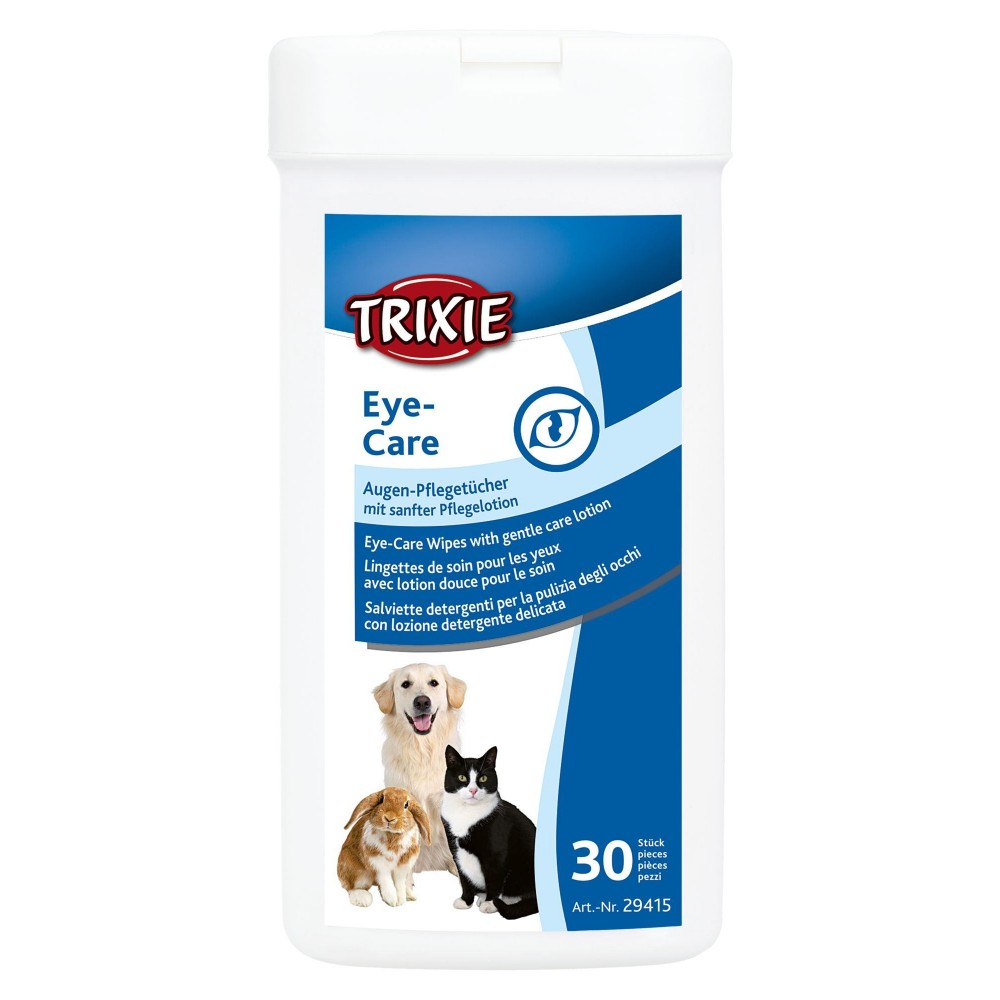
Trixie — eye care wipes for dogs and cats, 30 pcs
Buy
Trixie Luxe — large nail clipper for pets, 16 cm
Buy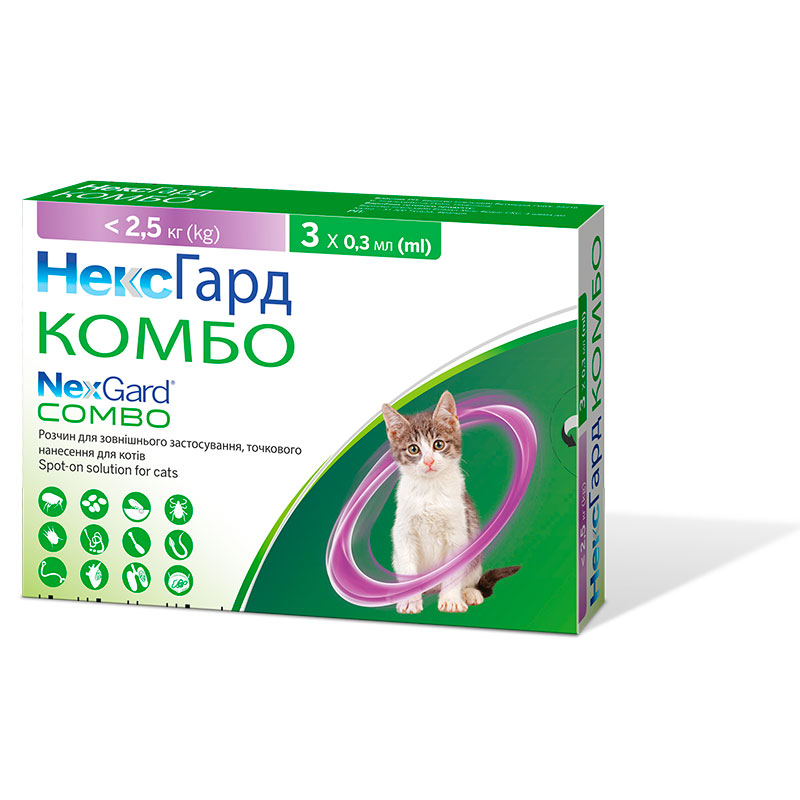
NexGard Combo — antiparasitic spot-on drops for cats up to 2.5 kg
Buy
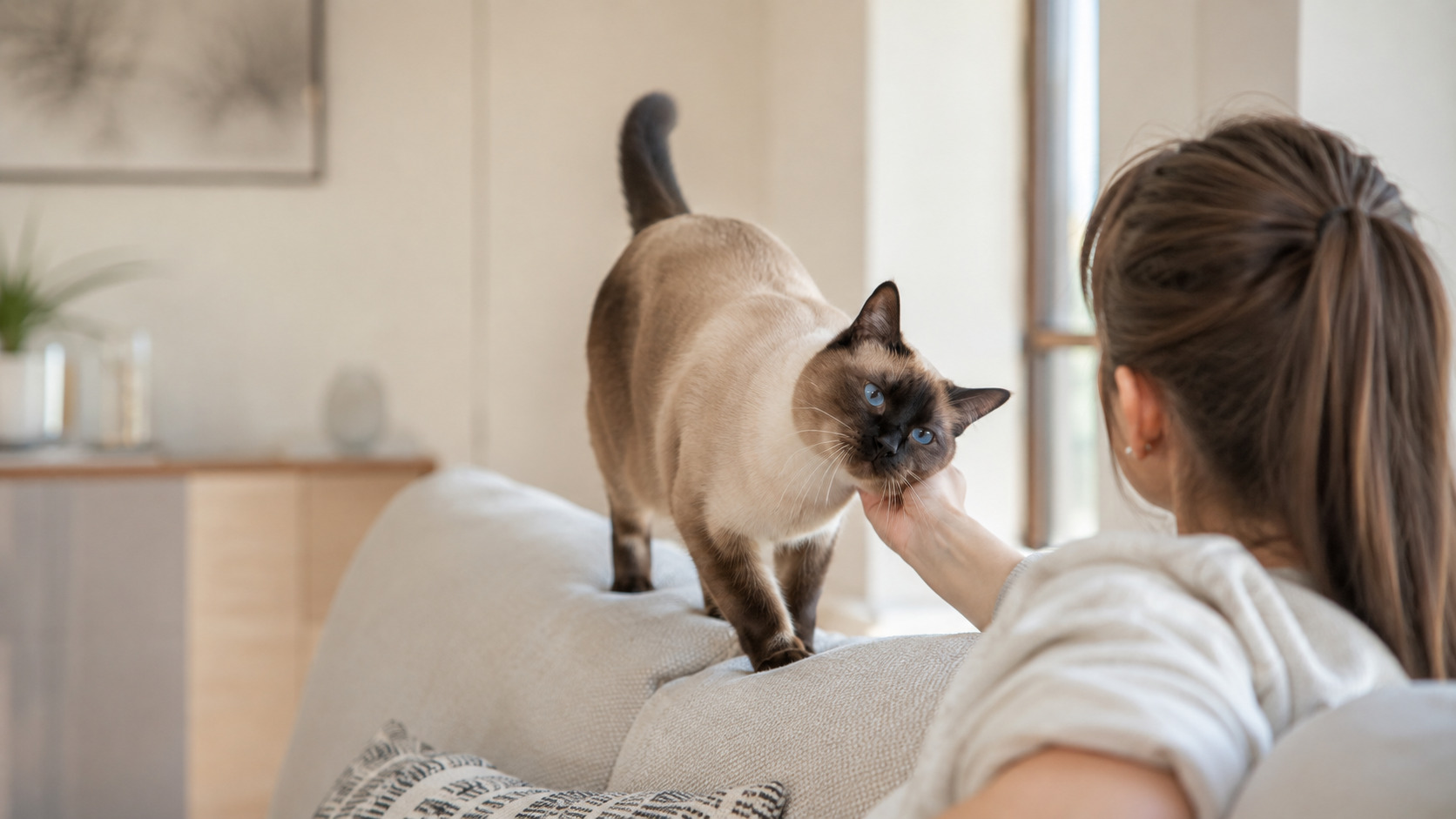
Their constant readiness to interact and deep emotional bond make these cats excellent companions for attentive owners
Nutrition
Thai cats generally have a stable digestive system, but they need a high-quality, balanced diet to preserve the intensity of their coloring and keep the coat healthy.
A properly organized diet is based on the following principles:
- Protein: it forms the basis of the diet and should account for 30–35% of the ration.
- Control of color-affecting ingredients: high iodine levels and large amounts of seafood in the food may darken the light coat on the body, so these ingredients should be limited.
- Feeding schedule: adult cats are fed twice a day, with portions carefully measured to prevent excess weight gain.
- Hydration: clean, fresh water should be available around the clock, especially when feeding prepared dry diets.
A balanced diet supports the cat’s high activity level, strong immunity, and excellent skin and coat condition.

HOME FOOD For active — dry food for active adult cats, chicken and shrimp
Buy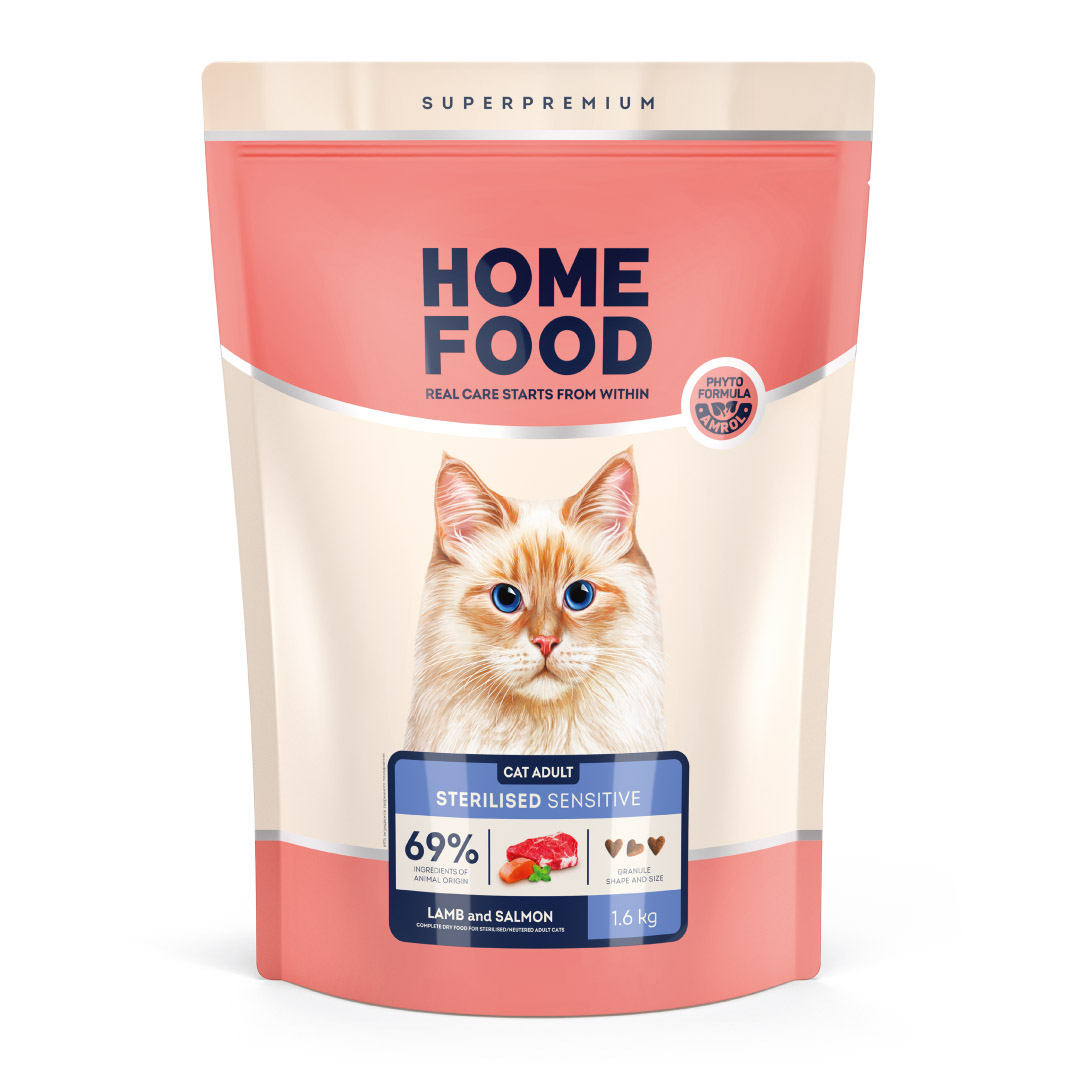
HOME FOOD With sensitive digestion — dry food for spayed/neutered adult cats, lamb and salmon
Buy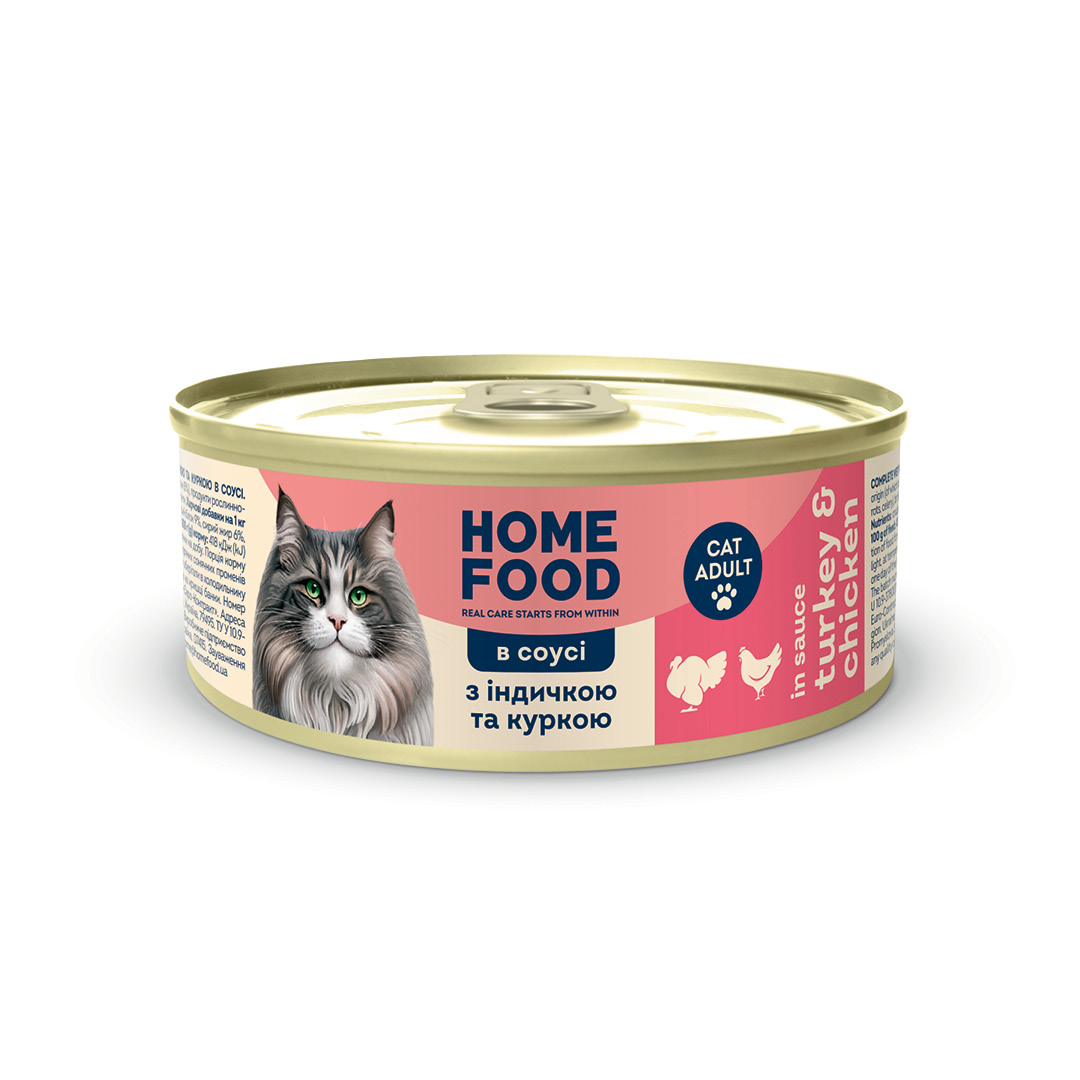
HOME FOOD — complete food for adult cats with turkey and chicken in sauce
Buy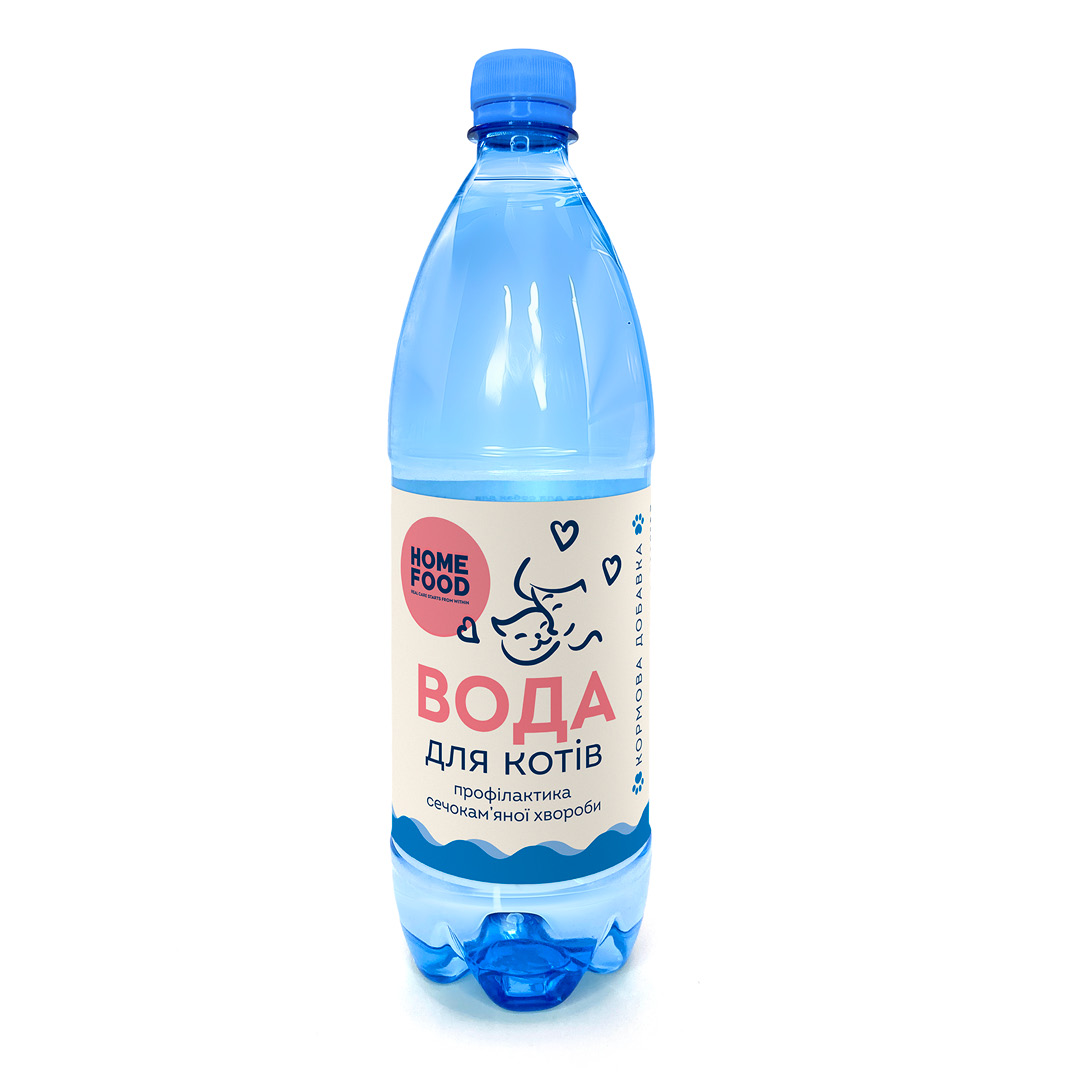
HOME FOOD — drinking water for cats to help prevent urinary stones
Buy
Health
Thai cats are a long-lived breed with excellent genetic resilience. With proper care, they often reach 18–20 years of age.
At the same time, the breed is prone to several specific health conditions:
- Hypertrophic cardiomyopathy: thickening of the walls of the heart’s ventricles, which requires periodic ultrasound screening.
- Gingivitis: inflammation of the gums caused by irregular dental hygiene and tartar buildup.
- Congenital strabismus: an eye condition that sometimes occurs in kittens and requires monitoring by a specialist.
Regular preventive veterinary visits and timely vaccination help detect possible abnormalities at an early stage and support a long life for the cat.
Breed pros and cons
Before deciding to get such a pet, it is worth comparing the main considerations involved in caring for one.
The breed’s positive qualities include:
- exceptional devotion to the owner and a friendly nature;
- well-developed intelligence and trainability;
- simple care requirements for the short coat;
- a long lifespan and strong immunity.
Potential drawbacks include:
- a strong need for constant interaction and a loud voice;
- sensitivity to loneliness and long periods without people;
- the need for regular prevention of dental disease.
An objective assessment of these characteristics helps determine how well the owner’s lifestyle matches the needs of this sociable breed.
Conclusion
The Thai cat is ideally suited to active people, families with children, and those who spend a great deal of time at home. Its energetic nature, high intelligence, and deep attachment to people make it a loyal friend that brings joy to those who value frequent, lively interaction.