📌 HOME FOOD Blog: tips on care, health and nutrition of cats and dogs. 🩺 Current articles for caring pet owners ❤️
Reed cat: origin of the species, appearance, character, housing conditions, care, health, nutrition and what you need to know about this wild cat before attempting to keep it near humans

The reed cat may look like a domestic cat at first glance, but it is actually a wild predatory animal, also called a marsh lynx. It has a larger, more muscular build, a strong hunting instinct, and retains its wild wariness even when raised near humans.
Today it is increasingly difficult to encounter a reed cat in its natural habitat. The species population is declining, so most people see these animals only in zoos or specialized breeding facilities. This is why interest in the species is often combined with romanticized notions that don't always have much in common with the reality of living with one.
In this article, we'll explore where the reed cat comes from, what it looks like, what its character is like, whether it can be kept at home, how to organize its care, and why its diet and lifestyle should not be compared to an ordinary domestic cat.
Brief species overview
| Origin | Wild cat species found in South Asia, the Middle East, the South Caucasus, and near wetlands |
| Other names | Marsh lynx, jungle cat, reed cat |
| Type | Wild short-haired predatory cat, not a domestic breed |
| Size and weight | Large cat, approximately 12–20 kg, body length with tail can reach 120 cm |
| Lifespan | In captivity with proper care can live about 12–15 years |
| Coloring | Ticked, natural, with sandy, gray or brown tones and dark rings on the paws and tail |
| Character | Independent, intelligent, active, territorial, with a pronounced hunting instinct |
| Housing | Requires large space, an enclosure, water, shelters and constant mental stimulation |
| Nutrition | Natural diet, as close as possible to the wild: meat, fish, feeder rodents, supplements |
| Not suitable for | Families with small children, small animals, and anyone expecting the lifestyle of an ordinary domestic cat |
Origin and history
The history of the reed cat spans more than three thousand years. These animals were depicted on frescoes and in the tombs of pharaohs, and were also mentioned in ancient Eastern chronicles. It is known that in certain historical periods reed cats lived near humans and even helped in hunting, although they never became fully domesticated animals.
In most cultures they were treated with suspicion. Due to attacks on domestic poultry, they were often considered pests and destroyed. This, along with changes in natural landscapes and the reduction of suitable habitats, became one of the reasons why the species is found much less frequently in many regions today.
Despite its name, the reed cat does not live only in swamps. It adapts well to dense thickets, floodplains, reed beds, and areas near rivers. This very adaptability made it a successful hunter, but did not make it an animal suitable for ordinary domestic life.
- The reed cat is often called a marsh lynx because of its appearance and habits, but it is a separate wild feline species.
- Historically, it could live near human settlements, but never became fully domesticated.
- Today the species population is declining, so these animals are encountered less and less frequently in nature.
Appearance: strong body, short tail and wild gaze
The reed cat resembles a domestic cat only from a distance. In reality, it is a much larger animal: weight can reach 12–20 kg, and body length with tail is about 120 cm. It has long legs, a sturdy torso, a massive head and an elongated muzzle, which immediately reveal an active terrestrial hunter.
The ears are set high and often have small tufts, and on their reverse side there may be visible so-called "false eyes" – light spots characteristic of many wild species. The reed cat's tail is short and thin, usually up to 30 cm, with dark rings. The fur is dense, with ticked coloring: each hair has several zones of different shades.
In winter the fur may appear lighter and as if covered with a silvery bloom. Kittens are born striped, but with age the coloring becomes more even and closer to natural wild camouflage. It is this combination of a large body, powerful paws, and a very attentive gaze that creates the impression of an animal that is always assessing its surroundings and remains on alert.
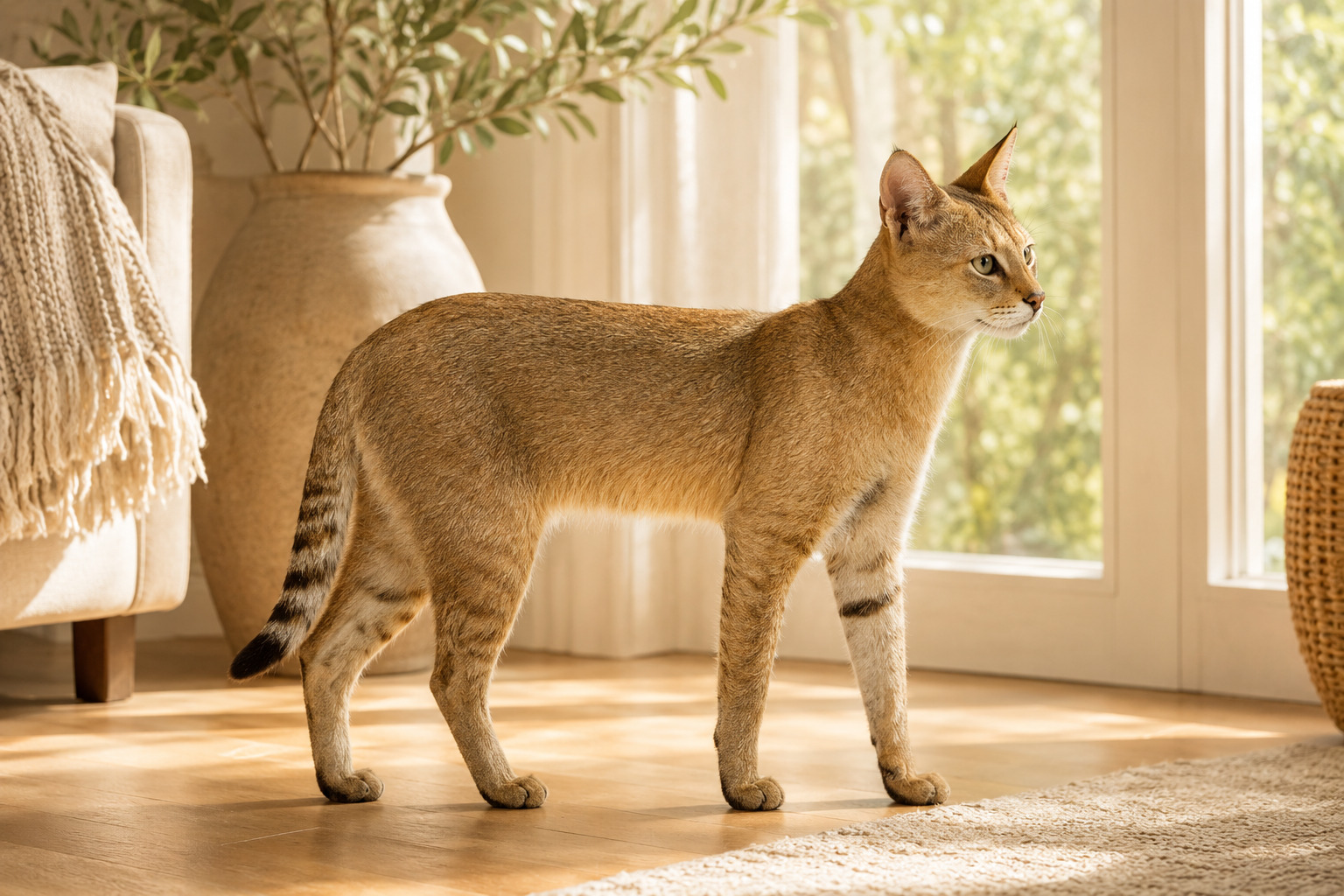

The reed cat combines strength, endurance, and that wild control over space that cannot be confused with the behavior of a domestic cat
Character and behavior
Even a tamed reed cat remains a predator. It is very intelligent, active, has an excellent memory for the location of objects, can open doors and easily jumps to heights of several meters. This is an animal that needs not just a place to live, but space to control, explore, and realize its natural instincts.
Such cats often bond with only one person. With other family members they can be reserved, cold, or even react sharply to excessive familiarity. They tolerate noise poorly, informality, and abrupt boundary violations, and at night they often become even more active than during the day.
With children and small animals, the reed cat is usually incompatible. With dogs or other cats it can sometimes live peacefully, but only with very careful socialization and sufficient space. The main thing to understand: you are not dealing with an "exotic pet," but an independent wild cat with pronounced territoriality and hunting behavior.
- The reed cat does not tolerate rough contact, noise, and intrusive attention.
- Most often it bonds strongly with one person, not equally with the whole family.
- Its hunting instinct, nocturnal activity, and independence do not disappear even with early socialization.
Can a reed cat be kept at home?
Theoretically – yes, but not in an apartment and not in the manner of an ordinary domestic cat. The reed cat requires large space, preferably with an outdoor enclosure, shelters, the ability to bask in the sun, and contact with water. In the wild, these animals are good swimmers and do not avoid aquatic environments, so the presence of a pool or large water area is very desirable for them.
Solitude negatively affects the psyche of such a cat. It needs interaction, but not intrusive, but very careful and controlled. At the same time, living with a reed cat always remains living with a wild predator: it can damage things, demonstrate territorial behavior, require more complex housing security, and significantly more environmental enrichment than any domestic breed.
If you are attracted to the appearance of such an animal, but not its complex wild temperament, it would be more logical to look at the chausie – a hybrid cat that inherited part of the reed cat's image but has a noticeably more suitable character for domestic life.
For comfortable housing of a reed cat, you need to prepare the following conditions:
- Spacious enclosure with reliable fencing, shelters, and areas of sun and shade.
- Pool or other permanent access to clean water.
- Strong scratching posts, platforms, logs, toys, and movement routes.
- Regular interaction and mental stimulation to reduce the risk of behavioral problems.
Care and health
The marsh lynx is considered a hardy animal, and sources emphasize that no specific genetic diseases have been described for it. But this does not mean that care can be simplified. Vaccinations, parasite prevention, monitoring of coat, claws, ears, and teeth condition are no less important here than in ordinary domestic cats.
The coat should ideally be brushed 1–2 times a week, and more frequently during shedding periods. A large litter box is necessary, as standard ones often prove too small for an adult animal of this size. It is also important not to limit care to hygiene alone: reed cats need mental stimulation, play interaction, and sufficient physical activity, otherwise behavioral problems are almost inevitable.
Safety deserves special attention. Such animals easily learn to open doors, jump high, and thoroughly explore territorial boundaries. Therefore, any space for them must be truly secure, not just comfortable.

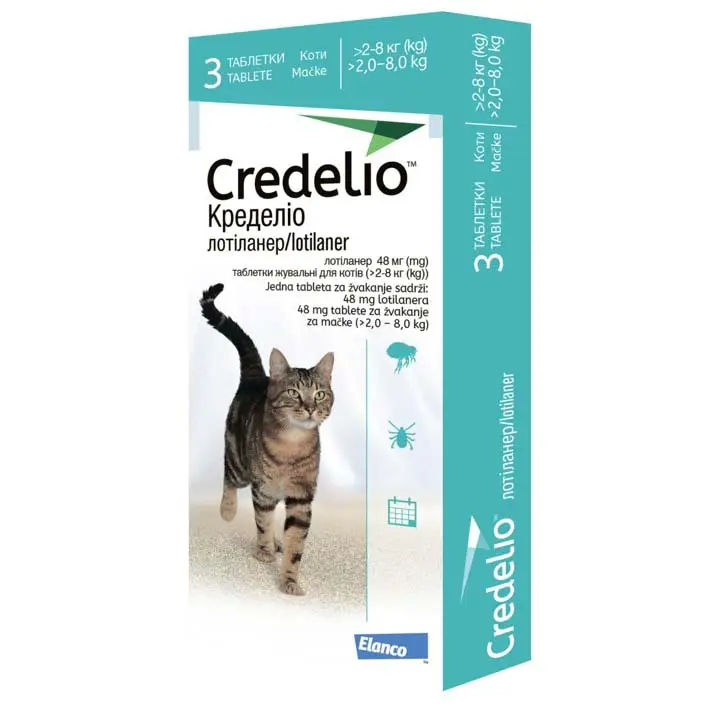
Credelio Elanco — antiparasitic chewable tablets against fleas and ticks for cats
Buy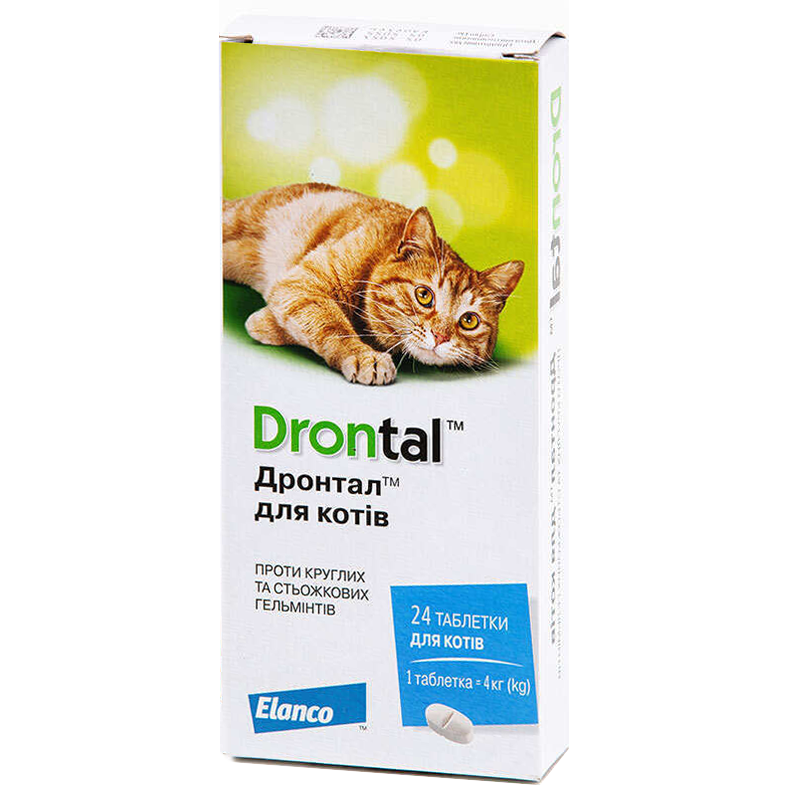
Drontal Elanco — tablet for treatment and prevention of helminthiasis in cats, 1 pc
Buy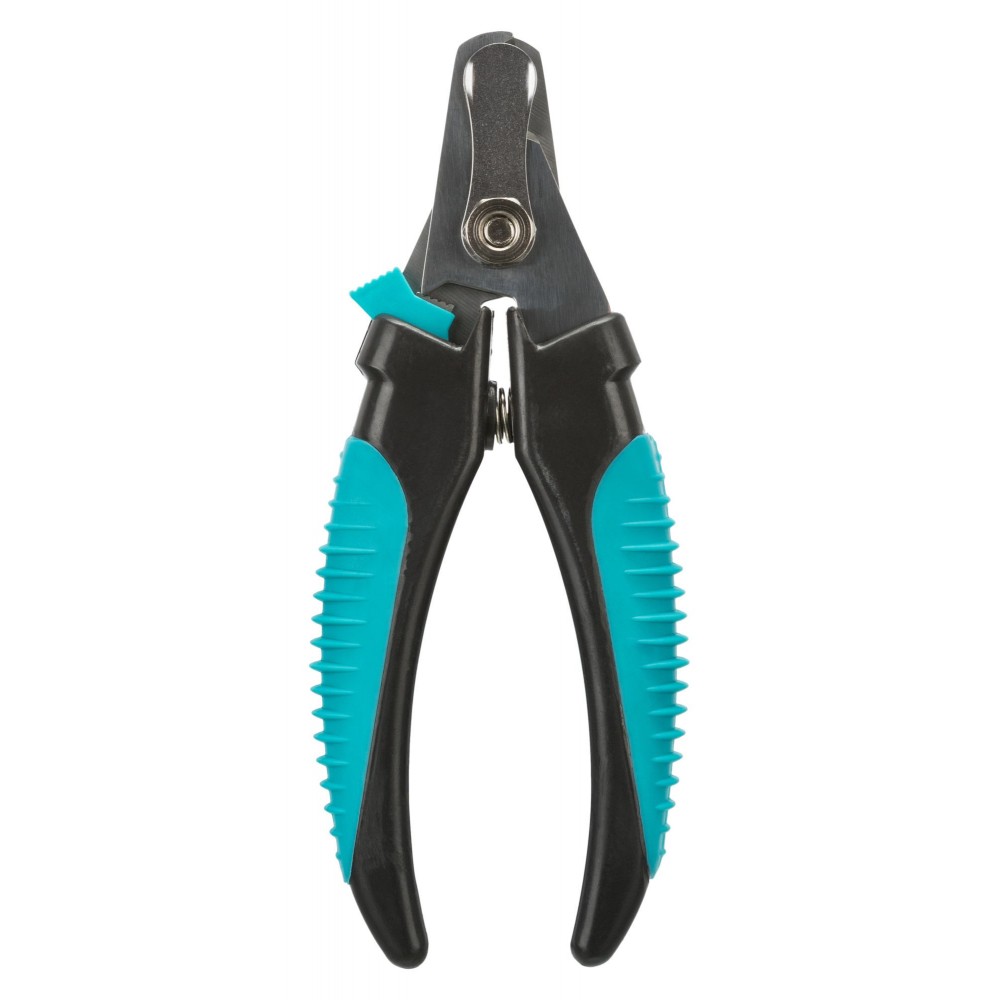
Trixie Luxe — nail clipper for pets, large, 16 cm
Buy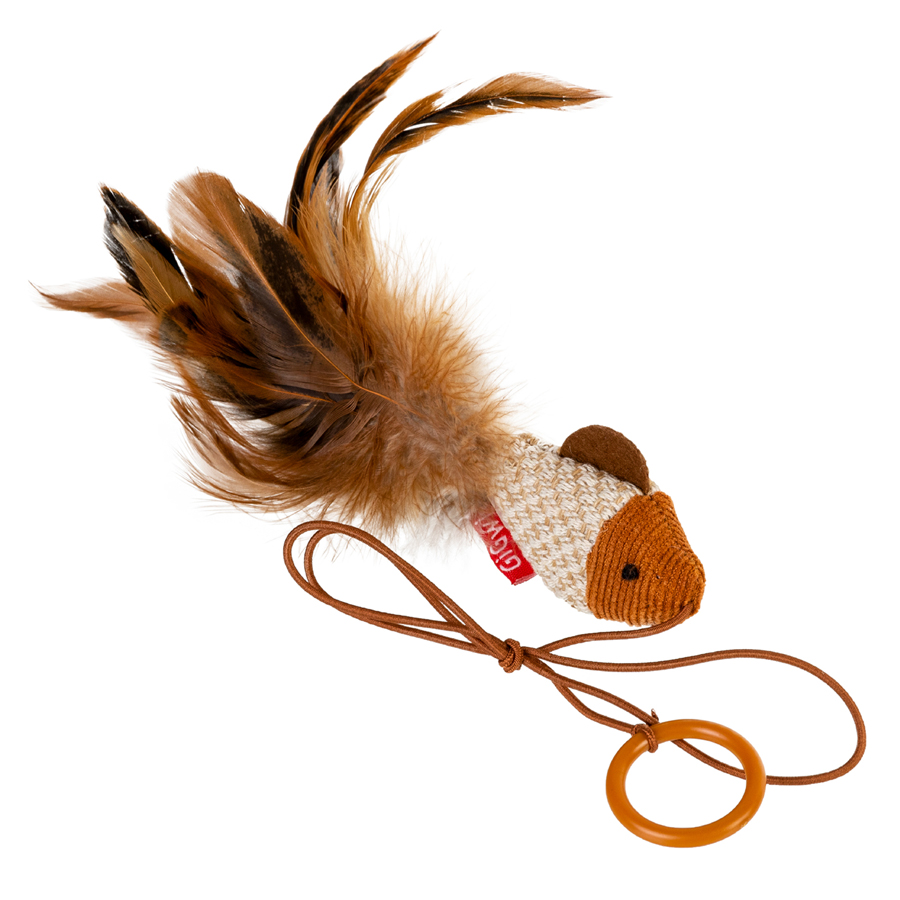
GiGwi Teaser — toy for cats "Fish teaser" on finger
Buy
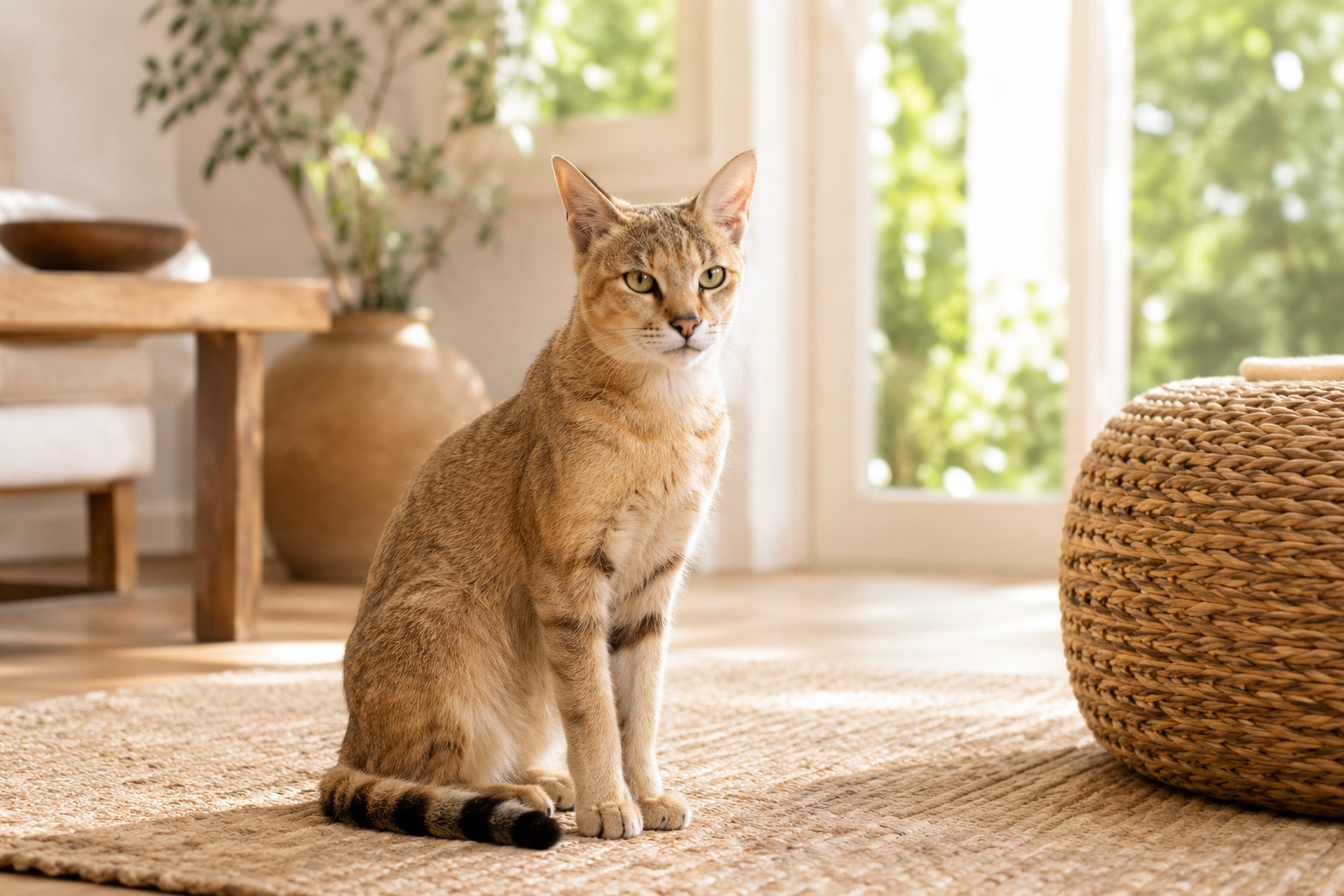
For a reed cat, quality care begins with space, safety, a predictable routine, and daily fulfillment of natural instincts
Nutrition
Ready-made food from pet stores cannot be the sole basis of a reed cat's diet. In nature, it hunts live prey, so its nutrition should be as close to natural as possible. The foundation consists of fresh lean meat, fish, feeder mice or rats, as well as vitamin supplements, calcium, and greens in a safe format.
Due to reduced activity in home conditions, reed cats can gain excess weight if the diet is too calorie-dense and physical activity is insufficient. Therefore, weight control, regular physical exercise, and veterinary supervision are especially important here. If space decreases but the energy density of the diet does not change, the risk of obesity increases sharply.
In practical care, ready-made diets and supplements can only be an auxiliary component alongside a well-planned natural menu, not a replacement for it. This is why any decisions regarding feeding such a cat are better coordinated with a veterinarian who has experience working with exotic or wild cats.
A naturally close diet for a reed cat typically includes:
- Fresh lean meat: rabbit, poultry, beef.
- Fish — fresh or live, depending on safety and housing conditions.
- Feeder rodents as a source of natural behavioral and nutritional stimulation.
- Calcium, vitamin supplements, and other components only after consultation with a specialist.
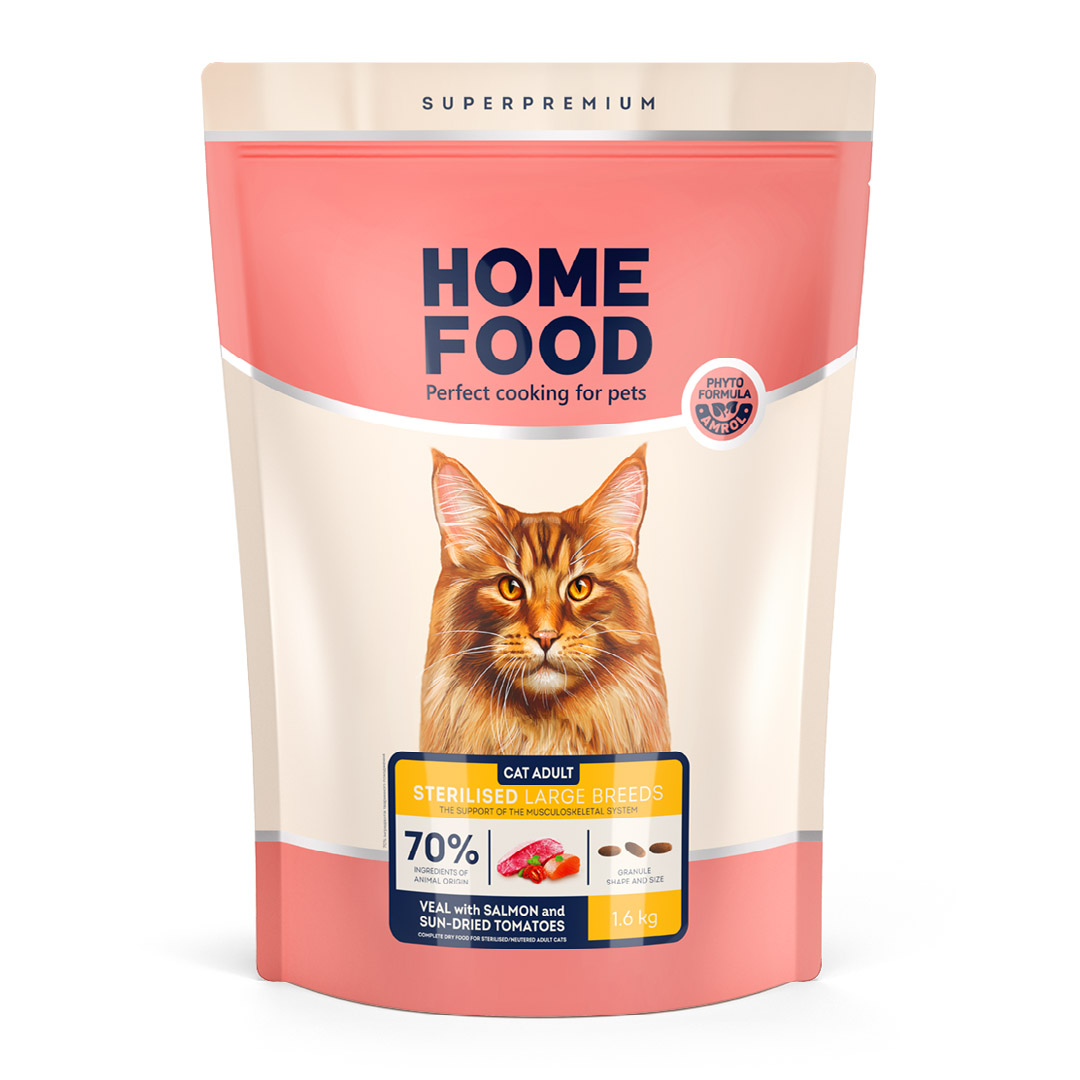
HOME FOOD — dry food for musculoskeletal support of adult cats of large breeds, veal with salmon, 1.6 kg
Buy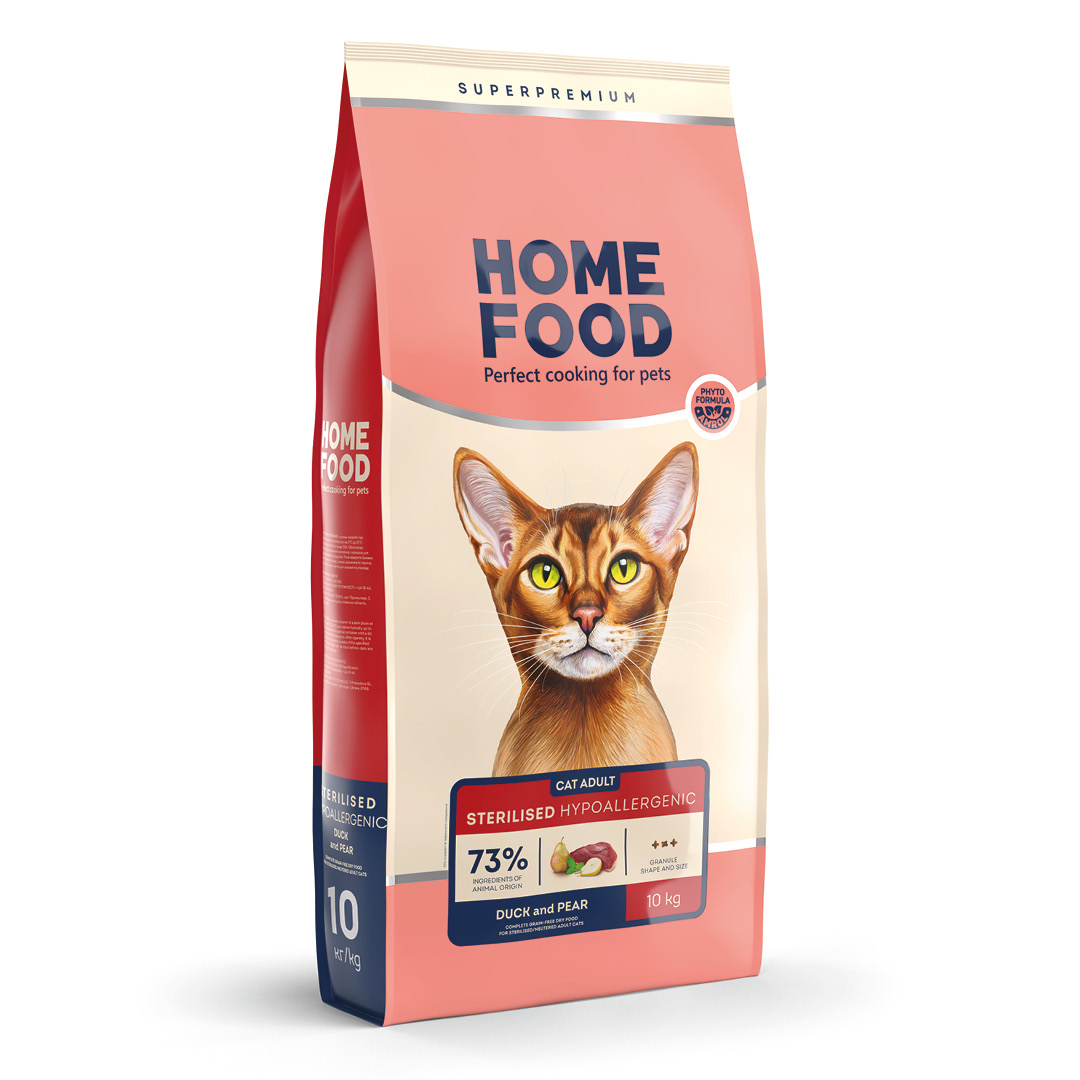
HOME FOOD Grain Free — grain-free hypoallergenic dry food for adult cats, duck and pear, 10 kg
Buy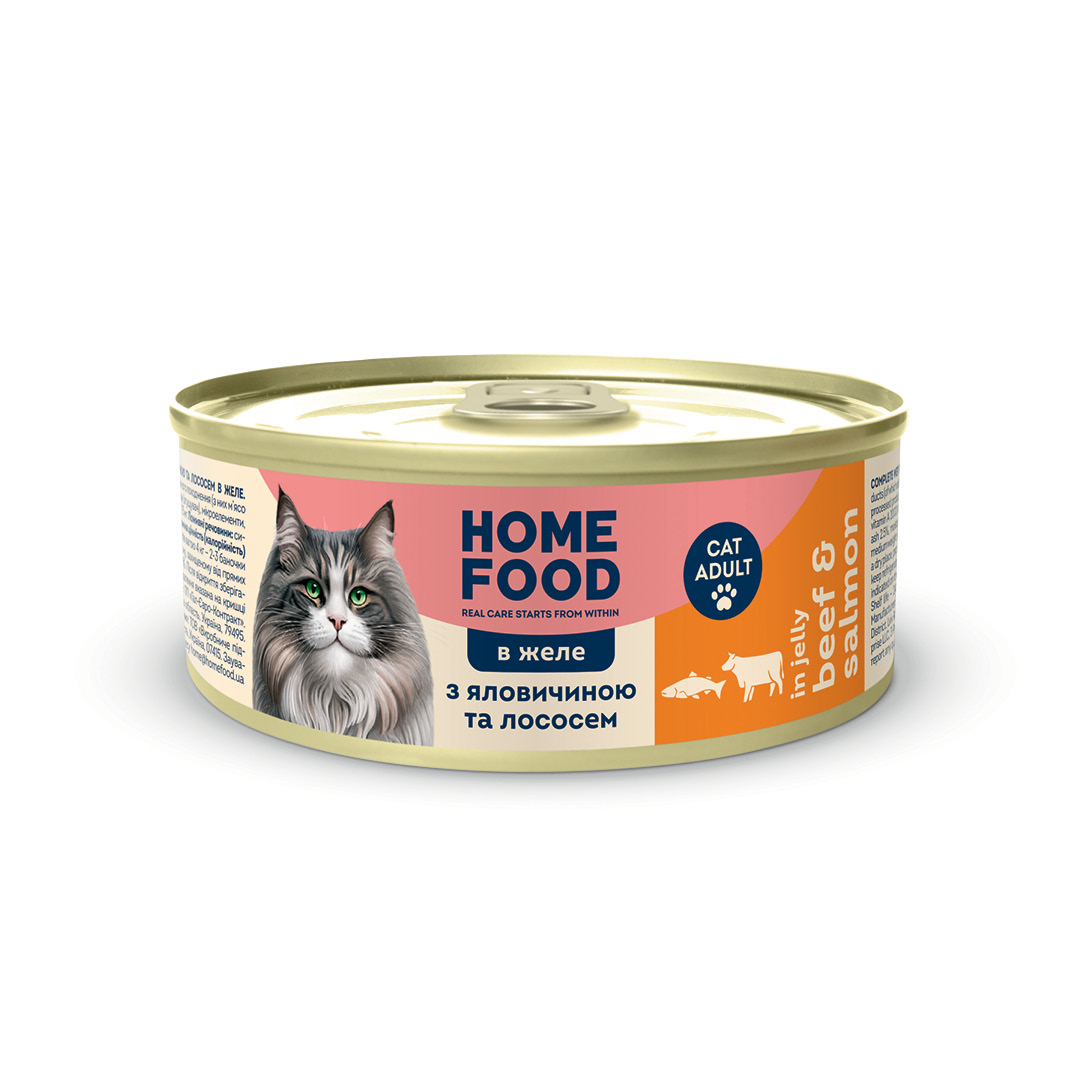
HOME FOOD — complete wet food for adult cats with beef and salmon in jelly, 85 g
Buy
HOME FOOD — drinking water for cats for prevention of urolithiasis, 1 l
Buy
Subspecies
The reed cat has up to ten subspecies that differ in size, color nuances, and regions of habitation. The largest are considered to be the Caucasian and Turkestan subspecies, which inhabit mountainous and steppe regions. The Himalayan and Indian subspecies are usually smaller and tend toward more humid, forested, or coastal areas.
It should be understood that white coloration is not a sign of a separate subspecies. Most often it is associated with inbreeding in animals kept in captivity. Regardless of subspecies, all reed cats retain common traits: a high degree of independence, predatory instincts, and very strong behavioral attachment to the environment rather than to a domestic lifestyle format.
Answers to popular questions
Can a reed cat be kept in an apartment?
Such housing will not be fully comfortable. A reed cat requires large space, an enclosure, or access to the outdoors and conditions as close as possible to its natural environment.
What food does a reed cat prefer?
It needs natural food: fresh meat, fish, live or feeder prey components, and properly selected supplements. Ready-made food alone is not sufficient for this species.
How does a reed cat affect other pets?
For small animals, it can be dangerous due to its strong hunting instinct. With other cats or dogs, it sometimes gets along, but only with proper socialization and sufficient space.
How aggressive is a reed cat?
It is not aggressively unprovoked, but rather a territorial and highly independent animal. If you violate its boundaries or create overly stressful conditions, its reactions can be sharp and dangerous.
Conclusion
The reed cat is not an exotic version of a domestic cat, but a full-fledged wild predator with its own instincts, requirements for space, nutrition, and contact with humans. Its appearance is truly striking, but romanticizing such an animal is not advisable: living with it is only possible under very prepared conditions and a responsible approach.
If you like the appearance of a reed cat but are looking for a safer and more suitable domestic companion, it's better to look toward breeds or hybrids with a similar type of appearance. The reed cat itself deserves above all respect for its wild nature, rather than an attempt to turn it into an ordinary household pet.