The Persian cat is one of the most recognizable breeds in the world. It is easily identified by its round face, large eyes, massive body, and very long luxurious coat. But behind this striking appearance lies not only beauty, but also a certain responsibility: Persians require significantly more daily care than many other domestic cats.
This breed captivates not with boisterous energy, but with calm, gentleness, and domestic comfort. Persians value quiet, dislike fuss, and often become ideal companions for people who want a calm, affectionate, and very home-loving pet.
In this article, we'll explore where the Persian cat comes from, what its modern appearance is like, what its temperament is, why coat and eye care is critically important, what health risks are associated with brachycephaly, and how to properly organize diet and living conditions for a Persian.
Brief breed characteristics
| Origin | Historically Persia (modern-day Iran), modern breeding primarily Great Britain and USA |
| Other name | Persian Longhair, Persian cat |
| Breed type | Long-haired selectively bred domestic cat |
| Size and weight | Medium to large format; approximately 3.5–7 kg |
| Lifespan | On average 12–17 years |
| Coloring | Many variations: solid colors, tabby, smoke, bicolor, colorpoint and others |
| Coat type | Very long, dense, soft, with thick undercoat |
| Temperament | Calm, gentle, phlegmatic, peaceful |
| Care | Daily brushing, monitoring of eyes, coat, teeth and weight |
| Suitable for | Calm people ready for regular grooming and attentive home care |
History of origin
The Persian cat is one of the oldest and most recognizable long-haired breeds. Historical accounts link its origin to long-haired cats that were brought to Europe from Persia in the 17th century. This is where the breed name comes from, although the modern Persian type is the result of many years of selective breeding in Europe and the USA.
In the 19th century, Persians became extremely popular in Great Britain, and Queen Victoria's fondness further strengthened their status. Subsequently, selective breeding increasingly changed the breed: the face became flatter, the body more massive, and the coat denser and longer. This is how the familiar type we know today was formed.
In modern descriptions, a distinction is often made between the classical Persian type with a more moderate face and the more extreme type with pronounced brachycephaly. And this difference matters not only for appearance, but also for health.
- The Persian cat has ancient historical roots connected to long-haired cats from the East.
- The modern appearance of the breed is the result of long-term selective breeding in Great Britain and the USA.
- The degree of facial extremeness in Persians is directly related to welfare and health issues.
Appearance
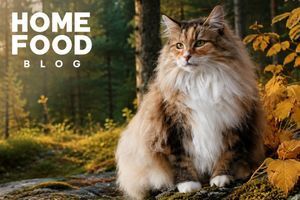
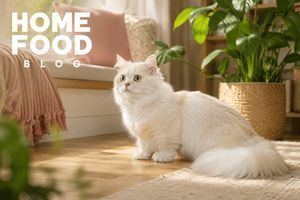
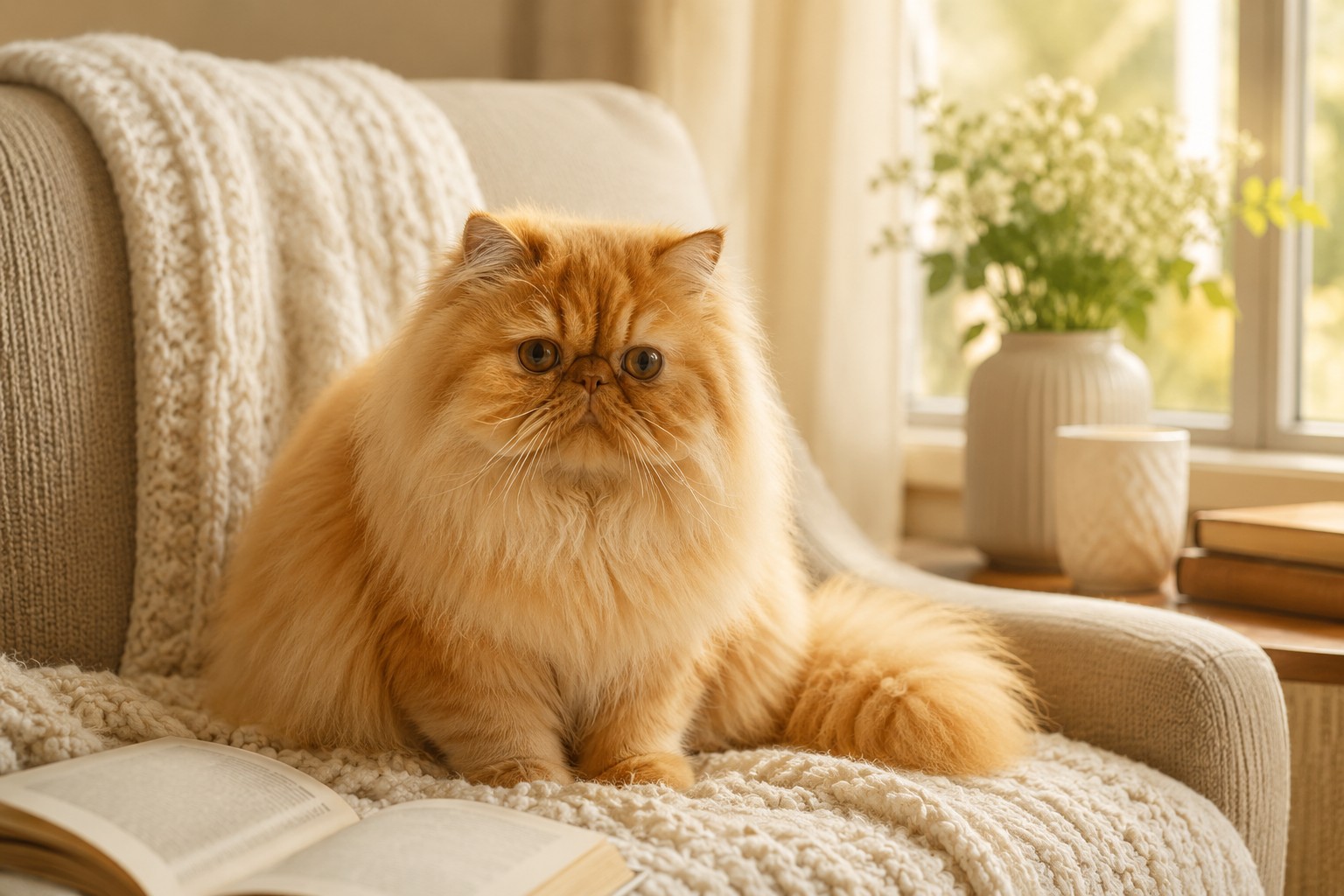
The Persian cat is a massive 'cobby' type animal with a broad chest, short strong legs, and a fluffy tail. The head is large and round, with small, widely-set ears. The eyes are large, round, very expressive, and their color often depends on the coat color.
The main hallmark of the breed is a very long, dense coat with rich undercoat. It forms a luxurious collar on the neck, pronounced 'pants' on the hind legs, and overall creates that very image of a soft fluffy cat that Persians are so loved for. But this very beauty is the main practical difficulty of the breed.
The structure of the face deserves special attention. In some Persians it is moderate, and in others very flat. This 'snub-nosed' type looks distinctive, but it is also associated with the risk of breathing problems, eye issues, and overall discomfort for the animal.
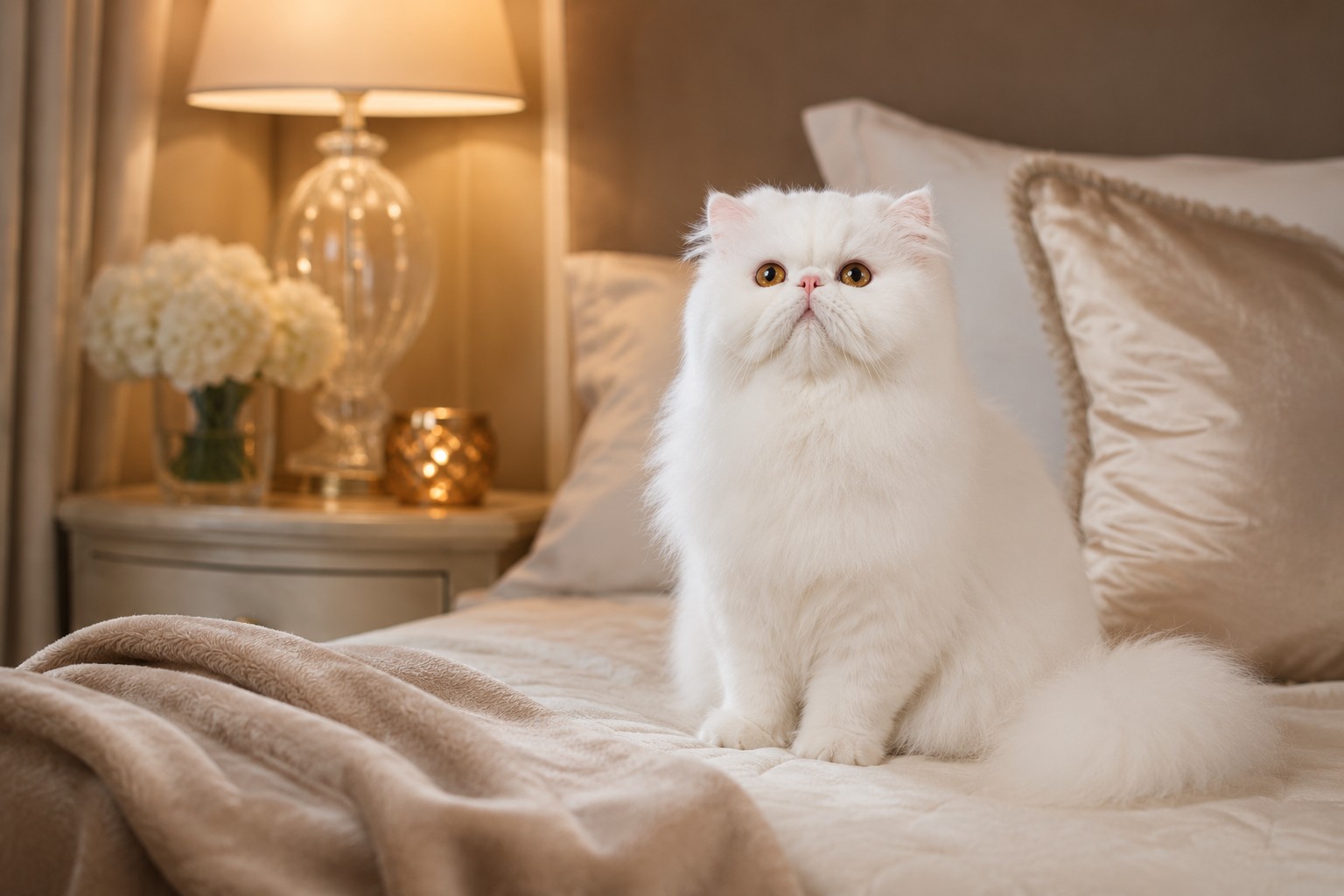

The Persian is easily recognized by its round face, large eyes, and very long dense coat with abundant undercoat
Temperament
Persian cats are usually very calm, gentle, and home-loving. They are not prone to chaotic activity, rarely engage in loud play, and typically do not constantly seek to conquer heights or explore every shelf. For them, comfort, familiar routine, and quiet are much more important.
A Persian won't insistently demand attention every moment, but this doesn't mean indifference. Many representatives of the breed like to be near their owner, lie nearby, quietly accompany the person around the apartment, or simply watch quietly what's happening. It is this restrained affection that attracts many owners.
Persians often get along well with children and other animals if the environment is not too noisy and the cat is handled carefully. This is not a breed for rough play or constant stress, but for a calm family it can be very comfortable.
Behavior at home
Persians feel best in a stable home environment. They are well-suited for apartment living, do not have a pronounced need for intense physical activity, and usually comfortably tolerate quiet solitude. But this does not eliminate the need for clean space, comfortable beds, a quality litter box, and a good climate without overheating.
Due to low activity, weight control is especially important for Persians. If the lifestyle is too 'lazy' and food is always freely available, the cat can quickly gain excess weight. Therefore, even a calm breed needs thoughtful feeding routines and gentle daily stimulation of movement.
- A Persian feels best in a quiet, stable, and predictable home environment.
- The breed is well-suited for an apartment, but not for neglectful care.
- Low activity increases the importance of weight control and a balanced diet.
Features of keeping and care
Daily brushing is not an option, but a basic need for a Persian cat. Its fine long coat with dense undercoat very quickly mats if grooming is skipped. For care, combs with varying tooth spacing are usually used and work is done gently but regularly.
The second critical area is the eyes. Due to the structure of the face, many Persians have excessive tearing, so eye care must be done daily to prevent skin irritation and darkening of the coat under the eyes. This daily routine often becomes the most obligatory part of life with the breed.
It is also important to monitor the condition of teeth, ears, and claws. Persians are not outdoor or 'self-sufficient' cats. They are completely dependent on human attentiveness, and this should be honestly considered before choosing a kitten.


Steam massage brush 3 in 1 — "Avocado" for dog and cat coat care
Buy
HOME FOOD Beauty — set for dogs and cats: "Perfect Care" shampoo 200 ml + "Silky Touch" conditioner 200 ml
Buy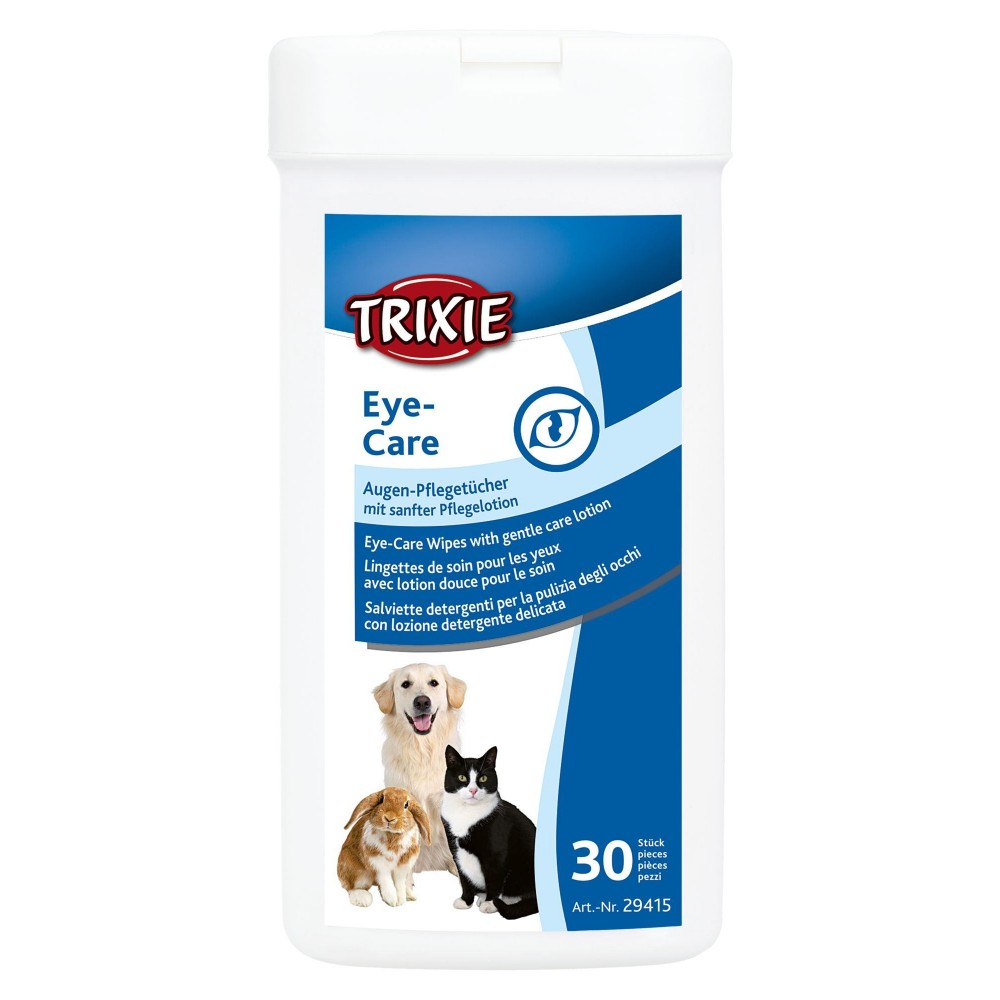
Trixie — eye care wipes for dogs and cats, 30 pcs
Buy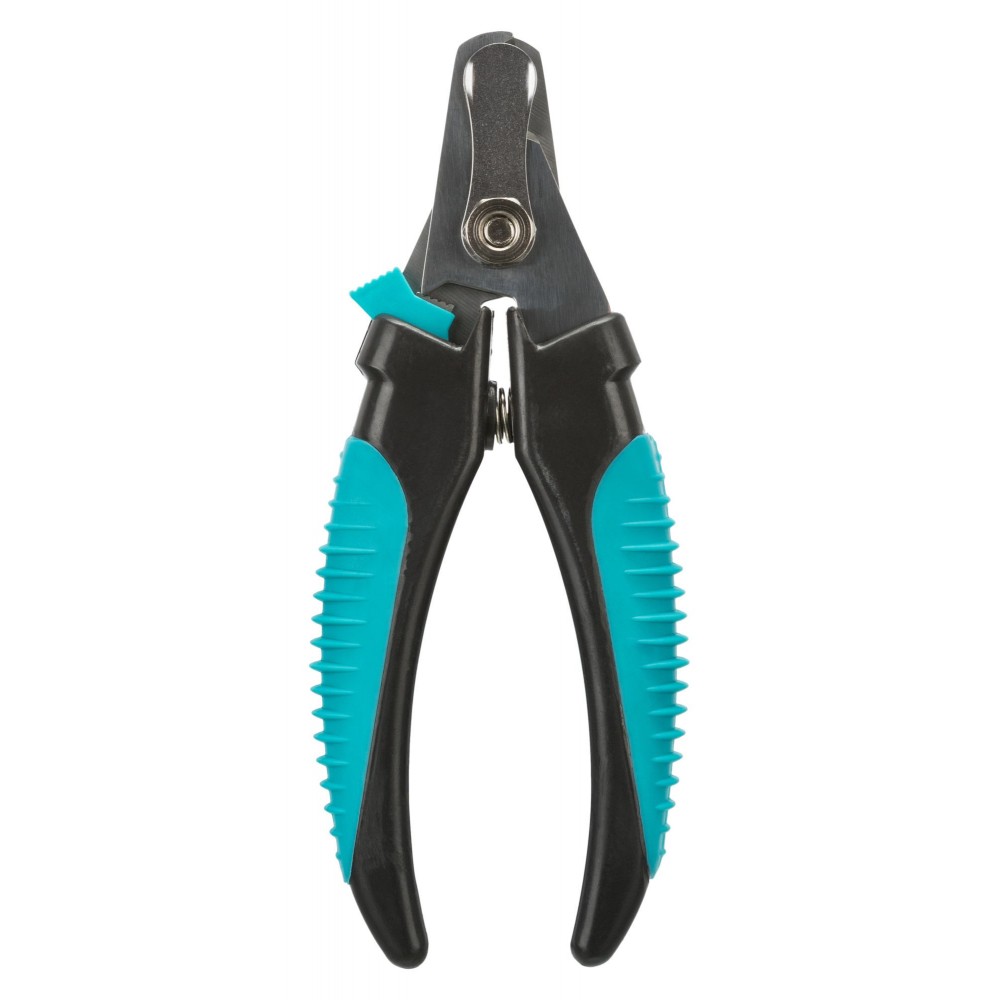
Trixie Luxe — nail clipper for pets, large, 16 cm
Buy
For a Persian, the most important things are daily brushing, eye care, weight control, and a cool, calm living environment
Health and genetics
The specific appearance of a Persian cat directly affects its health. Most often, the consequences of brachycephaly are discussed: difficulty breathing, tendency to tearing, eye problems, poor heat tolerance, and sometimes dental difficulties due to the special structure of the jaws.
It is also important to mention polycystic kidney disease separately. This is a hereditary risk that is well-known in Persians, so responsible breeders test parental lines. Hypertrophic cardiomyopathy is also mentioned in connection with the breed, so regular cardiac monitoring may be appropriate for some animals.
That is why when choosing a kitten, it is worth inquiring not only about appearance but also about test results, living conditions, and the breeder's overall approach to health. An extremely flat face should never be more important than the animal's comfort.
Nutrition
The diet of a Persian cat should take into account several factors at once: low activity, tendency to gain weight, the need for good coat quality, and the relevance of preventing hairballs in the stomach. Therefore, random feeding of "whatever is available" works especially poorly for this breed.
It is most convenient to focus on a quality ready-made diet with clear portion dosing. It is useful to combine dry and wet food, monitor water balance, and not overfeed even a very calm cat. For a Persian, excess weight quickly worsens both overall comfort and quality of life.
Coat condition, absence of constipation, good appetite, clean skin, stable weight, and normal activity are practical signals that nutrition has been chosen well.

HOME FOOD Healthy skin and shiny coat — dry food for adult cats, turkey and salmon
Buy
HOME FOOD Omega Balance — oil for cats, balance of Omega-3, -6, -9
Buy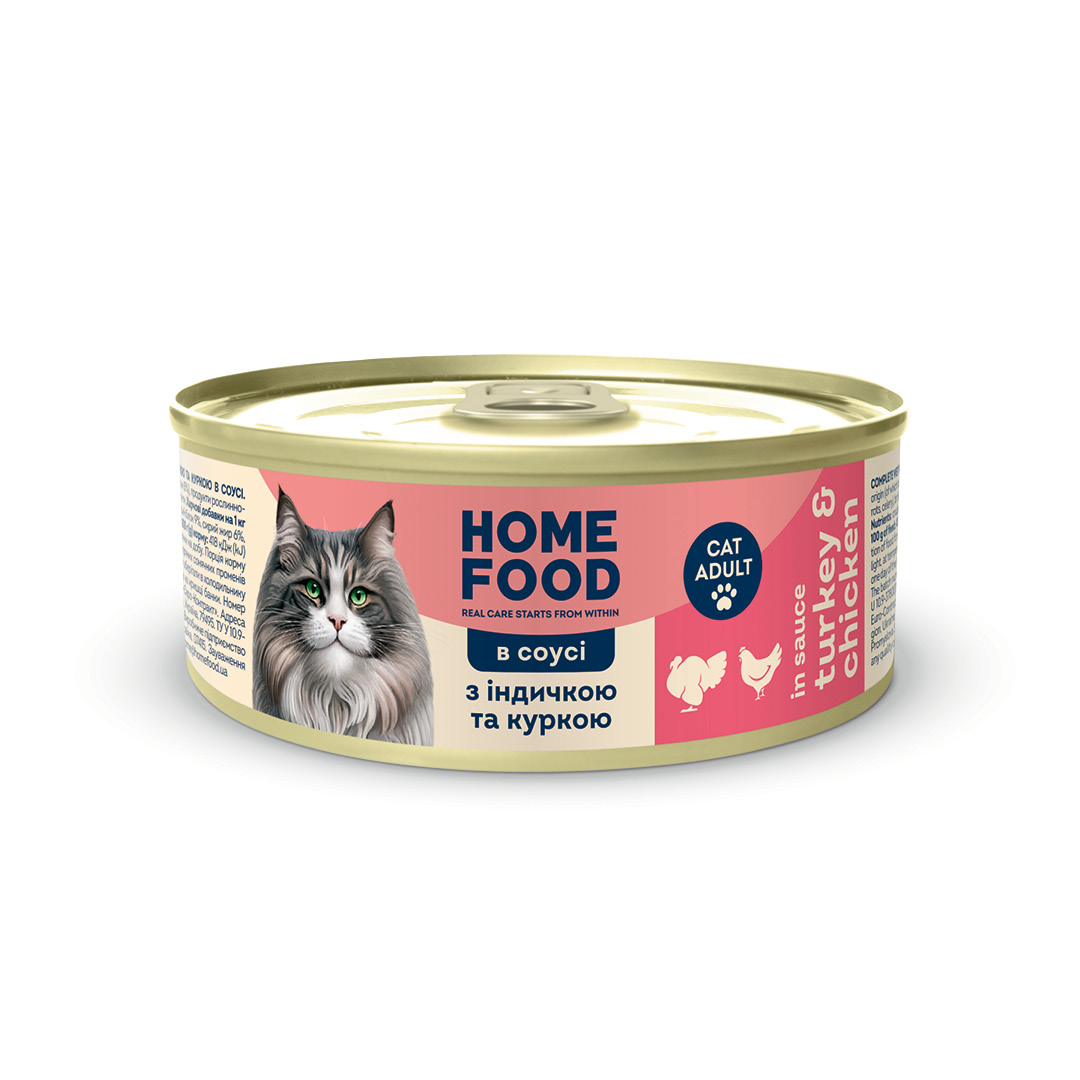
HOME FOOD — complete canned food for adult cats with turkey and chicken in sauce
Buy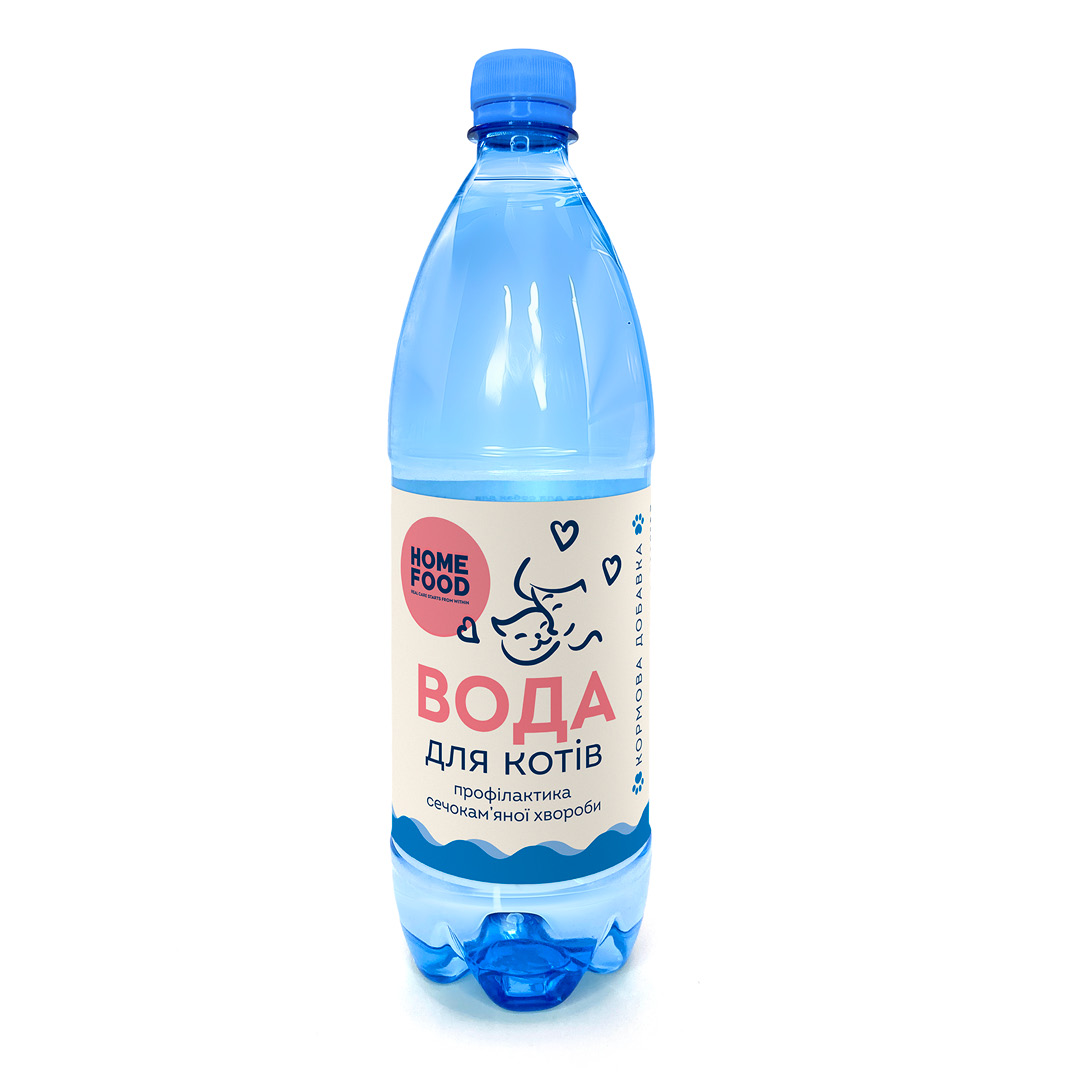
HOME FOOD — drinking water for cats for the prevention of urolithiasis, 1 l
Buy
Breed pros and cons
Before choosing a Persian, it is important to honestly weigh not only the beauty of the breed but also the daily discipline it requires.
- The advantages include a calm temperament, gentleness, a strongly home-loving nature, and striking appearance.
- The breed is well-suited for apartment living and a quiet lifestyle.
- The disadvantages include complex coat care, daily eye hygiene, and risks associated with brachycephaly.
- A Persian is not suitable for people who want a beautiful cat but are not ready for regular grooming and careful health monitoring.
Similar breeds
The Persian cat is most often compared to the Exotic Shorthair and the Himalayan cat. The Exotic Shorthair has a similar body and face shape but much simpler coat care. The Himalayan combines the Persian type with point coloring related to the Siamese group.
Conclusion
The Persian cat is a breed not about excitement but about home comfort, softness, and a special calm presence beside a person. It is perfect for those who value quiet, beauty, and warm contact without unnecessary fuss.
But along with this beauty comes responsibility: daily coat and eye care, weight control, attention to breathing, heart, and kidneys. If the owner is ready for this, a Persian can become a very tender and harmonious companion for many years.