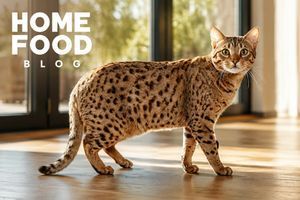
The Siamese cat is one of the most famous breeds in the world and at the same time one of the most distinctive. Its appearance cannot be confused with anyone: a long flexible body, a wedge-shaped head, large ears, deep blue eyes and contrasting color-point coloring, in which the muzzle, ears, paws and tail remain darker.
But the real appeal of a Siamese cat is not only its appearance. This is a cat with a very vivid temperament: sociable, intelligent, emotionally engaged and often very "talkative". In many families, the Siamese cat is seen not as a decorative pet, but as a true companion in the household who participates in everything happening around it.
In this article, we'll explore where the Siamese cat comes from, what its appearance and behavior are like, what is important to know about health, nutrition and living conditions, and who this breed is best suited for.
Brief breed characteristics
| Origin | Thailand (former Siam) |
| Alternative name | Royal cat of Siam |
| Breed type | Siamese-Oriental group, short-haired |
| Size and weight | Medium format; females 3–4 kg, males 4–6 kg |
| Lifespan | On average 12–20 years |
| Coloring | Color-point: seal, chocolate, blue, lilac |
| Coat type | Very short, lies close to the body, no undercoat |
| Character | Extrovert, very sociable, intelligent, devoted |
| Health features | Predisposition to dental problems, sensitivity to anesthesia and certain behavioral traits |
| Suitable for | People who want a very affectionate cat and are ready for regular interaction |
History of origin
The Siamese cat is one of the oldest and most famous breeds in the world. Its homeland is ancient Siam, that is, modern Thailand. In ancient manuscripts from the Ayutthaya period, light-colored cats with dark points were already described, and these very mentions are considered among the earliest documentary evidence of the breed's existence. For centuries, Siamese cats were associated with Buddhist temples, nobility and the royal court, which gave them the reputation of sacred and highly valued animals.
In Europe, the first Siamese cats became known in the late 19th century. It was then that they appeared in Great Britain and quickly caused a real sensation: the appearance of these animals was strikingly different from everything the public was used to seeing before. Siamese cats also came to the United States during the same historical period and quite quickly became among the first officially recognized pedigree cats in feline organizations.
The modern type of Siamese cat was formed gradually. At first, seal-points were primarily known in the show world, and later other classic color variations—blue, chocolate and lilac—gained recognition. Despite various stages of selection, the Siamese cat remains for many people the standard of oriental grace and one of the basic breeds of the entire Siamese-Oriental group.
- The Siamese cat originates from Thailand and is considered one of the oldest recognized breeds.
- It was the Siamese cat that became the parent breed for many modern Siamese-Oriental lines.
- The classic colors of the breed are seal, chocolate, blue and lilac-point.
Appearance
The Siamese cat has a long, lean, flexible and very elegant body without roundness or unnecessary bulk. The breed gives the impression of being light, but in fact it is muscular and strong. According to modern standards, every line in the Siamese cat's silhouette should be elongated: the neck, legs, tail, head and even the line of the muzzle.
The head forms a clear wedge from the nose to the tips of the large ears. The eyes are almond-shaped, set with a characteristic oriental slant, and their color should be a rich blue. The coat is very short, fine, shiny, lies close to the body and has almost no undercoat, which makes the silhouette look even more defined.
Coloring plays a special role. The Siamese cat is characterized by a striking contrast between the lighter body and darker points on the muzzle, ears, paws and tail. The classic variations are considered seal, chocolate, blue and lilac-point. With age, the Siamese cat's body often darkens, and this is considered normal if the overall contrast is maintained.


The Siamese cat is easily recognized by its wedge-shaped head, sapphire-blue eyes and contrasting color-point coloring
Behavior and character
The Siamese cat is a bright extrovert in the world of cats. If you like independent and quiet animals, this breed may seem too emotional. For a Siamese cat, people are the center of everyday life, and it truly seeks to be nearby, participate in family affairs, watch everything around it and actively comment on events.
Siamese cats are very intelligent, curious and learn well. They can open doors, bring toys, get used to simple house rules, master a harness or basic tricks. But this intelligence requires stimulation: without games, communication and attention, the pet quickly gets bored, and boredom in a Siamese cat often turns into destructive behavior or very persistent vocalization.
With proper introduction, Siamese cats often get along well with children, other cats and even dogs. At the same time, they find constant solitude difficult. That is why this breed feels best in a home where people are often present or ready to compensate for their absence with active interaction upon return.
- The Siamese cat becomes very attached to a person and often literally follows them throughout the house.
- The breed is known for high intelligence, talkativeness, good trainability and love of play.
- This is not the best option for those who want a maximally autonomous and quiet cat.

Siamese cats feel best where there are people, games, conversation and constant emotional contact with the family
Keeping and care
The Siamese cat is not a complicated breed in terms of grooming. Its short coat hardly sheds, has no thick undercoat and usually requires only light weekly brushing or even just regular "smoothing" with a damp hand. For many Siamese cats, this is already enough to keep the coat shiny and neat.
Instead, more attention is often needed not for the coat, but for general hygiene. For Siamese cats, it is advisable to regularly check the eyes, condition of the ears, length of claws and, especially, teeth. For this breed, prevention of gingivitis and plaque is of practical importance, so at-home oral care and periodic veterinary dental check-ups are truly justified.
It is also important to remember the emotional needs of the breed. A Siamese cat lives better not where there is a large area, but where there are people, vertical surfaces, toys and constant interaction. This is a cat that needs more than just a bowl, litter box and bed: it wants contact, participation in daily life and mental stimulation.
In everyday care for the Siamese cat, the most important things are light grooming, eye and claw hygiene, teeth control and actively involving the cat in family life.


Trixie — grooming glove 16×24 cm
Buy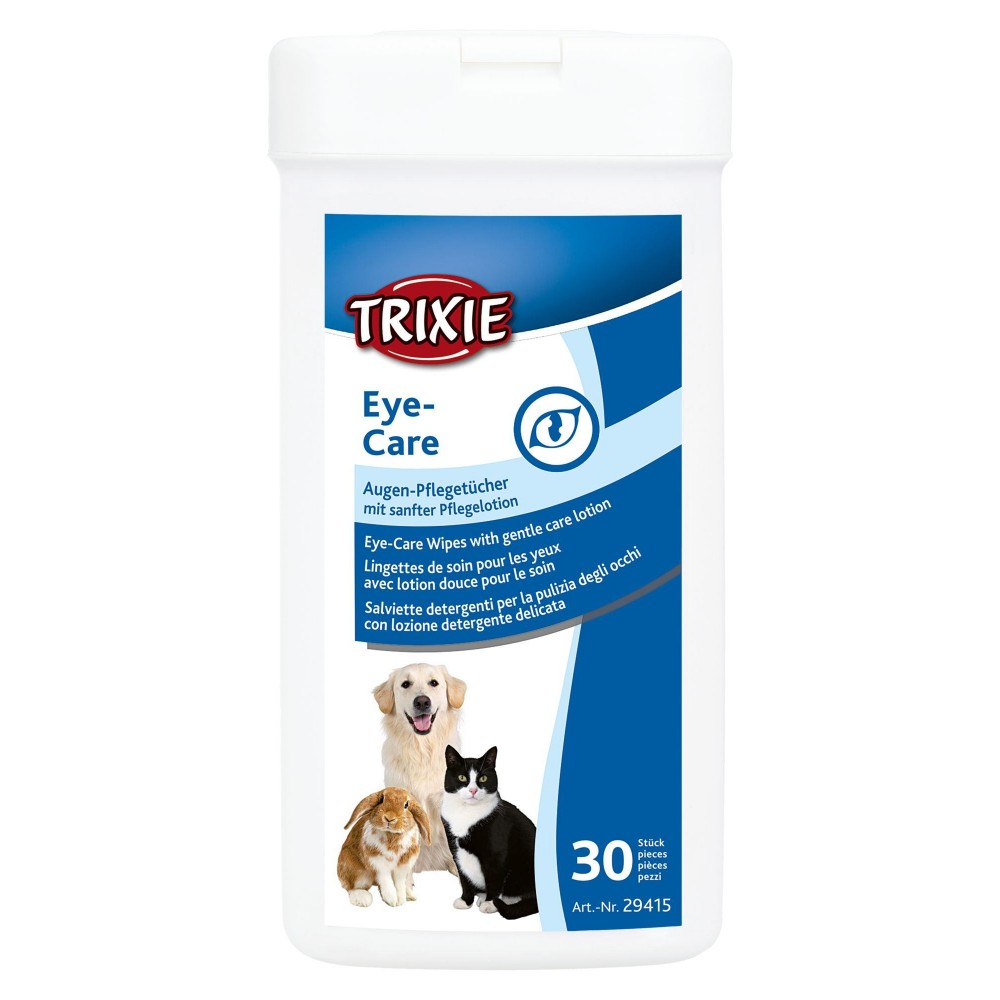
Trixie — eye care wipes for dogs and cats, 30 pcs
Buy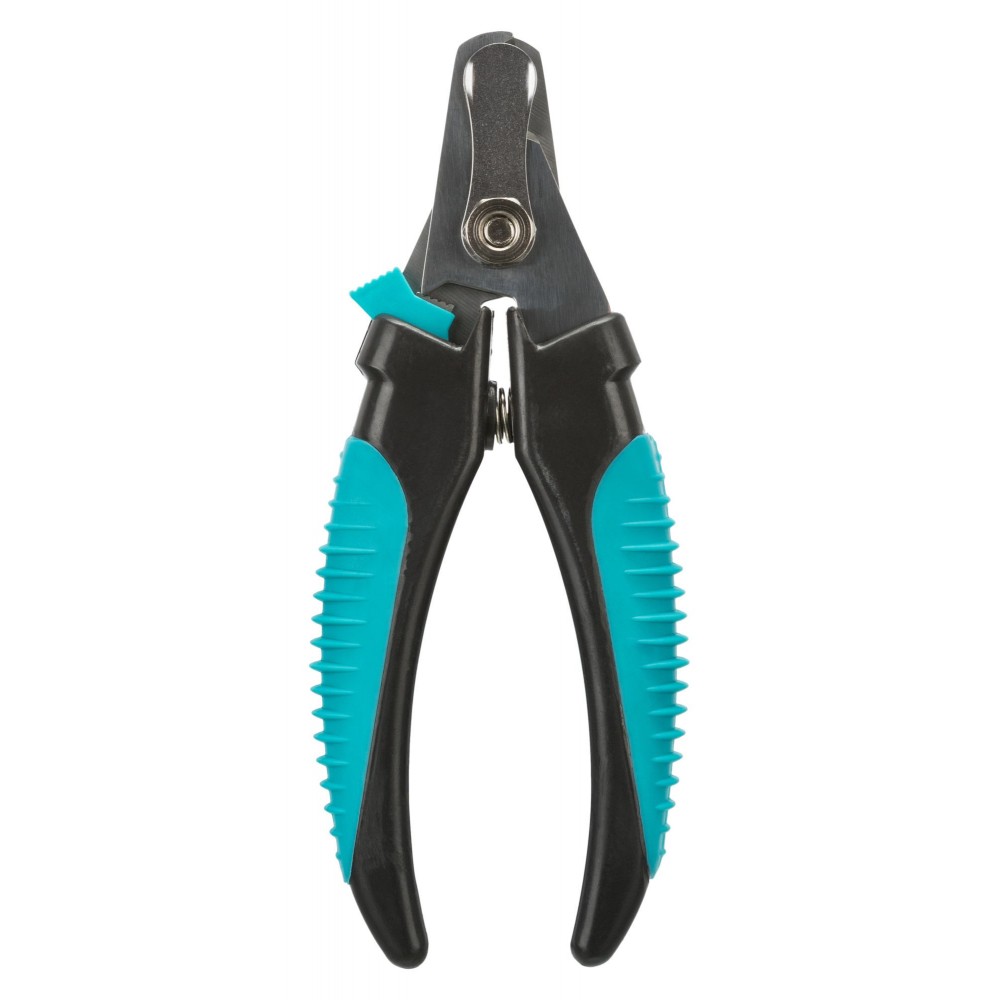
Trixie Luxe — nail clipper for pets, large, 16 cm
Buy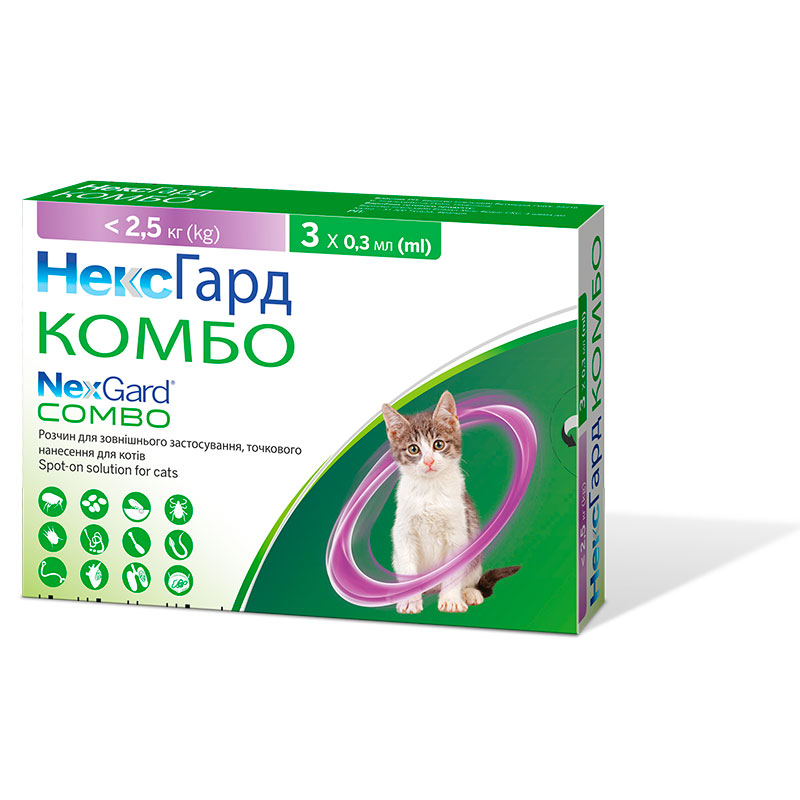
NexGard Combo — antiparasitic drops for cats up to 2.5 kg
Buy
Health
Siamese cats often live for many years and are generally considered hardy, but the breed has several points worth knowing in advance. Various sources most frequently mention a predisposition to dental problems, certain respiratory difficulties, increased sensitivity to anesthesia, and in some lines — to amyloidosis. This does not mean that every Siamese cat will necessarily have such problems, but the breed truly requires regular preventive check-ups.
Pica is worth mentioning separately — a behavioral trait where a cat may chew or swallow inedible objects: bags, fabric, strings, or rubber bands. In Siamese cats, such behavior is described more frequently than on average in the cat population, so a safe home for them is especially important. Everything that could be swallowed is better not left within easy reach.
Another practical point is weight control. A Siamese should look lean and trim, not round. Even a small weight gain changes the silhouette, reduces activity, and creates additional strain on the body, so estimating portions "by eye" with this breed is not the best idea.
- Siamese cats need regular preventive check-ups, tooth control, and attention to behavioral changes.
- In the home, it's worth minimizing access to threads, bags, rubber bands, and other small items that a cat might chew or swallow.
- A healthy condition for this breed is a lean, muscular, but not round body.
Nutrition
Siamese cats are very active, emotional, and often have quite a sensitive digestive tract, so their diet should be chosen carefully. The basis should be a complete feed with quality animal protein, predictable composition, and clear dosing. Due to their love of food and tendency to persistent "requests for more," free access to food is often not the best solution.
For many Siamese cats, a scheme with several moderate meals throughout the day works well. This feeding schedule is closer to a cat's natural eating pattern, helps control hunger, and reduces the risk of overeating. If the animal is spayed or has sensitive digestion, the diet is better chosen right away taking these factors into account, rather than after problems appear.
Water for a Siamese is also critically important, especially if dry food makes up the basis of the menu. A combination of dry and wet diet often provides the most convenient balance between moisture content, palatability, and maintaining hydration.

HOME FOOD For active — dry food for active adult cats, chicken and shrimp
Buy
HOME FOOD With sensitive digestion — dry food for spayed/neutered adult cats, lamb and salmon
Buy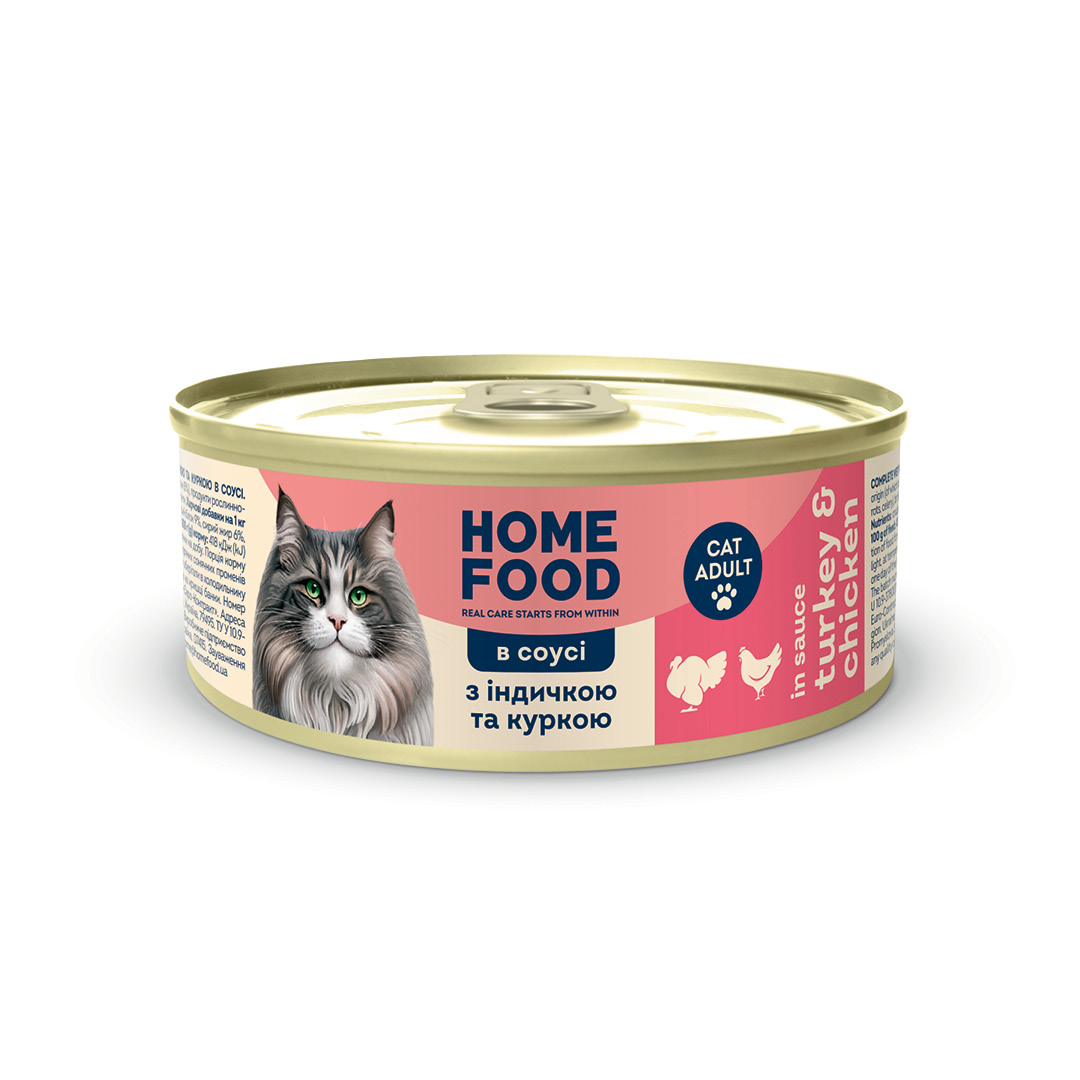
HOME FOOD — complete food for adult cats with turkey and chicken in sauce
Buy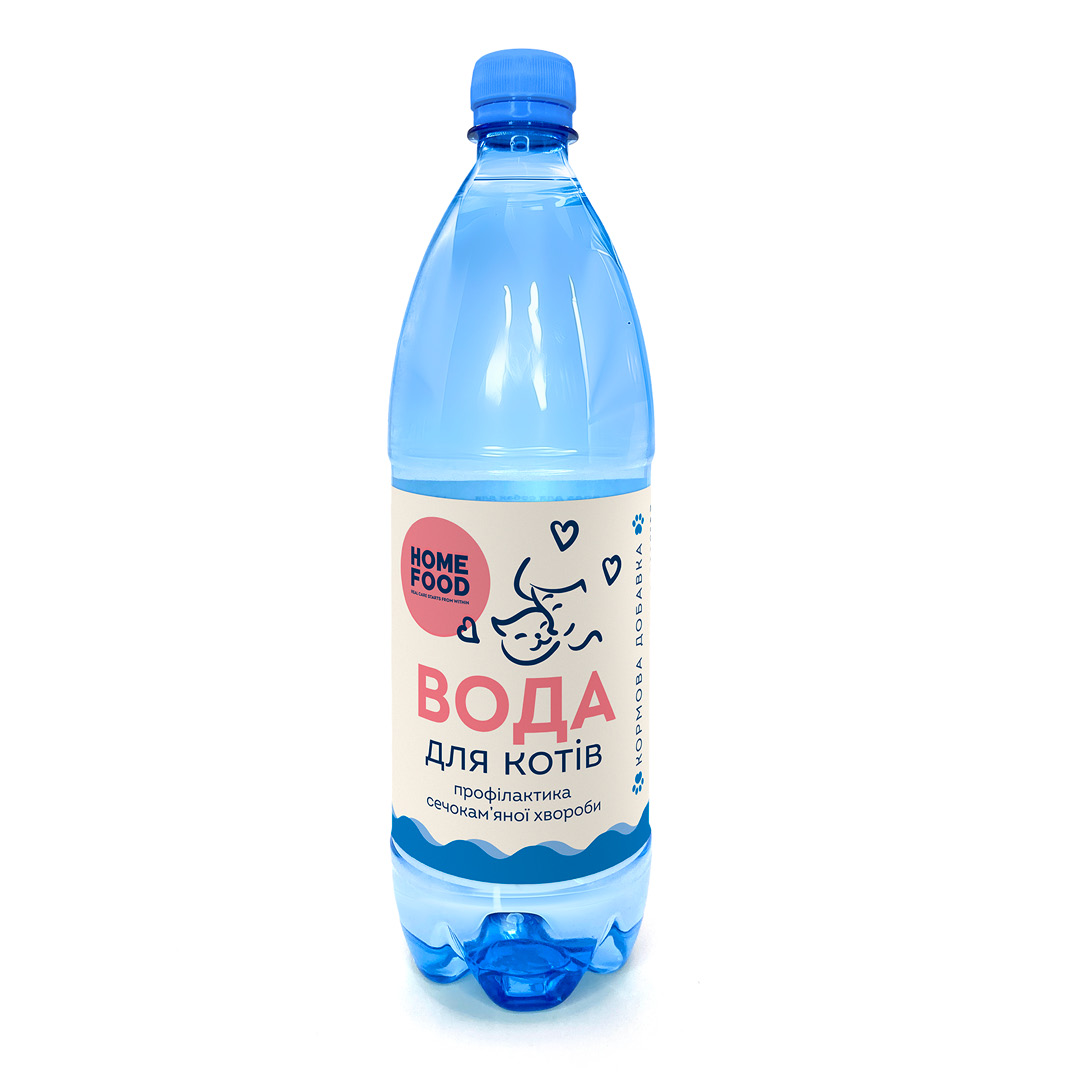
HOME FOOD — drinking water for cats for urinary stone prevention
Buy
Breed pros and cons
Before choosing a Siamese cat, it's important to evaluate not only its striking appearance but also its temperament, which doesn't suit everyone. This is a breed with a very strong presence in the home.
- The advantages include high intelligence, strong attachment to people, beautiful appearance, and uncomplicated coat care.
- A Siamese cat is well-suited for those who want a very affectionate, active, and emotionally engaged pet.
- The disadvantages include a loud voice, difficulty coping with loneliness, a strong need for attention and a need for regular mental stimulation.
- It's not the best choice for a home where the cat will be left alone for long periods and won't have stable daily contact with people.
Conclusion
The Siamese cat is a choice for those seeking not just a beautiful cat, but a very striking personality. It is emotional, intelligent, expressive, devoted, and almost always wants to be near people. For some, this will be the breed's main advantage, and for others — its main challenge.
If you give a Siamese cat enough communication, playtime, a clear routine, a balanced diet and basic preventive care, it will be not only striking, but also a truly close companion for many years.