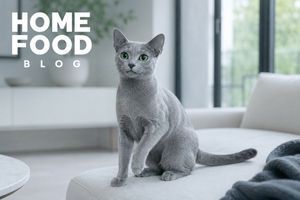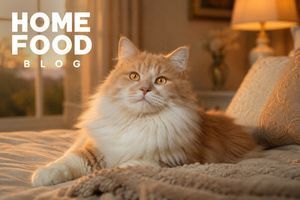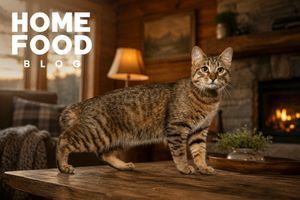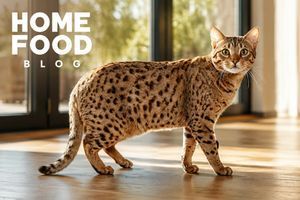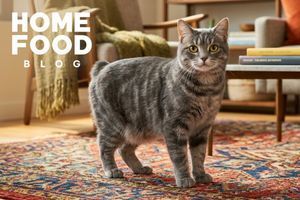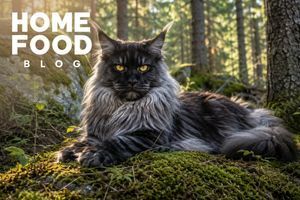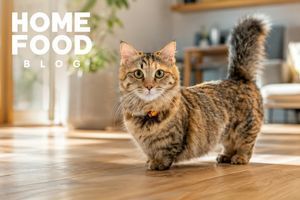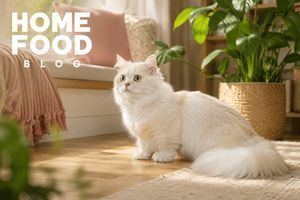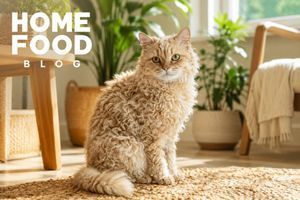
The Siberian cat developed naturally and retained a very distinctive "forest" type: strong bone structure, powerful muscles, thick fur with a dense undercoat and calm confident behavior. This is not a decorative breed in the narrow sense, but an animal whose appearance is directly related to adaptation to a harsh climate.
Despite their significant size and impressive coat, Siberian cats are usually not difficult to care for in everyday life. They are independent but become attached to their family, love stability, sense boundaries well and are not prone to being clingy. That is why the breed appeals to people who value calm interaction, intelligence and natural balance.
In this article, we'll explore how the Siberian cat developed, what its appearance, character and behavior are like, and what is important to know about the care, health and nutrition of this large semi-longhaired breed.
Brief breed characteristics
| Origin | Russia, aboriginal breed |
| Alternative name | Siberian cat |
| Breed type | Semi-longhaired |
| Size and weight | Medium–large format; approximately 4–10 kg |
| Lifespan | On average 15–20 years |
| Coloring | Almost all variations, including the Neva Masquerade line |
| Coat type | Thick, double, with dense undercoat and water-repellent outer coat |
| Character | Calm, independent, devoted, intelligent and balanced |
| Care | Regular: brushing, shedding control, eye, ear, nail and dental hygiene |
| Suitable for | Those who value natural breeds, calm interaction and have space for a large cat |
History of origin
The Siberian forest cat developed naturally in conditions of harsh climate, which directly reflected in its appearance and character. Strong bone structure, developed musculature and a thick water-repellent coat — these are not decorative features, but the result of adaptation to cold and survival in a challenging environment.
Historical written sources from the 17th century already contain descriptions of cats externally similar to the modern Siberian breed. They were noticed in Siberian regions, where animals performed a practical task—protecting houses and farm buildings from rodents. There is no single version of the origin: according to one hypothesis, northern longhaired cats influenced the formation of the type, according to another—kinship with eastern lines that could have reached Russian territory through trade routes.
Purposeful work on consolidating breed traits began in the 1980s. It was during this period that standards were described and the breed received international recognition. According to TICA data, Siberians mature slowly and often reach full physical maturity only around five years of age, which well explains their massive yet harmonious build.
- The Siberian cat belongs to aboriginal breeds and developed naturally.
- The breed is associated with Russian regions and adaptation to a cold climate.
- Full physical maturity in Siberians often occurs more slowly than in many other breeds.
External characteristics
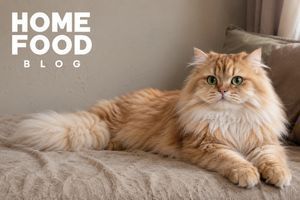
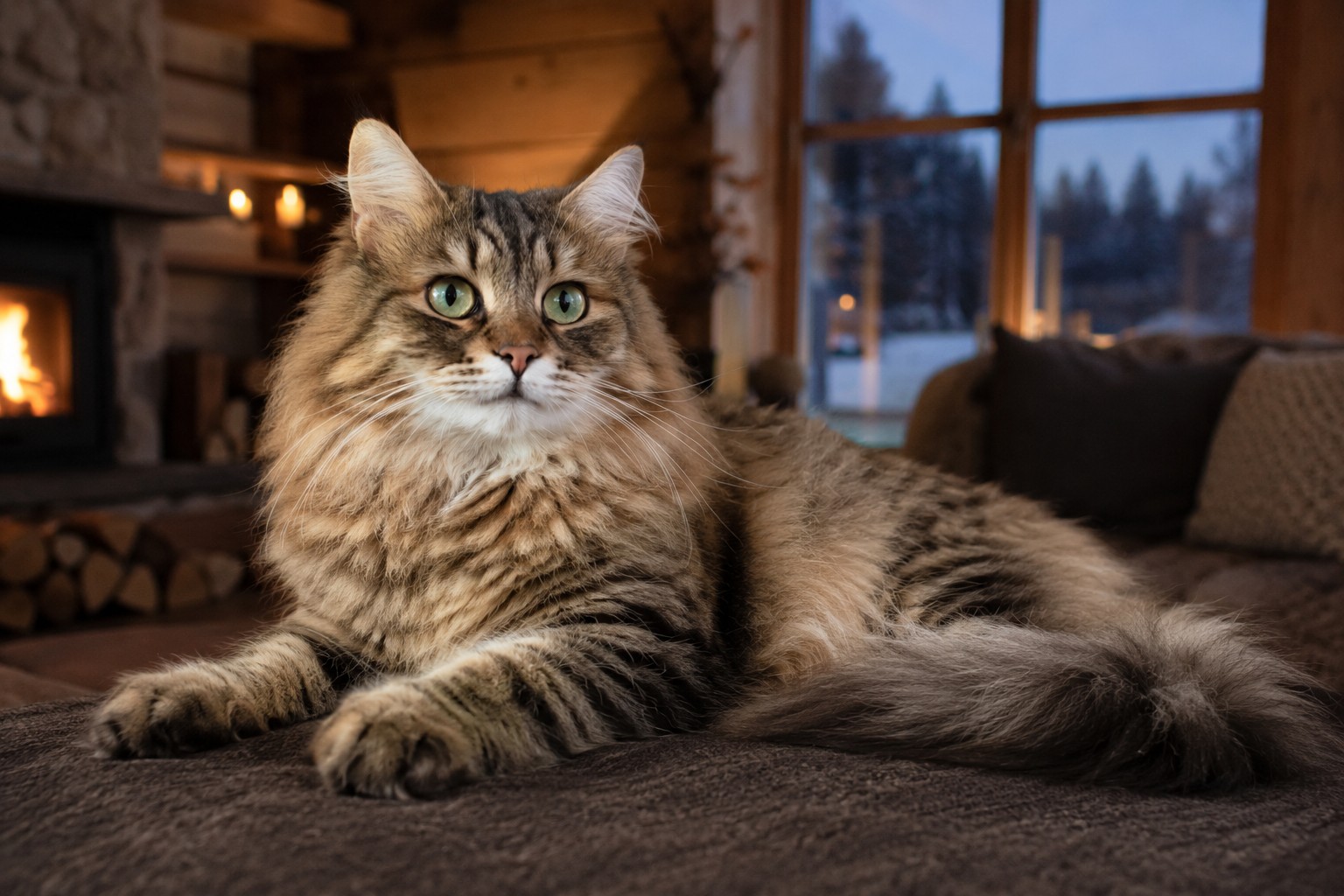
The Siberian cat combines a powerful muscular skeleton with natural grace. Its appearance is an embodiment of strength and harmonious build. The body is large, well-proportioned, with strong musculature; the legs are strong, and the tail is fluffy and proportional.
The head is massive, with soft rounded lines, expressive cheeks and medium ears, which are often slightly tilted forward. The eyes are usually large and expressive, most often yellow or green, although the specific shade depends on the coloring.
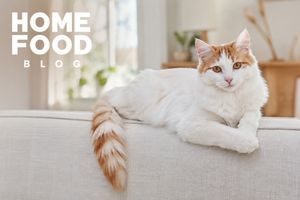
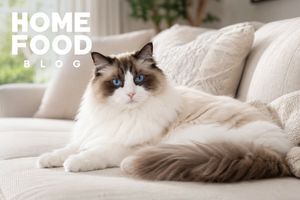
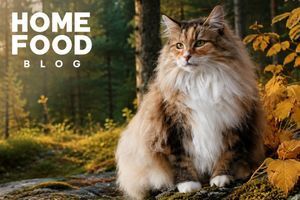
The coat deserves special attention. It is double: dense undercoat protects from cold, and stiffer guard hair partially repels moisture. Characteristic "collar", "pants" and luxurious tail give the cat a very striking appearance. Coloring can be almost any; color-point representatives are separately distinguished—the so-called Neva Masquerade cats.
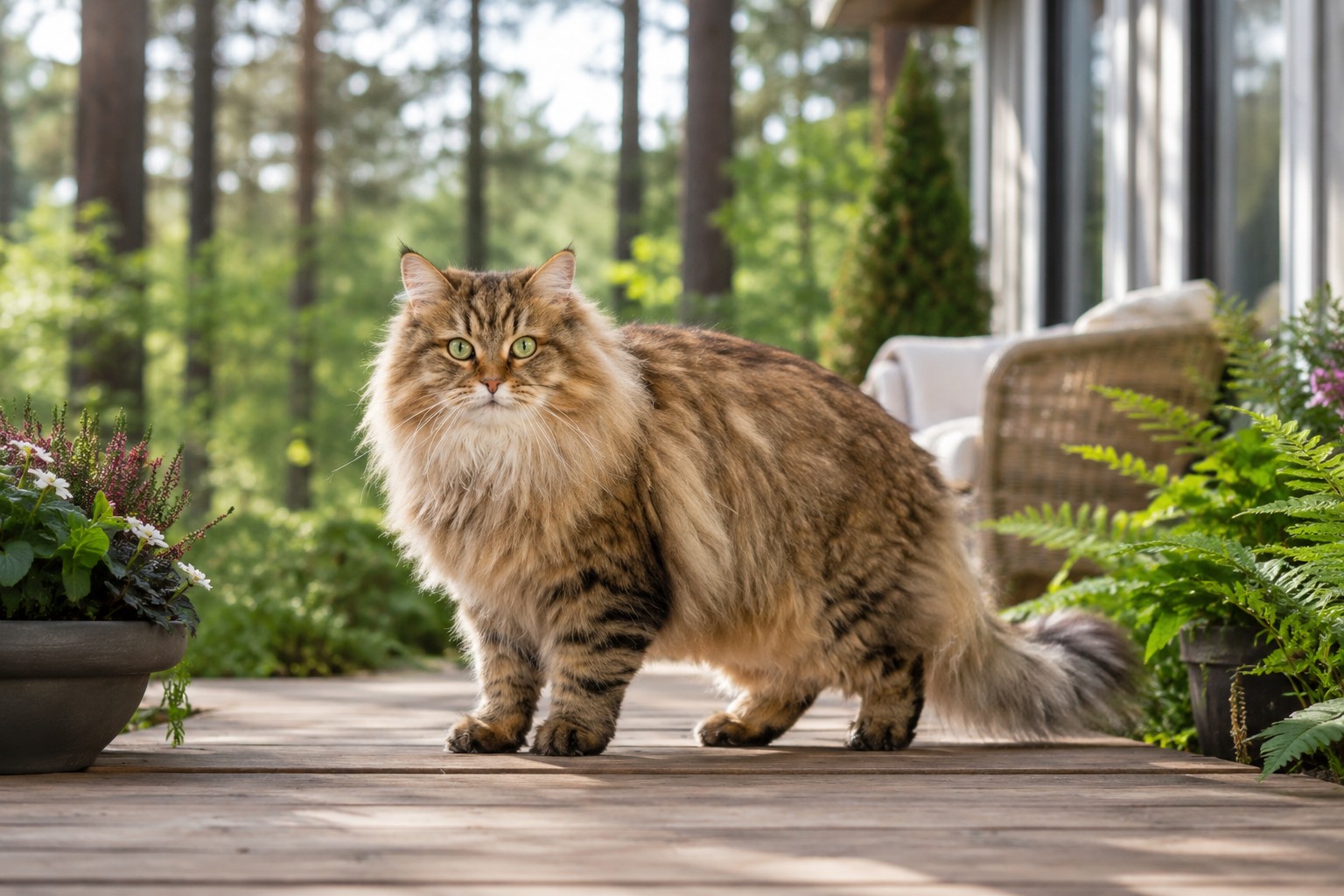

The Siberian cat is easily recognized by its strong build, expressive head and thick coat adapted to cold
Character and behavior
Cats of this breed have a balance of independence and attachment. They don't require constant attention, but genuinely become attached to their family. Siberians maintain independence, carefully study their space and often like to control their own territory, but at the same time are not cold or aloof.
They are characterized by calm, balance, high intelligence and developed hunting instinct. They usually treat strangers with restraint, preferring to observe first. They can interact well with children, but do not tolerate rough or clingy behavior. They get along with other animals in different ways: much depends on the temperament of the other pets and the correctness of the introduction.
Despite their calm temperament, Siberians are not passive. Even adult cats often eagerly play, jump and explore new places. Vertical structures, safe shelves and games that allow them to satisfy their curiosity and physical activity are beneficial for them.
- The Siberian cat combines independence with deep attachment to family.
- The breed is usually calm, but not passive: it needs games, movement and space exploration.
- This is a good choice for those who value an intelligent, restrained and reliable home companion.
Keeping and care
Despite its striking appearance, caring for a Siberian cat remains quite manageable if done regularly. The main burden falls on the coat: in normal periods it is brushed 2–3 times a week, and during seasonal shedding—more often, sometimes even daily, to prevent matting and reduce the amount of hair in the house.
Bathing is needed rarely—usually 1–2 times a year or as needed. It is also important to clean the eyes and ears as they get dirty, trim nails every 2–3 weeks and not forget about teeth hygiene. Due to the thick coat, it is useful to regularly examine the skin to avoid missing irritation, parasites or local problems that the coat may hide.
The Siberian cat needs space for movement and play. Even in an apartment, it's desirable to have a scratching post, bed, shelves or high viewing points. This maintains physical fitness, reduces the risk of excess weight gain and makes life more comfortable for a large active cat.
In daily care of the Siberian cat, the most important are tools for the coat, careful eye and ear hygiene, and basic products that help maintain the thick coat in good condition.

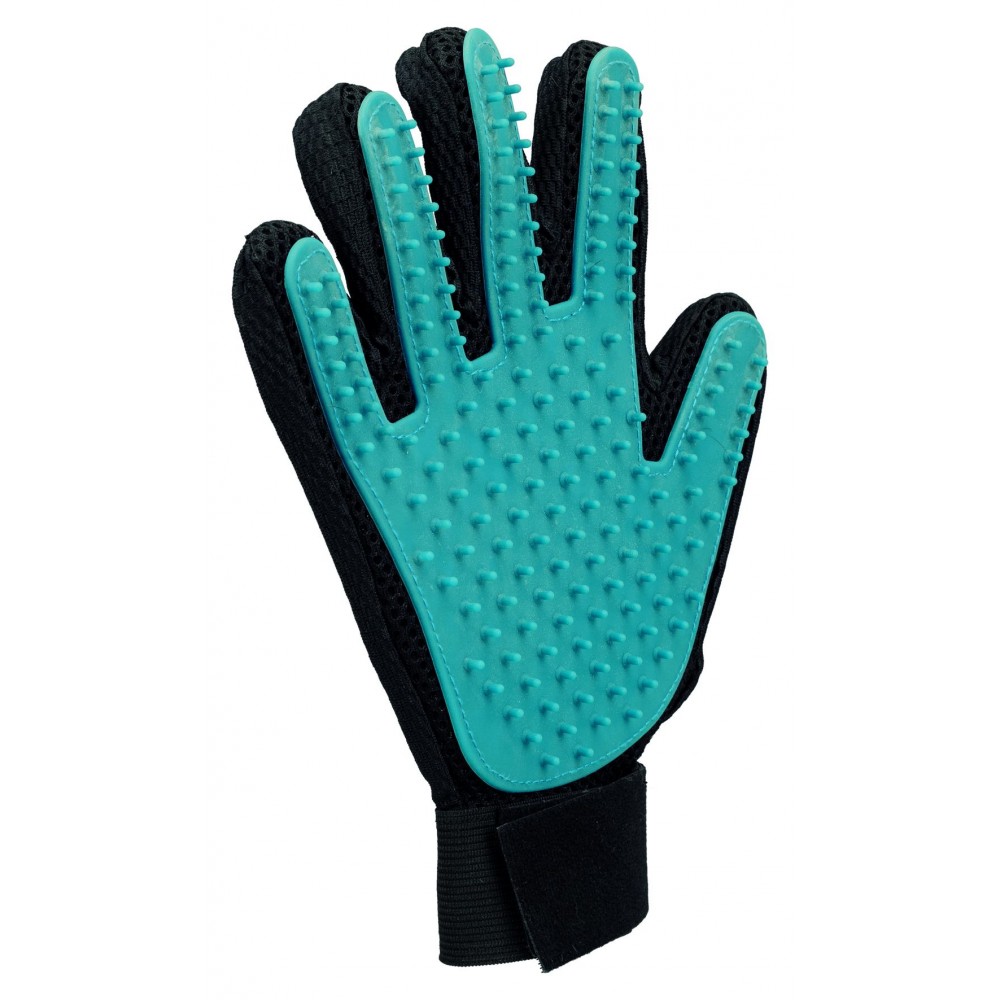
Trixie — grooming glove 16×24 cm
Buy
HOME FOOD Beauty — set: shampoo, conditioner and cosmetic bag
Buy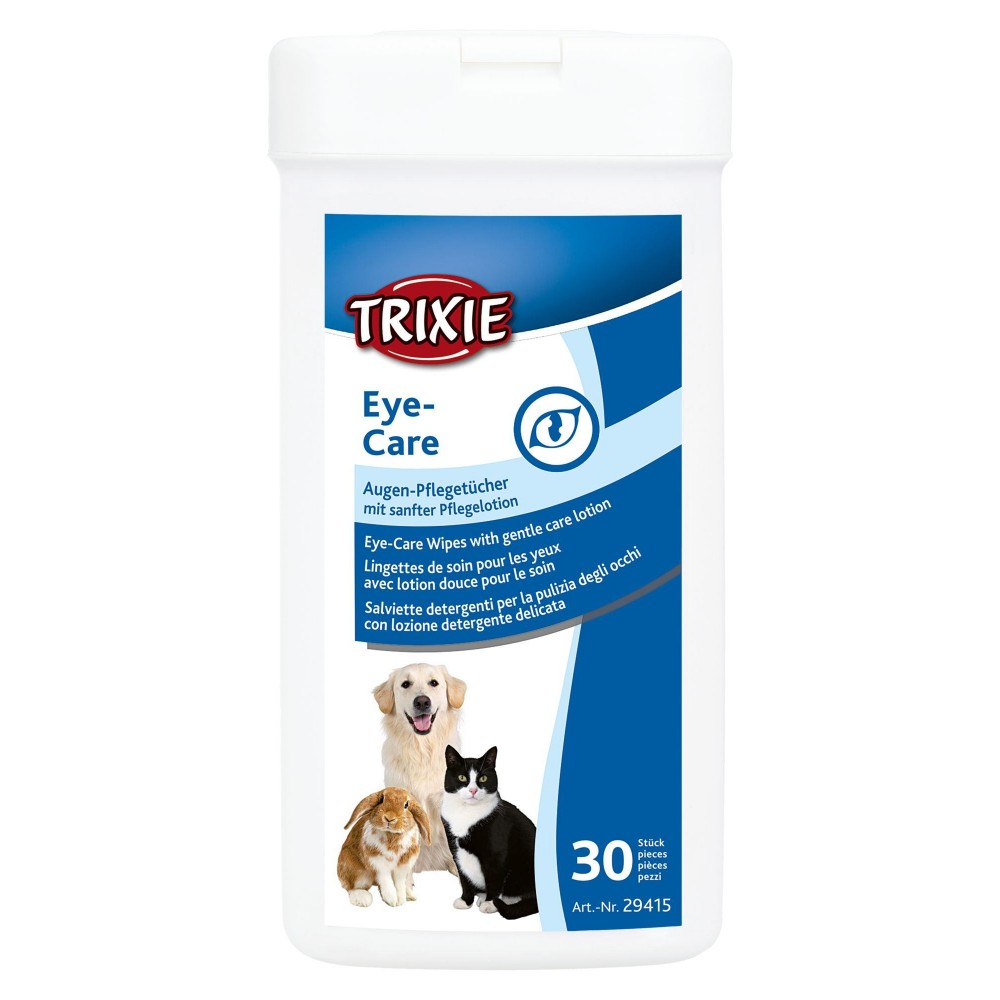
Trixie — eye care wipes for dogs and cats, 30 pcs
Buy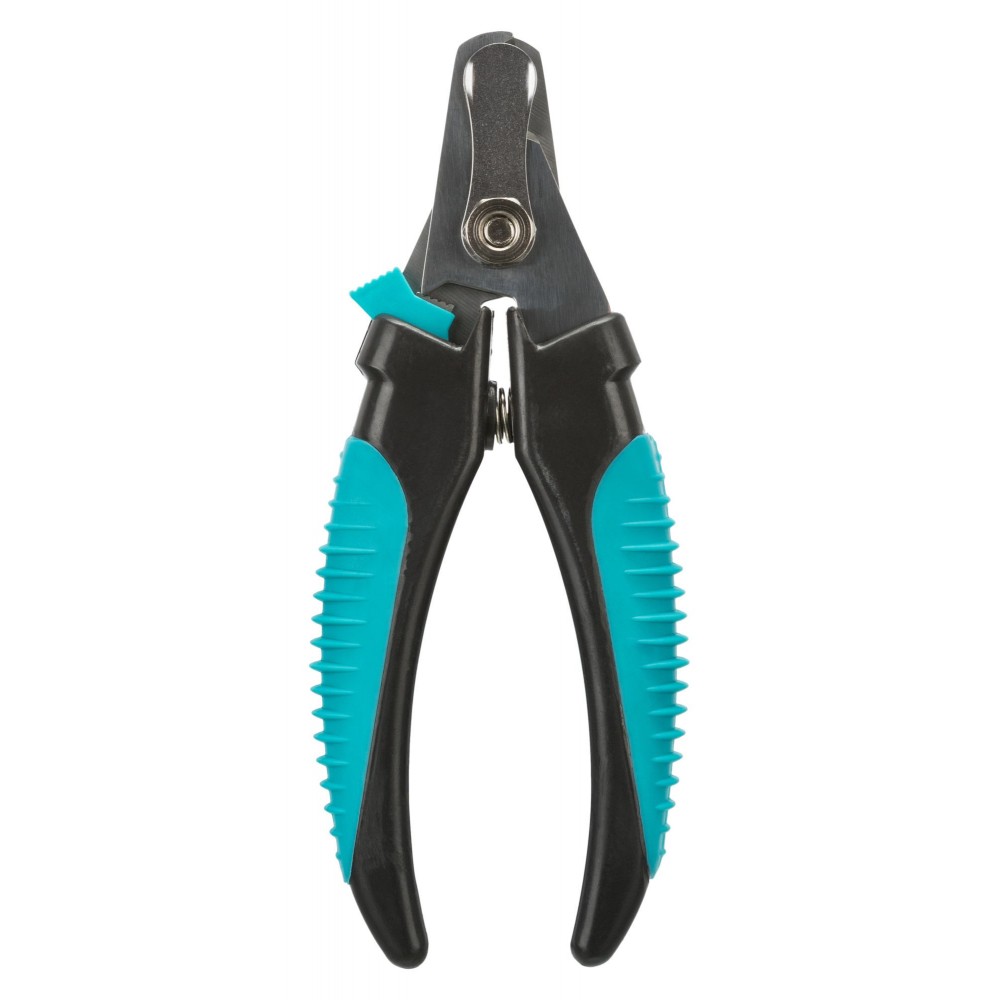
Trixie Luxe — nail clipper for pets, large, 16 cm
Buy
For a Siberian cat, the most important things are regular brushing, shedding control, clean eyes and ears, and enough space to move
Health and Nutrition
Siberians are considered one of the quite hardy breeds and often have strong health, but this does not eliminate the need for basic prevention: annual vaccination, parasite control, and regular veterinary check-ups. According to PetMD and breed sources, the breed generally does not have a large set of narrowly specific hereditary problems, but in breeding lines it is still important to pay attention to overall cardiac and kidney health.
The diet of a Siberian cat should take into account its size, activity level, and seasonal changes. During shedding, the need for nutrients that support skin and coat increases. It is important to control portion sizes, because even a strong and active cat in apartment living can gain excess weight if the diet is not balanced.
The basis of the diet should be a complete feed with quality protein, without excess random calories, with stable caloric content and constant access to clean water. For coat health, omega-3 and omega-6 fatty acids are especially beneficial, and during periods of active shedding, it is worth paying even closer attention to diet tolerance and skin condition.
- Siberian cats are usually hardy, but preventive check-ups and vaccination are equally mandatory for them.
- Weight control is especially important in apartment living and with low daily activity.
- Quality protein, omega acids, and adequate water intake help maintain coat and overall condition.

HOME FOOD Healthy Skin and Shiny Coat — dry food for adult cats, turkey and salmon
Buy
HOME FOOD Omega Balance — oil for cats, balance of Omega-3, -6, -9
Buy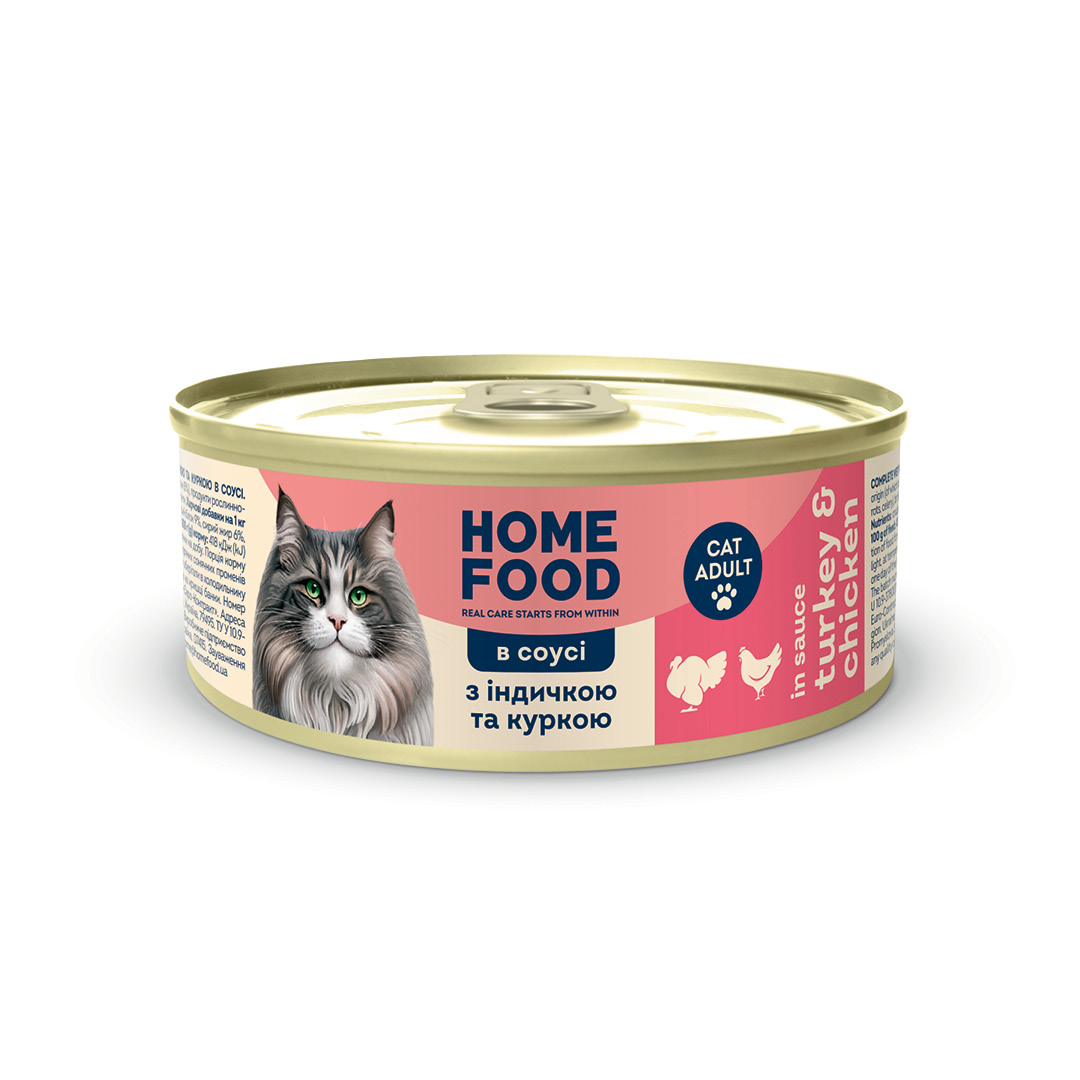
HOME FOOD — complete food for adult cats with turkey and chicken in sauce
Buy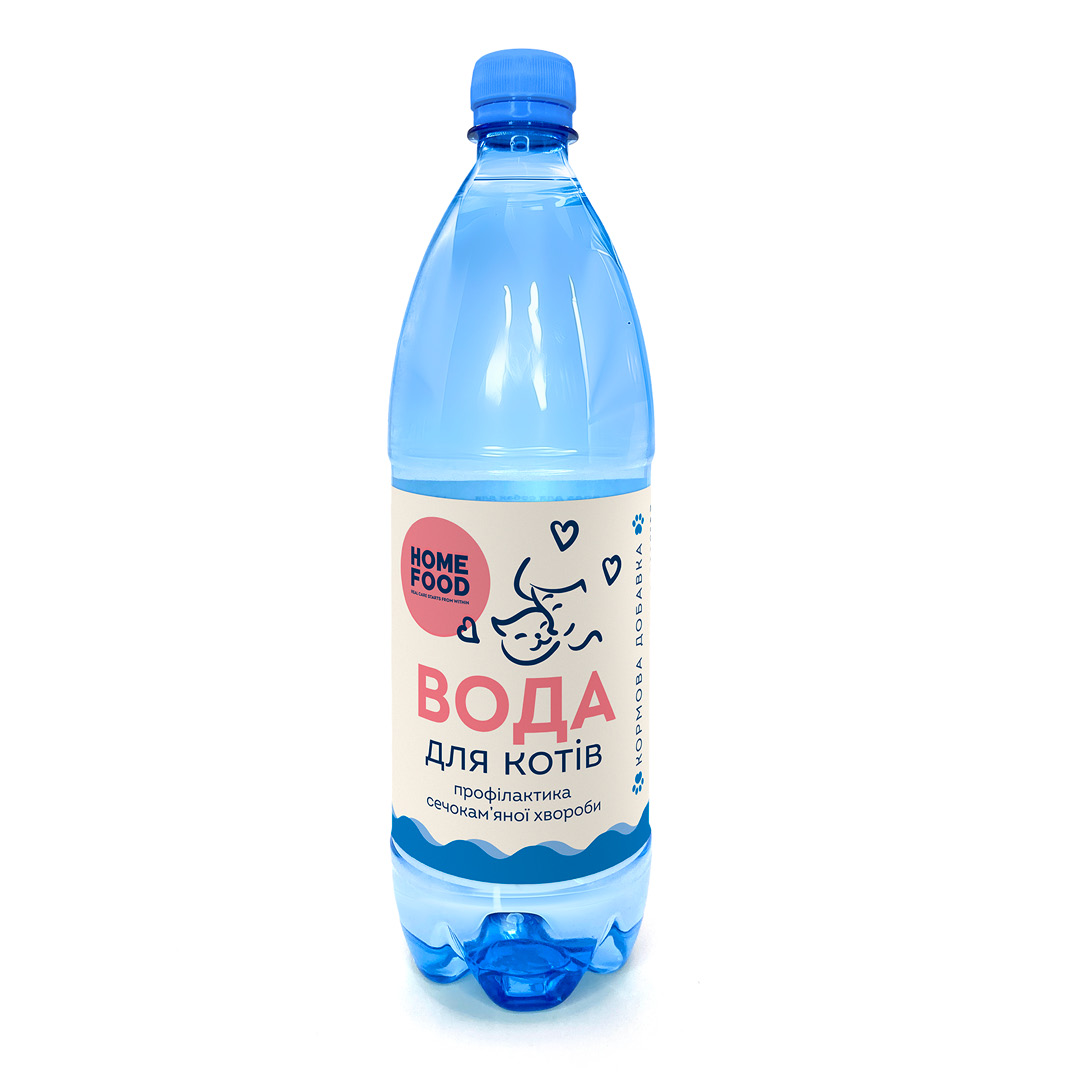
HOME FOOD — drinking water for cats for urinary tract health support
Buy
Pros and Cons of the Breed
Before choosing a Siberian cat, it is important to evaluate not only its striking appearance, but also the practical household needs of a large semi-long-haired breed.
- The advantages include strong health, balanced temperament, striking appearance, and independence without being intrusive.
- The breed is suitable for people who love the natural type of cat and appreciate calm but deep emotional attachment.
- The disadvantages include regular care of thick coat, seasonal shedding, and the need for sufficient space for a large cat.
- A Siberian does not always get along equally well with all animals and does not tolerate rough or intrusive treatment.
Conclusion
The Siberian cat is a breed for those who value strength, naturalness, intelligence, and calm, unobtrusive communication. It does not try to constantly attract attention, but forms a deep and reliable bond with the family.
If you combine regular coat care, a balanced diet, weight control, prevention, and enough space to move, a Siberian will become a very resilient, harmonious, and devoted home companion for many years.