The Turkish Van is a legendary landrace cat breed that developed in the high-altitude climate of Anatolia. With a unique waterproof coat of cashmere-like texture, well-developed intelligence, and an athletic build, these pets are also known for their love of water. They are distinguished by boundless devotion to their owner, pronounced hunting instincts, and a cheerful nature that turns every day into an active adventure.
The breed feels most comfortable with an active person who is ready to devote time to play, training, and interaction every day.
Breed overview
| Origin | Turkey (Lake Van region), ancient times |
| Other name | Van cat, Turkish Van cat |
| Breed type | Semi-long-haired, landrace |
| Size and weight | Large and solidly built; weight 4–9 kg, height at the withers 35–40 cm |
| Life expectancy | 15–17 years |
| Color | Van pattern (a snow-white body with colored markings on the head and tail) |
| Coat type | Semi-long, water-repellent, cashmere-like, without an undercoat |
| Temperament | Devoted, energetic, curious, independent, playful |
| Grooming | Easy: brushing once a week and monitoring dental hygiene |
| Best suited for | Active people and families without other small pets |
History and origin
The history of Van cats reaches far back into antiquity. Archaeological finds from the territory of the ancient state of Urartu, which existed on the Armenian Highlands, include images of large, light-colored cats with distinctive ring-shaped markings on their tails. The breed’s natural habitat was the area around the isolated high-altitude Lake Van, where the cats adapted to harsh winters and hot summers over centuries.
Individual representatives of this line appeared in European countries as early as the Middle Ages, but the systematic development of the breed began only in the mid-20th century. A turning point came in 1955, during British journalist Laura Lushington’s journey through Anatolia. After receiving two local kittens as a gift, she was surprised to discover their fearlessness around water and love of swimming. Fascinated by this phenomenon, Laura brought several more cats to Great Britain, where they became the founders of the breeding line.
Appearance
The Turkish Van is a large, muscular cat with a strong bone structure and beautifully balanced body proportions.
Key conformation standards:
- Head and muzzle: the head is shaped like a softly truncated triangle, with high cheekbones, a smooth transition from a convex forehead to a straight nose, and prominent whisker pads.
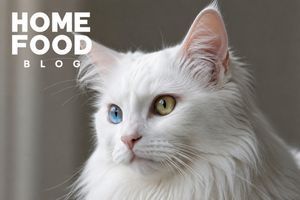
- Eyes: large, expressive, almond-shaped or oval, and set at a slight angle. The iris may be blue or deep amber, and heterochromia is common.
- Ears: fairly large, wide at the base, with rounded tips and abundant inner furnishings.
- Body and limbs: a muscular body with a broad chest and strong pelvis. The hind legs are slightly longer than the front legs, with thick tufts of hair between the toes.
- The tail is of medium length, fluffy, and evenly covered with hair along its entire length.
- Coat: semi-long hair without an undercoat, with water-repellent properties and cashmere-like softness. In winter, the coat becomes significantly thicker.


The breed is easy to recognize by its unusual coloring and distinctive coat structure, which helps protect the cat from moisture and bad weather
The body is predominantly pure white, while bright markings appear on the head and on the fully colored tail, which is often decorated with darker rings. Red, cream, black, blue, and tortoiseshell shades are acceptable, while the soft pink nose and paw pads harmoniously complete the look.
Temperament and behavioral traits
Members of the breed are distinguished by high intelligence, an impulsive temperament, and a tendency to form strong emotional attachments. They are known for their high activity, sociability, independence, and sensitivity.
Behavior at home
Everyday life with a Turkish Van requires the owner to understand its natural instincts and high level of physical activity. The main household considerations are:
- Love of water: their lack of fear of water encourages these cats to play with running tap water, climb into a filled bathtub, and invent games with floating objects.
- Hunting skills: the preserved genes of wild ancestors make Vans enthusiastic hunters that show interest in aquarium fish and interactive toys.
- Seeking high places: these pets constantly try to occupy the highest points in a room, using cupboards and furniture as jumping platforms.
Providing a dedicated play structure helps channel the cat’s inexhaustible energy safely and maintain order in the home.
Relationships with other animals
The Turkish Van’s interactions with those around it are shaped by its drive for leadership and need for undivided attention. The cat may become jealous and does not like sharing its primary owner’s attention with other four-legged pets. At the same time, the presence of other cats or dogs in the home can provoke competition for territory and status. This cat can pose a danger to small pets because rodents, birds, and aquarium animals are perceived solely as prey.
The best conditions for the breed are found in families where the Van is the only pet.
Training and education
Turkish Vans quickly learn the rules of behavior in the home, but their independent nature requires consistent and patient training.
The training system is based on teaching the following basic skills:
- Following a daily routine: establishing a stable feeding schedule and evening play sessions helps prevent nighttime activity.
- Learning to use the litter box and scratching post: quick adaptation is achieved by using familiar litter and placing scratching posts in the pet’s favorite locations.
- Becoming accustomed to hygiene procedures: gradual introduction to nail clippers and a toothbrush from an early age helps prevent resistant behavior in adulthood.
- Walking on a leash: a calm disposition and certain dog-like habits make it easy to teach the cat to walk in a harness.
Using positive reinforcement in the form of praise and treats helps achieve excellent results without force.
Care and maintenance
Turkish Vans are undemanding in terms of climate and do not require labor-intensive daily grooming:
- Coat care: brushing the cat once a week is sufficient.
- Bathing: wash the cat with shampoo once every six months.
- Dental hygiene: brush the teeth daily.
- Litter box cleanliness: the litter must be replaced promptly.
When these simple hygiene procedures are followed, the pet will remain well groomed, healthy, and content.


Foldable brush — for long-haired cats
Buy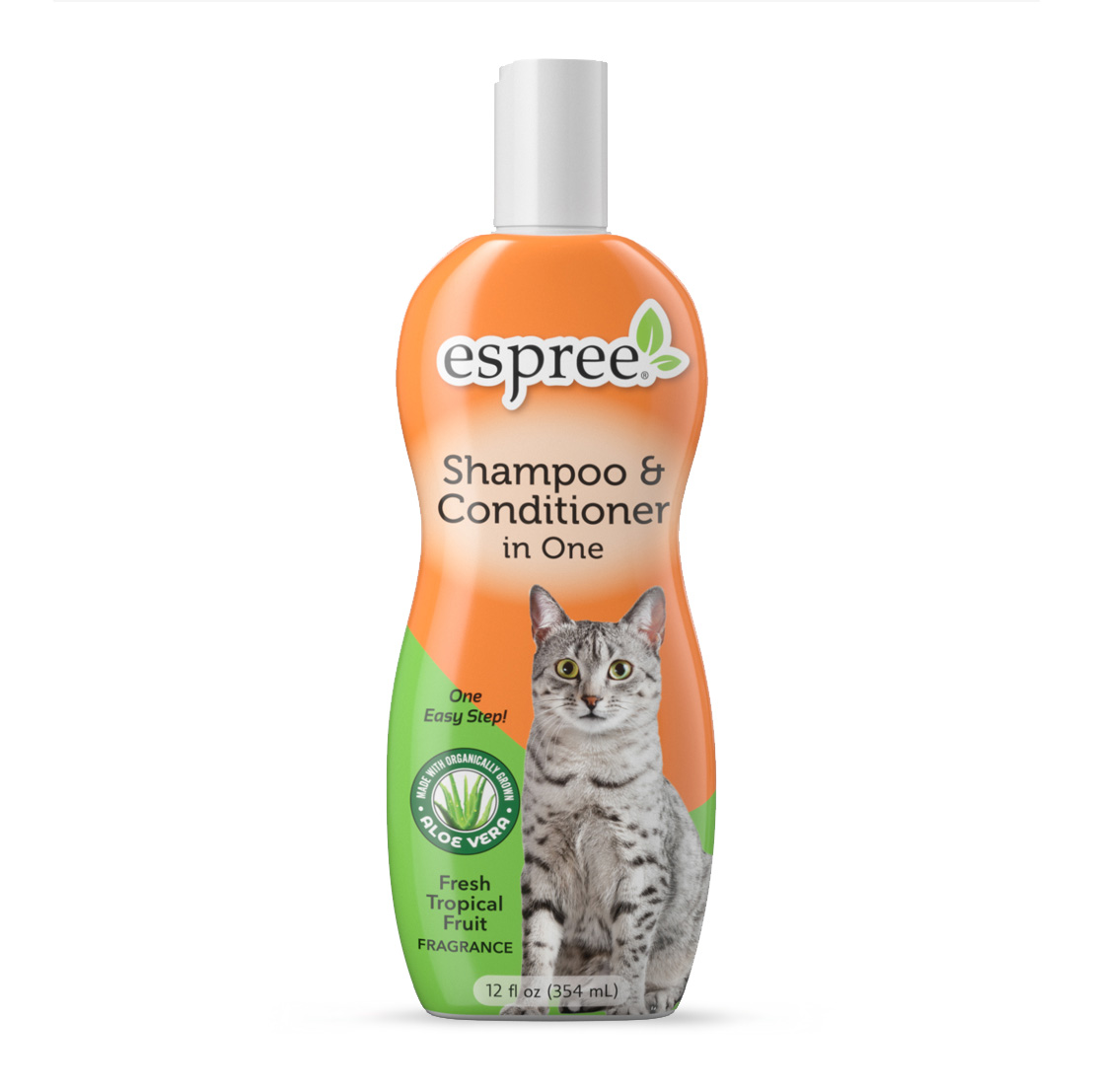
Espree Two in One — shampoo-conditioner for cats, 354 ml
Buy
Trixie — oral hygiene set for cats, toothpaste and brushes, 50 g
Buy
AnimAll Tofu Classic — unscented soy litter, 6 L
Buy
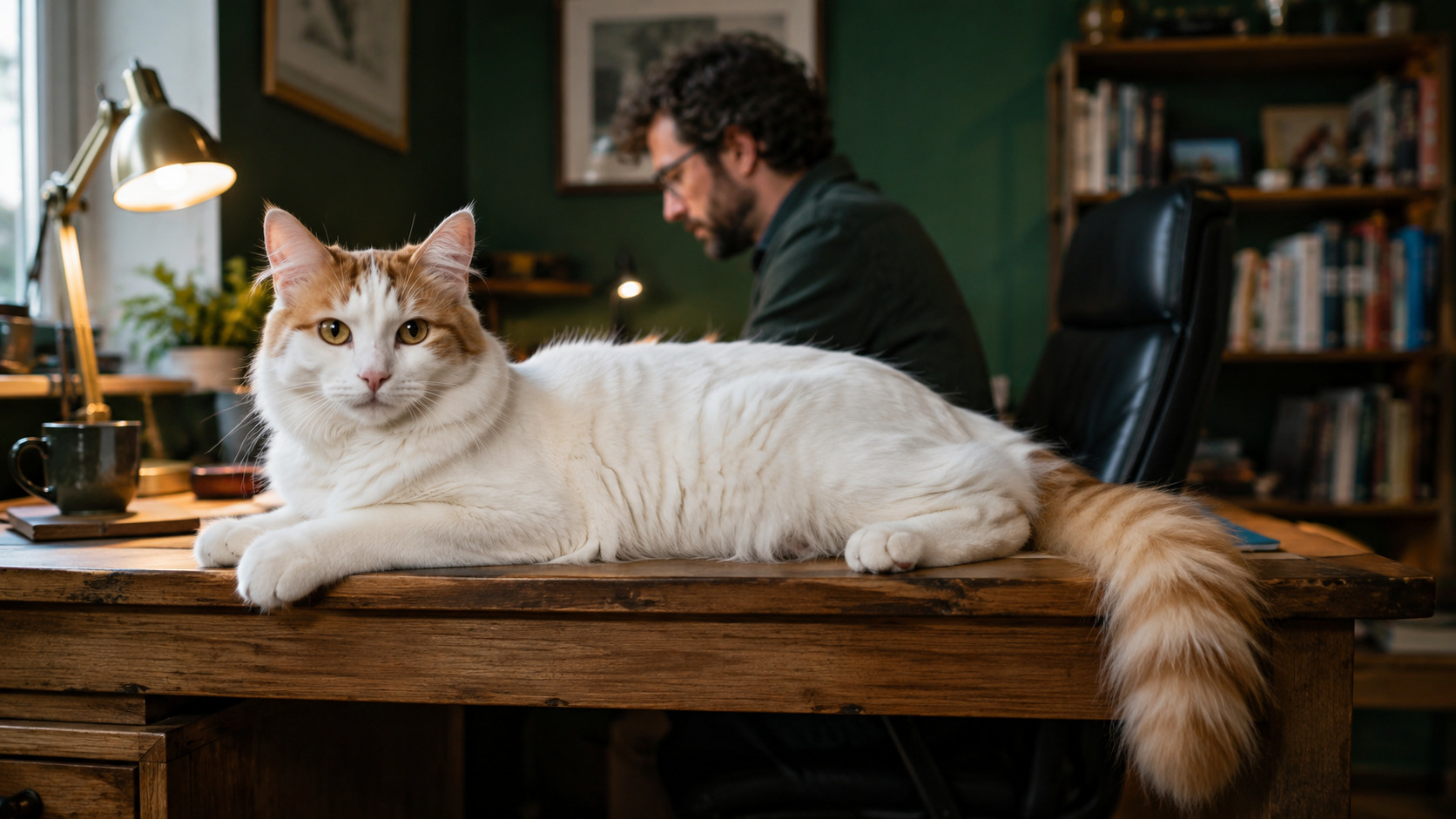
Well-developed intelligence and deep empathy make the Turkish Van an excellent friend for people who value a vivid individuality in animals
Nutrition
An energetic lifestyle and large build require a calorie-dense and balanced diet.
The main feeding principles for Vans are:
- High protein content: the diet should be based on high-quality animal proteins to maintain muscle mass.
- Energy replenishment: portion sizes are calculated according to the cat’s daily level of physical activity.
- Free access to water: drinking water should always be available, especially when feeding prepared dry diets.
A balanced menu supports a high level of vitality, a glossy cashmere-like coat, and strong immunity.

HOME FOOD For active — dry food for active adult cats, chicken and shrimp
Buy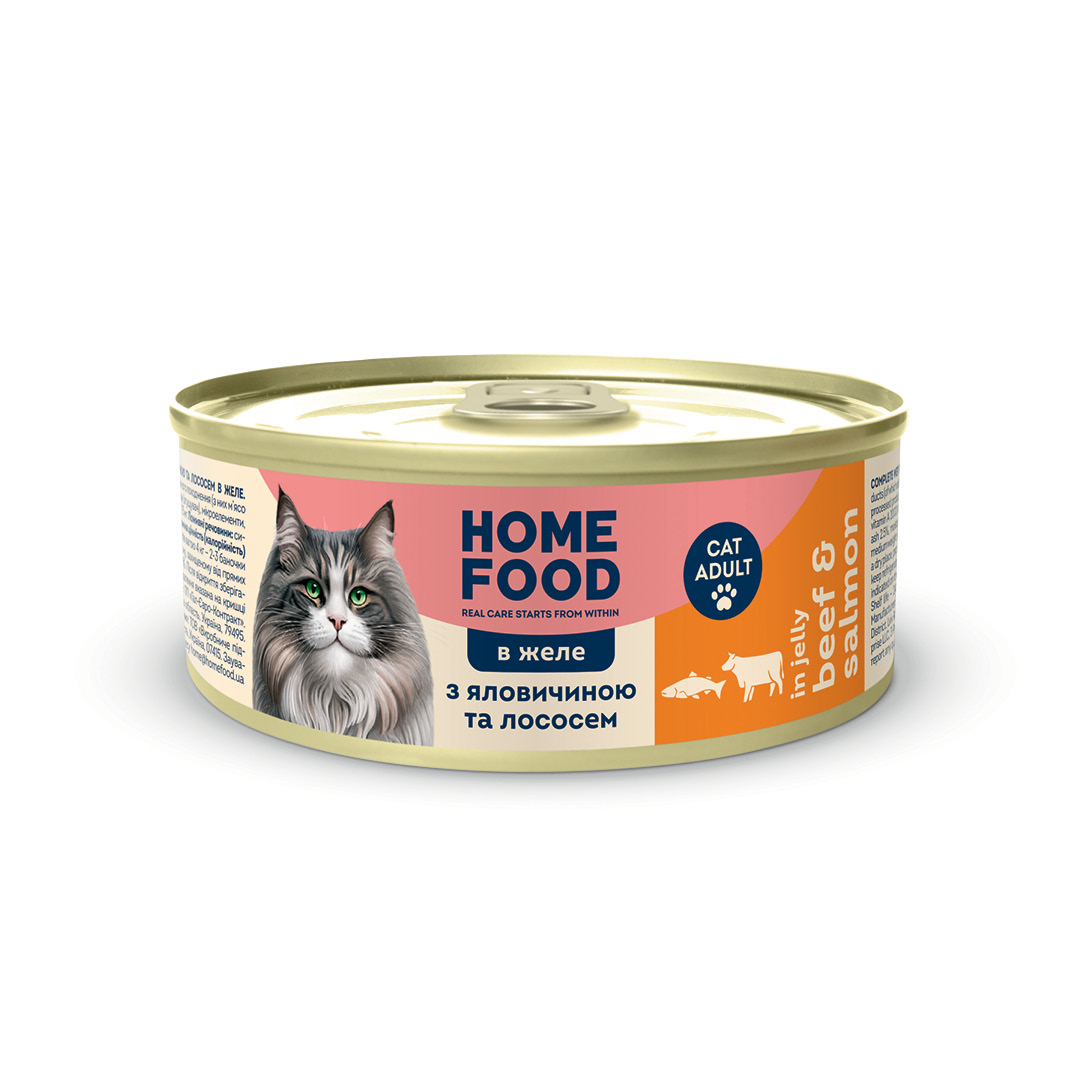
HOME FOOD — complete food for adult cats with beef and salmon in jelly
Buy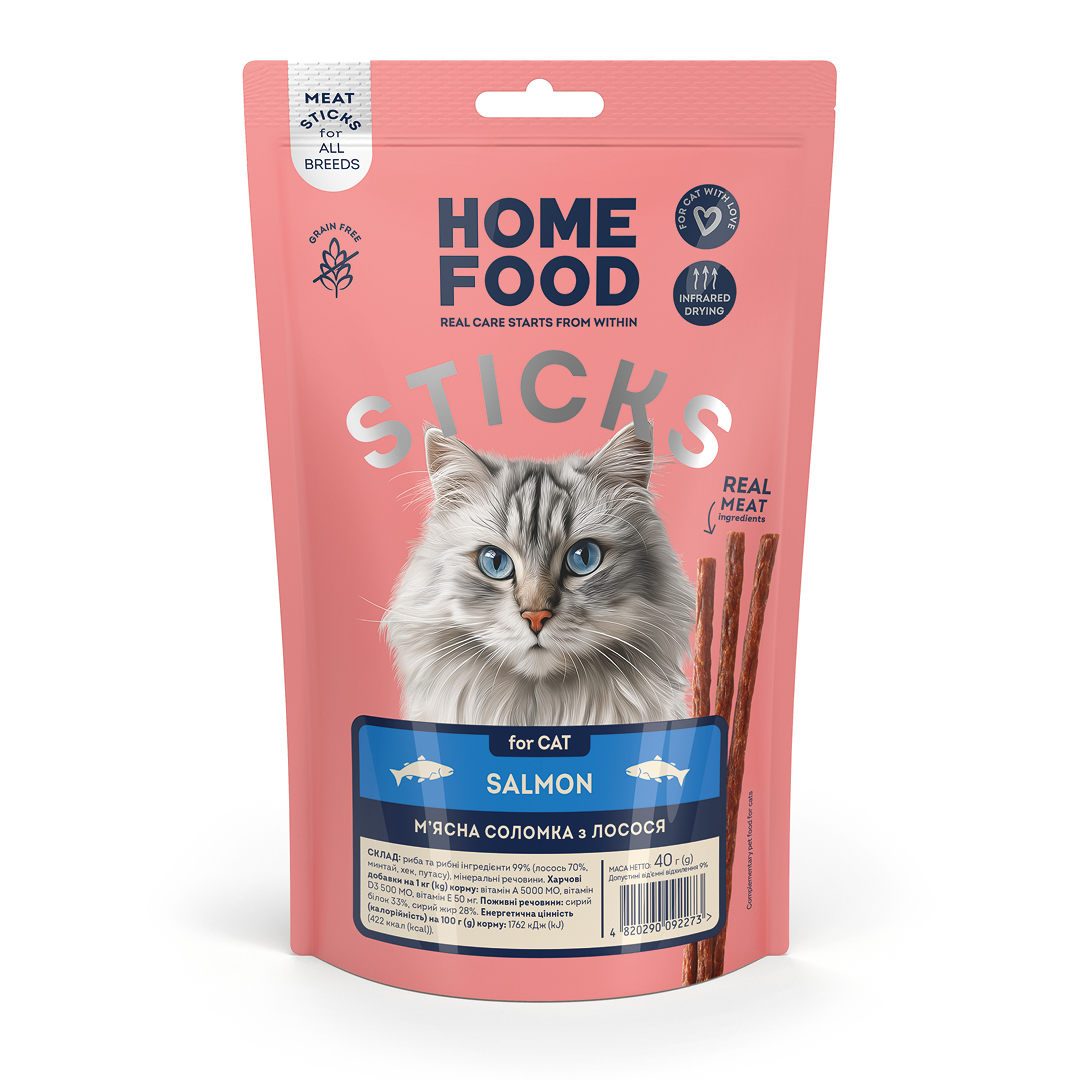
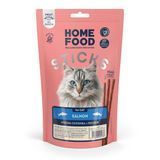
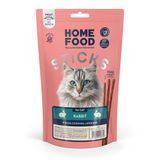
HOME FOOD — cat treats, salmon meat sticks, 40 g
Buy
WAUDOG — automatic illuminated drinking fountain for dogs and cats, 2.5 L
Buy
Health
Its landrace origin has given the Turkish Van excellent natural immunity and resistance to most hereditary diseases. With proper care, life expectancy is 15–17 years.
However, veterinarians recommend paying attention to the following risks:
- Cardiovascular conditions: hypertrophic cardiomyopathy is occasionally diagnosed and requires ultrasound screening.
- Vascular disorders: arterial thromboembolism may develop in the presence of hidden heart disease.
- Dental problems: a tendency to develop tartar requires ongoing prevention.
- Congenital deafness: a potential risk remains in completely white cats with blue eyes.
Regular preventive examinations and timely vaccination are the foundation.
Pros and cons of the breed
Studying the breed’s strengths and weaknesses helps the owner objectively compare their abilities with the pet’s needs.
The advantages of Turkish Vans include the following qualities:
- an attractive exotic appearance and soft cashmere-like coat;
- reduced allergenicity due to the absence of an undercoat;
- robust landrace health and a stable temperament;
- high intelligence, ease of training, and a love of water;
- sincere devotion to the owner and an ability to maintain a cozy atmosphere.
However, these positive qualities are balanced by several specific traits that create certain care requirements:
- pronounced jealousy and an unwillingness to share the home with other pets;
- a strong-willed nature and recognition of only one person’s authority;
- an increased need for constant active play and space.
Understanding the breed’s characteristics helps determine whether it is right for your family and allows you to create conditions in advance in which the cat will feel calm and happy.
Conclusion
The Turkish Van is an ideal choice for active people seeking an intelligent, devoted, and unusual four-legged friend. With its vivid temperament, love of swimming, and graceful appearance, this cat will become a true center of attention and a loyal companion for many years.