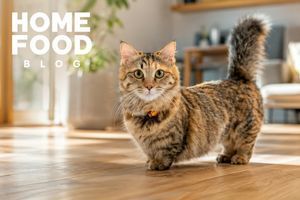
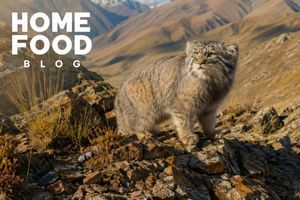
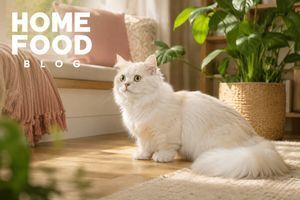
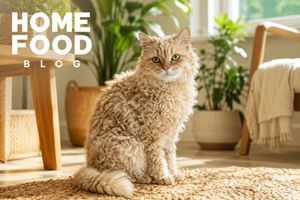
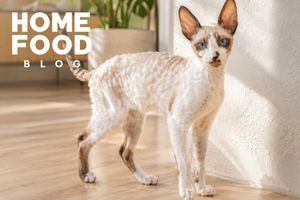
The wild grace of an Ancient Egyptian predator and the gentle nature of a domestic pet rarely go hand in hand. Chausies were created for this exact balance. Before us is a large and remarkably energetic cat that visually resembles a miniature puma or jungle cat.
These animals capture attention with their powerful athletic body, high cheekbones, and expressive gaze. Bringing such a pet into your home means welcoming an active companion who will ensure life is never dull.
Brief breed characteristics
| Country of origin | USA |
| Time of origin | 1960s - 1990s |
| Male weight | 10 - 15 kg |
| Female weight | 6 - 10 kg |
| Height | Up to 40 - 45 cm |
| Lifespan | 15 - 20 years |
| Coat type | Short, dense, resilient coat with a thick undercoat |
| Recognized colors | Black, black ticked tabby, black grizzled ticked tabby |
| Association status | TICA (Championship status since 2013), WCF (Standard since 2019) |
| Key traits | Athletic build, high intelligence, love for water, tendency to stash items |
Origin history of a rare hybrid
The roots of this breed trace back to the natural habitat of the jungle cat. Since ancient times, these wild predators settled near human dwellings in the Nile Basin, periodically interbreeding with local domestic cats.
In the 1960s, American tourists first brought back the idea from Egypt to breed a domestic version of the jungle cat. Purposeful breeding efforts began in the 1990s, when breeders established the first official catteries in the United States. To strengthen the gene pool and secure a mild temperament, wild individuals were crossed with Abyssinians and shorthaired purebred cats. This led to the modern line characterized by strong immunity and excellent adaptive traits.
The international organization TICA established the first breed standard in 1995, and in 2013, Chausies officially entered the Championship class. Later, in 2019, WCF approved its own official evaluation standards.
F generations and their differences
The specific nature of hybrid origins is divided into several key generations, designated by the letter F and a number. This is a critical factor that directly influences the pet's temperament, behavior in everyday life, and care requirements.
First-generation F1 kittens are produced directly from a wild jungle cat and a domestic cat. These individuals carry about 50% wild blood, grow to be the largest, but retain an independent and sometimes unruly disposition.
The F2 and F3 generations contain a lower percentage of wild blood. The animals become significantly more personable, gentle, and fully adapted to life in a city apartment.
Representatives of F4 and F5 show virtually no behavioral differences from ordinary domestic breeds. Males of the first three generations are usually sterile, so further breeding relies on crossing females with purebred domestic cats.
Breeders carefully control genetic lines to maintain a balance between a wild appearance and a friendly personality. Each subsequent generation requires a different level of attention, which is why experienced breeders always match a kitten to the buyer's specific living conditions.
Appearance and breed standards
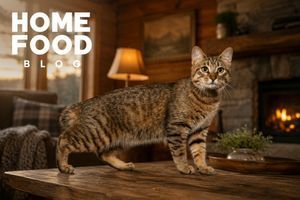
In appearance, the Chausie is a long-legged, muscular animal with a broad, deep chest. Height often reaches 40-45 centimeters, while the weight of an adult male can reach 14-15 kilograms. Females are noticeably more refined, weighing approximately 20-30 percent less than males.
The head is wedge-shaped with a flat forehead and a subtle occipital crest. The muzzle is neat, with high, angular cheekbones. The jaws are powerful, featuring a properly developed scissor bite. The eyes are almond-shaped, slightly slanted, flat on top, and forming a semi-oval on the bottom. Iris color ranges from golden yellow to deep green or hazel shades. The ears are set very high and close to the top of the head, about two fingers apart. Neat tufts on the tips of the ears are desirable, and lighter spots known as false eyes are often present on the back of the ears.
The body is distinguished by dense, well-defined musculature. The shoulders and pelvis are slightly narrower compared to the well-developed chest area. The long, straight tail measures roughly three-quarters of the body length and tapers elegantly toward the tip.


The Chausie combines the wild grace of its ancestors with the devotion of a pet
Coat colors and texture
The coat in this breed is short, very dense, and features a well-developed, thick undercoat. The guard hairs are resilient, smooth, and shine pleasantly in the sun.
TICA and WCF standards officially recognize only three color variations:
- Solid deep black without markings or patterns on the coat.
- Black ticked tabby, where each hair has multiple dark and light bands, the undercoat has a golden tone, and dark rings are present on the inner legs and tail.
- Black grizzled ticked tabby, featuring a silver base coat with mandatory dark hair tips.
Any other color variations or the presence of distinct white patches on the chest or paws are considered serious deviations from the standard. Coat quality depends directly on the balance of nutrients in the pet's daily diet.
Temperament and behavior
Despite their physical resemblance to a wild animal, Chausies are affectionate and deeply attached to their family. However, among all household members, these cats almost always choose one primary owner whom they follow everywhere. The pet prefers to seek affection purely on its own initiative. Forcing a Chausie to sit in your arms against its will is completely pointless.
Intelligence in representatives of this breed is at the highest level. The cats quickly understand house rules, learning to use the litter box, scratching post, and walking harness with ease.
Inherited from their jungle ancestors is an irresistible love for water. These pets can spend hours watching water flow from a tap, splashing in a filled bathtub, or chasing floating toys. Another interesting habit is creating hidden stashes. Chausies happily hide food, small objects, or toys in secret spots throughout the house.
Relations with children and other pets
They do not handle solitude well and require regular attention. They enjoy playing with children, though basic communication boundaries should be explained to the child immediately.
Interactions with other pets require special supervision from the owner:
- Chausies easily find a common language with large and medium-sized dogs;
- with other cats, the pet quickly forms strong playful bonds;
- decorative rodents, birds, and aquarium fish will be perceived strictly as prey due to a powerful hunting instinct.
Innate jumping ability allows the cat to easily reach high-mounted cages or aquariums. Therefore, securing small pets in the house becomes a top priority for the owner.
Care and living conditions
The breed's high activity level demands plenty of space for jumping and running. An ideal living environment for a Chausie is a private house with a fenced yard. In an apartment setting, the pet will need tall cat trees and daily walks on a harness. Without physical exercise, the cat gets bored and may cause destruction.
Brushing the short coat once a week with a soft massage brush is sufficient. During seasonal shedding, the procedure is carried out more frequently to swiftly remove dead hairs. Bathing can be done as needed using gentle veterinary shampoos. It is important to regularly inspect the ears and eyes, as well as trim the claws with a dedicated claw trimmer.

An active Chausie needs space, play and daily attention
Health and dietary specifics
Inherited from their wild ancestors, Chausies possess excellent immunity. However, the breed has specific physiological vulnerabilities.
The digestive tract of these cats is shorter and unadapted to digesting plant fiber and grains. Pets are prone to food allergies, gluten intolerance, and rapid weight gain if overfed. The diet should be built on high-quality raw meat or specialized grain-free holistic food. Feeding an adult animal twice a day on a strict schedule is recommended.
Timely veterinary checkups, regular deworming, vaccination, and proper care allow a Chausie to remain active for up to 15-20 years.


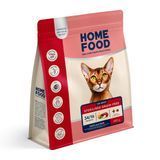
HOME FOOD Grain-free hypoallergenic — dry food for spayed/neutered cats, duck and pear
Buy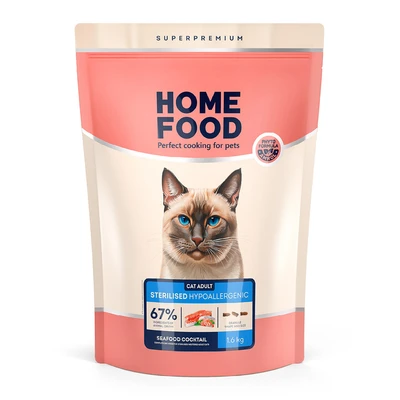
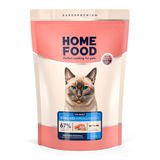
HOME FOOD Hypoallergenic For sterilised/neutered — hypoallergenic dry food for sterilized/neutered adult cats, seafood cocktail
Buy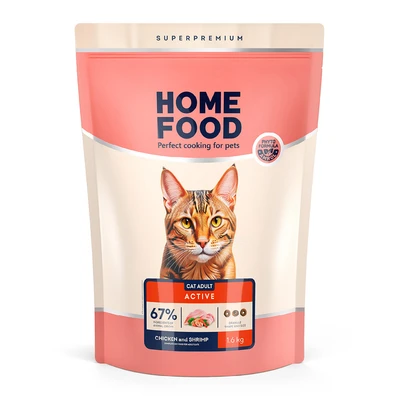
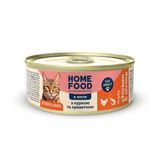
HOME FOOD For active — dry food for active adult cats, chicken and shrimp
Buy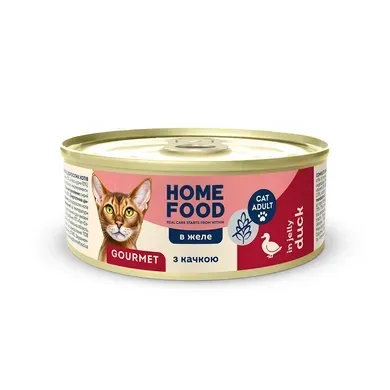
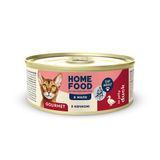
HOME FOOD complete grain-free canned food for fussy adult cats with duck in jelly, 85 g
Buy