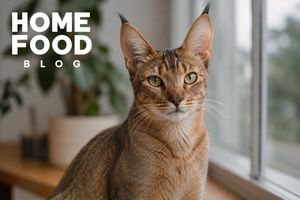
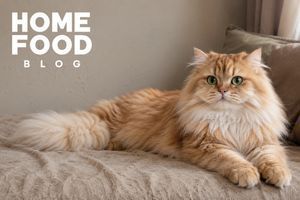
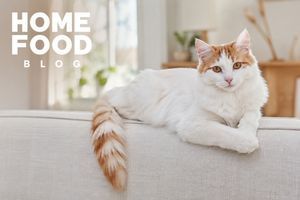
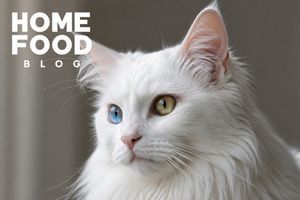
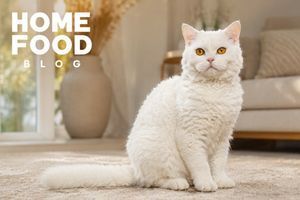
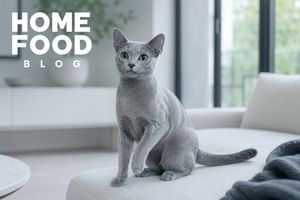
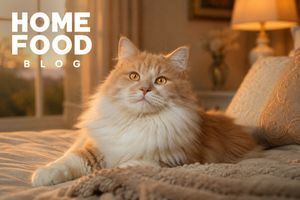
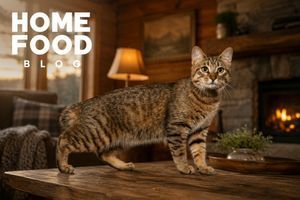
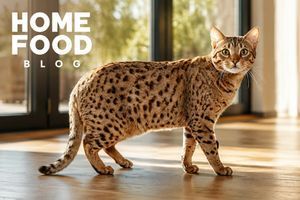
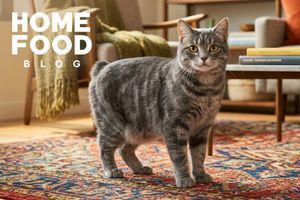
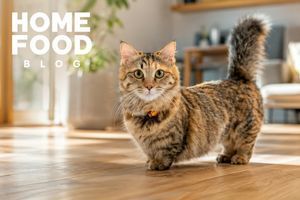
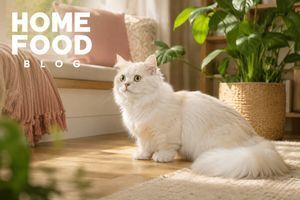
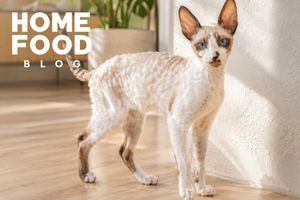
At first glance, the Exotic Shorthair resembles a miniature teddy bear. A round head, large eyes, a short nose, full cheeks, and a compact body create that instantly recognizable look that connects the breed to the Persian cat. The main external difference from the Persian cat is the coat structure: the Exotic has a short, dense, and plush coat rather than a long and flowing one.
Despite its solid appearance, this is not a phlegmatic couch-potato pet. Exotics are quite lively, love games, take interest in their surroundings, and at the same time maintain a calm, gentle nature. They feel comfortable around humans, making them an excellent choice for those seeking a sociable yet quiet companion.
Breed overview
| Origin | USA |
| Time of breed formation | 1950s–1960s |
| Size | Medium |
| Weight | Usually about 3–6.5 kg |
| Body type | Solid, muscular, compact |
| Coat | Short, dense, plush |
| Colors | Diverse, including solid, tabby, tortoiseshell, smoke, and colorpoint |
| Temperament | Calm, affectionate, curious, playful |
| Activity level | Moderate |
| Lifespan | Individual, depending on overall health and care |
How was the breed formed?
The history of the Exotic Shorthair began in the United States in the middle of the 20th century. American Shorthair breeders crossed their cats with Persians, hoping to achieve specific coat patterns and a sturdier body type. The resulting kittens did not meet the original goal, yet they looked so unusual that they laid the foundation for a distinct breed direction.
In 1966, the CFA decided to establish a new breed, which received the name Exotic Shorthair. In its early stages, development was accompanied by debate: some breeders feared that the new line would affect the traditional type of the American Shorthair. However, interest in these unusual animals grew rapidly. After initial outcrosses with shorthaired cats, the offspring were bred back to Persians. Thanks to this, a type close to the Persian, but with a short, dense coat, gradually stabilized.
Today, the Exotic Shorthair belongs to the Persian breed group. According to TICA standards, it differs from the Persian primarily in coat length and texture: with a similar body and head type, the Exotic has a short, plush coat. The breed achieved TICA championship recognition in 1979.
Appearance and coat characteristics
The Exotic is a medium-sized cat with a sturdy bone structure and a compact, well-proportioned body. The head is broad and round, the ears are small, and the eyes are large and round. A short muzzle with a small nose and full cheeks gives the facial expression a characteristic softness.
The legs are short and strong, and the tail is also relatively short, yet proportional to the body. Due to its thick coat and solid body structure, the cat visually appears somewhat larger and rounder than it actually is.
The coat is dense, thick, soft, and plush, with a well-developed undercoat. It is shorter and significantly easier to maintain than the long coat of a Persian cat. At the same time, color variations in Exotics are vast: solid, tortoiseshell, tabby, smoke, shaded, bicolor, and colorpoint options are all present.


The Exotic looks like a teddy bear with a short, dense coat
Temperament and interaction
Exotic Shorthairs typically feature a calm and friendly disposition. They usually tolerate alone time well, but regular interaction, play, and the opportunity to stay close to humans remain essential parts of their environment. Many representatives of the breed gladly sit on laps or settle nearby when their owner is relaxing.
At the same time, an Exotic will not constantly demand attention. It can spend some time on its own peacefully, though prolonged isolation does not suit it. Social interaction, games, and human presence remain vital elements of its daily routine.
Regarding activity levels, Exotics hold a middle ground. They are not as energetic as some Oriental breeds, but they cannot be called entirely passive either. A cat may suddenly get enthusiastic about a toy, explore a new item in the room, or engage in a brief chase after a moving object. Curiosity persists well into adulthood.
Exotics generally get along well with children and other pets. However, any interaction between a child and a cat should be gentle: the animal must always have the opportunity to retreat and rest if it tires of communication.
Behavior and training
A calm temperament does not mean a lack of intelligence. Exotic Shorthairs are capable of learning household rules and basic skills with consistent guidance. Litter box training, scratching post habituation, and adhering to established routines usually do not cause serious difficulties if handled consistently.
It is helpful to designate permanent spots for the litter box, bowls, scratching post, and bed in advance. The clearer the home environment, the easier it is for the pet to navigate. It is also advisable to set up a quiet corner where the animal can rest without constant disturbance.
Positive reinforcement and calm behavioral adjustments are best used during training. Shouting, physical punishment, and rough handling do not help establish good habits. On the contrary, they can break trust between the cat and its owner.
Home safety also deserves attention. A curious Exotic might climb into areas it wasn't invited to, so household chemicals, medications, small objects, and potentially toxic plants should be kept out of reach. Windows are best fitted with sturdy protective screens.
Breed health
Exotics have specific health considerations linked to their origins and head structure. Brachycephalic head structure can increase the risk of respiratory issues. Additionally, due to facial anatomy features, some Exotics experience tear duct drainage issues and pronounced tearing.
The breed group also has known hereditary risks that are important to consider during selection and preventive care. For cats with Persian lineages, polycystic kidney disease (PKD) is particularly relevant, while hypertrophic cardiomyopathy (HCM) is an important feline heart condition. Having a breed-related risk does not mean that the disease will inevitably develop in a specific animal.
This does not mean the condition will definitely manifest in a given pet, but hereditary risks are important to keep in mind for preventive health care and veterinary supervision.
Due to the shortened muzzle and dental alignment specifics, regular oral hygiene deserves attention. Preventive checkups help detect inflammation, tartar buildup, or other issues before severe symptoms appear.
Scheduled veterinary checkups, vaccinations, and antiparasitic treatments are equally essential. In the event of changes in appetite, breathing, activity, eye condition, or coat, it is best not to wait for the issue to resolve on its own.
Feeding your Exotic
The diet of an Exotic Shorthair cat should account for its age, body weight, activity level, and overall health status. With low activity levels and excess calories, the cat can gain weight, so portion control is essential.
The foundation of the diet should be a complete, balanced feed suited to the animal's age and physiological condition. If opting for a natural diet, it is recommended to formulate it together with a veterinary specialist, as self-selected ingredients do not always ensure the correct balance of proteins, fats, vitamins, and minerals.
Fresh drinking water must be available at all times. If the cat consumes primarily dry food, monitoring fluid intake becomes especially crucial.
When selecting a feeding bowl, consider the facial structure. Shallow, wide dishes are often more comfortable than deep, narrow ones, allowing the cat to reach food without pushing its face against the edges.


HOME FOOD Grain-free hypoallergenic — dry food for spayed/neutered cats, duck and pear
Buy
HOME FOOD Hairball control — dry food for hairball control, turkey and berries
Buy
HOME FOOD With sensitive digestion — dry food for spayed/neutered adult cats, lamb and salmon
Buy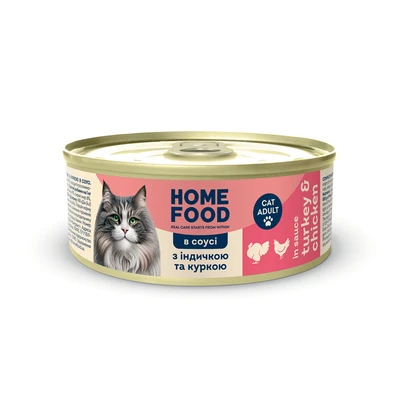
HOME FOOD — complete food for adult cats with turkey and chicken in sauce
Buy
Short coat care
The Exotic Shorthair is significantly easier to groom than a Persian cat, but doing without brushing entirely is not possible. The coat should be combed regularly. For many cats, about once or twice a week is sufficient, while during shedding periods, the procedure is carried out more frequently.
Eyes require special attention. Due to facial anatomy, tearing in some Exotics can be quite noticeable. Dirt and tear discharge should be carefully wiped away with a soft, clean cloth without rubbing the skin. If redness, swelling, an unpleasant odor, or unusual discharge appears, the animal must be shown to a veterinarian.
Ears should be checked regularly and cleaned only when necessary using a suitable solution. Teeth are best brushed with a dedicated cat toothbrush and toothpaste. Claws should be trimmed as they grow, and a scratching post must remain continuously accessible.
For resting, a quiet, draft-free spot suits the Exotic best –– a place where the cat can stretch out full length while remaining close to the family. Despite its plush look and serene nature, this is a fully active pet that requires playtime, attention, and the opportunity to explore a safe environment.
The Exotic Shorthair combines the expressive looks of the Persian cat with easier coat maintenance. With proper nutrition, regular hygiene, routine checkups, and sufficient social interaction, the Exotic Shorthair can adapt wonderfully to family life and stay active for many years.
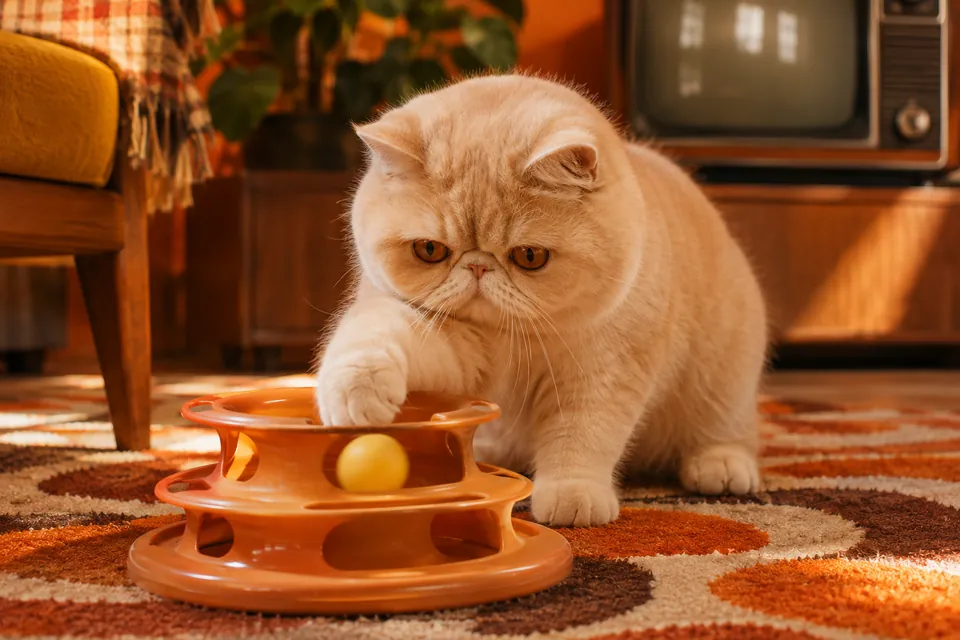
A calm yet playful companion for a quiet home